
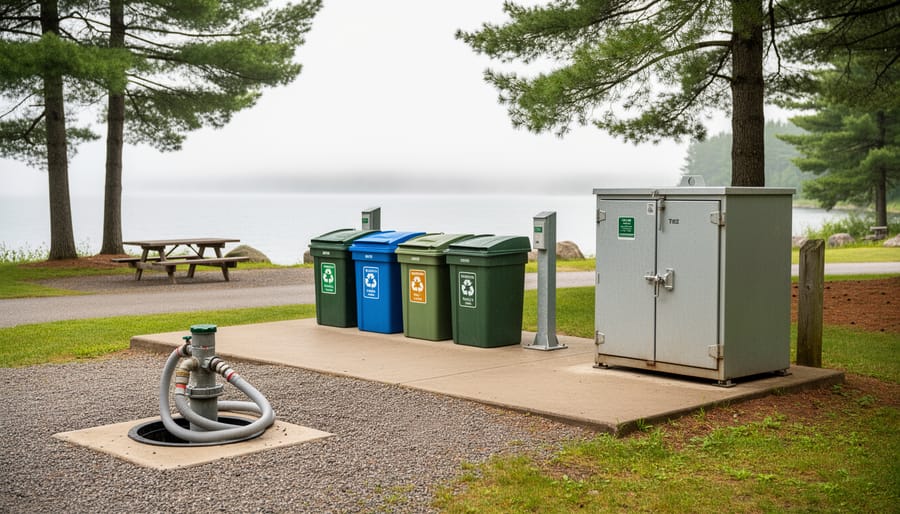
Ontario’s provincial parks and campgrounds provide free dump stations, bear-proof bins, and recycling programs at most developed sites, so responsible waste disposal comes down to knowing which stations serve your campground and packing out everything you carry into backcountry zones. RV travelers will find clearly marked sani-dump locations near campground exits or service areas, typically open from early May through mid-October, while tent campers use designated waste stations with separate streams for organics, recyclables, and landfill waste.
The real trick isn’t finding these facilities but using them properly. I’ve watched too many first-timers toss pizza boxes into recycling bins still dripping with grease, or worse, leave black water valves open at dump stations, creating a mess for everyone behind them. Ontario Parks takes waste management seriously because these natural spaces can’t absorb careless disposal, especially in sensitive ecosystems around the Great Lakes and Canadian Shield waterways.
Most visitors underestimate how much waste a weekend camping trip generates. A family of four can easily produce two large bags of garbage, plus recyclables and food scraps that attract wildlife if not stored correctly. Planning ahead means bringing extra bags, knowing your park’s specific recycling rules (they vary more than you’d think), and timing your dump station visit to avoid the Sunday checkout rush when lines stretch 20 minutes or longer.
This guide walks through everything from choosing the right waste bags for backcountry portages to navigating the quirks of different dump station designs across Ontario’s park system. You’ll leave prepared to camp responsibly while keeping our parks pristine for the next generation.
Understanding Ontario’s Park Waste Systems
Ontario parks run two distinct waste systems depending on where you camp, and understanding the difference makes your trip smoother from the moment you arrive.
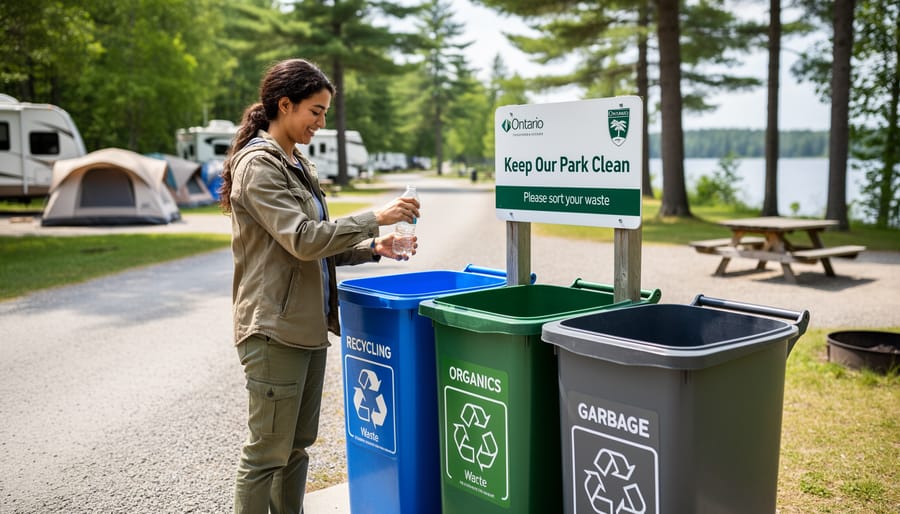
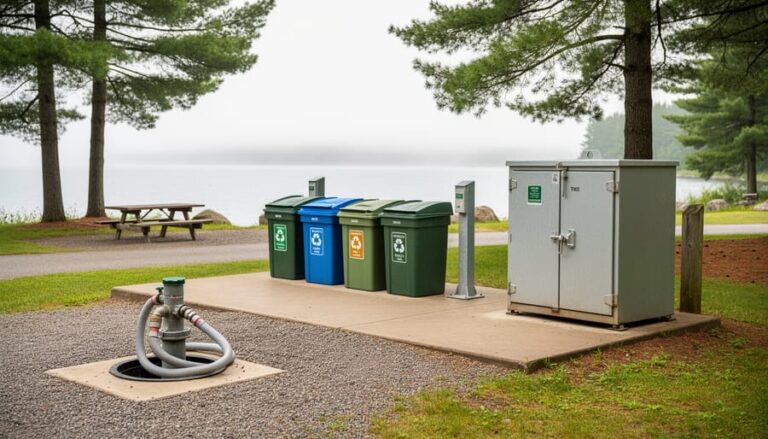
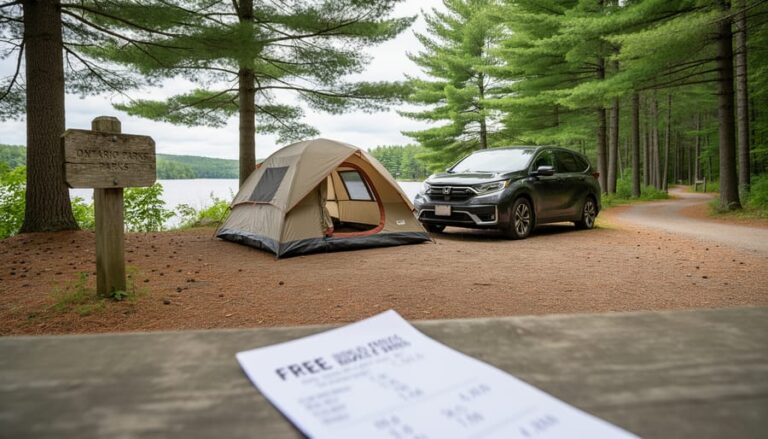
In serviced campgrounds, most car-accessible sites across provincial and regional parks, you’ll find centralized waste stations with clearly marked bins for garbage, recycling, and sometimes organics. These stations typically sit near washroom facilities or at the campground entrance. Park staff empty them regularly, and the system works much like what you’d use at home. You sort your waste, drop it in the appropriate bin, and you’re done. Simple.
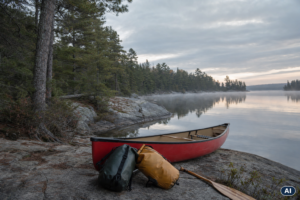
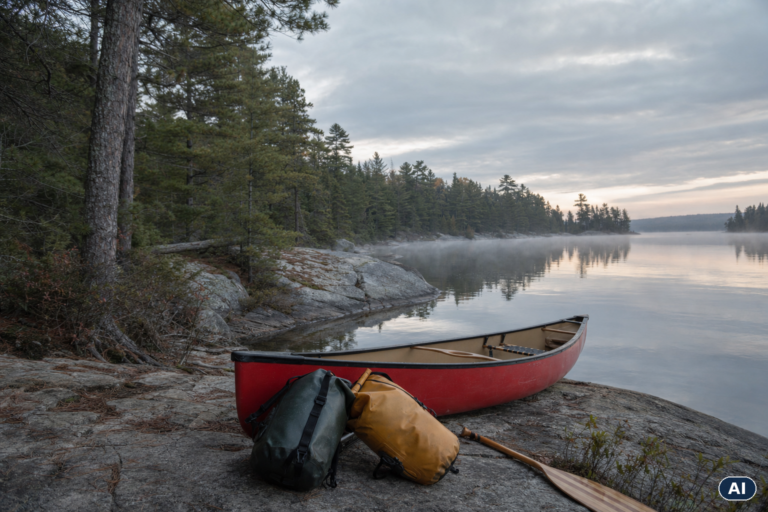
Backcountry sites operate on a completely different principle: pack-in, pack-out. If you carry it into the wilderness, you carry it back out. Period. There are no bins, no collection trucks, no exceptions. Ontario Parks enforces this strictly in areas like Algonquin and Killarney, requiring campers to pack out all garbage including food scraps and biodegradable items. Even an apple core doesn’t belong on the forest floor, it disrupts wildlife diets and introduces non-native seeds.
This dual approach exists for solid reasons. Wildlife protection tops the list. Bears, raccoons, and other animals learn quickly where food sources are. Unsecured waste in campgrounds leads to habituation, dangerous encounters, and sometimes animals being euthanized. The bin systems keep attractants contained and away from campsites. In backcountry areas, where bins aren’t feasible, the pack-out rule prevents animals from ever associating humans with food.
I learned this the hard way on my first Algonquin canoe trip in 2019. I’d assumed “biodegradable” meant I could bury orange peels. A veteran paddler in our group set me straight: everything comes back. Now I pack a dedicated trash bag for every trip, and it’s second nature. Once you grasp the why behind these systems, protecting both wildlife and the landscapes we love, following the rules feels less like a chore and more like basic respect for these incredible spaces.
What Goes Where: Recycling and Garbage in Campgrounds
Food Waste and Organics
Standing at the garbage area after breakfast cleanup on my first Algonquin trip, I watched a veteran camper carefully scrape her plate into a sealed container rather than the open trash bin. “Food waste brings visitors you don’t want,” she explained, nodding toward the treeline. She was absolutely right.
Many Ontario parks now offer green bin programs for organic waste, Sandbanks, Charleston Lake, and Killarney among them. These composting systems handle vegetable scraps, coffee grounds, and even paper towels. The bins have secure latching lids and are emptied regularly before odors accumulate. Always check your specific park’s website before arrival, as programs vary widely.
Where composting isn’t available, food scraps go into garbage, but the critical rule never changes: seal everything tightly and use bear-proof containers at your site until you can dispose of it properly. Parks provide metal lockers or pole systems for a reason. Raccoons are persistent, but bears have extraordinary noses and zero patience for flimsy plastic bags.
The best approach? Generate less food waste in the first place. Plan meals carefully, pack leftovers in coolers between meals, and bring exactly what you’ll use. Grease and cooking oil are particularly problematic, wipe pans with paper towels before washing, then seal those towels in a plastic bag inside your food locker.
Minimizing Your Waste Footprint
My friend Sarah, a veteran of Algonquin Park trips, once told me her camping revolution happened at a grocery store checkout. She stared at her cart full of individual juice boxes, single-serve chips, and pre-packaged trail mix and realized she was packing more garbage than gear. Now she swears by mason jars for snacks, a large water jug instead of bottles, and buying almonds from the bulk bin rather than those wasteful 100-calorie packs.
I adopted her approach on my last Killarney trip, and the difference was striking. Switching to reusable silicone bags cut my trash by half. I packed sandwiches in beeswax wraps, brought bar soap instead of travel-size bottles, and used cloth napkins that doubled as dish towels. The prep took an extra twenty minutes at home, but I spent zero time wrestling with overflowing garbage bags at camp.
The smartest move? Shop your pantry first, then hit a bulk food store for exactly what you need. Bring stackable containers that fit your cooler efficiently. Choose foods with minimal or compostable packaging. One couple I met at Bon Echo brings eggs in a reusable egg carrier and pre-makes meals in glass containers they wash and reuse throughout the week. Their nightly garbage barely filled a sandwich bag.
Small switches add up fast. Ditch the paper towels for Swedish dishcloths. Replace disposable cutlery with a lightweight camping set. Your campsite stays cleaner, wildlife stays safer, and you spend less time at the waste station.
RV Dump Stations Across Ontario Parks
How to Use an RV Dump Station Properly
The first time I approached a dump station, I’ll admit I was nervous. But here’s the truth: once you’ve done it once, it becomes second nature. Let’s walk through the process together.
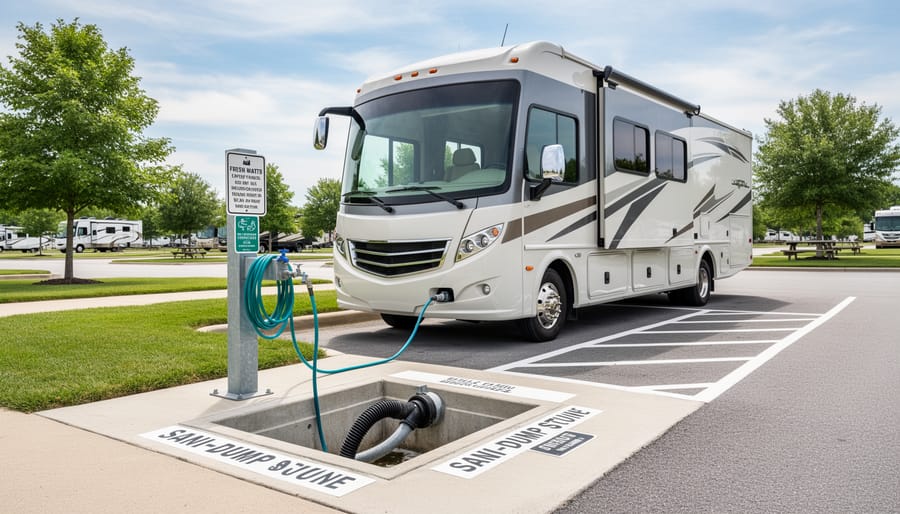
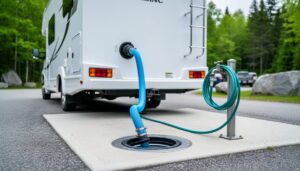
Start by parking your RV close to the dump station opening, but leave yourself room to work comfortably. Before you begin, put on disposable gloves, this is non-negotiable for hygiene and safety. Have your sewer hose ready (most RVers keep a dedicated hose that’s never used for anything else). Attach one end firmly to your RV’s black water tank valve and the other into the dump station opening.
Here’s the sequence that matters: always empty your black water tank (toilet waste) first, then the gray water tank (sink and shower water). The gray water helps flush out your hose. Open the black valve fully and let it drain completely, you’ll know when the flow stops. Close that valve, then open the gray water valve and repeat.
Once both tanks are empty, close all valves before disconnecting your hose. Rinse your hose thoroughly using the provided station hose (never let them touch), then store it in a sealed compartment. Many RV dump stations across Ontario parks have a hose rinse area specifically for this purpose.
Common mistakes? Rushing and creating spills, or forgetting to close valves before disconnecting. Take your time. If you’re looking to find a sani-dump station before your trip, checking ahead means you’ll arrive knowing exactly what to expect.
Most importantly: be patient with yourself and courteous to others waiting. We’ve all been beginners.
Backcountry and Remote Site Considerations
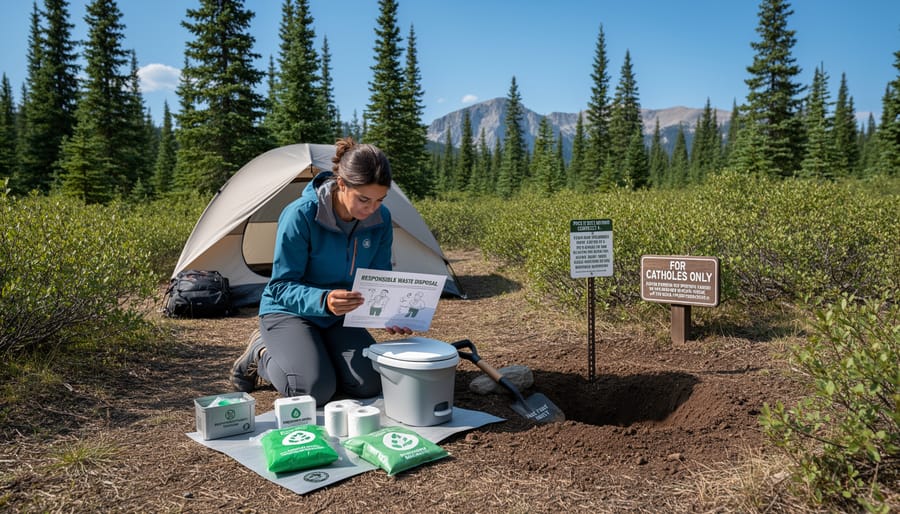
When you’re deep in the backcountry and the nearest garbage bin is a day’s paddle away, waste management becomes personal responsibility in its purest form. Ontario’s wilderness areas operate on a simple principle: whatever you carry in, you carry out, and that includes every scrap of packaging, every orange peel, and yes, even used toilet paper.
Start by packing smart. Repackage meals into reusable containers at home, removing bulky cardboard boxes and excess wrapping before you hit the trail. You’ll be amazed how much lighter your pack-out bag becomes when you’ve eliminated unnecessary packaging from the start. I learned this the hard way on my first Algonquin backcountry trip, hauling out soggy cardboard that had become a disgusting mess in my gear.
For human waste, the cathode method remains the gold standard. Dig a hole six to eight inches deep, at least 200 feet from water sources, campsites, and trails. After use, bury everything except toilet paper, pack that out in a sealed bag. Some experienced wilderness campers now carry lightweight portable toilet systems, which offer more comfort and eliminate any risk of improper disposal near sensitive waterways.
Gray water from dishwashing needs attention too. Strain food particles and pack them out with your garbage, then scatter strained dishwater widely, again at least 200 feet from water. Use biodegradable soap sparingly or skip it entirely, a good scrub with hot water and sand works surprisingly well.
The backcountry rewards those who plan ahead. Bring dedicated waste bags, extra zip-locks for smelly items, and a small trowel. You’ll maintain hygiene, protect wildlife from food odours, and leave those pristine campsites exactly as you found them.
Common Questions About Park Waste & Recycling
Can I bring my garbage home instead of using park bins?
Absolutely, and many experienced campers do exactly that to reduce strain on park facilities. Just make sure everything is securely stored in sealed bags and kept away from wildlife during your stay.
What should I do if the waste bins are overflowing?
Don’t leave bags on the ground, that attracts animals and creates a mess. Contact park staff immediately; they’ll arrange for extra pickup. In the meantime, store your waste in your vehicle or a bear-proof container.
Do I need to sort recyclables at backcountry campsites?
In true backcountry areas with no facilities, everything comes out with you unsorted. Once you’re back at the trailhead or nearest serviced area, then sort your materials into the appropriate bins.
Are there recycling depots near Ontario parks?
Most gateway towns have municipal recycling depots, though locations vary. Check the local municipality’s website before your trip, or ask park staff for the nearest depot if you’re carrying recyclables home.
How do I dispose of hazardous waste like batteries or propane canisters?
Parks don’t accept hazardous materials in regular bins. You’ll need to pack these out and take them to a municipal hazardous waste depot in the nearest town, never toss them in park garbage or recycling.
Can non-campers use RV dump stations at Ontario parks?
Yes, most parks allow day-use access to dump stations for a fee, typically around $15-$25. Some require advance booking or have specific hours, so call ahead to confirm availability.
One question I hear constantly from first-timers is about flexibility. What if you arrive and realize you packed way too much trash potential? Here’s the reality: you can adjust. Many campers make a mid-trip run to a nearby town to drop off excess waste at municipal facilities, especially during longer stays. It’s not ideal, but it happens, and there’s no shame in it.
The key takeaway from all these scenarios is simple, there’s always a solution that doesn’t involve leaving waste behind or contaminating recycling streams. Park staff have genuinely seen it all and are remarkably helpful when you’re unsure. I once watched a ranger patiently explain to a confused camper that their “recyclable” chip bags were actually garbage, and the interaction was friendly, not judgmental. That’s the spirit you’ll find across Ontario parks: everyone wants the same outcome, and a quick question prevents bigger headaches down the line.
Planning Ahead: What to Know Before Your Visit
A little homework before you head out makes waste management effortless when you arrive. Start by visiting the official website of your destination park, most Ontario parks now have detailed facility pages that list exactly what’s available, from recycling stations to RV dump locations. Look for the “Facilities” or “Visitor Information” sections, where you’ll find current details about waste services, hours of operation, and any seasonal variations.
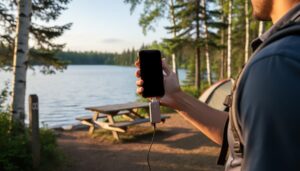
Don’t rely solely on finding information once you’re there. Many parks have limited cell coverage 2026 making it impossible to look things up on the fly. If the website doesn’t answer your questions, call the park office directly, staff can tell you about current conditions, whether dump stations are temporarily closed for maintenance, or if recycling bins are limited during shoulder seasons.
Pack a few essentials that make waste handling easier: reusable bags to sort recyclables in your site, a small bin or container for collecting garbage, and if you’re RVing, your dumping kit with hoses and gloves. Treat waste planning as part of your overall trip prep, right alongside meal planning and gear checks. Knowing what’s available lets you pack smarter and avoid bringing items you’ll struggle to dispose of properly.
Taking care of waste in Ontario’s parks isn’t complicated, it just takes a bit of planning and awareness. Every time you sort your recycling correctly, use a dump station properly, or pack out what you packed in, you’re playing a direct role in preserving the forests, lakes, and trails that make Ontario camping so special. These small, everyday actions add up to something much bigger: protecting natural spaces for your next trip, for your kids’ adventures, and for generations who haven’t even discovered these parks yet.
The good news? Ontario’s park systems make it straightforward. The facilities are there, the guidelines are clear, and the effort is minimal compared to the reward of experiencing pristine wilderness. When you leave a campsite cleaner than you found it, you’re not just following rules, you’re becoming part of a community that genuinely cares about these incredible places.
So pack your reusable containers, familiarize yourself with your destination’s waste systems, and head out with confidence. Ontario’s parks are waiting, and they’ll be even better because you took the time to do your part.






+ There are no comments
Add yours