

Z-standardization is a statistical technique that converts raw booking availability data into a normalized score, helping you identify which campsites have the best chance of opening up despite minimum stay restrictions. Think of it as a heat map for your booking strategy: by analyzing how often sites become available and when gaps typically appear in the reservation calendar, you can calculate a z-score that reveals which parks and dates offer you the highest probability of snagging a spot when someone cancels their reservation.
If you’ve ever watched a coveted campsite at Algonquin or Killarney remain stubbornly booked for weeks, only to see a random Tuesday suddenly open up, you’ve witnessed the pattern that z-standardization helps decode. The method takes the guesswork out of obsessive refresh-clicking by showing you where to focus your energy.
Here’s why it matters for Ontario Parks reservations: minimum stay rules create artificial scarcity, but they also create predictable availability gaps when campers adjust their plans. A three-night minimum requirement means a cancelled four-night booking often leaves behind orphaned single nights that the system won’t let anyone book alone. Z-standardization helps you spot these patterns across different parks, seasons, and day-of-week combinations, turning frustration into a data-driven advantage. Instead of randomly checking your favorite campground every morning, you’ll know exactly which sites historically show the most flux and when to pounce.
What Z-Standardization Actually Means for Campers
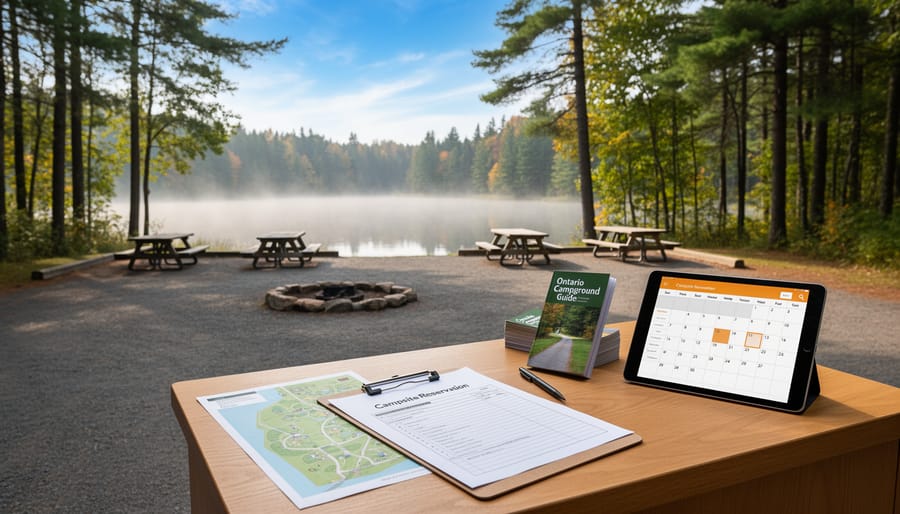
Z-standardization sounds technical, but here’s what it actually does for you as a camper: it takes messy booking data and turns it into a clear signal about which dates are unusually available or unusually busy. Think of it like a weather forecast for campsite bookings, instead of saying “there are 23 sites available on Friday,” z-standardization tells you whether that number is normal, surprisingly high, or weirdly low compared to what typically happens that time of year.
Parks deal with thousands of bookings across dozens of sites, and patterns emerge. Some weekends book solid six months out. Mid-week in shoulder season? Sites sit empty. Z-standardization measures how far any particular date deviates from the average booking pattern. A z-score of zero means totally normal availability. A positive score means more sites are open than expected, maybe cancellations piled up, or demand dropped. A negative score signals tighter-than-usual availability, often because of long weekends or holiday peaks.
For campers hunting for sites in popular parks like Algonquin or Killarney, this matters because it identifies opportunities hidden in the noise. When a date shows a high positive z-score, it means something disrupted normal booking behavior, perhaps a weather forecast scared people off, or a wave of cancellations just hit. Those are your windows. Parks can use the same data to predict when gaps will form and adjust minimum stay rules accordingly, though most don’t yet share this analysis publicly. Understanding the concept helps you think like the system, watching for those statistical quirks that signal an opening worth grabbing.
The Minimum Stay Rule Challenge
If you’ve ever tried booking a summer weekend at Algonquin or Killarney, you’ve probably hit the wall: a two-night minimum stay requirement that blocks out Friday and Saturday unless you can commit to both. During long weekends and peak season, that minimum often stretches to three nights or more. Ontario Parks introduced these rules with good intentions, they reduce administrative churn, give families enough time to settle in and enjoy nature, and help prevent the kind of one-night turnover that strains staff and disturbs neighbouring campers.
The catch? These minimums create a planning puzzle for anyone who doesn’t have a perfectly aligned schedule. If you’re hoping to grab a single night between existing bookings, the system won’t let you. Parks need to balance access with operational reality, and they’ve also implemented maximum stay reductions during busy periods to prevent site-hoarding and open up inventory. But minimum stay rules work in the opposite direction, they lock out short visits even when a site technically sits empty.
Here’s where the friction gets real. Imagine a coveted lakefront site at Presqu’ile: someone books Thursday through Saturday, then another camper reserves Sunday onward. That leaves Friday night open, but you can’t book it because the weekend minimum is two nights. The site goes unused, you miss out, and the park loses revenue. Multiply that scenario across hundreds of sites and thousands of hopeful campers, and you see why understanding these patterns matters. The rules aren’t going away, but knowing how and when gaps form gives you a fighting chance to work around them.
How Availability Gaps Form (And Why They Matter)

Picture this: A family books a lakeside campsite at Algonquin Park’s Mew Lake Campground from Friday, July 12 to Monday, July 15. Another group reserves the same site from Wednesday, July 17 to Sunday, July 21. That leaves Tuesday, July 16 sitting empty, a single-night gap sandwiched between two longer reservations.
This exact scenario plays out hundreds of times across Ontario Parks every summer, creating a frustrating puzzle for everyone involved.
These availability gaps form when booking patterns don’t align perfectly. A camper cancels the middle portion of their stay. Someone shortens their departure date by a day. Two back-to-back reservations were made independently without coordinating arrival and departure times. The result? Islands of availability, often just one or two nights, that appear scattered throughout the booking calendar.
Here’s where the minimum stay rule becomes the villain in our story. That lonely Tuesday night at Mew Lake can’t be booked because the park requires a two-night minimum on summer weekdays. The system literally won’t accept a reservation that doesn’t meet the threshold, even though the site would otherwise sit vacant.
For campers, it’s maddening. You’re flexible enough to take any available dates, but the booking system rejects your perfectly good money because your desired stay is 24 hours too short. You watch that single night remain unbooked week after week, knowing you’d happily fill it.
For park operators, these gaps represent lost revenue and inefficient resource use. Staff still maintain the empty site. The vacancy reduces overall occupancy rates. Yet relaxing minimum stay rules completely would create operational chaos during peak season, making strategic gap management a constant balancing act.
Using Z-Scores to Spot Booking Opportunities

Looking at booking data through a z-score lens transforms what seems like random availability into predictable patterns. When a booking window shows statistically unusual openings, dates that fall outside the normal distribution of reservations, that’s your signal. A high positive z-score means exceptionally heavy demand (avoid), while a negative z-score flags lighter-than-expected bookings where you’ll find opportunities.
Here’s how to apply this thinking to your Ontario Parks reservations:
- Track historical patterns by checking the same campground across multiple weekends or comparing similar parks during the same season. Notice when certain dates consistently show more openings than others, that’s your baseline demand curve.
- Identify outliers by looking for dates that break the pattern. A Tuesday in July with open sites when surrounding days are booked solid? That’s a statistical deviation worth investigating. Mid-week gaps often appear because they don’t fit most campers’ Friday-to-Sunday plans.
- Time your booking attempts around when these anomalies typically appear. Parks often release previously blocked sites 2-4 weeks before arrival as they adjust minimum stay requirements based on actual booking patterns. If demand shows a negative deviation from expected levels, operators may relax rules to fill gaps.
The real advantage comes from recognizing that partial availability isn’t random, it follows patterns you can learn. A campground that’s 85% full is statistically more likely to have its minimum stay waived than one at 40% capacity, because operators want to fill those last sites. Similarly, dates immediately following long weekends often show unusual availability as campers extend their stays unevenly, creating bookable gaps.
Check the reservation system during off-hours (early morning, late evening) when cancellations have just posted but fewer people are searching. Those fresh openings represent statistical outliers in real-time, temporary deviations from normal availability that disappear fast.
Strategies for Navigating Minimum Stays and Gaps
Once you understand how minimum stays and gaps work, you can flip them to your advantage. Start by building flexibility into your trip planning. If you’re locked into specific dates, you’re fighting the system. Instead, identify a two-week window when you’d like to camp and check availability every few days. Gaps appear and disappear as other campers adjust their bookings, and you want to be ready when one matches your needs.
Set alerts through the Ontario Parks reservation system. While the platform doesn’t offer automated notifications, bookmark your target parks and check morning and evening, cancellations typically process overnight. Tuesday and Wednesday mornings see the most booking changes as weekend warriors abandon overly optimistic plans.
Consider splitting your stay across two sites or parks rather than forcing a continuous booking. You’ll pack up once mid-trip, but you gain access to dates that would otherwise remain blocked. This strategy works especially well if you’re already planning to explore multiple areas.
Mid-week camping solves multiple problems at once. Monday through Thursday stays avoid minimum requirements at most parks, cost less, offer quieter trails, and reduce your environmental footprint by spreading visitor impact across the week instead of concentrating everyone on Saturday. You’ll find better site selection and won’t need to factor in premium weekend fees or vehicle permits that spike during high-demand periods.
When gaps appear but don’t meet minimums, call the park directly. Reservation agents sometimes have discretion to book orphaned nights within 48 hours of arrival, particularly if it means full occupancy. Be polite, explain you’re flexible, and ask if they’re waiving minimums for that specific gap. It won’t always work, but it costs nothing to ask.
Frequently Asked Questions
Can minimum stay requirements be waived?
Ontario Parks rarely waives minimum stay rules, but short availability gaps that don’t meet the minimum sometimes become bookable as single nights closer to the arrival date. Your best bet is checking frequently for cancellations during the window when parks process E-Refunds.
How often do availability gaps appear?
Gaps form constantly as bookings shift and cancel, but they’re most common 2-4 weeks before arrival when campers finalize plans. Peak season weekends see more gaps because of the complex puzzle of overlapping minimum stay bookings.
What’s the cancellation and refund window?
Most Ontario Parks sites allow cancellations with partial refunds up to a few days before arrival, though some popular parks enforce no refunds policies during peak season. Check your specific park’s cancellation terms when booking.
Do all Ontario Parks have the same minimum stay rules?
No. Each park sets its own policies based on demand and seasonality. High-demand parks like Algonquin enforce stricter minimums during summer weekends, while smaller parks might have no weekend minimums at all or relax rules mid-week.
The answers above reflect real booking dynamics across Ontario Parks. If you’re hunting for that perfect campsite, understanding these patterns gives you an edge, especially when you combine flexible dates with persistent checking during high-turnover periods.
Understanding z-standardization transforms camping reservations from a frustrating lottery into a strategic process. When you grasp how booking patterns fluctuate around statistical norms, you gain the insight needed to spot opportunities others miss. Those seemingly random availability gaps become predictable windows, and minimum stay rules shift from barriers to guideposts for planning smarter trips.
The real prize here goes beyond securing a coveted weekend site. Mid-week camping offers quieter trails, easier parking, more attentive park staff, and gentler impact on sensitive ecosystems. When you embrace flexible dates, you discover Ontario’s parks at their most authentic, without the shoulder-to-shoulder crowds that define peak season.
Ontario’s provincial parks span incredible diversity, from Lake Superior’s rugged shores to the gentle rivers of the south. Each park has its own rhythm, its own booking patterns, its own sweet spots when the stars align for availability. Armed with your new understanding of how these systems work, you’re ready to explore them all. Pack your gear, check those availability calendars with fresh eyes, and claim your perfect spot in Ontario’s wilderness. The parks are waiting.












+ There are no comments
Add yours