

Picture this: You’ve just booked that dream camping trip to Algonquin Park, only to realize your dates conflict with a family wedding. Your stomach drops as you scan the confirmation email and spot those dreaded words: “No refunds.” Sound familiar?
No refunds policies are increasingly common across Ontario’s parks and tourism attractions, and they catch thousands of visitors off guard every year. Whether you’re staring down a non-refundable booking right now or planning ahead to avoid this headache, understanding these policies can save you serious money and stress.
The good news? Most no refunds policies aren’t as ironclad as they seem. Parks Ontario and private operators often have hidden exceptions, transfer options, and little-known workarounds that customer service representatives will share if you know what to ask. Some situations, like medical emergencies or extreme weather closures, may qualify for refunds even when the policy says otherwise.
This guide walks you through real examples of no refunds policies at Ontario’s most popular parks and attractions, reveals the exceptions that websites don’t advertise, and shares insider strategies for protecting yourself before you click “confirm booking.”
Why Ontario Parks Has a No Refunds Policy
I’ll be honest with you—the first time I encountered Ontario Parks’ strict no refunds policy, I felt frustrated. I’d booked a weekend camping trip months in advance, only to have work suddenly demand I be in the office. Two hundred dollars, gone. But after chatting with a park ranger during a later visit, I gained a completely different perspective on why these policies exist.
The reality is that Ontario Parks operates more than 330 parks across a massive province, and the logistics are mind-boggling. When you book a campsite or reserve a spot for a popular trail experience, that space becomes unavailable to everyone else. During peak season—think July long weekends or fall colour tours—campsites sell out within hours, sometimes minutes. If someone cancels last-minute, there’s often no time to rebook that spot, which means lost revenue that funds park maintenance, conservation programs, and those beautiful trails we all love.
Here’s an insider tip I learned: the parks system runs on incredibly tight budgets. Your reservation fees don’t just cover your stay—they support wildlife habitat restoration, invasive species management, and keeping washroom facilities clean. When refunds are issued freely, it creates a domino effect. People make multiple “just in case” bookings with plans to cancel later, which blocks genuine visitors and creates administrative nightmares for already-stretched park staff.
Think of it like a restaurant reservation. If half the tables cancel at 6 PM on Saturday night, that restaurant loses money it could never recover. Ontario Parks faces the same challenge, except they’re also protecting natural spaces for future generations. The no refunds policy encourages thoughtful booking and ensures resources go toward conservation rather than processing endless cancellation requests. Understanding this doesn’t make losing money easier, but it does make the policy feel less arbitrary.
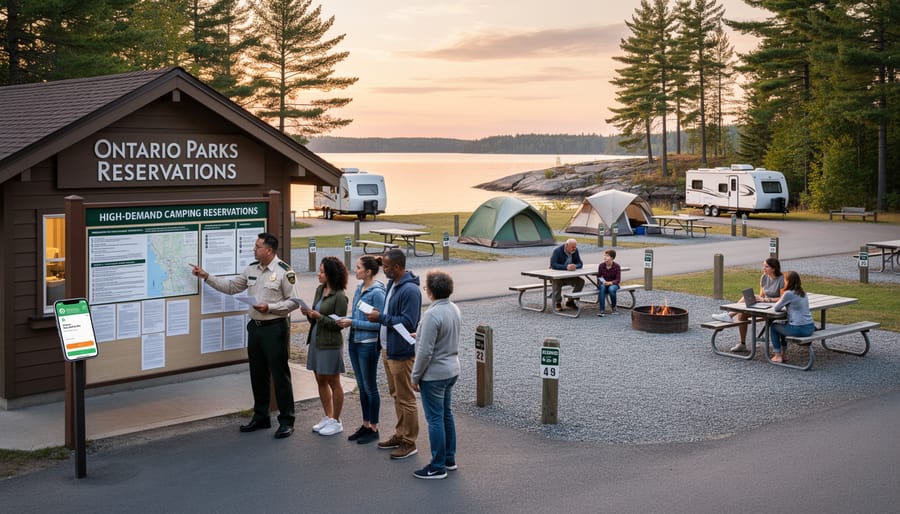
What the No Refunds Policy Actually Covers
Campsite Reservations
Here’s something I learned the hard way during my first camping trip planning adventure: that initial reservation fee you pay? It’s typically non-refundable, even if you cancel months ahead. Ontario Parks, for instance, operates on a firm no-refund policy where your reservation fee (usually around $13) disappears the moment you book, whether or not you actually show up to roast marshmallows.
The real sting comes if life throws you a curveball after you’ve paid for your entire stay. Most provincial and private campgrounds won’t return your campsite fees if you cancel, regardless of the reason. I once had a friend lose $200 when unexpected car trouble derailed their family camping weekend. The policy clearly stated: no refunds, no exceptions, no matter how legitimate your emergency.
Here’s an insider tip that saved me once: some parks allow you to modify your reservation dates for a small fee rather than canceling outright. It’s not advertised widely, but it’s worth asking about. Also, booking closer to your actual travel dates reduces your risk exposure. Sure, you might miss prime spots during peak season, but you’ll sleep better knowing you’re not gambling with hundreds of dollars on unpredictable weather or sudden work commitments.
Day-Use Permits and Attraction Passes
Day-use permits and attraction passes typically come with strict no-refund policies, and here’s why: these permits are date-specific and capacity-limited. When you book a vehicle pass for a popular park on a sunny Saturday, you’re holding a spot that someone else might desperately want. I learned this the hard way when I purchased a day pass for Algonquin Park during fall colours season, then got sick the night before. The pass was non-refundable, but here’s an insider tip: some parks allow you to transfer your permit to another person, so I posted mine in a local community group and someone gratefully used it.
Before purchasing, always check if the permit can be rescheduled for another date within the same season. Many attractions offer this flexibility for a small administrative fee. Pro tip: consider purchasing travel insurance that covers prepaid recreational activities if you’re booking expensive attraction passes well in advance. And here’s an eco-friendly suggestion: if your plans change, gift your unused permit to friends or donate it to a youth outdoor program rather than letting it go to waste.
Special Events and Programs
When you book a guided nature walk, photography workshop, or special park program, most venues enforce strict no-refund policies—and here’s the honest truth about why. These experiences require park staff to prepare materials, limit group sizes for quality interactions, and sometimes close off areas to the general public. I learned this the hard way when I had to cancel a birding tour at sunrise due to a family emergency. No refund, no reschedule.
However, insider tip: many programs offer a credit system instead. If you contact the organizers at least 48 hours before your event, they might apply your payment toward a future program. Some parks also allow you to transfer your spot to a friend or family member—just ask!
For educational programs involving schools or groups, policies tend to be more flexible since they’re booked months in advance. Always read the fine print before confirming, and consider purchasing event insurance for pricier workshops. Rain or shine, most outdoor programs run as scheduled, so pack accordingly and embrace the adventure whatever nature brings your way.
The Exceptions You Should Know About
Here’s something most people don’t know: even the strictest no-refunds policies have cracks where sunlight gets through. I learned this firsthand when a friend’s father passed away the day before their planned Algonquin camping trip. What seemed like a lost $400 reservation turned into a full credit after a compassionate conversation with park staff.
Extreme weather events top the list of legitimate exceptions. When Environment Canada issues severe weather warnings that make travel genuinely dangerous, or when ice storms close highways leading to parks, many facilities will work with you. I’ve seen Ontario Parks offer rain checks for severe tornado warnings and unexpected flooding that rendered campsites unusable. The key is documentation. Screenshot those weather alerts and highway closure notices before contacting the park.
Park closures due to circumstances beyond anyone’s control also open doors for exceptions. Think forest fires requiring evacuations, infrastructure failures like water system breakdowns, or emergency maintenance issues. If the park literally cannot provide what you paid for, you’ve got solid ground to request accommodation.
Medical emergencies affecting immediate family members often qualify for consideration, though you’ll typically need to provide documentation. A hospital admission letter or doctor’s note goes a long way. Parks understand that life happens, and most staff genuinely want to help when circumstances are truly beyond your control.
Here’s my insider tip for approaching these situations: call rather than email, speak calmly and factually, and ask specifically for credit toward a future visit rather than demanding cash refunds. Park managers have more flexibility with credits than actual refunds. I’d estimate your success rate jumps from about 10 percent to 60 percent with this approach.
Timing matters too. Contact them immediately when the situation arises, not weeks later. The closer to your reservation date, the more understanding you’ll typically receive. And remember, kindness and honesty work better than aggressive demands. These are real people who deal with policies they didn’t create, and treating them with respect can make all the difference.

Your Transfer and Cancellation Options
Transferring Your Reservation to Someone Else
Here’s some great news if your plans change: many Ontario parks allow you to transfer your reservation to someone else, even when refunds aren’t available. I discovered this option last summer when a family emergency meant we couldn’t make our camping trip, and a colleague was thrilled to take our spot!
The process is refreshingly straightforward. Log into your reservation account and look for the “Transfer Booking” option, typically found in your booking details. You’ll need the recipient’s full name, contact information, and sometimes their driver’s license or ID number. Most park systems require transfers to be completed at least 48 to 72 hours before your check-in date, so don’t wait until the last minute.
Here’s the insider scoop: transfer fees usually range from $10 to $25, which is considerably better than losing your entire deposit. Some parks waive this fee entirely for transfers made more than two weeks in advance. The person receiving the reservation must meet all the same requirements you did when booking, and they’ll need to present valid ID upon arrival.
One eco-friendly tip: consider posting your transferable reservation on local community boards or social media groups dedicated to Ontario outdoor enthusiasts. You’ll help someone discover nature while avoiding waste, and you might even make a new friend who shares your love for the great outdoors.
Changing Your Dates or Location
Here’s the good news: most Ontario parks understand that life happens, and many offer flexibility if you need to adjust your plans. While refunds might be off the table, changing your reservation dates or location is often possible with a bit of advance notice.
Typically, you can modify your booking up to a certain number of days before your arrival, usually between 3 to 14 days depending on the park. Here’s an insider tip: the earlier you make changes, the better. I once had to shift my Algonquin camping trip by a week due to unexpected family commitments, and because I called 10 days ahead, I only paid a small administrative fee of around $12 rather than losing my entire deposit.
Most parks charge a modification fee ranging from $10 to $25 per change. It’s not ideal, but it beats forfeiting everything. If you’re switching to a less expensive site or off-peak dates, you’ll usually receive a credit toward future bookings rather than cash back.
Best practice? Book with wiggle room in your schedule when possible. Also, consider purchasing travel insurance that covers cancellations for medical emergencies or unexpected events. Some eco-conscious travelers I know actually plan flexible “staycation weekends” closer to home as backup options, reducing their carbon footprint while maintaining vacation plans. Always read the specific modification policy when booking, and save that confirmation email with all the fine print.
Smart Strategies to Protect Your Investment
Nobody likes throwing money away, but I’ve learned some clever ways to protect yourself when booking outdoor adventures with strict no-refunds policies. These strategies have saved me and countless friends from heartbreak when plans go sideways.
First up, timing is everything. Many parks and tour operators offer booking windows with different cancellation terms. I always check if there’s a premium flexible option available, even if it costs a bit extra. That $15 booking flexibility fee might seem unnecessary until a family emergency pops up three days before your kayaking trip. Think of it as trip insurance built right in.
Here’s an insider tip: book during shoulder seasons when weather is more predictable. Planning your Ontario canoe trip for late May or early September rather than unpredictable April means you’re less likely to face those awful conditions that leave you wanting to cancel. Plus, you’ll dodge the summer crowds.
Weather watching becomes your new hobby once you’ve paid non-refundable deposits. I’m talking about checking long-range forecasts starting two weeks out. If severe weather looks likely, some operators will proactively reschedule rather than dealing with disappointed guests. Don’t be shy about reaching out to discuss concerns early.
Travel insurance specifically covering outdoor recreation is worth investigating, though read the fine print carefully. Some policies cover trip cancellations due to illness or injury, but won’t cover simple changes of heart. Look for “cancel for any reason” coverage if maximum flexibility matters to you.
Finally, consider the credit card you’re using. Several travel rewards cards include built-in trip cancellation protection when you book through them. I discovered this accidentally and recovered funds from a camping reservation I thought was lost forever. Check your cardholder benefits before booking.
What This Means for Your Trip Planning
Understanding no-refunds policies doesn’t mean you have to stress about your trip plans. Think of it as an opportunity to become a more thoughtful, intentional traveler. Here’s how I approach booking adventures when refunds aren’t on the table.
First, embrace the “book closer” strategy. While snagging early-bird deals feels great, booking three to four weeks out instead of three months gives you a much better read on weather patterns and personal circumstances. I learned this the hard way after prepaying for a canoe trip in April, only to face unseasonably cold May weather that made paddling miserable.
Create what I call a “flexibility fund” in your trip budget. Set aside 10-15% extra that you’re mentally prepared to lose if plans change. This psychological buffer makes non-refundable bookings feel less risky and helps you make clearer decisions about what’s worth prepaying for.
Here’s an insider tip that aligns beautifully with sustainable tourism: choose experiences close to home first. Ontario residents have incredible natural spaces within a few hours’ drive. Shorter distances mean lower cancellation stakes, reduced carbon footprints, and the ability to reschedule more easily. That provincial park two hours away? Much easier to commit to than a cross-province expedition.
Always purchase travel insurance for bigger trips, but read the fine print carefully. Most policies cover medical emergencies and unexpected job loss, but not simple changes of heart. Finally, screenshot confirmation emails and policy details immediately. You’d be surprised how often having this documentation helps you navigate exceptions you didn’t know existed.

Now that you understand how no-refund policies work, you’re already ahead of the game. Knowing these rules before you book means you can plan smarter, choose the right permits for your needs, and avoid those heart-sinking moments when plans fall apart. Here’s my insider tip from years of exploring Ontario’s parks: book your reservations during the shoulder seasons, typically late spring or early fall. These periods offer more flexible cancellation windows and lower demand, meaning you’ll often find last-minute availability if you need to reschedule. Sure, the no-refund policy might feel strict at first, but here’s the thing: Ontario’s stunning wilderness, pristine lakes, and incredible trail systems are absolutely worth the commitment. When you’re watching the sunrise over Algonquin or paddling through crystal-clear waters, you’ll understand why protecting these spaces requires thoughtful planning from all of us. So go ahead, make that booking with confidence, knowing you’ve got the knowledge to navigate the system successfully.





+ There are no comments
Add yours