
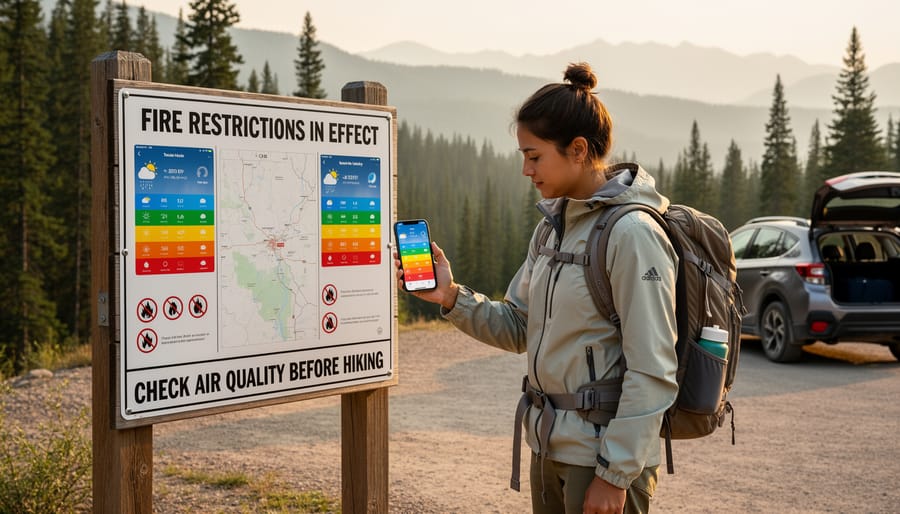
Check Environment Canada’s Air Quality Health Index before heading out—ratings above 7 mean wildfire smoke has arrived, and you’ll need to adjust your plans accordingly. Download the mobile app or bookmark the provincial fire information map to monitor active fires near your destination, since smoke can travel hundreds of kilometers from the burn site and transform a pristine hiking day into a hazy, throat-burning experience.
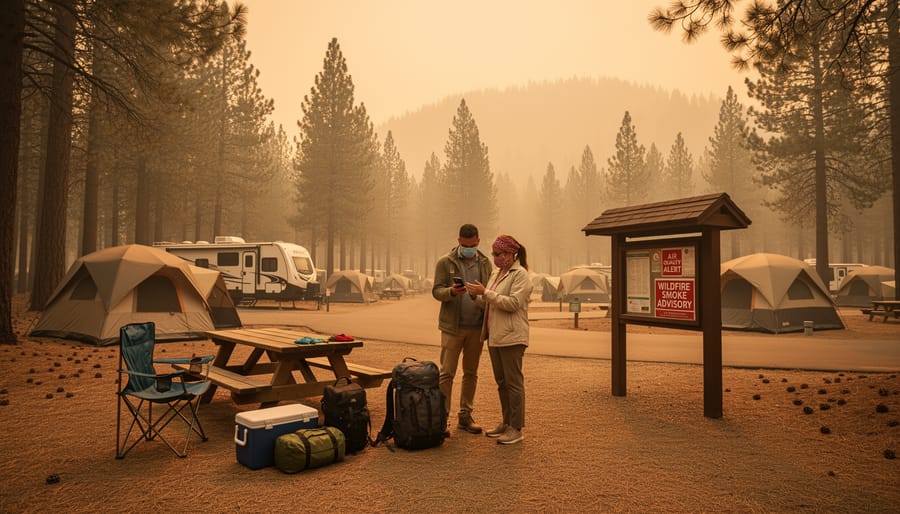
Recognize the warning signs once you’re outside: if you can smell smoke, see a visible haze reducing visibility, or notice ash falling like grey snow, the air quality has deteriorated enough to affect your health. Your eyes might water, your throat could feel scratchy, and breathing may become uncomfortable during physical activity—these aren’t just minor annoyances but signals that particulate matter is entering your respiratory system.
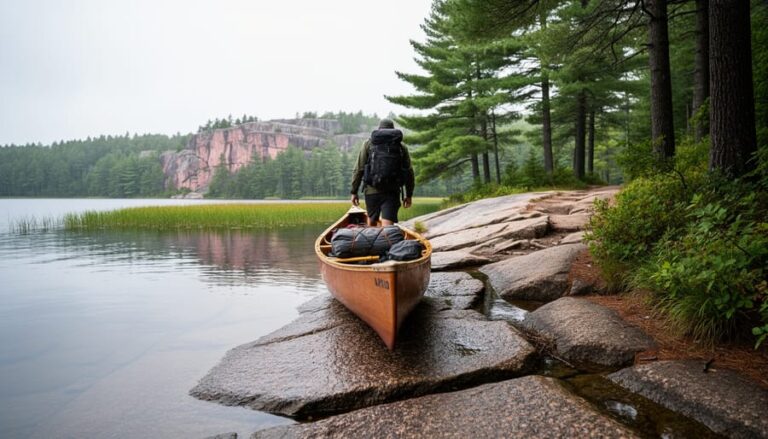
Adapt your outdoor adventures rather than canceling them entirely. Swap that strenuous backcountry trek for a leisurely paddle on a calm lake where exertion stays moderate, or explore indoor attractions like museums and covered markets until conditions improve. Morning hours typically offer the clearest air since smoke often settles into valleys overnight and lifts by late afternoon, giving you a strategic window for shorter excursions.
Keep N95 or KN95 masks in your camping gear and vehicle—cloth masks won’t filter the tiny smoke particles that cause respiratory problems. Vulnerable travelers, including children, older adults, and anyone with asthma or heart conditions, should take air quality advisories seriously and choose alternate activities without hesitation, because Ontario’s natural wonders will still be here when the skies clear.
Understanding Fire Restrictions in Ontario Parks
What Triggers a Fire Ban
Fire bans don’t appear out of nowhere – they’re carefully triggered by specific environmental conditions that create dangerous fire risks. Understanding what sparks these restrictions can help you anticipate them and plan your outdoor adventures more effectively.
The main culprit is drought. When Ontario experiences extended dry periods, vegetation becomes tinder-dry and incredibly flammable. Forest fire officials monitor something called the Fire Weather Index, which combines rainfall data, temperature, and how dry the forest floor has become. I’ve noticed that after just two weeks without significant rain during summer, you’ll start seeing preliminary warnings pop up.
Wind speed plays a huge role too. Strong winds can turn a small campfire into a raging forest fire in minutes, carrying embers across vast distances. That’s why you’ll often see fire bans issued when Environment Canada forecasts sustained winds above 20 km/h, even if other conditions seem manageable.
Humidity levels matter more than most people realize. When relative humidity drops below 25-30 percent, fires spread incredibly fast and become nearly impossible to control. These bone-dry conditions typically occur during heat waves.
Regional fire activity is the final piece of the puzzle. If nearby areas are already battling wildfires, officials often issue preemptive bans to prevent additional strain on firefighting resources.
Here’s an insider tip: bookmark Ontario’s fire regions map and check it every morning before heading out. The situation can change overnight. I also follow local conservation authority social media accounts – they often post updates before official websites get refreshed, giving you a head start on adjusting your plans.
What You Can (and Can’t) Do During Restrictions
Understanding what’s off-limits during fire restrictions doesn’t mean your outdoor adventure is ruined – it just means getting creative! Let me break down what you need to know so you can adapt your plans and still enjoy Ontario’s incredible wilderness.
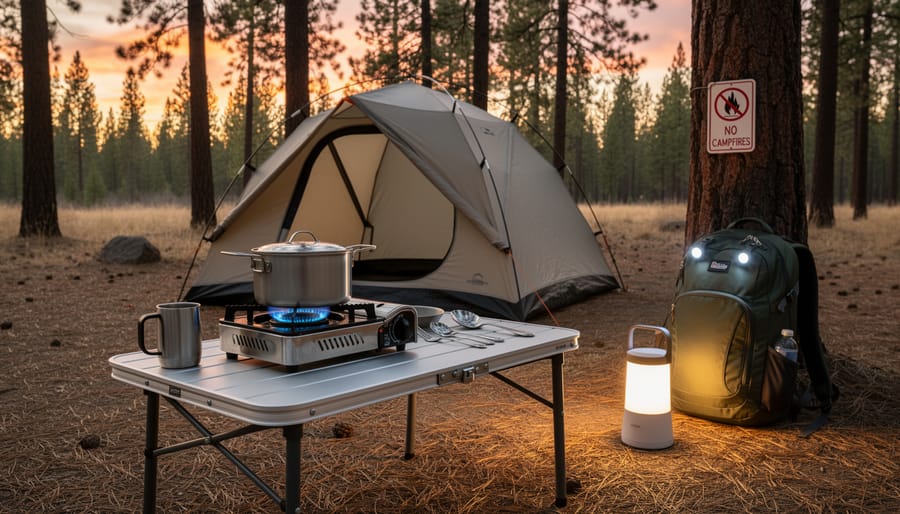
When a fire ban is in place, all open fires are prohibited. That means no campfires, no burning of yard waste, and definitely no fireworks. Here’s the good news: most restrictions still allow portable gas or propane stoves with a shut-off valve. These little workhorses are your best friend during restrictions – I’ve made countless delicious camping meals on mine, from morning pancakes to evening chili.
During less severe restrictions, you might still be able to use contained fire pits or grills at designated campgrounds, but always verify with park staff first. The rules can change quickly based on conditions, and what was okay yesterday might not be today.
For staying warm on cooler evenings, layer up with quality outdoor clothing and bring extra blankets. A good sleeping bag rated for the season works wonders. Some campers swear by propane-powered patio heaters for their campsite setup – just ensure they’re used safely and away from flammable materials.
Absolutely prohibited activities during any level of restriction include using charcoal briquettes in non-designated areas, burning garbage or debris, and leaving any fire source unattended. Even if you see locals or other campers bending these rules, don’t risk it – fines can reach thousands of dollars, and more importantly, you could spark a devastating wildfire.
Here’s an insider tip: download the Ontario Parks app before heading out. It provides real-time updates on restrictions at specific locations, helping you pack the right gear and set realistic expectations for your trip.
Reading the Air Quality Index Like a Local
When Smoke Should Change Your Plans
I learned this lesson the hard way during what was supposed to be a spectacular canoe trip in Algonquin. The AQI hit 150, and I stubbornly paddled anyway, thinking I’d tough it out. Big mistake. My throat burned for days afterward, and I barely remember the scenery through the haze.
Here’s what those numbers actually mean for your adventures: An AQI between 0-50 is your green light for any activity. At 51-100 (moderate), most people are fine, but sensitive groups should consider lighter activities. When it climbs to 101-150 (unhealthy for sensitive groups), children, seniors, and anyone with asthma or heart conditions should stick to indoor plans. Above 150? Time for everyone to reschedule.
I’ve found that kids are often the first to show signs of struggling, getting unusually tired or complaining about scratchy throats. Pay attention to these signals, even if the numbers seem borderline acceptable.
The good news? Ontario’s smoke events rarely last more than a few days. I’ve successfully shifted weekend camping trips to weekdays when conditions improved, and once transformed a planned hiking adventure into a fantastic culinary tour of small-town restaurants instead. One family I met rescheduled their Muskoka kayaking trip by just four days and enjoyed perfectly clear skies.
Check the forecast trends, not just current conditions. If the AQI is dropping, you might delay your departure by a morning. If it’s climbing, don’t chance it. Your lungs will thank you, and the trails will still be there tomorrow.
Smart Ways to Check Conditions Before You Go
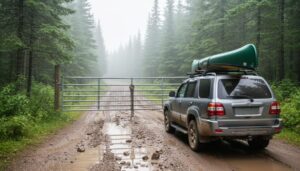
Nobody wants to drive three hours north only to discover their campsite’s closed due to smoke or fire restrictions. Trust me, I learned this lesson the hard way when I showed up at a backcountry access point only to find it locked tight because of nearby wildfires. Now I’m a bit obsessive about checking conditions before you go, and I’ve got a system that takes less than five minutes.
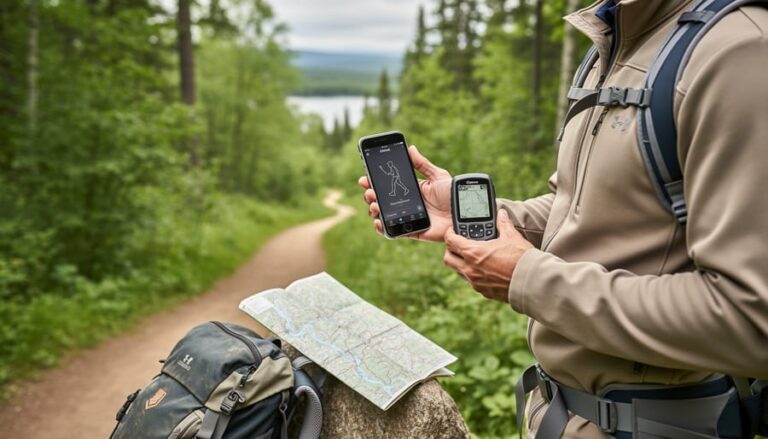
Start with the Ontario Parks website, which posts real-time alerts about fire bans and closures. Bookmark the specific page for your destination park because conditions can change literally overnight. I check it the night before departure and again in the morning before loading the car.
Download the free Weather Network app and enable air quality notifications for your destination area. The Air Quality Health Index updates hourly and will ping you if conditions deteriorate. For fire restrictions specifically, the Ontario Ministry of Natural Resources posts daily updates on restricted fire zones.
Here’s an insider tip: follow your destination park’s official social media accounts. Parks staff often post immediate updates about smoke conditions or temporary fire bans faster than websites get updated. Last summer, I caught a Facebook post about improved air quality that meant I could proceed with my trip when the main website still showed the previous day’s warning.
Check multiple sources because no single platform tells the whole story. Cross-reference government weather sites with local news and park advisories. Conditions shift rapidly during fire season, so information from yesterday morning might be completely irrelevant by afternoon.
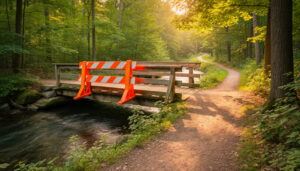
Also worth checking: trail closures and alternatives in case smoke has forced temporary path restrictions. Being informed means you can adapt your plans rather than cancel them entirely.
Adapting Your Outdoor Adventure When Smoke Rolls In
Low-Impact Activities for Smoky Days
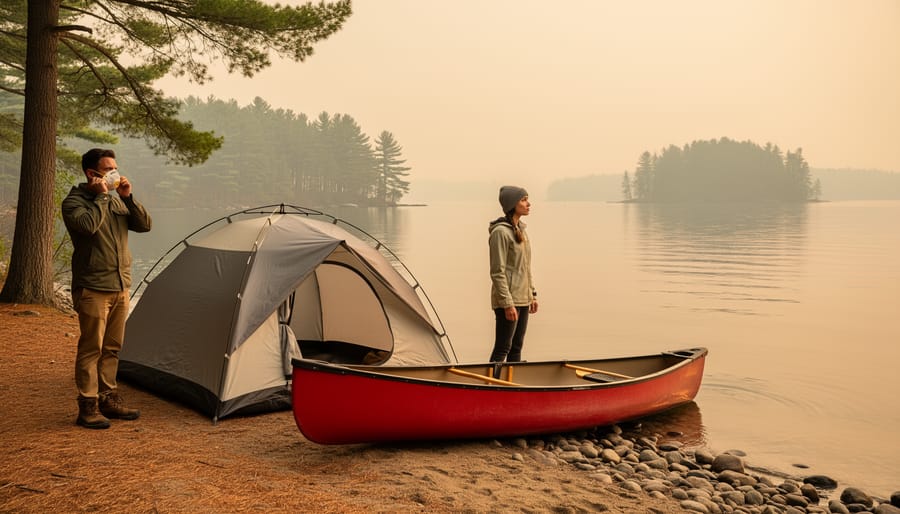
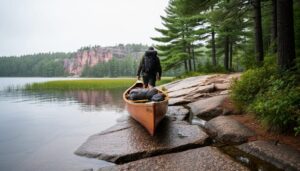
When smoke settles in, you don’t have to abandon your park plans entirely. Consider switching gears to water-based activities like canoeing or kayaking on calm lakes, where you’ll stay cooler and benefit from naturally higher humidity near the water. The moisture in the air actually helps trap some particulate matter closer to the surface.
Shorter interpretive trails near visitor centers offer quick nature fixes without overexertion. At many Ontario parks, you’ll find fantastic indoor alternatives like heritage buildings, nature centers with interactive displays, and cozy theaters showing wildlife documentaries. I’ve spent surprisingly delightful afternoons exploring interpretive exhibits I’d previously rushed past.
Insider tip: Visit during early morning hours when air quality is typically better and temperatures are cooler. Photography near water features creates stunning misty atmospheres during smoky conditions, though prioritize your health over the perfect shot.
Park staff often run indoor programming like guided workshops, cultural demonstrations, or ranger talks that provide rich experiences without outdoor exposure. Check with your destination’s visitor center about scheduled programs, many of which are free with your park pass.
Eco-Friendly Camping Without Campfires
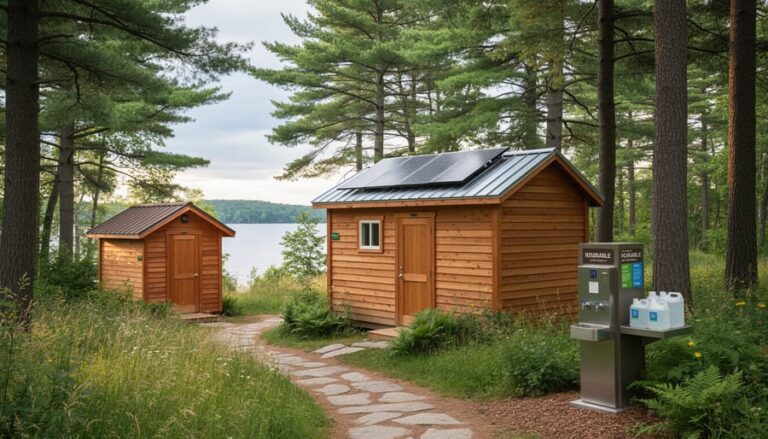
When fire bans are in effect or you’re simply wanting to minimize your environmental impact, you can still create that cozy camping atmosphere without a traditional campfire. I’ve discovered that LED lanterns with warm amber settings perfectly capture that flickering glow we all love, and they’re safer to leave on while you drift off to sleep in your tent. Solar-powered string lights are another game-changer – charge them during the day and enjoy soft lighting all evening without batteries or fuel.
For cooking, portable propane or butane camp stoves are typically permitted even during fire restrictions (always check current advisories first), and they’re far more efficient than open flames. If you’re really embracing the eco-friendly approach, solar ovens work surprisingly well for daytime meals, and they leave absolutely no trace. I’ve even packed cold meal kits for trips when fire danger is extreme – think gourmet wraps, pasta salads, and no-cook camping recipes that taste amazing without heating.
The insider tip? Embrace the opportunity to actually see the stars without smoke obscuring your view. Some of my most memorable camping nights happened without a fire, just good conversation under incredible Ontario night skies with a thermos of hot cocoa prepared before leaving home.
Protecting Yourself and Your Family from Wildfire Smoke
Your health comes first when you’re enjoying Ontario’s beautiful outdoors, especially when wildfire smoke rolls in. I learned this lesson during a canoe trip in Algonquin when smoke from distant fires turned the sky hazy – we had to adjust our plans, but we stayed safe and still had a memorable experience.
Start by recognizing the warning signs your body gives you. If you notice stinging eyes, a scratchy throat, headaches, or unusual shortness of breath, that’s smoke affecting you. Some people experience dizziness or chest tightness. Children, older adults, and anyone with asthma or heart conditions are particularly vulnerable and should take extra precautions.
When smoke levels are moderate, a properly fitted N95 or KN95 respirator makes a real difference – just note that bandanas and cloth masks don’t filter out those tiny smoke particles effectively. You’ll find these respirators at most hardware stores, and it’s worth keeping a few in your camping kit year-round.
Hydration becomes even more critical when breathing smoky air. Your body works harder to filter irritants, so drink water more frequently than usual. Keep a filled water bottle handy and sip regularly, even if you don’t feel thirsty.
Consider moving your activities to early morning when smoke often settles higher in the atmosphere. If conditions worsen during your trip, don’t tough it out – heading to an air-conditioned building or cutting your adventure short isn’t giving up, it’s being smart. Local visitor centers, libraries, and restaurants can provide temporary refuge.
Trust your instincts. If the smoke is thick enough that you can smell it strongly or visibility drops significantly, that’s nature telling you it’s time to postpone your outdoor plans. Ontario’s wilderness will be waiting for you when clearer skies return.
Being Part of the Solution
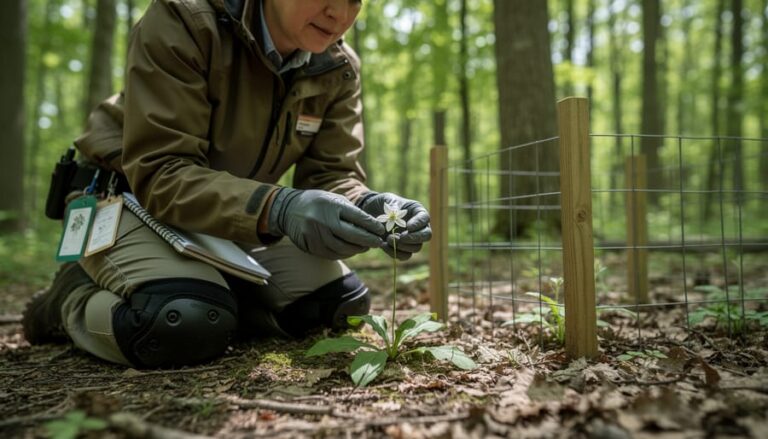
Here’s the truth that makes every outdoor adventure possible: you’re not just a visitor to Ontario’s wilderness—you’re a vital guardian of it. Every time you step onto a trail or paddle across a lake, your actions ripple outward, either protecting these incredible spaces or putting them at risk.
Think of fire prevention as your personal superpower. It starts with the seemingly small stuff that makes a massive difference. If you smoke, carry a portable ashtray or sealed container—never toss cigarette butts on the ground, even if you think they’re fully extinguished. Those innocent-looking butts have sparked devastating wildfires. Similarly, if you’re camping during permitted times, keep your campfire small, never leave it unattended, and drown it completely until the ashes are cold to touch.
Here’s an insider tip that could save thousands of acres: program the Ontario wildfire reporting line into your phone before heading out. If you spot smoke or flames, every minute counts. Your quick call to 310-FIRE (within Ontario) could mean the difference between a small, containable fire and a landscape-changing disaster.
Understanding why these restrictions exist transforms compliance from a chore into a privilege. Ontario’s forests, wetlands, and grasslands have evolved over millennia—they’re irreplaceable ecosystems supporting countless species and providing the clean air and water we all depend on. When you follow fire advisories and bans, you’re protecting not just trees, but the entire web of life they support, including future generations who deserve to experience these wild places just as you have.
Here’s the truth: fire restrictions and air quality advisories don’t have to derail your Ontario park adventures. They’re simply part of responsible outdoor exploration, and with the right mindset, they become just another item on your pre-trip checklist—right alongside packing your tent and checking the weather forecast.
Think of staying informed as an investment in better experiences. A quick five-minute check of current conditions before you leave home can save you from disappointment and keep you safe. Download those apps, bookmark the official resources, and build flexibility into your plans. Maybe you’ll discover a new favorite park when smoke redirects you eastward, or perhaps you’ll finally try that paddling route you’ve been eyeing when fire bans make waterfront camping more appealing.
Every time we adapt our plans to current conditions, we’re protecting these incredible spaces for countless future adventures—for ourselves, our kids, and generations of explorers to come. Ontario’s parks aren’t going anywhere, and neither should your enthusiasm for getting out there. Stay curious, remain adaptable, and keep exploring. These wild places are worth the extra planning, and they’ll reward your patience with unforgettable moments under clearer skies.


+ There are no comments
Add yours