
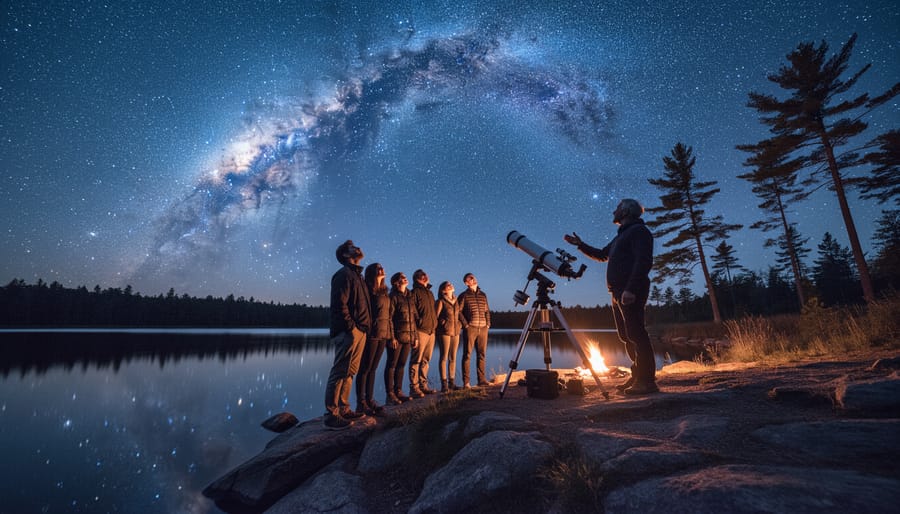
Look up on a clear Ontario night, away from city lights, and you’ll witness something extraordinary: thousands of stars painting stories across an infinite canvas, the Milky Way stretching like a cosmic river, and constellations that have guided travelers for millennia. But here’s the secret most people miss—knowing where to look is only half the magic. Understanding what you’re seeing transforms a pleasant evening into an unforgettable journey through space and time.
That’s exactly what stargazing programs at Ontario Parks deliver. These aren’t your typical astronomy lectures or complicated telescope sessions. Picture yourself sitting around a crackling campfire as a passionate Dark Sky expert points out Saturn’s rings through a high-powered telescope, explains how to navigate using the North Star just like early explorers did, or helps you spot the International Space Station zipping overhead. You’ll learn to identify planets with your naked eye, discover the stories behind constellation names, and understand why some Ontario parks offer views rivaling the world’s best observatories.
Ontario’s stargazing programs happen in designated Dark Sky Preserves—protected areas where light pollution regulations ensure those crystal-clear views you’ve been dreaming about. Parks like Killarney, Lake Superior, and Quetico offer guided evening sessions led by certified astronomy educators who make complex cosmic concepts feel as approachable as your favorite bedtime story. These experiences pair perfectly with day adventures in Ontario parks, creating full-day nature immersion that feeds both body and soul.
Whether you’re planning a romantic evening under the stars, hoping to spark your children’s curiosity about science, or simply seeking connection with something larger than everyday life, these programs welcome everyone from curious beginners to seasoned sky-watchers.
What Makes Ontario Parks Perfect for Stargazing
Dark-Sky Preserves: Ontario’s Hidden Gems
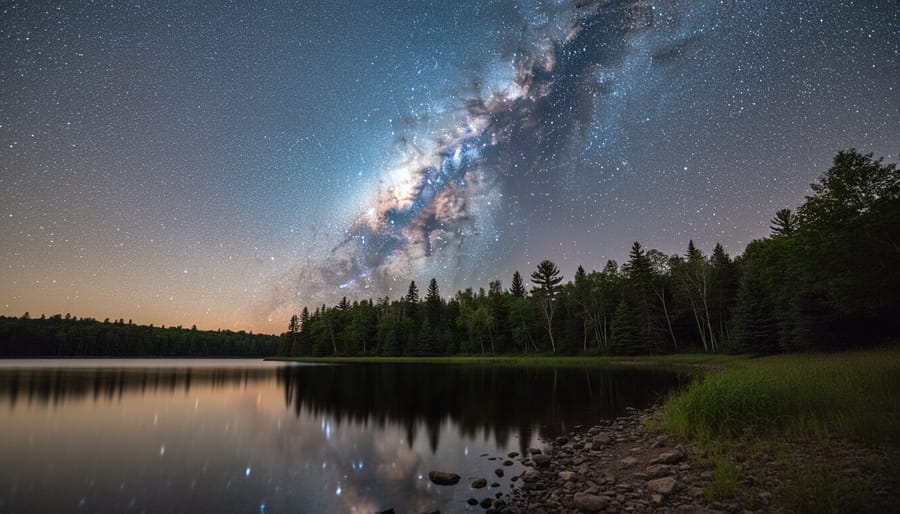
Ontario proudly protects some of North America’s darkest skies through its official Dark-Sky Preserve program, and these locations are truly Ontario’s hidden gems for stargazing enthusiasts. These aren’t just dark parks—they’re scientifically designated protected areas that meet strict lighting standards set by the Royal Astronomical Society of Canada.
What makes a Dark-Sky Preserve special? The designation requires parks to minimize artificial light pollution through carefully managed outdoor lighting, regular monitoring, and public education initiatives. This commitment creates viewing conditions where you can see thousands of stars, the Milky Way stretching across the sky like a cosmic river, and celestial phenomena that most city dwellers never experience.
Killarney Provincial Park was Ontario’s first Dark-Sky Preserve, earning its designation in 2018. The park’s remote location and granite ridges create a stunning backdrop for night sky viewing. Meanwhile, Torrance Barrens Dark-Sky Reserve near Gravenhurst holds a unique distinction as the world’s first permanent Dark-Sky Reserve, established back in 1999. Lake Superior Provincial Park and Quetico Provincial Park also share this prestigious designation.
Here’s an insider tip: visit during the new moon phase when skies are darkest. While these preserves maintain excellent viewing conditions year-round, avoiding bright moonlight reveals fainter stars, nebulae, and galaxies. Bring red-filtered flashlights to preserve your night vision while exploring—most park stores sell them, but planning ahead saves time.
What to Expect at a Park Stargazing Program
Telescopes, Binoculars, and Expert Guidance
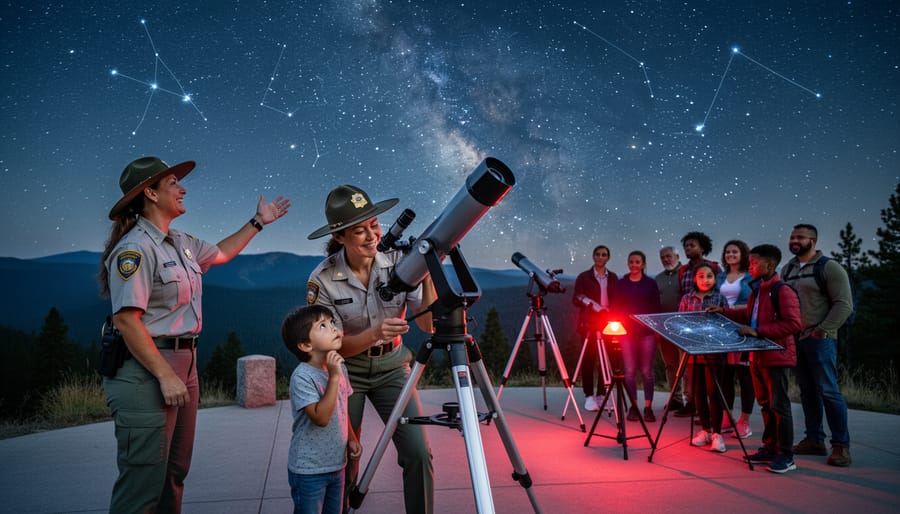
One of the best things about Ontario Parks stargazing programs? You don’t need to bring your own expensive equipment. Most programs provide high-quality telescopes and binoculars for participants to use, making astronomy accessible whether you’re a curious beginner or a seasoned sky-watcher. These aren’t your average backyard telescopes either – parks often bring out powerful instruments that reveal details you’d never spot with the naked eye.
Park naturalists and astronomy enthusiasts serve as your guides through the cosmos, helping you locate constellations, identify planets, and understand what you’re seeing. They’ll share fascinating stories about ancient myths connected to star patterns and explain current celestial events, from meteor showers to planetary alignments. Their expertise transforms a simple night outdoors into an educational adventure.
I’ll never forget speaking with Sarah from Toronto after her first stargazing program at Killarney Provincial Park. She’d always been curious about astronomy but felt intimidated by the technical aspects. When the naturalist pointed the telescope toward Saturn, she wasn’t prepared for what she saw. “I actually gasped out loud,” she told me, still excited days later. “Those rings were right there, clear as day. It looked exactly like the pictures, but somehow more real. I stood there for probably ten minutes just staring.”
That sense of wonder is exactly what these programs deliver. The combination of expert guidance and quality equipment means your first glimpse of distant worlds becomes an unforgettable moment that connects you to something far greater than everyday life.
Special Events and Celestial Celebrations
Ontario Parks transforms celestial events into unforgettable experiences by timing special programming around nature’s most spectacular sky shows. Picture this: you’re bundled up under a December sky, watching the Geminids meteor shower paint streaks of light above snow-covered pines—these cosmic displays become even more magical when paired with expert interpretation and fellow sky-watchers.
Parks strategically plan programs around major astronomical events like the Perseids in August, supermoons, and rare planetary alignments. When Mars appears particularly bright or Jupiter’s moons align just right, you’ll find extended evening programs with powerful telescopes pointed at the action. Lunar eclipses draw particularly large crowds, with some parks hosting “eclipse parties” complete with safe viewing equipment and astronomy talks.
Here’s an insider tip: subscribe to individual park newsletters to get advance notice of special celestial programming. Popular events like the Perseids often fill up quickly, so booking early is essential. Many parks also coordinate their regular stargazing programs with the lunar calendar, scheduling sessions during new moons when skies are darkest.
Don’t overlook winter programming either. Cold, crisp nights offer incredibly clear viewing conditions, and parks integrate stargazing with winter activities like snowshoeing under the stars. The International Space Station often makes visible passes overhead—check park schedules as some programs time sessions specifically to catch these human-made “stars” gliding across the constellation-filled canvas above.
Top Ontario Parks for Stargazing Programs
Killarney Provincial Park: A Dark-Sky Treasure
Nestled along the rugged shores of Georgian Bay, Killarney Provincial Park offers some of the darkest skies you’ll find in southern Ontario. The park’s remote location, surrounded by pink granite ridges and crystal-clear lakes, creates a natural barrier against light pollution that makes it perfect for celestial viewing.
Throughout summer months, Killarney hosts astronomy evenings where park naturalists share their passion for the night sky. These programs typically include telescope viewings where you might spot Saturn’s rings or Jupiter’s moons, alongside guided constellation tours that help you navigate the stars like the voyageurs once did. The park’s dramatic landscape adds something special to the experience – imagine watching the Milky Way arc over the famous White Quartzite mountains.
Here’s an insider tip: arrive early to grab a spot at George Lake, which offers unobstructed southern sky views. Bring extra layers even in summer, as temperatures drop significantly after sunset near the water. The park encourages eco-friendly practices, so consider using a red-light headlamp to preserve your night vision and minimize impact on nocturnal wildlife.
While programs run regularly during peak season, they’re weather-dependent, so have a backup plan. Even without formal programming, Killarney’s exceptional darkness makes it worth the visit for any stargazing enthusiast willing to venture off the beaten path.
Lake Superior Provincial Park: Northern Lights Bonus
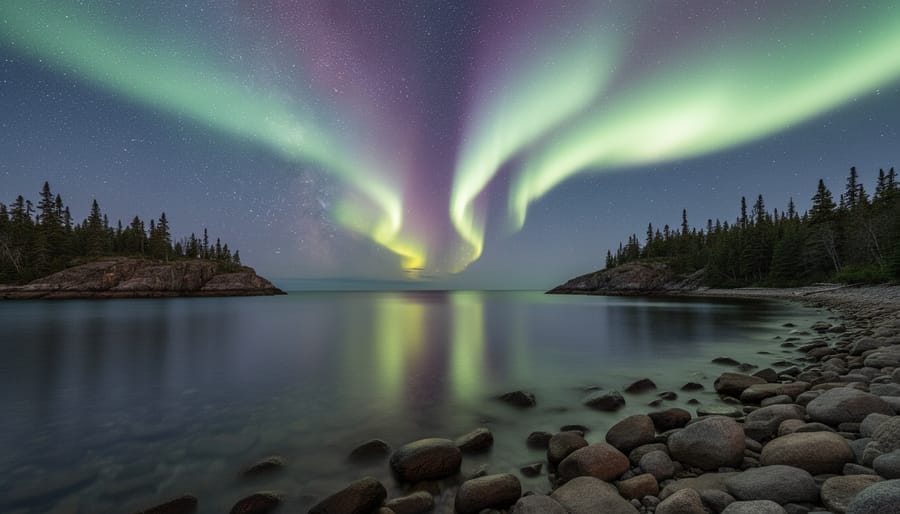
If you’re hoping to catch both stars and the mesmerizing Northern Lights, Lake Superior Provincial Park offers a stunning double feature. While the park doesn’t run dedicated aurora programs, their regular stargazing events during late August through October and March through April give you excellent chances of witnessing the aurora borealis dancing across the northern sky.
The park’s remote location along Lake Superior’s eastern shore means minimal light pollution and expansive views of the northern horizon—exactly what you need for aurora watching. Park interpreters leading evening programs often keep an eye on aurora forecasts and will excitedly point out any green ribbons starting to appear.
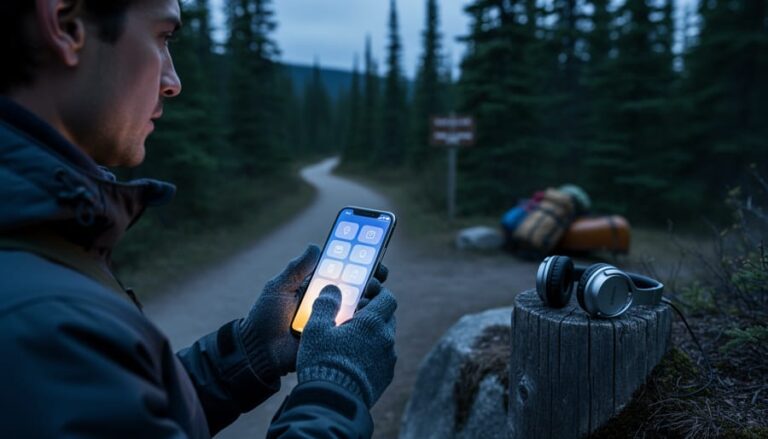
Insider tip: Head to Agawa Bay for the clearest views. The open shoreline provides an unobstructed sightline north, and the lake’s surface sometimes reflects the aurora for a double spectacle. September and October are your best bet, when nights are dark enough for stargazing but aurora activity increases with the equinox. Download a reliable aurora forecast app before you arrive—cell service is spotty—and dress in layers. Even summer nights get surprisingly chilly by the lake, and you’ll want to stay comfortable while waiting for nature’s most spectacular light show.
Other Stellar Park Programs
Beyond the major dark sky preserves, several other Ontario parks offer exceptional stargazing experiences worth exploring. Gordon’s Park on Manitoulin Island deserves special mention as Canada’s first private dark sky preserve. This family-run campground hosts regular astronomy events and maintains incredibly dark skies where the Milky Way practically glows overhead. The park’s intimate setting means smaller groups and personalized attention from knowledgeable hosts.
Torrance Barrens Dark-Sky Reserve near Gravenhurst holds the distinction of being one of the world’s first permanent dark sky reserves. The exposed granite barrens create an otherworldly landscape for night viewing, and the reserve attracts serious astronomers who appreciate its proximity to the Greater Toronto Area. Arrive early to secure parking during new moon weekends when crowds gather.
Algonquin Provincial Park offers stargazing from various locations throughout its vast wilderness. While not designated as a dark sky preserve, its remote interior campsites provide exceptional darkness far from light pollution. The park occasionally hosts astronomy programs at the visitor centre, combining stargazing with educational talks about celestial navigation and wilderness navigation by stars.
Insider tip: Many of these locations operate on donation or free admission models. Bring cash to support their conservation efforts, and consider eco-friendly red flashlights to preserve everyone’s night vision while minimizing your impact on nocturnal wildlife.
Planning Your Stargazing Adventure
Booking and Timing Your Visit
Planning your stargazing adventure starts with checking the Ontario Parks website, where you’ll find detailed schedules for Dark Sky programs across participating parks. The online booking system makes it easy to reserve your spot—these programs are popular, so booking ahead is essential, especially during peak season.
Here’s an insider tip: aim for visits between May and October when weather is most cooperative, though some hardy souls swear by the crystal-clear winter skies of January and February. Just bundle up! The absolute best viewing happens during new moon phases, roughly once per month, when the sky is darkest. Many parks time their programs around these lunar cycles, but check the moon calendar if you’re planning independently.
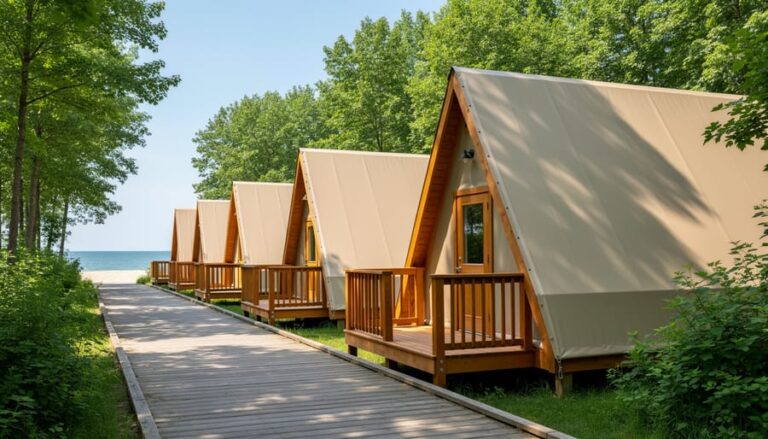
Weather planning requires flexibility. Even on cloudless afternoons, conditions can shift by nightfall. Check forecasts within 24 hours of your visit, and consider booking accommodations for multiple nights to increase your chances of clear skies. Most parks offer everything from campgrounds to roofed accommodations, and some even have day use options if you prefer staying nearby.
Pro eco-tip: When booking, consider midweek visits to reduce your environmental footprint and enjoy smaller crowds. Parks experience less pressure on facilities and trails during Tuesday through Thursday programs, and you’ll often get more personalized attention from astronomers. Plus, there’s something magical about having the Milky Way practically to yourself on a quiet Wednesday evening under Ontario’s magnificent dark skies.
What to Pack for a Night Under the Stars
Preparing for a night of stargazing is half the fun! Even during summer evenings, Ontario temperatures can drop surprisingly once the sun sets, so pack layers – a warm fleece or insulated jacket is essential. I learned this the hard way during my first stargazing program when I shivered through the Perseid meteor shower in just a t-shirt!
A red flashlight (or red cellophane over your regular flashlight) is crucial since red light preserves your night vision while helping you navigate safely. Bring a cozy blanket or reclining chair – trust me, your neck will thank you after an hour of looking skyward. Bug spray is a must during warmer months, though consider eco-friendly, DEET-free options to minimize environmental impact.
For the environmentally conscious stargazer, pack reusable water bottles and snacks in minimal packaging. Skip disposable hand warmers and opt for a thermos of hot chocolate instead. A star chart app on your phone (in night mode) enhances the experience without creating waste.
Don’t forget comfortable closed-toe shoes for walking to observation sites and extra batteries for your flashlight. Some parks have rocky or uneven terrain, so sturdy footwear matters more than you’d think!
Making the Most of Your Experience
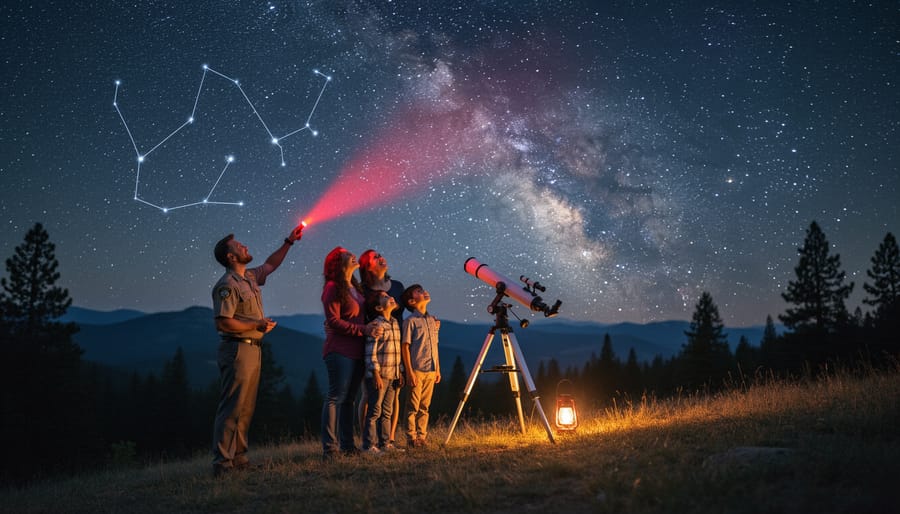
Stargazing with Kids: Creating Wonder
Kids make fantastic stargazers once you tap into their natural sense of wonder. The secret? Turn the night sky into a storybook rather than a science lesson.
Start by managing your expectations about timing. Young children won’t last until midnight, and that’s perfectly fine. Many parks offer family-friendly sessions that begin at dusk, letting kids spot Venus or the Moon before bedtime. I’ve found that even thirty minutes under the stars creates magical memories.
Storytelling transforms constellation-hunting into an adventure. Instead of memorizing Greek myths, ask your child what shapes they see in the stars. That creative approach often sparks more engagement than reciting traditional tales. When you do share myths, keep them short and dramatic—kids love hearing about Orion the Hunter or the Great Bear’s escape into the sky.
Bring comfort items that extend their patience: blankets for snuggling, thermoses with hot chocolate, and glow sticks for bathroom trips. Let them hold the red flashlight during the program—that small responsibility makes them feel important.
Here’s an insider tip: arrive early and let your naturalist know you’re bringing children. Many will adjust their presentation, focusing on easier-to-spot objects like the Moon’s craters or colorful double stars that genuinely wow young observers. The enthusiasm in a child’s voice when they spot Saturn’s rings through a telescope? Pure magic.
Capturing the Night Sky: Photography Tips for Beginners
You don’t need fancy gear to capture Ontario’s night sky magic. Your smartphone can work wonders with a few simple tricks. First, find a stable surface or bring a small tripod to keep your phone steady during longer exposures. Most newer phones have a night mode feature, so turn that on and give your camera a few seconds to work its magic.
For the best results, turn off your flash and avoid zooming in, which makes images grainy. Instead, take a wide shot and crop it later. An insider tip: download a free app like NightCap or Star Walk to help you adjust settings and identify what you’re photographing.
If you’re using a basic camera, switch to manual mode and start with these settings: ISO 1600-3200, aperture as wide as possible (lower f-number), and shutter speed around 15-25 seconds. Don’t worry if this sounds technical; experiment and review your shots.
Give your eyes 20 minutes to adjust to darkness before shooting, and take test photos to check your composition. The moon can actually be your friend for foreground details, though new moon phases reveal more stars. Remember, imperfect photos still capture incredible memories of your stargazing adventure.
Beyond the Program: Self-Guided Stargazing
While organized stargazing programs offer fantastic guided experiences, some of my most memorable nights under Ontario’s stars have been spontaneous solo adventures. Once the rangers pack up their telescopes, the night sky remains yours to explore, and with a few simple tools and considerations, you can continue the magic on your own terms.
Start by downloading a stargazing app before you arrive, since cell service can be spotty in remote parks. Sky Guide, Stellarium, and Star Walk are user-friendly options that help identify constellations, planets, and satellites simply by pointing your phone skyward. I keep my screen brightness low and use the red light mode feature to preserve my night vision—a trick I learned from a park interpreter that makes a huge difference.
Timing matters when you’re venturing out independently. Give your eyes at least 20-30 minutes to adjust to darkness, and plan your sessions around the moon phase. New moon periods offer the darkest skies and best stargazing conditions, while full moons illuminate trails nicely if you’re hiking to a viewing spot.
Here’s an insider tip: respect park quiet hours, which typically run from 11 PM to 7 AM. This isn’t just about being courteous to campers; it’s about protecting wildlife that relies on nighttime darkness for hunting, navigating, and breeding. Keep voices low and avoid shining flashlights into the forest or campgrounds.
Pack eco-consciously by choosing rechargeable headlamps over disposable batteries, and always stay on designated trails, even in darkness. The night belongs to everyone—including the creatures who call these parks home. By treading lightly, you’ll ensure these pristine dark skies remain accessible for stargazers to come.
There’s something profoundly humbling about standing beneath a canopy of stars, far from the glow of city lights, realizing you’re witnessing the same cosmic dance that’s captivated humans for millennia. Ontario’s stargazing programs offer more than just a night out—they’re a chance to reconnect with something fundamental, to remember our place in the vast universe while surrounded by the province’s incredible natural beauty.
Whether you’re planning your first astronomical adventure or you’re a seasoned sky-watcher looking for darker skies, Ontario Parks has a program waiting for you. From summer meteor showers to winter constellation tours, each season brings its own celestial magic. The memories you’ll create—watching satellites drift overhead, spotting the Milky Way’s cloudy band, or catching your first glimpse of Jupiter’s moons—will stay with you long after you’ve packed up your lawn chairs.
As you plan your trip, remember that these dark skies are a precious resource. Simple actions like using red-light flashlights, shielding outdoor lights at home, and supporting dark sky initiatives help preserve this natural wonder for your children and grandchildren to enjoy.
Ready to look up? Check the Ontario Parks website for upcoming stargazing events, grab your warmest layers, and prepare for an evening that will shift your perspective. The universe is waiting, and trust me—it’s absolutely worth losing a little sleep over.






+ There are no comments
Add yours