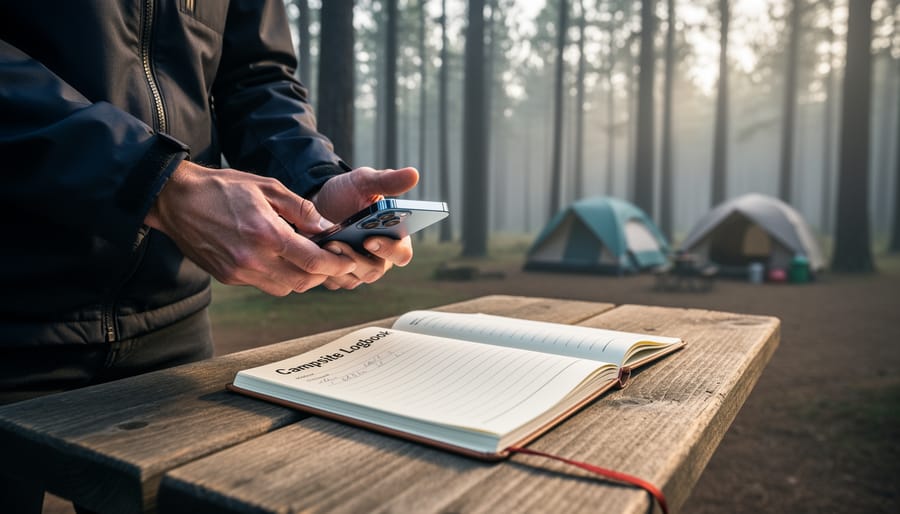
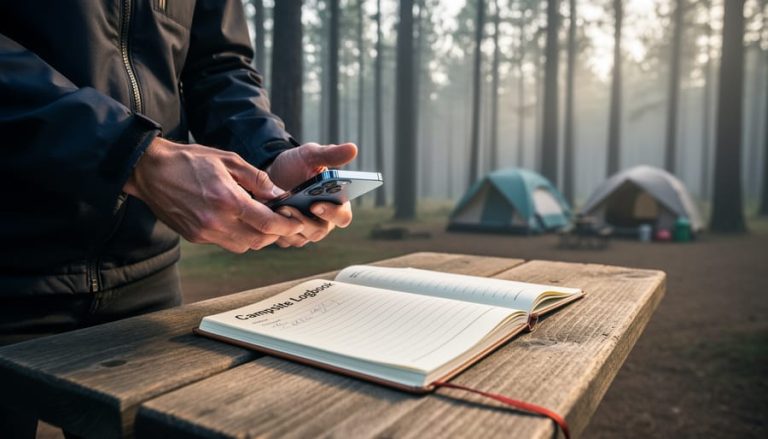
Yes and no. A blockchain is a kind of database, but a very particular one: a shared record book where new entries get added in order, linked to the ones before them, and can’t be quietly edited later. Think of a campground’s paper sign-in log that everyone on the trail can read, nobody can erase, and no single ranger controls.
An ordinary database works more like the booking desk at the park office. One organization owns it, staff can fix mistakes, move a reservation, or delete a duplicate in seconds. That speed and flexibility is why nearly every reservation system you’ve used, from campsite bookings to canoe rentals, still runs on regular databases today.
So what would blockchain mean for real-life bookings? Potentially a tamper-proof record of who reserved Site 42 and when, handy for settling “I had that spot first” disputes. The trade-off is that mistakes are harder to undo and the technology uses more energy, which matters to anyone who camps to get away from it all.
Insider tip: when you book an Ontario campsite right now, you’re almost certainly dealing with a standard database, not a blockchain. Keep your confirmation email, since that’s still your proof of reservation.
What a Blockchain Is (and How It Differs From the Database Behind Your Booking Page)
The Campground Logbook Analogy
Picture a busy long weekend at a campground in Algonquin. Instead of one clipboard at the gatehouse, every ranger station along the park road keeps its own logbook, and all of them are exact copies.
A camper pulls up and books site 42 for Friday night. The ranger writes it down and calls it out, and every other station adds the same line to its own book. Each new page starts with a note about the page before it, so the pages link together in order. Now suppose someone sneaks into one station and tries to swap site 42 over to a different name. The other logbooks still say the original, and the mismatch gets spotted right away. Nobody has to take one person’s word for it.
That’s the heart of how a blockchain stores information. It’s still a database, since it holds records you can look up later. It just keeps them in shared, linked pages that are very hard to rewrite quietly.
Here’s an insider tip: when you picture a booking being “written in ink” rather than pencil, you’ll see why double-checking your dates matters before you confirm.
When a Regular Database Is Still the Better Tool
Here’s the honest truth: for most booking jobs, a regular database does the trick beautifully. When you reserve a campsite on a park’s website, one organization runs the whole show. It keeps the records, updates them, and fixes mistakes quickly if you mistype your dates. That’s fast, familiar, and easy to manage.
Think of it like the single reservation binder at a small park office. If one team looks after it and everyone trusts that team, you don’t need extra copies stashed at every ranger station.
Blockchain starts to make sense when many different groups, say parks, outfitters, and local partners, all need to rely on one shared record and none of them wants to depend on a single keeper. If that’s not your situation, an ordinary database is usually simpler, cheaper, and just as dependable.
So the right tool depends on the job. Often, the classic binder wins.
How Blockchain-Based Reservation and Permit Systems Would Work
Eco-Friendly Perks of Going Paperless

Picture a campground where nobody has to print a thing. Your site booking or backcountry permit lives as a digital record, so there’s no paper tag to hang on a post, no folded receipt to stuff in a glovebox, and no soggy stack of confirmations after a rainy portage. Over thousands of visitors, that adds up to a lot less paper heading for the recycling bin (or the trash).
A shared digital record also makes it easier for staff to confirm your booking at the gate with a quick scan or lookup, rather than flipping through printed slips. Fewer printouts means fewer trees used and less clutter in your pack.
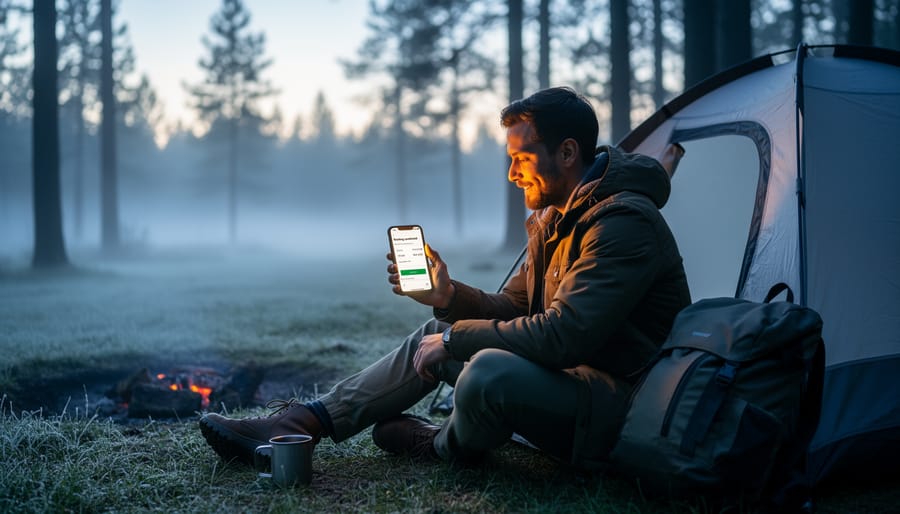
It takes about ten seconds, and it means your proof of booking is right there on your phone, even when the bars disappear.
Who Can Use a Blockchain-Based Booking System? Eligibility and Access Requirements
Picture it: you’ve found the perfect lakeside site, and you’re ready to book. What do you actually need in hand? The honest answer is that it depends on the park and the system, so think of this as a general guide rather than a rulebook. Any digital permit system, blockchain-based or not, tends to ask for a similar set of basics.
Here’s a typical checklist of what a visitor needs:
- A smartphone, tablet, or computer to make and show your booking
- Internet access for booking, plus an offline plan (like a saved screenshot) for the backcountry
- An account, or in a blockchain setup, possibly a digital wallet that holds your access credentials
- Valid photo ID, where a park asks for it at the gate or ranger station
- A payment method accepted by the booking service
- Group details, such as the number of people, vehicles, and tents
Age and group-size rules are worth a closer look. Many parks require the person booking to be an adult, and most set limits on how many people or tents can share a site. Those limits protect the landscape and keep the experience pleasant for everyone, so they’re worth respecting.
Here’s an insider tip: set up your account well before booking day. Reservation windows can fill fast, and the last thing you want is to be fumbling with a password reset while your dream site disappears.
Requirements can differ from one park to the next and change over time, so always check the official booking page for current details. It takes a couple of minutes, and it’s the best way to arrive at the gate with everything you need.
Your Rights and Responsibilities as a Camper or Permit Holder
Think of a booking as a two-way handshake. You get a dependable record, and you do your part to keep the park running smoothly for everyone.
Here’s the quick snapshot:
| What you can expect | What’s expected of you |
|---|---|
| An accurate confirmation of your dates, site, and group size | Double-check every detail before you confirm |
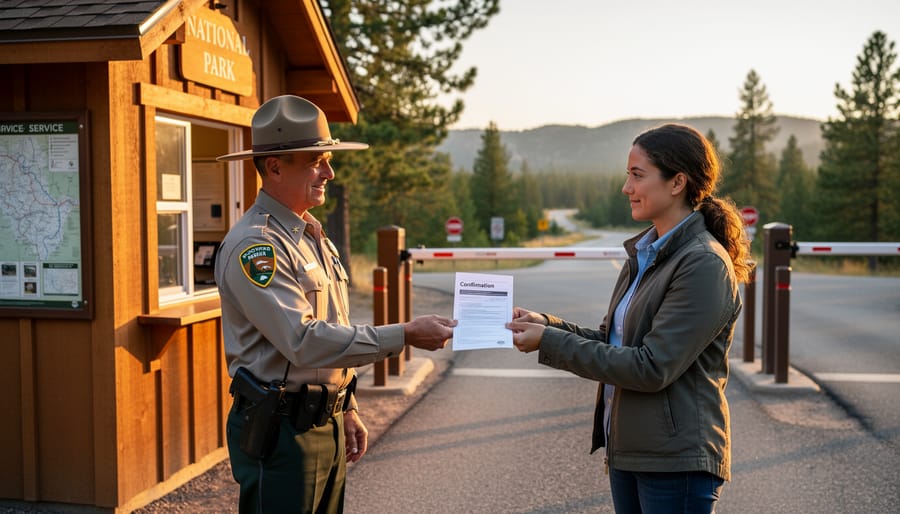
| A clear, time-stamped record of your booking | Carry proof of your permit and show it when asked |
| Privacy for your personal details | Share your confirmation only with your own camping party |
| A fair chance at open sites without double-booking | Cancel on time so someone else can enjoy the spot |
| Clear posted rules and park staff to ask | Follow park rules and respect site limits |
That second column matters more than you’d think. On a blockchain, entries are very hard to change once they’re recorded. That’s a big part of what makes the record trustworthy, but it also means a typo in your dates can’t just be quietly fixed. Take an extra minute to read your confirmation screen before you tap the final button. Insider tip: look at the arrival and departure dates twice, since mixing up a weekend is the classic mistake.
Because your confirmation lives online, you’ll want a steady connection when it’s time to book or pull up your permit. If you’re travelling with an RV, a guide to WiFi for booking access can help you find spots to check details before you head out. And remember, screenshots are your friend when cell service gets patchy.
Being a good camper goes beyond the paperwork, too. Cancelling early frees up a site for another family. Staying within site limits keeps crowding down. And practising Leave No Trace, like packing out everything you pack in and keeping to marked paths, protects the shared nature we all come to enjoy.
Common Questions About Blockchain and Park Bookings
Curious questions pop up fast when you mix new tech with something as simple as booking a campsite. Here are the ones people ask most.
Is blockchain the same as cryptocurrency?
Not quite. Cryptocurrency, like Bitcoin, is one popular use of blockchain, but the shared logbook idea can also store things like bookings, permits, or receipts without any digital coins involved.
Is my personal information safe?
It depends on how a system is built. Well-designed ones keep personal details off the shared record and store only a booking code, so ask any official booking service how it protects your data.
Can a booking be changed once it’s recorded?
Past entries are very hard to alter, so changes usually show up as a new, time-stamped entry rather than an edit. That’s why double-checking your dates before you confirm is a smart habit.
Do I need special tech skills to use one?
Nope. If you can book a flight or order dinner on your phone, you can handle it, since the technology works quietly in the background while you just pick your dates and site.
You might also wonder whether Ontario Parks uses blockchain for reservations. The best way to stay current is to check the official Ontario Parks reservation page or contact their customer support, since booking methods can change over time. If you’re curious about what pilots and experiments might look like, this piece on Ontario Parks testing blockchain is a friendly place to start exploring the idea.
Insider tip: whichever system you use, save a screenshot of your confirmation before you head out, since cell service can be spotty once you’re deep in the trees.
Where to Get Help With Reservations and Permits
Whatever technology sits behind a booking system, you’re never on your own when something doesn’t look right. A confirmation that won’t load, a date you typed wrong, or a permit question that the website can’t answer: real people are ready to help.
Start with the official Ontario Parks reservation service and its customer support. If the website feels confusing, the support team can walk you through your booking, explain what a confirmation means, and sort out problems with dates or site details. Keep your confirmation number handy before you call or write, since it speeds things up.
If you’re already near the park, drop by the park office or visitor centre. Staff there know their park well, and they’re usually happy to answer questions about permits, site rules, and what to bring. On site, rangers and gate staff can also help when you’re standing at the trailhead wondering if your paperwork is in order.
One firm tip: book only through official channels. Unofficial resellers sometimes list sites or permits they can’t actually deliver, and you could lose your money and your spot.
Insider tip: before your trip, save the park office phone number and your confirmation screenshot offline, since cell service can be patchy out there.
A simple map of park office and visitor centre locations, placed right here on the page, would make it easy to spot the nearest friendly face.
So, is blockchain a database? Yes, it is. It’s just a special kind: a shared, tamper-resistant logbook that many parties can trust at once, rather than a single binder sitting in one office. For campsite reservations and park permits, that could mean clearer histories, fewer double-bookings, and easier checks at the gate.
Keep in mind that this is about how the technology works in general. It isn’t a promise that any Ontario park uses it today, so always check the official Ontario Parks booking page for how to reserve right now. And if you’re curious about other tech that can smooth out your trip, take a look at AI travel tools for planning, or try AR apps for park info once you’re out on the trail.
Whatever tools you use, the real magic is still the loon call at dusk and the smell of a campfire. So grab your calendar, pick a park, and start planning your next Ontario camping trip. The woods are waiting.







+ There are no comments
Add yours