
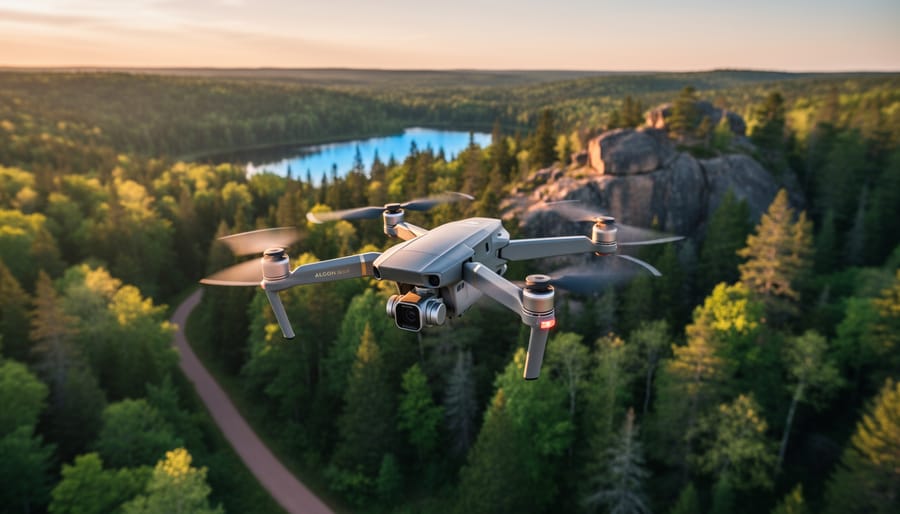
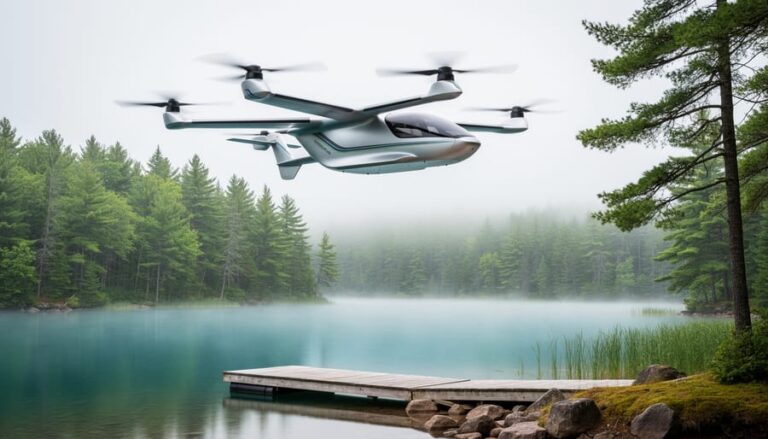
Picture this: a drone silently glides over Algonquin’s forests, its sensors detecting subtle changes in tree health that human eyes would miss for months. Artificial intelligence is quietly revolutionizing how Ontario protects the natural spaces you love to explore, and you’re likely benefiting from these technologies every time you hit the trails.
AI-driven environmental impact assessment tools sound complicated, but they’re simply smart technologies that help park managers make faster, more accurate decisions about protecting wilderness areas. Think of them as having thousands of expert environmental scientists working 24/7, analyzing everything from water quality to wildlife migration patterns. These systems process satellite imagery, weather data, and field sensors to spot potential problems before they become visible threats to the ecosystems where you camp, hike, and photograph wildlife.
Here’s why this matters to your next Ontario adventure: these tools are keeping your favorite parks healthier and more accessible. They’re predicting erosion on popular trails before they become dangerous, identifying invasive species before they spread, and helping managers balance visitor access with habitat protection. When you notice a trail rerouted or a restoration area thriving, there’s often AI analysis behind those decisions.
The technology isn’t replacing the passionate rangers and conservationists you meet on your travels. Instead, it’s giving them superpowers to respond faster to environmental challenges, ensuring Ontario’s stunning natural landscapes remain vibrant for your family’s adventures, today and for generations ahead.
What AI-Driven Environmental Assessment Actually Means for Our Parks
Think of AI environmental assessment tools as having thousands of nature experts working together around the clock, analyzing everything from bird migration patterns to soil conditions, all at lightning speed. Instead of taking months or even years to understand how a new hiking trail might affect the local ecosystem, these digital helpers can process massive amounts of environmental data in days.
Here’s how it works in practice. Let’s say Ontario Parks wants to add a new campground near a wetland area. Traditional assessments would require teams of biologists, water quality experts, and wildlife specialists to spend seasons gathering data, observing animal behavior, and making predictions based on their findings. It’s thorough work, but it takes time.
AI tools change this equation by crunching numbers from multiple sources simultaneously. They pull information from satellite imagery, weather patterns, historical wildlife data, water flow measurements, and even visitor usage statistics from similar parks. The technology spots patterns that human eyes might miss, like how certain trail placements could disrupt a species’ breeding grounds or how increased foot traffic might affect water runoff into sensitive areas.
The really cool part? These tools don’t just tell us what’s happening now. They predict future impacts by running thousands of scenarios. It’s like having a crystal ball that shows park planners, “If you build here, this is how wildlife will likely adapt,” or “This design will protect that rare plant species better than other options.”
For you as a park visitor, this means the trails you hike and the campsites you book have been planned with incredible precision to minimize environmental harm. The natural spaces you love stay healthier and more vibrant because decisions about where to build, how many visitors to allow, and which areas to protect are backed by smart, data-driven insights. It’s environmental stewardship supercharged by technology, ensuring Ontario’s parks remain spectacular for generations to come.
The Old Way vs. The Smart Way: How Assessment Has Changed
Picture this: It’s 1995, and a team of environmental scientists wants to assess whether a proposed provincial park expansion will protect critical wetland habitat. They spend months trudging through marshes with clipboards, recording bird sightings by hand, and mailing soil samples to labs. Fast forward three years, countless reports later, and they finally have enough data to make recommendations. By then, some of the species they were trying to protect have already shifted their migration patterns.
Now, let’s jump to today. That same assessment happens in a completely different way. AI-driven tools can analyze satellite imagery from the past 30 years in just a few weeks, identifying vegetation changes, water quality trends, and wildlife movement patterns that would take human observers decades to document. What used to require years of fieldwork can now happen in the time it takes to plan a summer camping trip.
Here’s what makes this shift so exciting for those of us who love Ontario’s parks: better data means smarter decisions. When planners considered expanding Algonquin Provincial Park’s boundaries recently, AI tools helped them pinpoint exactly which areas needed protection most urgently by processing historical ecosystem data alongside current biodiversity hotspots. Instead of guessing where endangered species might roam, they knew.
The old way wasn’t wrong, it was just slow. And in a world where climate change moves fast and ecosystems shift rapidly, speed matters. AI doesn’t replace the passionate scientists who love these wild places, it gives them superpowers. They can now spend less time crunching numbers and more time actually protecting the trails, lakes, and forests we all cherish.
Real Examples: AI Protecting Ontario’s Natural Spaces Right Now
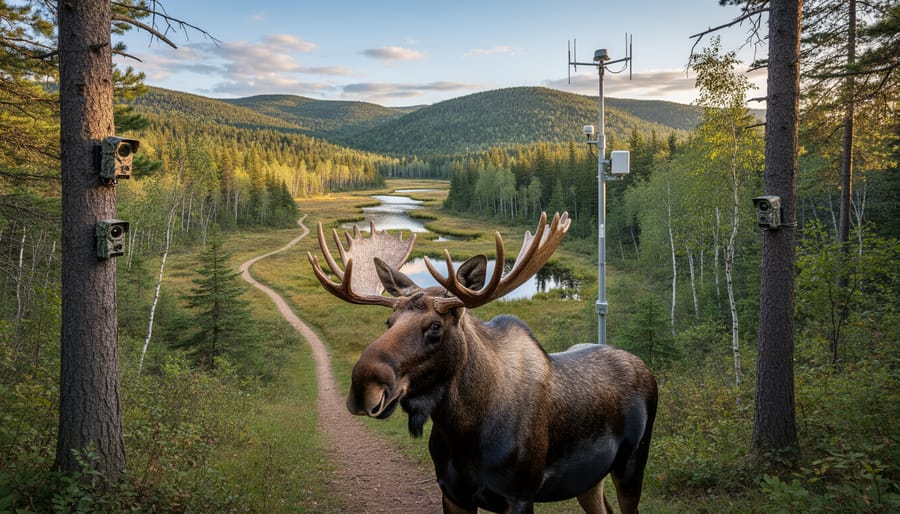
Predicting Wildlife Movement Before Trail Construction
Imagine planning a new hiking trail through pristine Ontario wilderness, only to discover later that you’ve accidentally created a barrier through a critical moose calving ground or bisected a centuries-old loon nesting route. Before AI entered the picture, this happened more often than anyone would like to admit. Now, sophisticated algorithms are changing how we approach trail construction, helping us become better neighbors to the wildlife we share these lands with.
AI-enhanced GPS tracking systems collect years of movement data from Ontario species, creating detailed maps that reveal the invisible highways animals travel. Picture a moose family that returns to the same wetland every spring, or common loons that navigate between specific lakes during their seasonal migrations. AI processes thousands of these data points, identifying patterns human observers might miss over decades of study.
When park planners design new trails today, they feed this wildlife tracking technology information into mapping software that highlights sensitive zones. The AI suggests alternative routes that maintain the hiking experience while steering clear of critical habitats. It’s like having a wildlife expert whispering directions, ensuring trails enhance your adventure without disrupting the very nature you came to enjoy.
This means when you’re walking that new boardwalk next summer, you can feel confident knowing technology helped protect the moose, loons, and countless other creatures calling Ontario home.
Keeping Our Waters Clean and Clear
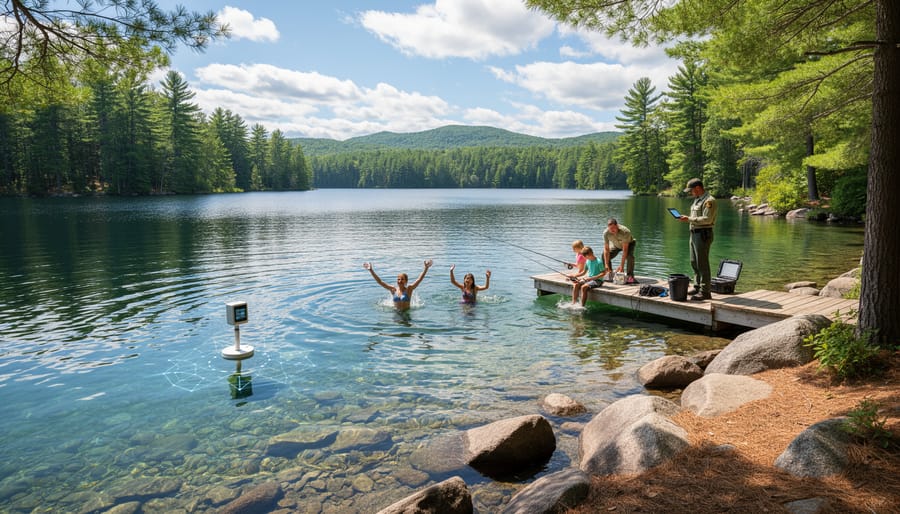
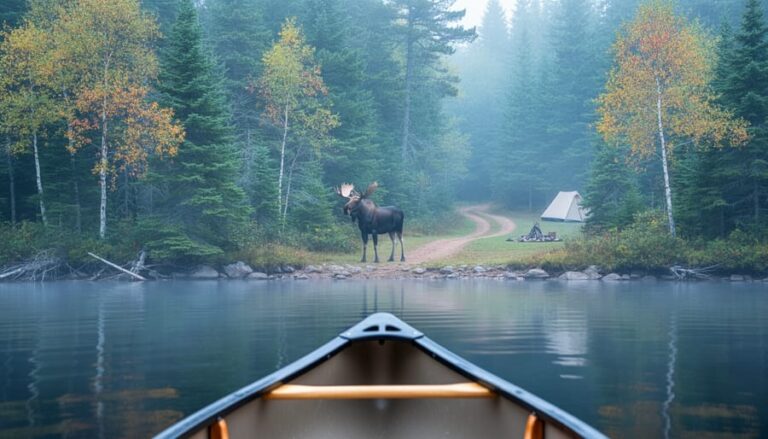
Picture this: you’re planning a canoe trip to your favourite northern Ontario lake, and you want to know the water will be as crystal-clear as you remember. Thanks to AI-powered water quality modeling, planners can now predict exactly how new developments might affect your beloved swimming holes and fishing spots before a single shovel hits the ground.
These smart systems analyze everything from rainfall patterns to soil composition, creating detailed maps of how water moves across the landscape. When a new resort or campground is proposed near a waterway, AI models can predict runoff patterns and potential pollution pathways with remarkable accuracy. Think of it as a weather forecast, but for water quality.
Here’s an insider tip: many conservation authorities now publish water quality reports that use this AI-driven data. Check these before planning your summer getaways to find the cleanest, most pristine spots. The technology helps identify which shorelines need extra protection and which areas can safely accommodate more visitors without compromising that refreshing, clear water we all love. It’s environmental science working behind the scenes to keep Ontario’s 250,000 lakes and rivers in top shape for your next adventure.
Balancing Access with Conservation
Finding that sweet spot between letting people enjoy Ontario’s natural treasures and keeping them pristine for future generations has always been tricky. Here’s where AI becomes your park ranger’s secret weapon. These smart systems analyze everything from soil erosion patterns to wildlife movement data, helping determine exactly how many hikers a trail can handle before nature starts showing stress.
Think of it like this: AI monitors real-time conditions at popular spots like Algonquin Park’s backcountry sites, tracking factors such as vegetation recovery rates and water quality. When an area needs a breather, the system can recommend temporary closures or redirect visitors to less-impacted zones. This means you’re more likely to experience that authentic wilderness solitude you’re craving, rather than arriving at an overcrowded lookout.
The bonus? These tools help park managers schedule maintenance during low-impact periods and identify which areas can safely accommodate more visitors. It’s conservation that works smarter, not harder, ensuring your grandkids will enjoy the same breathtaking landscapes you do today. Plus, knowing your visit isn’t harming delicate ecosystems makes those trail selfies feel even better.
Why This Matters to You as a Park Visitor
You might wonder what artificial intelligence has to do with your weekend camping trip or that scenic hike you’ve been planning. Here’s the beautiful truth: AI-powered environmental assessment is working behind the scenes to make every visit to Ontario’s parks more rewarding, sustainable, and memorable.
When park planners use these sophisticated tools to monitor trail conditions, they’re preventing erosion before it becomes a muddy mess that ruins your boots and disappoints your Instagram photos. These systems track how many footsteps certain areas can handle, helping managers redirect traffic away from sensitive zones. The result? You get well-maintained trails that wind through pristine landscapes rather than beaten-down paths that look like construction sites.
Wildlife enthusiasts will love this part: AI monitoring helps identify the healthiest habitats and optimal viewing times. Parks can strategically place observation platforms and viewing areas where animals naturally congregate, dramatically increasing your chances of spotting that elusive moose or family of otters. It’s the difference between hoping to see wildlife and actually experiencing those breathtaking encounters that become your favorite vacation stories.
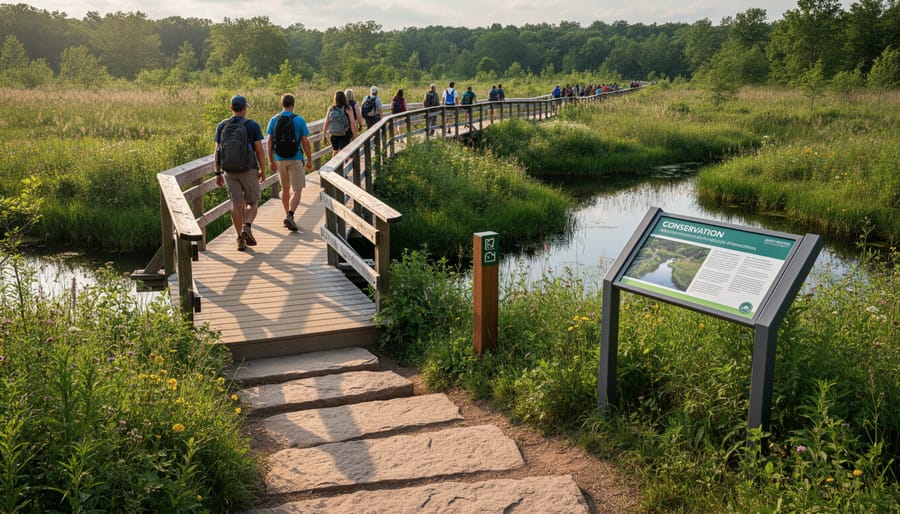
Here’s an insider tip for recognizing sustainably managed park facilities: Look for boardwalks and viewing platforms that seem to blend seamlessly into the landscape. These structures are often positioned using data-driven insights about minimal ecosystem disruption. You’ll also notice strategically placed signage that educates without cluttering the scenery. Well-planned parks feature designated photography spots that protect sensitive areas while still offering stunning views.
The long-term benefits matter just as much. AI assessment ensures the spectacular waterfall you photograph today will still cascade beautifully when your grandchildren visit decades from now. These tools help preserve water quality, maintain biodiversity, and protect the natural features that make each park special. You’re not just enjoying nature as it exists today; you’re experiencing landscapes that are being actively protected for the future.
Think about it practically: healthier ecosystems mean clearer lakes for swimming, more diverse bird songs on morning walks, and wildflowers that actually bloom along the trails. AI-driven monitoring contributes to enhanced visitor experiences by ensuring every element of your park adventure meets high environmental standards. Your admission fees and park passes support these smart conservation efforts, making you part of something bigger than just a day trip.
The Eco-Friendly Edge: How AI Makes Parks More Sustainable
Here’s the thing about protecting nature: the less we disturb it, the better it thrives. AI-driven tools are giving Ontario’s parks an eco-friendly edge by reducing the environmental footprint of conservation work itself.
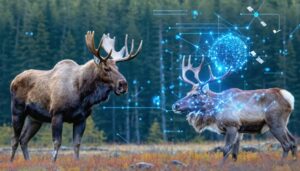
Think about traditional wildlife surveys that required teams trekking through sensitive habitats, potentially disturbing nesting sites or fragile ecosystems. Now, AI-powered drones equipped with thermal imaging can monitor wildlife populations from above without ever setting foot in critical breeding areas. In places like Algonquin Provincial Park, these aerial surveys have helped researchers track moose populations while leaving zero traces behind. The animals barely notice the quick overhead pass, and their daily routines continue undisturbed.
Water quality monitoring has gotten smarter too. Instead of sending staff to remote lakes multiple times weekly, AI sensors can continuously analyze conditions and alert managers only when intervention is needed. This means fewer boat trips, reduced fuel consumption, and a smaller carbon footprint overall. One park superintendent told me they’ve cut their monitoring vehicle trips by nearly 60 percent since implementing these systems.
Resource management has become incredibly precise. AI algorithms analyze decades of data to predict exactly when trails need maintenance or which campsites require attention, eliminating wasteful routine checks. Park crews now focus their efforts where they’re truly needed, saving fuel, time, and money that gets reinvested into conservation programs.
You can support these sustainability efforts during your visits. Stick to marked trails to help AI sensors provide accurate data about erosion patterns. Report unusual wildlife sightings through park apps, which feed into monitoring systems. Choose mid-week visits when possible, as AI crowd-management tools show these times have lower environmental impact. Pack out everything you pack in, and consider participating in citizen science programs that complement AI monitoring with human observations. Every small action helps these smart systems work more effectively, creating parks that future generations will treasure.
What’s Coming Next: The Future of Smart Park Management
The future of park management is arriving faster than you might think, and honestly? It’s thrilling to imagine what’s just around the corner.
Picture this: real-time monitoring systems that track everything from trail conditions to water quality, sending instant updates to park managers and visitors alike. That muddy section on your favorite hiking trail? The system’s already rerouted foot traffic to let it recover. Air quality looking exceptional today? You’ll get a notification suggesting it’s the perfect time for that canoe trip you’ve been planning.
Adaptive management systems are the real game-changers here. These aren’t rigid programs following predetermined rules. They’re learning, evolving platforms that adjust strategies based on what’s actually happening in the park. If smart sensor technology detects unusual wildlife movement patterns, the system can automatically implement protective measures while alerting researchers to investigate further.
Here’s what excites me most: these tools aren’t replacing your authentic outdoor experience. They’re enhancing it. AI-powered wildlife monitoring means you’re more likely to spot that moose or otter you’re hoping to photograph, because park apps can guide you to areas where they’re actively roaming, without disturbing them.
Imagine augmented reality features that overlay historical information about Indigenous land use as you walk ancient portage routes, or AI assistants that suggest eco-friendly camping spots based on current environmental conditions. The technology fades into the background while nature takes center stage, exactly as it should be. That’s the future we’re building, and it’s closer than you think.
The next time you’re standing on a windswept cliff overlooking Georgian Bay, or you catch a glimpse of a black bear foraging peacefully in Algonquin Park, take a moment to appreciate the invisible partnership at work. Behind that pristine scene, AI has been quietly analyzing data, predicting patterns, and helping park managers make decisions that keep these wild spaces thriving for you to discover.
It’s easy to think of technology and nature as opposites, but Ontario’s parks prove they’re becoming the best of partners. These AI-driven tools aren’t replacing the human touch or the wonder of the wild. They’re enhancing it, giving conservationists superpowers to protect what we all love about spending time outdoors.
So here’s my insider tip for your next adventure: explore with gratitude. Whether you’re paddling through Killarney’s crystal waters or hiking Bruce Peninsula’s ancient cedars, you’re experiencing the result of cutting-edge innovation working hand-in-hand with dedicated conservation. Ontario’s protected spaces are healthier, safer, and more accessible because of this blend. Keep exploring, keep supporting these incredible places, and know that every trail you walk benefits from this remarkable fusion of nature and technology.








+ There are no comments
Add yours