
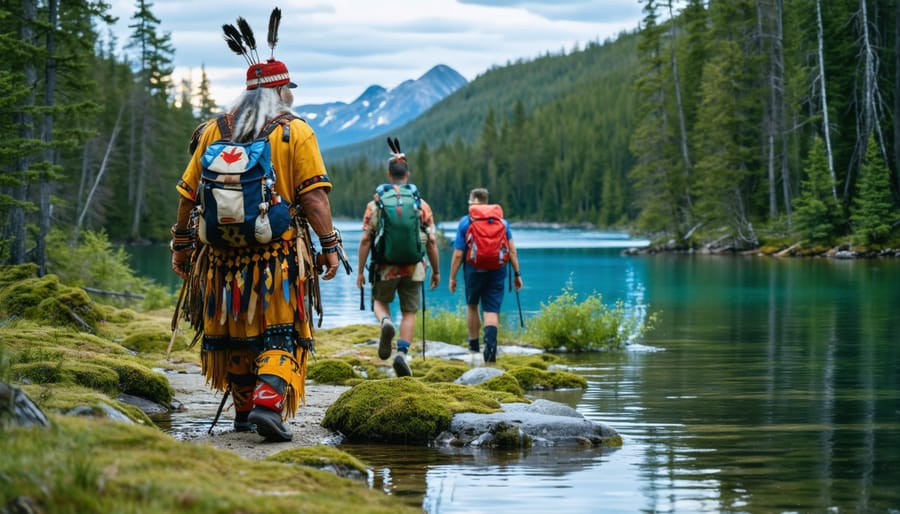
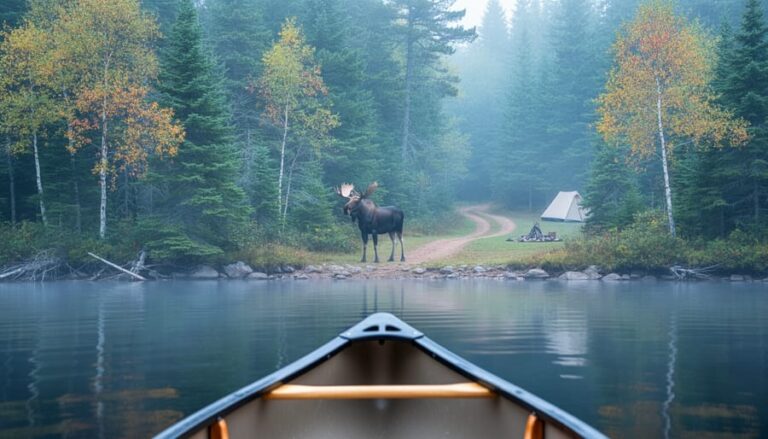
Canada’s wilderness beckons with raw, untamed majesty across 9.9 million square kilometers of pristine forests, crystalline lakes, and towering mountain ranges. From the ancient cedars of British Columbia to the rugged coastlines of Newfoundland, Ontario’s natural landscapes represent just one chapter in this vast wilderness story. Here, where boreal forests meet the Canadian Shield, Indigenous peoples have stewarded these lands for millennia, weaving a rich tapestry of cultural and natural heritage. Modern adventurers now traverse these same paths, whether paddling through Algonquin’s mirror-like lakes, tracking wolves in Banff’s snow-covered valleys, or witnessing the ethereal dance of the Northern Lights in the Yukon’s pristine night sky. This wilderness isn’t just a destination – it’s a living, breathing testament to nature’s grandeur and resilience, offering transformative experiences for those bold enough to venture into its embrace.
Indigenous Wisdom in Ontario’s Wilderness
Traditional Land Use and Sacred Sites
Canada’s wilderness is deeply intertwined with the cultural heritage of Indigenous peoples, who have lived on and stewarded these lands for thousands of years. Many of today’s most cherished wilderness areas were, and continue to be, sacred sites and traditional territories for First Nations, Inuit, and Métis communities.
Take Sleeping Giant Provincial Park near Thunder Bay, for instance, where the magnificent rock formation isn’t just a geological wonder – it’s Nanabijou, a significant figure in Ojibwe stories. The park’s trails and lookouts offer visitors a chance to experience both natural beauty and cultural significance, with interpretive programs sharing traditional knowledge about the land.
In Ontario’s north, the Albany River system remains vital to Indigenous communities, serving as both a traditional travel route and a source of sustenance. Modern-day paddlers can experience these historic waterways while learning about their continued importance to local communities.
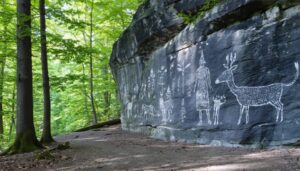
Many wilderness areas feature pictographs and petroglyphs, ancient rock art that tells stories of the land’s first peoples. At Petroglyphs Provincial Park near Peterborough, visitors can respectfully observe hundreds of sacred carvings while learning about their spiritual significance.
When exploring these areas, remember that many sites remain actively used for ceremonies and traditional practices. Visitors should follow local protocols, seek guidance from Indigenous communities when appropriate, and practice responsible tourism that respects both the natural environment and cultural heritage.
Seasonal Teachings and Natural Navigation
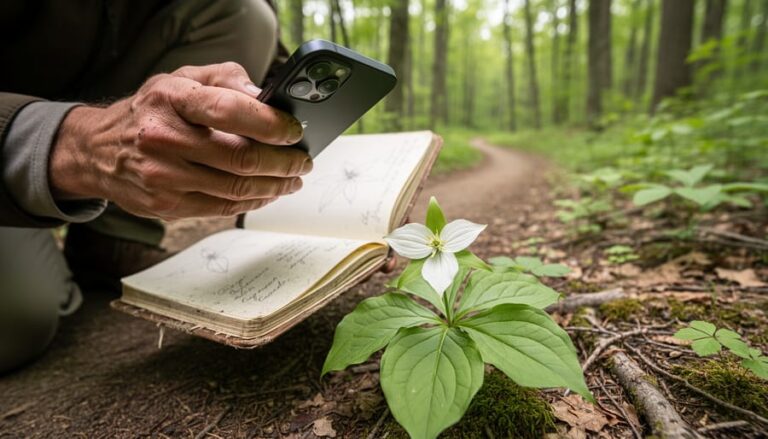
Indigenous wisdom has long been the key to understanding Canada’s wilderness, with teachings that mirror the dramatic seasonal changes in Ontario parks. Traditional knowledge keepers share how different plants and animals signal the changing of seasons, like the return of certain bird species announcing spring’s arrival or the changing colors of specific plants indicating the best time for harvesting.
These time-tested methods of navigation rely on natural markers rather than modern technology. The position of the sun, the growth patterns of moss on trees, and the direction of prevailing winds all serve as nature’s compass. In winter, Indigenous guides teach how to read snow patterns and ice formations to ensure safe passage across frozen landscapes.
One fascinating technique involves using tree branches as directional guides – they typically grow more abundantly on the southern side, seeking sunlight. Star navigation, particularly using the North Star (Polaris), remains a crucial skill passed down through generations.
Learning these traditional methods not only helps you navigate safely but also deepens your connection with the land. Many Indigenous tourism operators now offer guided experiences where visitors can learn these ancient practices while respecting the cultural significance of these teachings. It’s a reminder that the wilderness isn’t just a place to explore, but a living classroom with centuries of wisdom to share.

Modern Cultural Experiences in the Wild
Guided Indigenous Experiences
One of the most enriching ways to experience Canada’s wilderness is through the guidance of Indigenous knowledge keepers. These authentic experiences offer visitors a chance to see the land through the eyes of its original stewards, combining ancient wisdom with modern adventure.
In Ontario alone, you’ll find dozens of Indigenous-led experiences. The Great Spirit Circle Trail on Manitoulin Island offers traditional medicine walks where guides share knowledge about healing plants that have been used for generations. In Northwestern Ontario, Sunset Country’s Indigenous guides lead canoe expeditions through ancient waterways, sharing stories of their ancestors who traveled these same routes.
Many communities offer immersive cultural programs where visitors can participate in traditional activities. Learn to build a birchbark canoe in Algonquin territory, join a guided medicine walk in the boreal forest, or experience traditional fishing techniques passed down through generations.
For a deeper connection to the land, consider multi-day experiences like those offered by Indigenous-owned lodges in the James Bay region. Here, Cree guides share traditional ecological knowledge while leading wildlife viewing excursions and teaching wilderness survival skills.
Insider tip: Book these experiences well in advance, as many programs have limited spots and fill up quickly. Most operators offer programs from late spring through early fall, with some providing special winter experiences like traditional snowshoeing and ice fishing.
Traditional Skills Workshops
Immerse yourself in the time-honored traditions of Canada’s wilderness through hands-on workshops that connect you with ancestral skills and knowledge. Across Ontario, experienced instructors and Indigenous knowledge keepers offer transformative learning experiences that bring traditional practices to life.
Learn the art of crafting snowshoes using traditional materials and techniques, a skill that indigenous peoples have perfected over generations. Try your hand at basket weaving with native materials like black ash and sweetgrass, or discover the ancient practice of making birch bark containers that are both beautiful and practical.
Fire-making workshops teach you how to create flame using traditional methods like bow drills and flint striking – essential skills that have sustained people in the wilderness for millennia. Many programs also include lessons in tracking, plant identification, and traditional medicine, helping you understand the deep connection between people and the land.
Popular locations like Algonquin Provincial Park and the Muskokas host regular workshops throughout the year. For an authentic experience, consider joining a multi-day program where you can practice these skills in a wilderness setting while camping under the stars.
Insider tip: Book workshops well in advance, especially during peak summer months. Many programs offer early-bird discounts and family rates. Remember to dress appropriately and bring an open mind – these experiences often challenge modern perspectives while fostering deep appreciation for traditional knowledge.

Cultural Festivals and Events
Canada’s wilderness comes alive through vibrant cultural festivals and events that celebrate the profound connection between nature and heritage. Throughout the year, visitors can immerse themselves in unique celebrations that showcase the incredible diversity of our wilderness traditions.
The Winter Wilderness Festival in Algonquin Park draws thousands each February, featuring ice sculpture competitions, traditional indigenous storytelling around crackling fires, and guided moonlight snowshoe walks. Local artisans demonstrate traditional crafts using materials sustainably harvested from the forest, while elders share knowledge about winter survival techniques passed down through generations.
Come spring, the Maple Syrup Festivals across Ontario’s wilderness regions offer visitors a sweet taste of Canadian tradition. Join in age-old sugar bush demonstrations, learn about indigenous maple harvesting practices, and enjoy fresh maple taffy poured over pristine snow.
Summer brings the popular Wild Foods Festival, where foraging experts lead workshops on identifying edible plants, and local chefs create incredible dishes using wilderness ingredients. The highlight is often the evening feast under the stars, accompanied by traditional drum circles and dance performances.
For a truly authentic experience, time your visit during the Fall Harvest Gathering, where indigenous communities share traditional ecological knowledge through workshops, ceremonies, and celebrations. These events not only preserve cultural heritage but also promote sustainable wilderness stewardship for future generations.
Insider tip: Book your festival accommodation well in advance, as wilderness lodges and campsites fill up quickly during these popular events.
Responsible Cultural Tourism
Eco-friendly Practices
When venturing into Canada’s vast wilderness, practicing responsible tourism isn’t just recommended – it’s essential for preserving these pristine landscapes for future generations. Sustainable wilderness exploration starts with the simple principle of “leave no trace.” Pack out what you pack in, stick to marked trails, and minimize your impact on the natural environment.
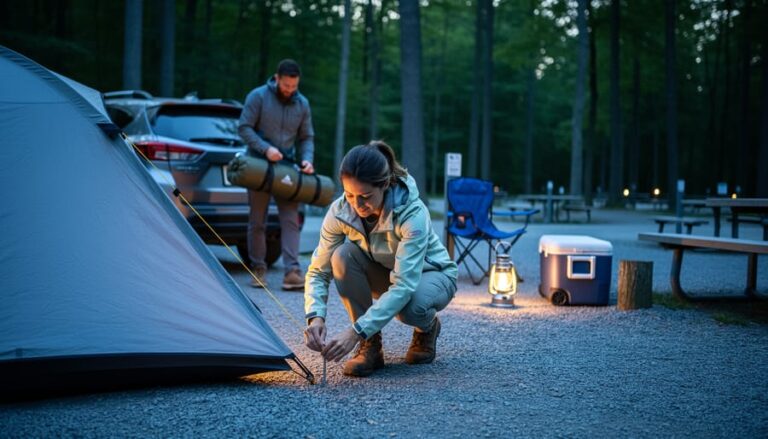
Consider using eco-friendly camping gear, such as solar-powered lights and biodegradable soap products. Many Ontario parks now offer designated eco-camping zones where visitors can practice sustainable camping techniques. When collecting firewood, gather only fallen branches and keep fires within designated pits.
Wildlife viewing should always be done from a safe, respectful distance. Never feed wild animals, as this can alter their natural behaviors and create dangerous dependencies. Using binoculars instead of getting too close allows you to observe without disturbing their natural habits.
Water conservation is crucial in the wilderness. Carry reusable water bottles and use water filtration systems instead of bottled water. When washing dishes or cleaning up, always do so at least 200 feet away from water sources using biodegradable products.
Support local indigenous-led tourism initiatives that practice traditional environmental stewardship. Many First Nations communities offer guided experiences that combine cultural learning with sustainable outdoor practices, providing authentic and responsible ways to experience Canada’s wilderness.

Cultural Etiquette
When exploring Canada’s wilderness, especially in areas with Indigenous cultural significance, it’s essential to approach these experiences with respect and understanding. Always book cultural activities through authorized Indigenous tour operators or community centers, as this ensures authentic experiences while supporting local communities.
During traditional ceremonies or storytelling sessions, listen attentively and avoid interrupting. Photography may be restricted during certain ceremonies or at sacred sites – always ask permission before taking pictures. If you’re invited to participate in a smudging ceremony or other traditional practices, follow the guidance of your Indigenous hosts and show gratitude for the opportunity to learn about their culture.
When visiting sacred sites or petroglyphs in wilderness areas, maintain a respectful distance and never touch or remove anything from these locations. Many Indigenous communities welcome visitors who show genuine interest in learning about their traditions and connection to the land. Consider bringing a small gift when visiting a community – traditional tobacco or locally appropriate gifts are often appreciated, but check with your guide about local customs.
Remember that each Indigenous community has its own distinct traditions and protocols. What’s acceptable in one community might not be in another. Stay open-minded, ask questions when appropriate, and be prepared to learn. Most importantly, recognize that you’re a guest in these sacred spaces and approach every interaction with cultural humility and respect.
Supporting Indigenous Tourism
When exploring Canada’s wilderness, engaging with Indigenous tourism experiences offers a profound way to connect with the land’s original stewards and their rich cultural heritage. To ensure your visit supports Indigenous communities authentically, look for businesses and experiences that are Indigenous-owned and operated. The Indigenous Tourism Association of Canada (ITAC) provides a valuable directory of verified operators who offer genuine cultural experiences.
Consider booking guided tours led by Indigenous knowledge keepers who can share traditional stories, teach wilderness survival skills, and explain the deep connection between their culture and the natural world. Many communities offer immersive experiences like traditional cooking demonstrations, medicinal plant walks, and craft workshops using materials from the land.
Before booking, take time to research the community you plan to visit and their specific protocols. Some experiences may have seasonal or ceremonial significance, and it’s important to respect these cultural boundaries. Look for tourism operators who clearly state how their programs benefit the local Indigenous community and contribute to cultural preservation.
Remember to approach these experiences with an open mind and heart. Ask thoughtful questions, listen actively, and be prepared to challenge your own perspectives. Avoid taking photos without permission, and always follow the guidance of your Indigenous hosts regarding appropriate behavior and cultural sensitivities.
By choosing authentic Indigenous tourism experiences, you not only enrich your wilderness adventure but also contribute to the economic sustainability of Indigenous communities while promoting cultural understanding.
Ontario’s cultural wilderness experiences offer far more than just scenic views and outdoor adventures. Through mindful exploration of Ontario’s wild spaces, visitors gain deep connections to both the land and its Indigenous heritage. These encounters enrich our understanding of traditional stewardship practices and foster respect for the delicate balance between human activity and nature conservation.
As we’ve explored throughout this article, meaningful cultural experiences in Ontario’s wilderness areas create lasting memories while supporting Indigenous communities and preserving ancient knowledge. Whether participating in guided medicine walks, learning traditional crafts, or simply listening to stories passed down through generations, each interaction adds another layer to our appreciation of these sacred spaces.
To ensure these opportunities continue for future generations, we must approach wilderness experiences with respect and responsibility. Consider booking Indigenous-led tours, following Leave No Trace principles, and supporting businesses that prioritize sustainable practices. Take time to learn about the territories you’re visiting and their significance to local communities.
The invitation to explore Ontario’s wilderness comes with a responsibility to protect and preserve these precious spaces. By participating thoughtfully in cultural experiences, we become part of a larger story – one that connects past, present, and future generations in the stewardship of our natural heritage. Your next wilderness adventure awaits – make it count by choosing experiences that honor both the land and its original caretakers.







+ There are no comments
Add yours