
Using the 150e restroom and showers is simple: bring your own soap, a towel, and a pair of flip-flops, check the posted hours before you go, and leave the space cleaner than you found it. Plan on about 15 to 20 minutes for a comfortable rinse, and expect to share the space on busy summer weekends.
After a day of paddling, hiking, or setting up camp, a hot shower is one of those small pleasures that makes the whole trip feel easier. A little prep goes a long way. A mesh bag keeps your things organized, a quick-dry towel packs light, and a travel-size biodegradable soap is kinder to the soil and water around you. Not sure where to start? You can find restrooms and showers across Ontario’s parks with a bit of planning, and park maps and photos will help you spot this facility fast. Hours, fees, and accessibility details can change, so confirm them with the official park source before you head over.
What the 150e Restroom and Showers Offer
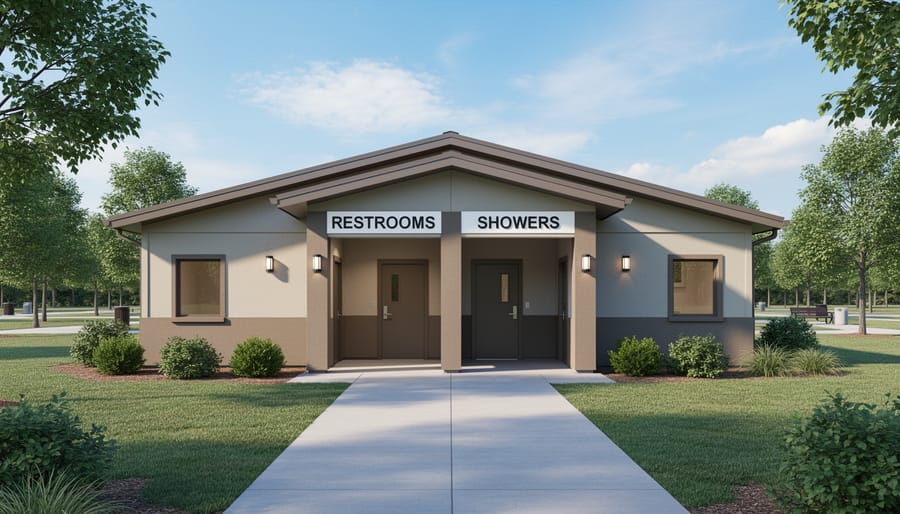
Picture this: you’ve spent the day on a trail, your boots are dusty, and all you can think about is warm water. That’s exactly where the 150e restroom and showers come in. This is the sort of facility that turns a tiring day outdoors into a comfortable evening.
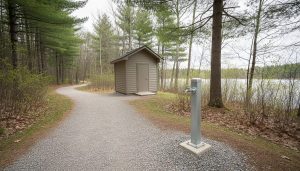
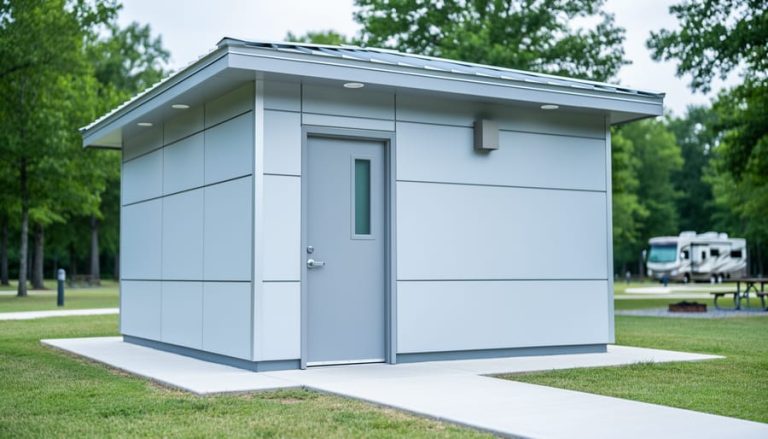
If you’re wondering what to expect, think of a simple, practical building with restroom stalls, shower rooms, handwashing sinks, and a potable water source close by. It sits alongside the other essentials of a campground or day-use area, like the picnic shelters, trailheads, and parking, so it’s usually easy to fold into your routine.
I’d always treat those details as something to confirm rather than assume, since they can change by season or park policy. A quick look at the official page or the sign by the door saves you a wasted walk with a towel over your shoulder.
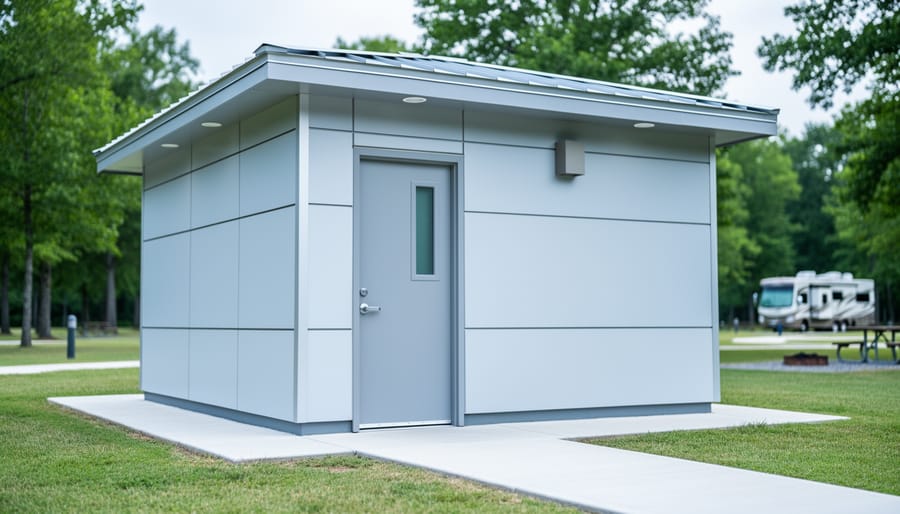
To help first-timers get their bearings, consider adding a photo of the building exterior and a simple site map showing where it sits relative to the campsites and trails. Knowing the route in advance makes that first visit feel effortless.
What to Pack Before You Head Over: Tools and Materials
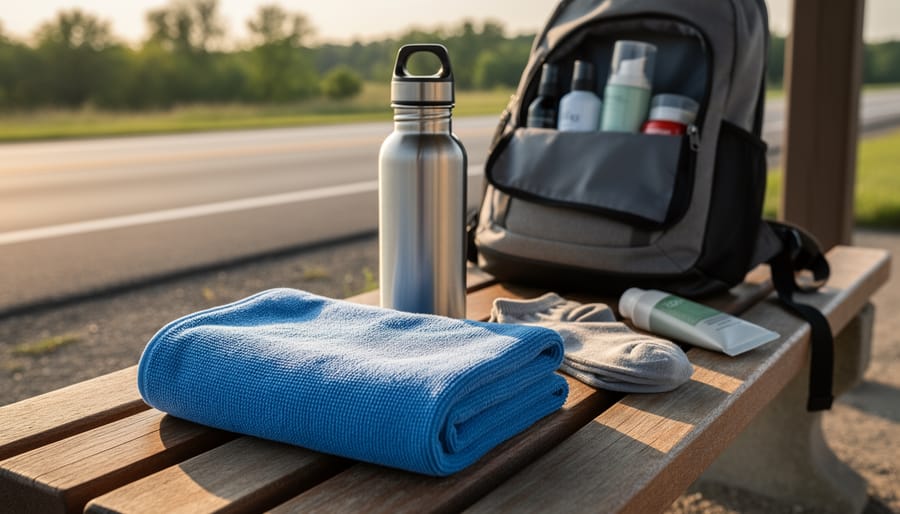
A little prep goes a long way here. Pack light, keep it organized, and you’ll breeze through the whole visit without fumbling around in a damp stall.
Here’s a simple checklist to get you started:
- A lightweight quick-dry towel
- Flip-flops or shower shoes
- Biodegradable soap and shampoo
- A toiletry bag to keep small items together
- A fresh change of clothes
- A headlamp or flashlight for early or late visits
- A small bag for wet items
- A refillable water bottle
- Coins or another form of payment, in case the facility requires it
Here’s my favourite insider tip: use a small mesh bag to carry everything. Water drains right out, sand and pine needles shake free, and you can hang the whole thing from a hook while you wash. It beats juggling loose bottles and a towel in your arms, especially when the floor is wet.
A quick-dry towel is the other real winner. Regular cotton towels stay soggy for hours, but a microfibre one dries fast on a clothesline back at camp and packs down small.
For a low-impact visit, choose biodegradable soap and shampoo, and use only what you need. Bring your refillable water bottle along too, since you can top it up at a nearby potable water source. Look for a clear sign marking it as drinking water before you fill up. Skipping single-use plastic bottles keeps the campground tidy and saves you a few dollars.
Since details can change, check the park’s official page or posted signs for current fees and payment options before you go.
Safety First: Wet Floors, Hot Water and Staying Aware
Showers are one of the best parts of a camping trip, and a few easy habits keep them that way. Think of these as the small things seasoned campers do without even thinking about it.
Start with the floor. Wet tile and concrete get slick fast, so walk slowly, wear flip-flops or water shoes, and use any mats or grips that are provided. Before you step into the stall, run the water for a few seconds and test it with your hand. Temperatures can swing from chilly to hot, and it’s much nicer to find out before you’re standing under it.
If you’re heading over after dark, bring a headlamp or small flashlight, since paths and entrances can be dimmer than you’d expect. Going with a buddy is always a good idea, but if you’re on your own, simply tell someone at your site where you’re headed and roughly when you’ll be back. Little ones should be supervised, especially around hot water and slippery floors, so keep a hand nearby and take your time.
That’s really all there is to it: if something looks off, pause, step back, and let staff know so they can sort it out for the next visitor. Finally, only drink water from taps clearly signed as potable. Shower and sink water elsewhere in the building isn’t meant for drinking, so save your refills for the marked sources.
Step-by-Step: Making the Most of Your Visit
Getting a smooth visit comes down to a simple routine. Here’s the order that works for me, whether it’s my first shower of the trip or my fifth.
- Check the posted hours and rules on the sign by the entrance, so you know what’s open and what’s expected.
- Gather your kit: towel, biodegradable soap, flip-flops, a change of clothes and a small light, all packed into one mesh bag.
- Head over and choose a stall or shower. Pick one near the door if you’re nervous about the layout, and give the floor a quick glance for puddles.
- Test the water with your hand before stepping in, then hang your towel and clothes on the hooks well away from the spray.
- Wash up quickly and conserve water. Turn the tap off while you lather, then rinse.
- Dry off and pack up. Wring out your towel, check the bench and hooks, and make sure nothing gets left behind.
- Wipe down and leave the space tidy by squeegeeing or wiping water off the bench and floor where you can, and taking your trash with you.
- Refill your water bottle at the signed potable water tap on your way out.
I once learned the off-peak lesson the hard way. After a long day on the trail, I joined the evening rush and waited far longer than I would have at mid-afternoon. Since then, I aim for early morning or the quiet stretch after lunch, and the whole visit feels calmer.
A couple more insider tips: keep a dry bag or plastic bin lid handy for your clean clothes, and shut each tap off fully so it doesn’t drip after you leave. Short showers are friendlier to the park’s water supply, and your skin will thank you too.
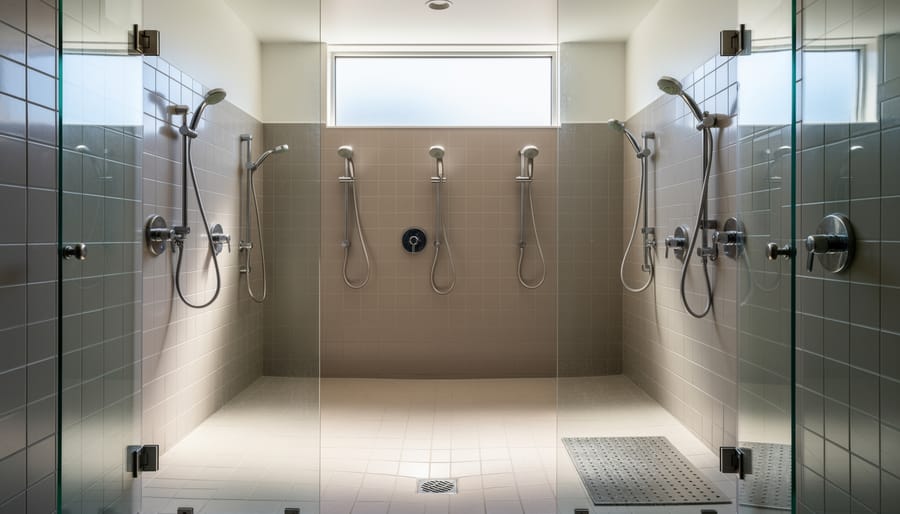
If you’re building a visual guide for first-timers, a photo of the shower interior layout or an annotated site map showing the route from the entrance to the stalls would help readers picture exactly where they’re headed.
Timing, Crowds and Insider Tips for a Calmer Visit
Timing can make the difference between a quick, peaceful rinse and a long wait with a towel over your shoulder. In general, early mornings and mid-afternoons tend to be calmer, since most campers cluster around the facility right before dinner or just before bed. Long weekends are the busiest, so expect a bit of a line on Friday and Saturday evenings and plan around it.
Seasons shift the rhythm too. Summer brings steady foot traffic and warm evenings when everyone has the same idea about a post-swim shower. In the shoulder seasons of spring and fall, it’s usually quieter, though the building can feel chilly, so a warm layer for the walk back is a smart move. Some facilities also open only for part of the year, so check the park’s official page or posted signs before you count on it.
If you do hit a busy stretch, a little patience goes a long way. Keep showers short, chat with your neighbours in line, and take the wait as a moment to slow down.
A couple of insider tips: keep a small bag of quarters handy in case a shower is coin-operated, and tuck a headlamp into your kit for early or late visits, when lighting can be dim.
Leaving It Better: Eco-Friendly Habits and Next Steps
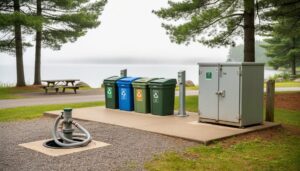
Before you walk out, take thirty seconds to leave the space the way you’d want to find it. The next camper will thank you, and so will the park. Pack out your towels, grab any trash, and give the stall or shower a quick glance. If you’re unsure where things go, the park’s guidance on waste disposal is worth a read before your trip.
Here’s a quick exit checklist to run through:
- All your belongings are collected, including that sneaky flip-flop.
- Taps are turned fully off, with no drips.
- Trash goes in the bin, not left on the bench.
- Floor and bench are clear of hair and debris.
- Any broken or unsafe issues are reported to park staff.
- Your water bottle is refilled at a signed potable source.
A few small habits go a long way for nature. Choose biodegradable soap, and still keep every drop of it out of lakes and streams, since even gentle products can harm aquatic life. Keep showers short and turn off the water while you lather.
Once you’re tidy, head back to camp or the trail feeling fresh and a little lighter.
Common Questions About the 150e Restroom and Showers
Are the showers free or paid?
Fees can vary by park and season, so check the posted signs or the park’s official page before you go.
Is the facility accessible?
Many Ontario parks offer accessibility features, but details differ by building. Confirm what’s available with park staff or the official page.
Is the tap water safe to drink?
Only drink from taps marked as potable. If a sign doesn’t say so, treat it as non-drinking water.
What if something is broken?
Step back and let park staff know. They’ll sort it out.
Still wondering about opening dates or seasonal hours? Those change, so a quick look at the official park page keeps you covered.
With a little preparation, a few safety habits, and some eco-friendly choices, your visit to the 150e restroom and showers will be quick, comfortable, and kind to the park. Take time to explore other restrooms, showers, and potable water facilities across Ontario’s parks, then enjoy the rest of your trip.



+ There are no comments
Add yours