
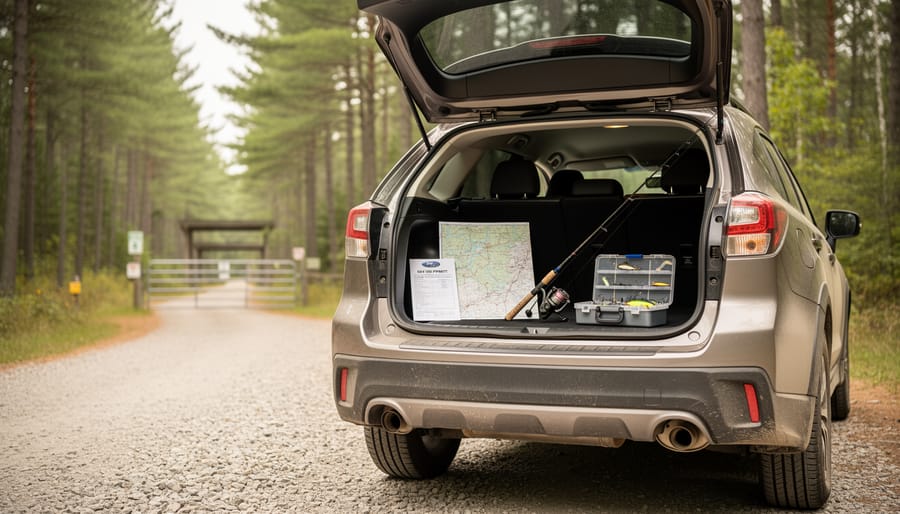
Short answer: in the Frontenac region, you’ll need a day-use or vehicle permit for most provincial park entrances, a separate reservation if you’re camping, and an Outdoors Card plus the right licence if you plan to fish. Parking is usually tied to the permit, so sorting it out before you leave home saves you a stressful stop at the gate. Plan on about ten minutes of prep, and nothing here is hard.
The tricky part is that “one regional licensing and permits” really means a handful of small systems working side by side. Parks have their own rules. Conservation areas often run theirs. Fishing is governed by a provincial licence with zone-specific limits. Once you know which category your outing falls into, the rest clicks into place.
I’ve pulled up to a trailhead at 7 a.m. with a car full of gear, only to realize I’d skipped the permit step and had no cell signal to fix it. Lesson learned. Now I book online the night before and keep a screenshot of the confirmation on my phone.
This guide walks through the access points, trailheads, campgrounds and activity permits worth knowing, plus a few insider tips (and simple ways to keep your visit gentle on the landscape). For current fees, hours and rules, always check the official sources before you go. They change, and the lakes and forests will be there either way.
Why One Regional Permit Plan Makes Your Ontario Trip Smoother
When people talk about regional licensing and permits, they simply mean the handful of passes and permissions that let you enjoy an area like the Frontenac region and the nearby Ontario Parks. That can include a day-use permit (your ticket in for a few hours), a seasonal pass (one purchase that covers repeat visits), a camping or backcountry permit (for overnight stays), a fishing licence (separate from park entry), and a vehicle permit (which covers your car in the lot).
Here’s the thing: each one answers a different question, but they all belong to the same trip. Treat them as one plan and you stop scrambling at the gate. You decide what you’re doing, match the right permit to it, and sort out where you’ll park before you ever turn the key. If you visit often, it’s worth looking at regional park passes which can simplify things when you’re hopping between parks.
And the payoff is real. This corner of Ontario is made for slowing down: glassy lakes at sunrise, forests that smell of cedar and pine after rain, and quiet trails where the loudest sound is a loon calling across the water. Good preparation means you spend your energy on all of that instead of on paperwork.
Fees and rules change, so I won’t quote numbers here. Always confirm current details with the park or the province, then head out relaxed and ready to soak it all in.
Your Regional Access Points, Permits, and Parking: Four Key Areas to Know
1. Park Gates and Day-Use Entrances
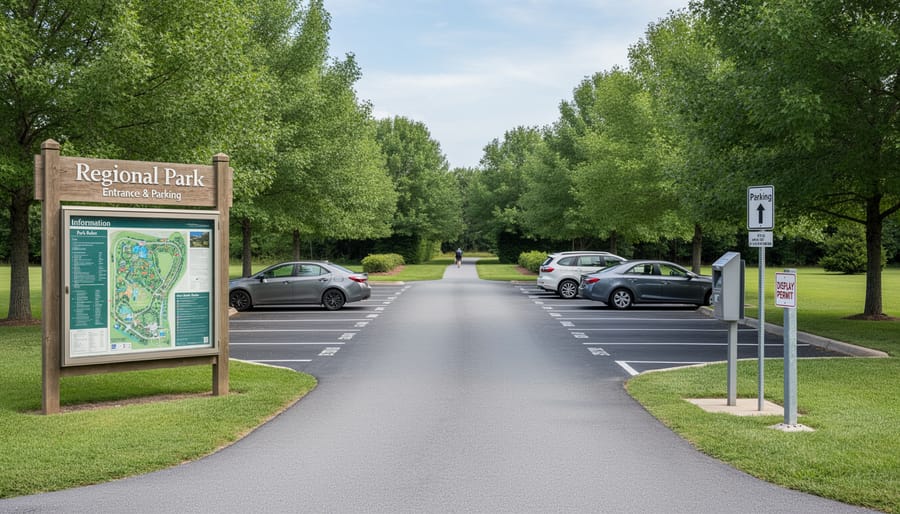
Pulling up to a park gate with no plan is how many of us learn the day-use rules the hard way. Most Ontario Parks and Frontenac-area parks charge a vehicle fee for day-use, and that single permit usually covers everyone in the car. You’ll typically pay at a gatehouse, use a self-serve pay-and-display station, or arrange your pass ahead of time.
If you can, sort it out before you leave home. Many visitors now buy daily permits online which means you can skip a possible lineup and head straight to the trail or beach. Once you have one, display it where staff can easily see it, usually on the dashboard or hanging from the rearview mirror.
Some parks work on a zone system, where different areas have their own parking rules and permit requirements. Our guide to zone parking permits explains how that works and why it can save you a lot of hassle.
On arrival, expect a quick check, a friendly hello, and a map or two. Staff are often happy to point out the quieter corners of the park, so don’t be shy about asking.
Rates, hours, and rules can change by park and by season, so check the official park page for current details before you go. A photo of the gate sign or a screenshot of your permit confirmation is a handy backup too.
2. Trailheads and Backcountry Access Points
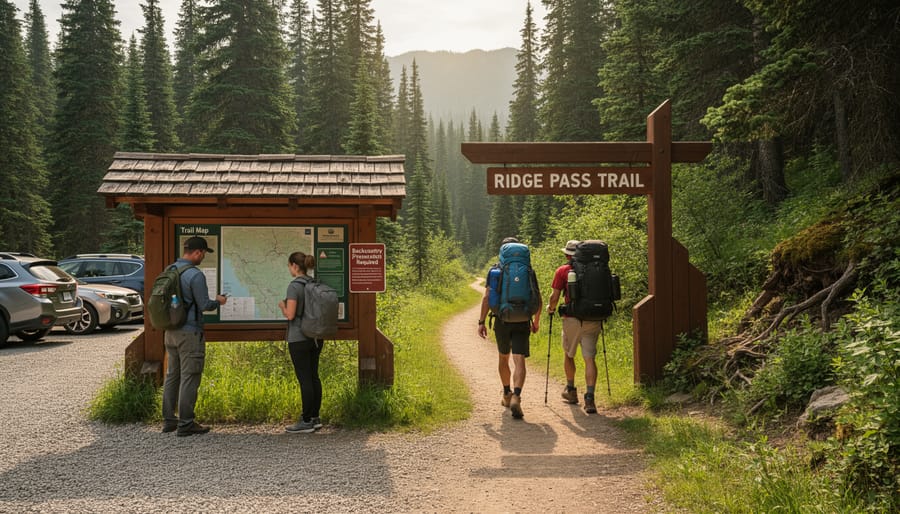
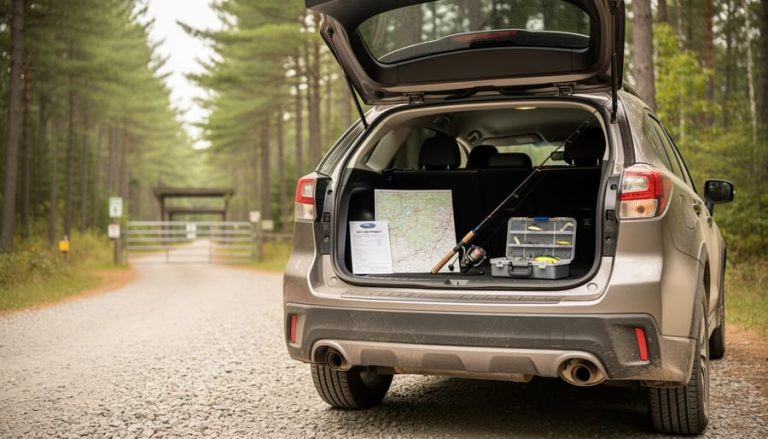
Backcountry access points work differently from the main gate. There’s usually no booth, no attendant, and sometimes no cell signal, so the paperwork you’d normally sort out on arrival needs sorting out before you leave home. Interior and backcountry routes commonly require an overnight permit or a registration tied to your planned route and dates, and some parks ask you to confirm your entry point when you book. Rules vary by park, so check the official park page for what applies to your trip.
Trailheads are often small gravel lots with limited space, so it pays to know the layout in advance. Our guide to trailhead parking covers what to expect so you’re not circling the lot while the morning slips away.
A few habits make these trips smoother:
– Download maps and directions for offline use, since signal can vanish well before the trailhead.
– Carry a paper map and compass as a backup, and know how to use them.
– Leave your route and expected return time with someone you trust, and check in when you’re out.
– Keep a copy of your permit handy, printed or saved on your phone, in case you’re asked to show it.
Finally, take a Leave No Trace mindset with you. Pack out everything you bring in, including food scraps and tissue, stay on marked trails so fragile ground can recover, and keep a respectful distance from wildlife. The quiet you came for stays quiet for the next visitor.
3. Campgrounds, Camping Permits, and Reservations
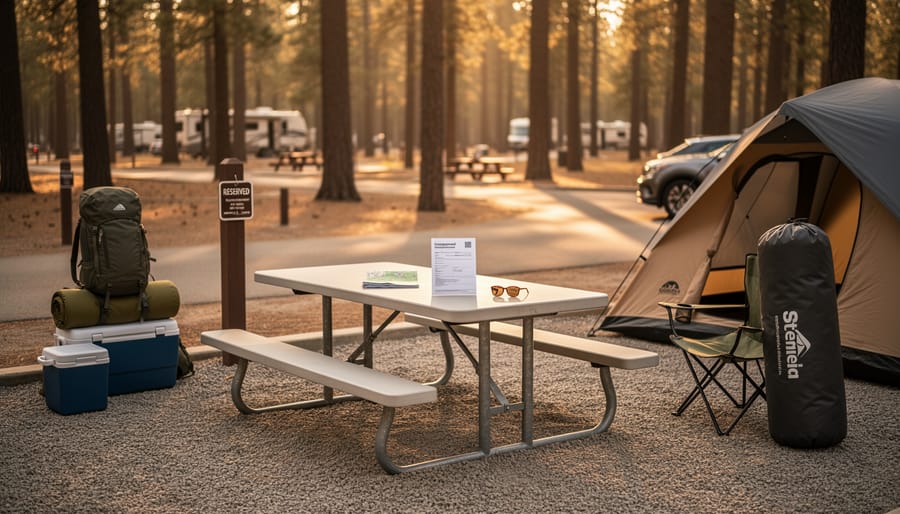
Reserving a campsite in Ontario’s parks is easier once you know there are two basic paths: car camping and interior camping.
For car camping, you pick a campground, choose a site type (electrical, non-electrical, group, or sometimes a roofed accommodation), and book through the official Ontario Parks reservation system. You’ll usually need an account, your dates, vehicle details, and payment. Your confirmation acts as your camping permit, so save it somewhere you can reach offline.
Interior camping, the paddle-in or hike-in kind, works a little differently. Instead of a numbered site, you often reserve an interior permit tied to a route, a lake, or a zone. It typically covers your party size and number of nights, and you’ll pick it up or confirm it at an access point or park office. Rules on group size and camping spots vary, so read the park’s page before you plan your route.
Popular periods fill up fast, so book as soon as reservations open for the dates you want. Flexible on days? Midweek stays tend to be easier to land, and checking back for cancellations can pay off.
A friend of mine, camping for the first time, assumed she could just show up at a gate and pick a spot. She ended up at a full campground, rethinking everything over a gas-station sandwich. Now she books early and prints her confirmation. Lesson learned, with a good story to tell.
4. Fishing Licences and Other Activity Permits

A park entry permit gets you through the gate, but it doesn’t cover what you do once you’re inside. Fishing is the classic example. In Ontario, most anglers need a separate fishing licence, and that licence has nothing to do with your vehicle permit or campsite booking. Think of them as two different keys: one opens the park, the other lets you wet a line.
Who needs one? Generally, anglers within a certain age range, along with some non-residents, so check the current rules before you pack the tackle box. There are also different licence types, such as short-term and season-long options, and rules on catch limits and sanctuary areas that change by region. Those details shift over time, so the Government of Ontario’s official fishing pages are the best place to confirm what applies to your trip.
Other activities can come with their own paperwork too. Boating, hunting, and some guided or commercial activities may need separate licences, registrations, or permissions, and backcountry areas sometimes add their own conditions.
Here’s an insider tip: sort your fishing licence before you leave home, ideally with a digital copy saved on your phone and a printed backup in a waterproof bag. Cell coverage can be patchy near the water, and nobody wants to be refreshing a webpage on a quiet lakeshore.
Practical Information: Getting There, Parking, and Timing
Parking Know-How for Busy Days
Parking on a busy day comes down to a little courtesy and a little planning. Stay inside marked stalls, and never block a gate, a trail entrance, or a service road, since emergency vehicles may need to get through. If you’re navigating to an unfamiliar trailhead, GPX and KML routes downloaded ahead of time can help you find the right lot, since cell coverage can be patchy.
- Arrive early, because popular lots often fill by mid-morning.
- Display your permit clearly on the dash, if one is required.
- Carpool when you can to save space and cut emissions.
- Keep valuables out of sight, or leave them at home.
- Check posted signs for time limits and restricted areas.
If a lot is full, don’t squeeze onto the shoulder or grass. Try another access point, wait for a spot to open up, or come back at a quieter time of day. Overnight parking is usually handled differently from day-use parking and may need a camping or backcountry permit, so confirm the rules with the park before you leave home.
Insider Tips for Smooth, Eco-Friendly Visits
A little prep goes a long way, and it’s usually the small things that make a visit feel effortless. Before you leave home, check the official park page for any notices, then bring a printed or downloaded copy of your permits and maps. Cell signal can vanish fast once you’re past the main road, so don’t count on pulling things up at the gate.
Timing matters too. Weekday and shoulder-season visits tend to be quieter, which means easier parking, calmer trails, and more room to simply listen to the forest. If you’re hoping to cut down on emissions, carpooling with friends is an easy win, and it’s worth looking into how to reach trails without a car when you want to leave the driving behind.
Once you’re out there, keep it simple and kind to the landscape. Stay on marked trails, pack out everything you brought in (yes, even the apple core), and leave rocks, plants, and shells where you found them.
I learned the value of planning the hard way. On one early trip, I arrived at a busy lot with no printed map and no permit saved offline, and spent twenty frustrated minutes hunting for a signal. The next time, I downloaded everything the night before, arrived on a Tuesday morning, and walked straight onto the trail with a thermos in hand. Same place, completely different day.
Common Questions About Ontario Regional Permits and Parking
Planning your trip often comes down to a handful of practical questions. Here are the ones visitors ask most, with answers that hold up season after season.
Do I need a permit for a short day visit?
In most cases, yes. Provincial parks and many regional areas ask for a day-use vehicle permit, even for a quick walk or a picnic, and some roadside trailheads on public land are free. Check the specific park’s official page before you leave.
Can one permit cover several parks?
Some seasonal passes cover multiple parks, while a standard day-use permit usually covers a single park on a single day. If you’re planning a multi-stop trip, compare the pass options on the official Ontario Parks site to see what suits your route.
Where do I buy a fishing licence?
Fishing licences are issued separately from park entry permits, and you buy them through the province’s official licensing channels. Rules differ by residency and age, so confirm what applies to you before you pack the rods.
Is overnight parking allowed?
Overnight parking is generally limited to registered campers or backcountry visitors with the right permit. If you’re leaving a car at a trailhead, ask the park first so you don’t come back to a surprise.
What if I lose my permit?
Contact the issuing office or the booking service as soon as you can, since many permits are tied to your reservation or licence plate and can be reissued. Keeping a photo of your permit on your phone makes this much easier.
Rules and fees can change, so the safest habit is to confirm details on the official Ontario Parks site or the managing authority’s page a day or two before you go. A quick check takes a few minutes and saves a lot of stress at the gate. If a question isn’t covered there, a short call to the park office usually clears things up.
Planning around your access point, your permits, and your parking spot is one of the easiest ways to turn a good day outdoors into a great one. When you know where you’re entering, what paperwork you need, and where the car will sit while you’re out on the trail, the rest of the trip gets simpler. You spend less time scrambling at the gate and more time watching the light move across the water.
Before you head out, take a few minutes to check the official park and provincial pages. Rules, fees, hours, and reservation windows can shift, and the people who manage these places are always the best source for what’s current. Save your permits and maps to your phone, and print a copy too, since cell coverage can vanish quickly once you leave the main road.
A little preparation also helps the landscape you came to enjoy. Park where you’re meant to, carry out everything you carry in, and stay on marked trails.
So pack the snacks, double-check the details, and go. Ontario’s parks are waiting, and they’re even better when you arrive ready and treat them with care.




+ There are no comments
Add yours