
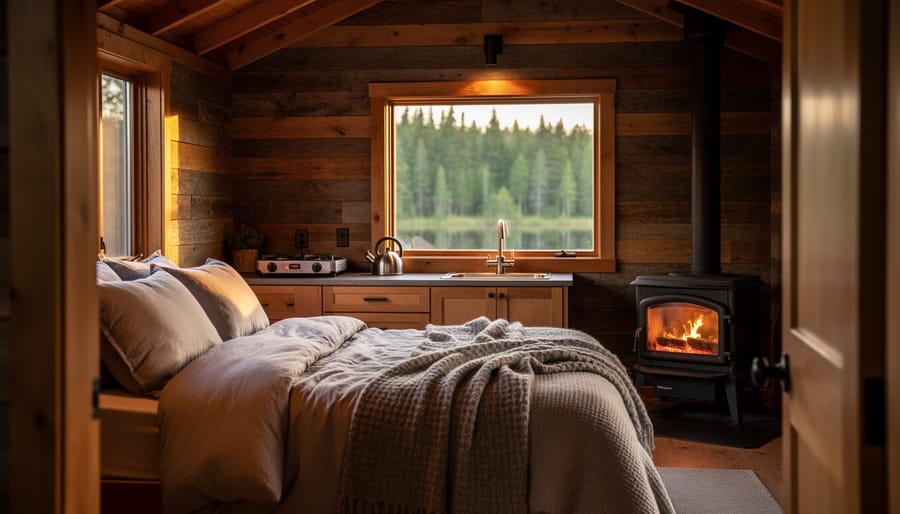
A 1 room cabin is exactly what it sounds like: a single, open-concept space that combines sleeping, cooking, and living areas under one roof. These compact getaways have become wildly popular across Ontario, offering an affordable and cozy retreat for solo travelers, couples, and small families who want to unplug without sacrificing comfort. You’ll typically find them tucked into provincial parks, on private cottage resort properties, and increasingly on remote lakefront parcels where the whole point is simplicity.
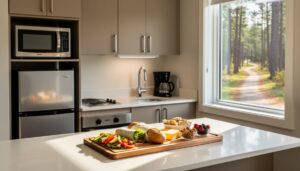
What makes these cabins special isn’t what they lack, but what they deliver: intimacy with nature, lower nightly rates than multi-room cottages, and that back-to-basics vibe that helps you actually relax. Most come equipped with a double or queen bed, a basic kitchenette or hot plate, and a small dining table. Some include a separate bathroom, while others offer shared facilities or even composting toilets for the truly rustic experience.
The beauty of a 1 room cabin is that you’re forced to slow down. There’s no guest bedroom to tidy, no sprawling layout to maintain. You wake up, make coffee three steps from your bed, and you’re looking at the lake or forest through the window before you’ve even finished yawning. For first-time cabin renters or anyone testing the waters of Ontario’s wilderness stays, these little shelters offer the perfect gateway.
What Makes a 1 Room Cabin Different
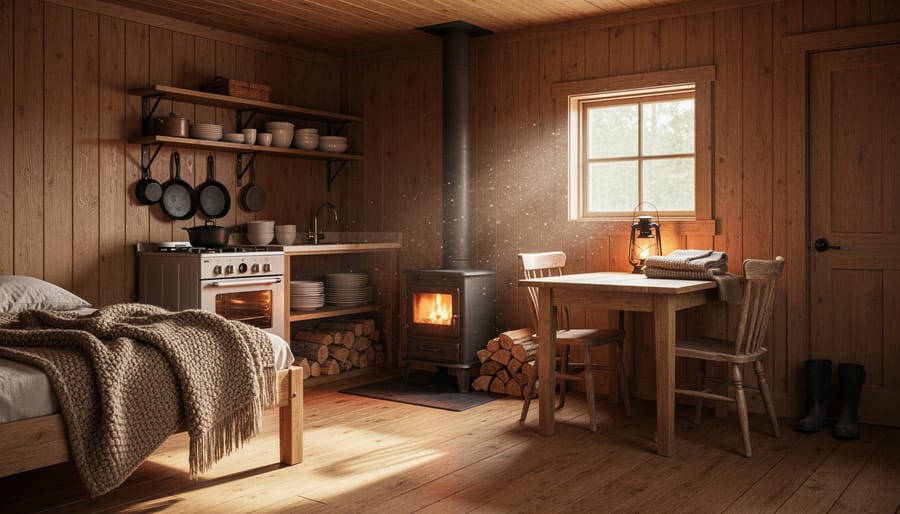
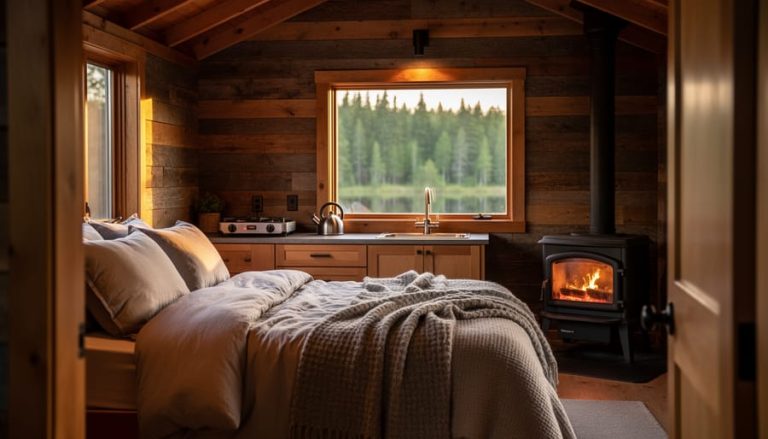
A 1 room cabin is exactly what it sounds like: one open space where you eat, sleep, and hang out together. Most clock in around 200 to 400 square feet, which is about the size of a large bedroom or small studio apartment. The charm lies in that simplicity. You’re not dealing with separate bedrooms, en-suite bathrooms, or fully equipped kitchens. Instead, you get four walls, a roof, some bunks or beds, and usually a wood stove or electric heater to keep things cozy.
What sets these cabins apart from other roofed stays is the minimalist mindset. Unlike multi-room cabins or cottages, you won’t find separate spaces for kids to retreat to or a private master bedroom. Everything happens in one shared area, which can feel intimate and cozy or a bit tight depending on your group. Compared to yurts, which offer a similar open-plan vibe, 1 room cabins feel more traditional and sturdy with their solid wooden walls and peaked roofs. Yurts have that canvas-wall charm and circular layout, while cabins deliver a classic log-and-timber aesthetic.
The rustic philosophy is key here. You’re choosing simplicity over convenience, and that trade-off comes with real rewards. No television noise, no Wi-Fi distractions, just you and your people sharing stories by the wood stove or watching the rain patter against the window. It’s camping with a roof over your head, perfect for folks who want nature without pitching a tent in a thunderstorm.
Where to Find 1 Room Cabins in Ontario Parks
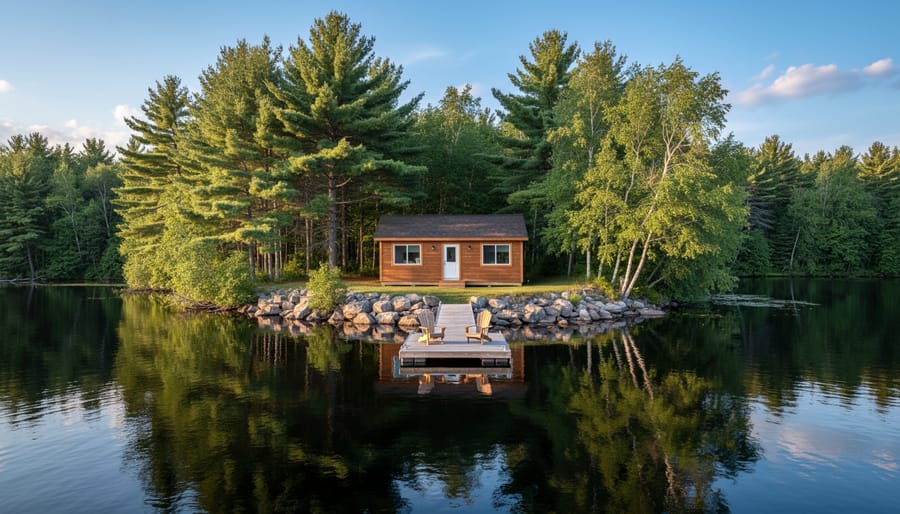
Ontario’s provincial and regional park system shelters dozens of 1 room cabins tucked into some of the province’s most stunning landscapes. Finding the right one depends on what kind of wilderness you’re after, whether that’s canoeing heaven, rocky shorelines, or quiet forest solitude.
Algonquin Provincial Park remains the crown jewel for cabin seekers. The park’s roster cabins, especially those along the Highway 60 corridor, offer that classic Muskoka vibe without the cottage price tag. Mew Lake cabins stay open year-round, making them ideal for winter adventurers who want a wood stove and snowshoe trails right outside the door. The catch? These book up fast, often within minutes when the reservation window opens.
Head northwest and Killarney Provincial Park delivers that iconic pink granite and white quartzite scenery you’ve seen on postcards. The George Lake cabins here put you steps from crystal-clear water and the start of the La Cloche Silhouette Trail. It’s a smaller, quieter park than Algonquin, so you get more solitude but fewer amenities nearby.
Frontenac Provincial Parkjust north of Kingston, flies under the radar compared to its famous cousins. The backcountry cabins here require a short hike or paddle to reach, filtering out casual visitors and rewarding you with serious peace. Think loons, stunning sunsets over Big Salmon Lake, and excellent fall colours without the crowds.
Out east, Charleston Lake Provincial Park offers waterfront cabins with a more intimate feel. The Sandstone Island cabin is accessible only by boat (which the park rents), giving you that remote-island experience without a multi-day paddle. It’s perfect for families wanting adventure with training wheels.
Insider tip: Most Ontario Parks cabins open for booking five months in advance through the online reservation system. Mark your calendar and log in right at 7 a.m. on opening day, popular weekends vanish in the first hour. Shoulder seasons (May and September) offer better availability and often nicer weather than peak summer, plus you can actually reserve campsites online without the mad scramble. Weeknight stays also see far less competition if your schedule allows flexibility.
What to Expect Inside Your One Room Retreat
The Essentials You’ll Find
Most 1 room cabins in Ontario parks stick to a reliable formula that keeps things simple without leaving you completely roughing it. You’ll almost always find built-in sleeping platforms or wooden bunks, usually enough to sleep 2-6 people depending on the cabin size. These aren’t fancy beds, just sturdy wooden frames where you’ll roll out your sleeping bag or place your own bedding.
A basic table and chairs anchor the space, giving you somewhere to eat, play cards, or spread out a map. Many cabins include simple shelving or hooks for organizing gear, trust me, you’ll use every single one when living out of a backpack for a few days.
For heat, most feature either a wood-burning stove or electric baseboards. Wood stoves create that classic cabin atmosphere and work perfectly during shoulder seasons, though you’ll need to gather or purchase firewood. Electric heat is less romantic but wonderfully reliable for late-fall stays.
Lighting typically means overhead bulbs and maybe a wall-mounted fixture or two. Some older cabins still rely on propane lamps, which actually adds to the charm once you get the hang of them. Don’t expect bedside reading lights, bring a headlamp for nighttime page-turning.
What You’ll Need to Bring
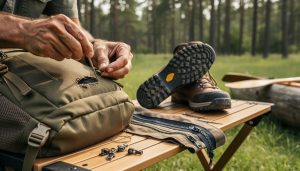
The beauty of a 1 room cabin is its simplicity, but that means you’re the one filling in the gaps. Start with bedding: sleeping bags or sheets, pillows, and blankets (cabins rarely provide linens). Pack a cooler with ice for perishables since most lack fridges, and bring all your food and drinking water, there’s no corner store around the bend. A camp stove or portable burner handles cooking if there’s no fire pit, plus pots, utensils, and dish soap. Don’t forget basics like toilet paper, towels, flashlights, matches, and a first aid kit. If you’re craving more creature comforts without sacrificing the outdoors vibe, kitchenette stays nearby offer a middle ground. But for cabin purists, embracing the prepare-for-basics mindset is half the adventure. Pack smart, stay organized, and you’ll have everything you need for a cozy, self-sufficient retreat.
Who Should Choose a 1 Room Cabin
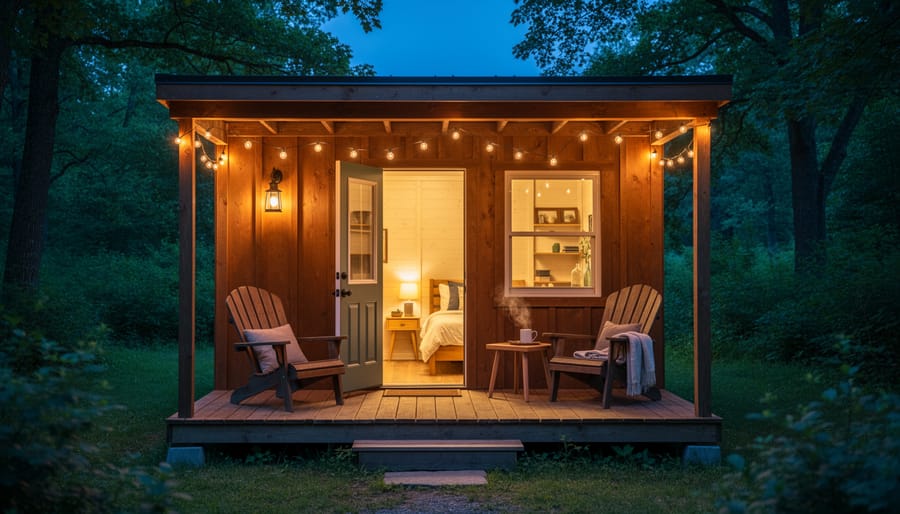
A 1 room cabin isn’t for everyone, and that’s perfectly okay. These cozy spaces shine brightest for specific types of adventurers.
Couples top the list. There’s something undeniably romantic about sharing a single intimate space surrounded by wilderness. No separate bedrooms mean you’re literally never more than a few feet apart, which creates a special closeness. Evening card games by lamplight, morning coffee on the front step, and the shared adventure of managing a compact space together make these cabins ideal romantic retreats.
Solo travelers absolutely thrive here. You get the security and comfort of four walls without the overwhelming emptiness of a large cottage. The manageable size feels just right when you’re on your own, and there’s no wasted space or unnecessary upkeep. Plus, the lower cost compared to bigger rentals makes solo trips more affordable.
Small families with younger children (roughly under 8) often find 1 room cabins perfectly suited to their needs. Parents can keep eyes on little ones easily, bedtime routines stay simple, and kids often love the “fort-like” coziness. Toddlers don’t need privacy yet, so the open layout works beautifully.
Minimalist campers seeking an upgrade from tents appreciate the simplicity. You get weather protection and a wood stove without sacrificing the stripped-down outdoor experience you crave.
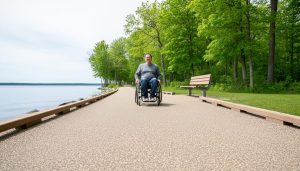
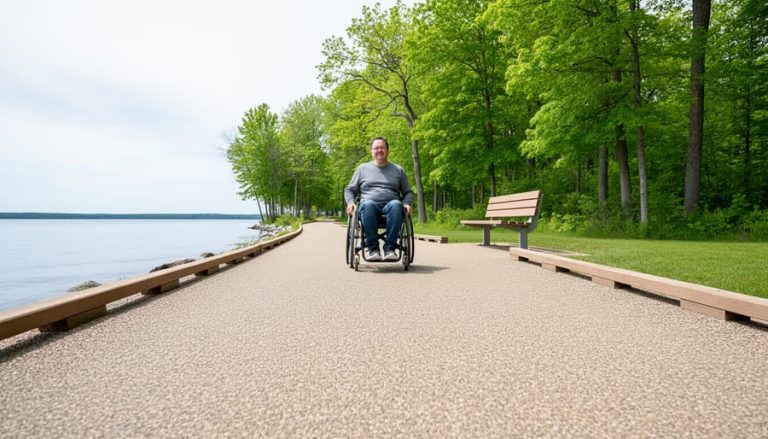
That said, larger families, groups wanting personal space, or visitors with specific mobility needs might prefer bigger cottages or accessible cabin options designed for wheelchairs and other requirements. Teenagers especially tend to clash in tight quarters. Know your group’s tolerance for closeness before booking.
Making the Most of Your Small Space Stay
Living comfortably in a one-room cabin is all about embracing the simplicity while being smart with the space you have. I’ve found that the key is treating your cabin as a base camp rather than a destination, you’ll spend most of your time outdoors anyway, so focus on making those indoor hours count.
Start by claiming your vertical space. Hooks are your best friend in a small cabin. Hang headlamps, jackets, and bags on wall pegs to keep the floor clear and everything accessible. Use your daypack or a stuff sack as makeshift shelving by hanging it from a bunk post. Rolling your clothes instead of folding them saves precious surface area, and keeping your sleeping bag stuffed during the day frees up bunk space for daytime lounging.
Create atmosphere with what you’ve got. A single candle lantern or your headlamp on red mode transforms the space from utilitarian to cozy once the sun sets. I always bring a small bluetooth speaker for evening music, and a deck of cards or a paperback book adds to that unplugged cabin vibe. If your cabin has a wood stove, the evening fire-tending ritual becomes surprisingly meditative.
Think of the outdoors as your extended living room. Set up camp chairs by the fire pit for morning coffee and evening stargazing. Hang a clothesline between trees for drying towels and swimsuits. Use a nearby picnic table as your kitchen prep area to keep cooking smells and crumbs outside. This outdoor-indoor flow makes even the smallest cabin feel spacious.
Practice low-impact habits that keep your space pleasant and protect the environment. Pack out all garbage, use biodegradable soap at least 70 meters from water sources, and keep food securely stored to avoid attracting wildlife. These simple practices ensure the next visitor, and the local ecosystem, enjoys the same pristine experience you did.
Booking Your 1 Room Cabin for 2026
Reserving your one-room retreat takes a bit of strategy, but it’s simpler than you might think. Ontario Parks cabins typically open for booking five months in advance, and popular locations fill fast, especially for summer weekends and fall colours season. Set a reminder for the booking window opening day and be ready to reserve right at 7 a.m. when the system goes live. Think of it like booking an RV spot the early bird truly gets the best dates.
Off-season is your secret weapon for availability and value. Late April through mid-June and September through October offer easier bookings, fewer neighbours, and spectacular scenery without the crowds. You’ll often find last-minute openings during these shoulder months.
Most cabins run between $80 and $120 per night through Ontario Parks, with private operators ranging wider depending on amenities and location. Book directly through the Ontario Parks reservation system online or by phone for provincial sites. For private cabins, contact operators directly and ask about their cancellation policies upfront, they vary significantly.
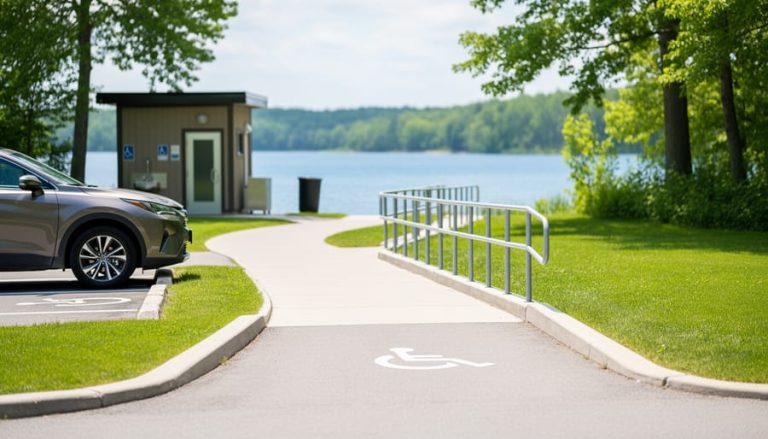
If you need accessible accommodations, call the park office directly rather than booking online. Staff can help match you with cabins that meet your specific mobility needs and answer questions the website doesn’t cover. They’re incredibly helpful and want you to have a great stay.
Common Questions About 1 Room Cabins
Are 1 room cabins accessible for people with mobility challenges?
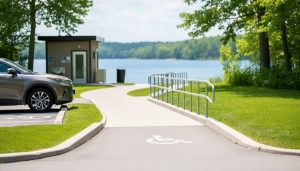
Most 1 room cabins in provincial parks aren’t wheelchair accessible due to their rustic design, steps, and narrow doorways. However, some parks offer accessible roofed accommodations, check with Ontario Parks directly when booking if you need barrier-free features.
Can I bring my dog to a 1 room cabin?
Pet policies vary by location. Many Ontario Parks cabins don’t allow pets inside the structures, though dogs are welcome on trails and in campgrounds. Private cabin operators often have more flexible pet policies, so ask before booking.
Do 1 room cabins have heat for winter stays?
Most feature wood stoves or electric heaters. Winter-ready cabins are winterized with proper insulation, though you’ll need to keep the stove stoked. Some parks close their cabins seasonally, so verify winter availability when planning cold-weather trips.
Will I have cell phone service at my cabin?
Don’t count on it. Many 1 room cabins sit in remote areas with spotty or non-existent cell coverage. That’s part of the appeal for digital detox seekers, but plan accordingly if you need connectivity for emergencies.
How far are facilities like showers and toilets?
Expect a short walk. Most cabins have outhouses nearby, while showers and comfort stations might be 100-300 meters away in a central area. Some private cabins include basic plumbing, but provincial park options typically share facilities.
How does staying in a 1 room cabin compare to tent camping?
You get four walls, a roof, and a real bed instead of sleeping on the ground. It’s easier than tent camping, no setup, better weather protection, but more rustic than hotels near parks. Think of it as a middle ground that delivers the outdoor experience with a bit more comfort.
These answers cover what most first-timers wonder about before booking. The beauty of 1 room cabins is their simplicity, but that means adjusting expectations around modern conveniences. If you need full amenities, consistent heat, and guaranteed connectivity, a cottage or lodge might suit you better. But if you’re ready to embrace a slower pace with just enough shelter to stay cozy, these cabins deliver exactly what they promise.
There’s something wonderfully liberating about simplifying your outdoor experience down to just one room. You shed the excess, focus on what matters, and discover that a cozy cabin, a crackling fire, and the sounds of the forest outside are really all you need for a perfect getaway.
Whether you’re testing the waters before committing to backcountry camping or you simply want a no-fuss retreat where someone else built the shelter, 1 room cabins deliver. They’re affordable, widely available across Ontario’s parks, and they strike that sweet spot between camping and cottaging that so many of us crave.
The beauty is in their accessibility. You don’t need expensive gear, advanced wilderness skills, or a huge budget. Just pack your essentials, book a weekend, and show up ready to unplug. You might be surprised how quickly that single room feels like home, and how much you don’t miss what you left behind.
So grab your favourite person (or enjoy some solo time), throw your sleeping bag in the car, and give a 1 room cabin a try this year. Ontario’s forests are waiting, and your simplest adventure yet might become your most memorable.

+ There are no comments
Add yours