

Start by choosing your itinerary based on honest self-assessment of your paddling fitness and portaging strength. The Northern Canoe Trail through Frontenac Provincial Park demands respect—this isn’t a beginner’s weekend jaunt, but it’s absolutely achievable with proper planning. Most paddlers complete the full 62-kilometer loop in 4-6 days, though I’ve seen confident teams knock it out in three and leisurely explorers stretch it to seven blissful days on the water.
Map your daily distances around the trail’s notorious portages rather than arbitrary mileage goals. The 2.8-kilometer Big Salmon Lake portage will humble even experienced paddlers, so plan a short paddling day before or after tackling it. Build your itinerary with backup campsites marked for each night—this route sees heavy traffic during peak season, and your perfect campsite might already be claimed when you arrive.
Download offline maps and mark every portage landing before you lose cell service. I learned this the hard way after spending forty minutes searching for an overgrown portage entrance in fading daylight. The trail’s portages aren’t always obvious from the water, especially after spring flooding reshapes shorelines. GPS coordinates for each carry are your insurance policy against wasted paddle strokes and frayed nerves.
Connect with other paddlers who’ve recently completed the route through Ontario trail adventures forums and trip report sites. Water levels fluctuate dramatically throughout the season, affecting portage difficulty and campsite accessibility. What worked perfectly in July might be completely different in September. Fresh intel from recent paddlers beats outdated guidebook information every time, especially regarding portage conditions and beaver dam obstacles that can appear overnight.
What Makes the Northern Canoe Trail Special

Trail Highlights and Natural Features
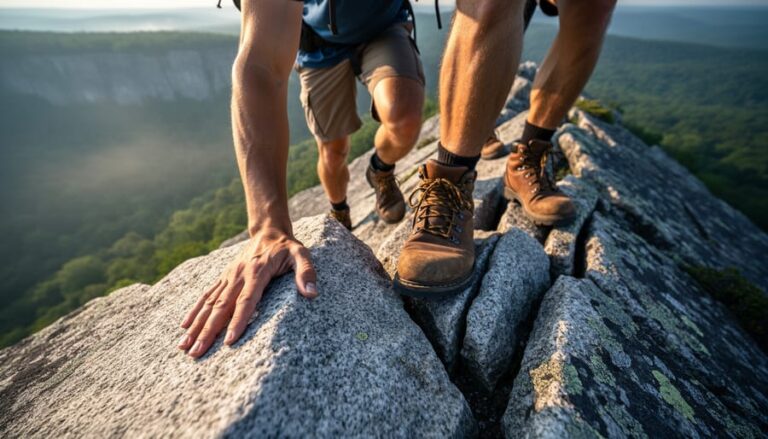
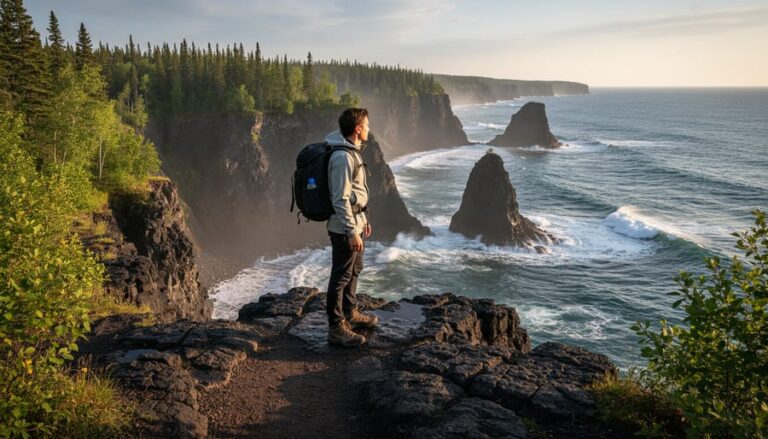
Paddling the Northern Canoe Trail feels like entering a living postcard where every bend reveals something worth remembering. The route winds through classic Canadian Shield country, where ancient granite formations rise dramatically from crystal-clear waters. These billion-year-old rock faces, sculpted smooth by glaciers and weathered into fascinating shapes, create natural landmarks that help with navigation and provide stunning backdrops for your lunch breaks.
The waterways themselves are incredibly diverse. You’ll glide across mirror-like lakes where the reflections are so perfect you might feel disoriented, then navigate narrower channels where overhanging cedars create green tunnels overhead. The water clarity is remarkable in many sections, letting you spot schools of smallmouth bass darting below your hull or the occasional painted turtle sunning on a log.
Wildlife sightings are frequent and memorable. Early morning paddlers often spot moose feeding in shallow bays, their massive antlers dripping as they lift their heads. Loons are your constant companions, their haunting calls echoing across the water at dawn and dusk. Keep your eyes on the shoreline for beaver lodges, great blue herons stalking the shallows, and if you’re lucky, a family of otters playing along the rocks.
Insider tip: The granite slabs along the route make incredible lunch spots, warming beautifully in the sun while offering panoramic views. Just remember to pack out everything you bring, as these pristine landscapes depend on our eco-friendly practices to stay beautiful for future paddlers.
A Bit of History Worth Knowing
Long before anyone called it the Northern Canoe Trail, these waterways were highways for Indigenous peoples who navigated them with incredible skill for thousands of years. The Anishinaabe and other First Nations communities used these routes for trade, seasonal travel, and sustaining their way of life, reading the landscape in ways that still humble modern paddlers.
When European fur traders arrived in the 1600s and 1700s, they didn’t blaze new trails—they followed the same water routes Indigenous guides showed them. The voyageurs, those legendary paddlers of the fur trade era, hauled massive loads through these very waterways, connecting remote northern communities to trading posts. You’re literally paddling through living history here.
What I find remarkable is how little the essential nature of these routes has changed. Sure, we’ve got lightweight Kevlar canoes and GPS devices now, but the portages, the flow of the water, the camping spots on granite shelves—these are the same landmarks paddlers have relied on for centuries. When you’re hauling your canoe across a well-worn portage trail, take a moment to appreciate you’re walking in some pretty impressive footsteps.
Planning Your Northern Canoe Trail Adventure
Best Season and Weather Considerations
Timing your Northern Canoe Trail adventure can make all the difference between an incredible journey and a challenging slog. I’ve paddled this route in different seasons, and here’s what you need to know.
The sweet spot for most paddlers runs from mid-June through September. Early summer (June to early July) brings longer daylight hours and spectacular wildflowers along the portages, but prepare yourself for blackflies and mosquitoes. Seriously, bring the best bug repellent you can find and consider a head net for portages. The bugs typically calm down by late July.
Late July through August offers the most reliable weather, with warmer water temperatures perfect for that refreshing post-paddle swim. Expect daytime highs around 20-25°C, though northern Ontario weather can surprise you with cooler stretches. Water temperatures peak in August, making capsizes less of a shock to the system.
September is my personal favorite, despite slightly cooler conditions. The bugs have virtually disappeared, the fall colors start painting the landscape in brilliant reds and golds, and you’ll have many campsites to yourself. Just pack extra layers, as temperatures can dip to single digits at night.
Pro tip: Whatever season you choose, always prepare for rain and pack a warm fleece. Northern weather changes quickly, and I’ve experienced everything from scorching sun to chilly downpours within the same afternoon. Check long-range forecasts before departure, but stay flexible with your itinerary.
Skills and Fitness You’ll Need
Let me be honest with you—the Northern Canoe Trail isn’t a beginner’s weekend getaway. You’ll need solid intermediate paddling skills and reasonable fitness to tackle this route comfortably. Most days involve 4-6 hours of active paddling, and you’ll encounter anywhere from 10-15 portages depending on your chosen route, some stretching over a kilometer with rocky, root-riddled terrain.
The good news? You don’t need to be an Olympic athlete. If you can carry a 60-pound canoe on your shoulders for 15-20 minutes and handle basic J-strokes and draw strokes, you’re in good shape. Previous multi-day canoe camping experience is highly recommended since you’ll be carrying all your gear.
Here’s my insider tip: practice your portaging technique before you go. Load up your canoe at a local park and walk around with it. Your neck and shoulders will thank you later. Also, invest in a good portage yoke—it makes all the difference on those longer carries.
Weather can change quickly up here, so strong paddling skills in wind and waves are essential. If you’re feeling uncertain about your abilities, consider hiring a guide for your first trip or joining a group expedition. There’s no shame in building up to this adventure, and you’ll enjoy it far more when you’re properly prepared.
Permits, Fees, and Reservations
Good news – the Northern Canoe Trail doesn’t require permits or advance reservations, which means you’ve got fantastic flexibility with your trip planning! This makes it ideal for spontaneous paddlers or those whose schedules shift at the last minute.
That said, you’ll want to budget for Ontario Parks vehicle permits if you’re launching from provincial park access points. A daily vehicle permit runs around $20, or grab a seasonal pass if you’re planning multiple Ontario paddling adventures this year – it pays for itself quickly.
There are no camping fees along the route itself since you’ll be on Crown Land for most of your journey, but practice Leave No Trace principles to keep these wild spaces pristine for future paddlers. An insider tip: download offline maps before you go, as cell service is virtually non-existent once you’re on the water.
If you’re renting canoes or gear from local outfitters in Temagami or nearby towns, book ahead during peak summer months (July and August especially). They can also shuttle your vehicle to your takeout point for a reasonable fee, which eliminates the headache of arranging your own car shuffle.
Sample Itineraries for Every Experience Level
The Weekend Warrior Route (2-3 Days)
Short on time but big on ambition? I totally get it – not everyone can spare a full week, but that doesn’t mean you should miss out on this incredible paddling experience. Here’s my go-to weekend warrior route that captures the Northern Canoe Trail’s magic without requiring vacation days.
Start at Grundy Lake Provincial Park and paddle through the scenic Lake Wahwashkesh chain. This condensed version covers roughly 40 kilometers with just three manageable portages, each under 500 meters. You’ll still experience that quintessential Canadian wilderness feel – towering pines, rocky shorelines, and possibly a moose sighting or two.
My insider tip: Launch early Saturday morning to secure prime campsites on Wahwashkesh Lake’s western shore. These spots offer stunning sunset views and excellent fishing. Spend Sunday exploring the quiet bays before tackling the return portages on day three.
Focus your energy on paddling rather than portaging by packing ultralight gear. I’ve learned that a single Duluth pack per person beats multiple bags every time when you’re moving fast.
This abbreviated route proves you don’t need endless time to create meaningful wilderness memories. The same ancient granite and whispering pines await, just in a more concentrated dose perfect for testing your paddling legs before committing to longer adventures.
The Classic Northern Experience (5-7 Days)
For most paddlers tackling the Northern Canoe Trail for the first time, a 5-7 day journey offers the perfect balance of adventure and accessibility. This itinerary suits intermediate paddlers who are comfortable handling multiple portages and spending consecutive nights in the backcountry.
Start your journey at Magnetawan Lake, where the trail officially begins. Day one is a gentle introduction, covering roughly 12 kilometers to Wahwashkesh Lake. You’ll navigate two short portages (both under 500 meters), giving you a taste of what’s ahead without overwhelming your shoulders. Camp at one of the established sites on Wahwashkesh’s eastern shore, where you’ll often spot loons gliding across the water at sunset.
Days two and three involve the heart of the route, with longer paddling stretches of 15-18 kilometers daily. You’ll cross Hambone Lake and Silver Lake, tackling several moderate portages along the way. Here’s an insider tip: start early on day three to cross Silver Lake before afternoon winds pick up. The campsites on McIntyre Lake make an ideal midpoint stop, offering sandy beaches and excellent swimming.
Days four and five take you through the stunning French River system, where Canadian Shield granite meets crystal-clear water. Watch for ancient Indigenous pictographs on shoreline rocks near Eighteen Mile Island. The paddling distance drops to a more leisurely 10-12 kilometers, allowing time to explore side channels.
For eco-friendly paddlers, remember to use designated campsites only and pack out everything you bring in. Wildlife sightings increase dramatically when you minimize your impact. Budget extra days for weather delays or simply to enjoy fishing and photography at your favorite spots along the route.
The Extended Wilderness Journey (7+ Days)
For those with the luxury of time, extending your Northern Canoe Trail adventure beyond a week opens up a whole new dimension of wilderness exploration. This is when the trail truly becomes transformative—you’ll shift from simply moving through the landscape to actually inhabiting it.
With seven to ten days at your disposal, you can explore fascinating side routes that most paddlers miss. Consider detouring into secluded lakes where you might be the only visitors for days. Take an afternoon to fish that promising bay or simply float lazily, watching clouds drift overhead. One insider tip: add an extra day at Biggar Lake, where a hidden waterfall accessible by a rough 500-meter bushwhack rewards adventurous souls with a stunning natural pool perfect for a refreshing swim.
Extended trips also mean less pressure on your body. Instead of grinding through four portages in a day, tackle two and spend your afternoon reading, wildlife watching, or perfecting your campfire cooking. You’ll notice things rushed trippers miss—the osprey nest on Rainy Point, the beaver lodge near Devil’s Gap, the carpet of wild blueberries ripening in mid-July.
Pack a paperback journal and allow yourself genuine rest days. This isn’t about conquering kilometers; it’s about reconnecting with wilderness rhythms and returning home genuinely refreshed.
Portages and Campsites: What to Expect
Tackling the Toughest Portages
Let me be honest with you: some of the portages on the northern canoe trail will test your determination. But with the right approach, even the longest carries become manageable adventures rather than exhausting slogs.
The longest portage you’ll face typically stretches around 2,600 meters between certain lake connections, usually taking 2-3 trips for most paddlers carrying standard gear. I’ve learned the hard way that breaking these monsters into segments makes all the difference. On my first attempt, I pushed through in one go and was absolutely spent. Now I mentally divide long portages into thirds, taking a proper rest at each marker.
Terrain varies dramatically. You’ll encounter everything from smooth, well-maintained paths through pine forests to rocky scrambles with exposed roots that seem designed to catch your paddle tip. The boggy sections after heavy rain are particularly challenging, so pack light rubber boots that compress easily in your dry bag.
Here’s an insider tip that transformed my portaging experience: invest in a proper portage yoke or padding for your canoe. Your shoulders and neck will thank you profusely. Also, scout ahead without your gear on unfamiliar portages. Those five extra minutes of reconnaissance often reveal easier routes or trouble spots to avoid.
For the steeper carries with elevation changes, use the rest-step technique borrowed from mountaineering: pause briefly with each step to let your rear leg carry your weight. It sounds slow, but you’ll maintain energy far longer. And remember, there’s zero shame in taking multiple breaks. The goal is finishing strong, not proving anything to anyone.
Prime Camping Spots Along the Way
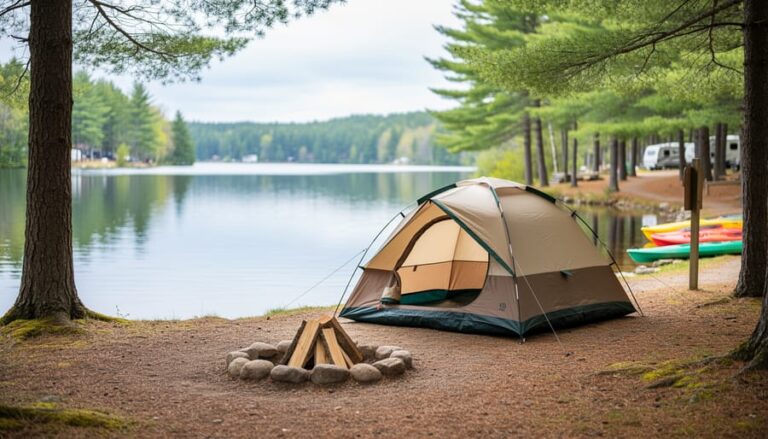
Finding the perfect campsite can make or break your northern canoe trail experience, and I’ve learned that claiming a prime spot early in the day is absolutely worth the effort. Here are my top recommendations that’ll have you waking up to views you won’t soon forget.
Cedar Island, roughly halfway through most routes, offers elevated tent platforms with sweeping panoramas of the surrounding waterways. The natural rock outcroppings provide excellent wind shelter, and there’s a fire pit positioned perfectly for sunset watching. I always aim to reach this spot by 3 PM since it’s popular for good reason. Insider tip: the site has a natural food hang between two tall pines that saves you the hassle of rigging your own.
For paddlers seeking solitude, the western shoreline sites near the narrows are genuine hidden gems. These spots feature moss-covered forest floors that make surprisingly comfortable sleeping areas, plus they’re tucked into protective coves that shield you from unpredictable northern winds. The birch groves here are stunning, especially during golden hour photography.
My personal favorite is Granite Point, where you’ll camp directly on the Canadian Shield. Yes, it’s rocky, but the 180-degree water views and incredible star-gazing more than compensate. There’s also a natural sandy beach perfect for morning swims. Eco-friendly reminder: these pristine sites lack built infrastructure, so practice leave-no-trace principles religiously.
Book popular sites ahead when possible, and always have backup options since weather and fellow paddlers can affect availability.
Packing Smart for This Route

Essential Gear That’ll Save Your Trip
Here’s what I wish someone had told me before my first Northern Canoe Trail trip: invest in a lightweight canoe yoke with extra padding. Those portages are no joke, and your shoulders will thank you profusely. I learned this the hard way with some serious bruising on day two.
A quality waterproof barrel or two beats dry bags every time on this route. The rocky shorelines and frequent afternoon winds mean waves will crash over your gunwales more often than you’d expect. Keep electronics and sleeping gear in the barrels, and you’ll sleep dry every night.
Don’t skimp on bug protection between June and August. I’m talking headnets, long sleeves with built-in insect repellent, and a good thermacell for camp. The blackflies here are legendary, and they can turn a beautiful campsite into misery quickly.
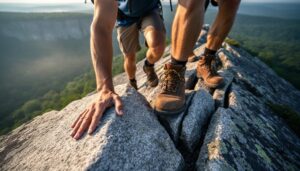
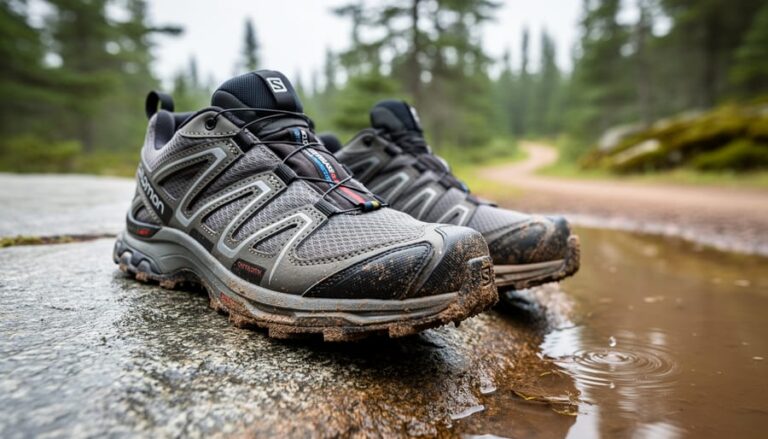
Bring water shoes with good grip for the portages. Many trails cross slippery moss-covered rocks and muddy sections. Regular hiking boots just don’t cut it when you’re constantly transitioning between water and land. One paddler I met swore by her neoprene booties with rubber soles, perfect for both paddling and portaging.
Eco-Friendly Camping on the Trail
Paddling through Ontario’s pristine waterways comes with a responsibility to protect them for future adventurers. The Northern Canoe Trail winds through some remarkably untouched wilderness, and keeping it that way requires everyone to pitch in.
Start by treating campsites like borrowed treasures. Use established fire rings rather than creating new ones, and only burn small sticks you can break by hand. I’ve seen too many scarred lakeshores from oversized fires, so keep yours modest and fully extinguish it with water before bed and departure. Pack out everything you pack in, including that tiny piece of foil from your energy bar.
When it comes to human waste, dig catholes at least 200 feet from water sources and bury waste six to eight inches deep. Many paddlers bring a lightweight trowel specifically for this purpose. For washing dishes or yourself, use biodegradable soap sparingly and always well away from the lake.
Here’s an insider tip: bring a mesh bag for any trash you find along the way. You’d be surprised how much goodwill this creates with other paddlers and how satisfying it feels leaving campsites cleaner than you found them. The trail rewards those who respect it with unforgettable experiences and pristine beauty.

Wildlife and Safety Considerations
Sharing the Trail with Bears and Moose
Paddling through northern Ontario means sharing the wilderness with its most iconic residents—black bears and moose. I’ll be honest, my first bear sighting got my heart racing, but with proper precautions, these encounters become thrilling highlights rather than stressful situations.
Food storage is your number-one priority. Every campsite requires a proper bear hang—suspend your food barrel at least 4 meters high and 2 meters from the trunk. I always pack 15 meters of rope specifically for this. Here’s an insider tip: hang your food as soon as you arrive at camp, not after dinner when you’re tired. Bears are most active at dawn and dusk, so keep your cooking area at least 30 meters from your tent.
If you spot a bear, stay calm and make yourself known by speaking in a firm voice. Never run. Most bears will move along once they realize you’re human. Carry bear spray on your PFD where you can actually reach it—not buried in a pack.
Moose encounters happen frequently along marshy shorelines. Give them wide berth, especially cows with calves in early summer. If a moose appears agitated with laid-back ears, back away slowly and put trees between you.
Making noise while portaging prevents surprises. I clip a small bell to my pack—it’s worked perfectly for years.
Staying Safe on the Water
Before you dip your paddle, let’s talk safety—because the best adventure is one you return home from with great stories. The Northern Canoe Trail is generally calm and welcoming, but Mother Nature keeps you on your toes.
Start each morning by checking the weather forecast. Northern Ontario weather can shift quickly, especially in shoulder seasons. If you see dark clouds rolling in or feel that sudden temperature drop, paddle toward your nearest campsite. Wind is your biggest challenge here—afternoon gusts can whip up whitecaps on the larger lakes, making progress exhausting and potentially dangerous. My insider tip? Paddle early mornings when waters are typically glass-smooth.
Know your water hazards. Shallow rocky areas lurk near portage entrances, and submerged logs love hiding in murky bays. Wear your PFD always—no exceptions. It’s not just smart; it’s the law.
Pack a waterproof emergency kit with a whistle, fire starter, first aid supplies, and a satellite communicator or spot device. Cell service is patchy to nonexistent out here. Leave your detailed itinerary with someone at home, including expected check-in times.
Eco-friendly reminder: practice your self-rescue techniques before the trip. Knowing how to re-enter your canoe from deep water could save your life without requiring outside help.
Getting There and Getting Started
Accessing the trail begins with choosing your put-in point, and you’ve got options depending on which section you’re tackling. Most paddlers start from Highway 60 access points if launching from the south, while those coming from the north typically use Cache Lake or Kawawaymog Lake as their entry. The main parking areas fill up quickly during peak season (July and August), so arrive early or consider a weekday start to snag a spot.
Here’s an insider tip: if you’re planning a one-way paddle, arranging a vehicle shuttle is essential. Several outfitters in Huntsville and Dwight offer shuttle services for around 100 to 150 dollars, which beats the hassle of hitchhiking or leaving a bike at the takeout. I’ve done both methods, and trust me, the professional shuttle is worth every penny when you’re exhausted after days on the water.
For last-minute supplies, Huntsville is your best bet for comprehensive shopping about 45 minutes from most access points. You’ll find grocery stores, outdoor gear shops, and even a few places to grab a hot breakfast before hitting the water. Dwight is closer but more limited, though the general store there stocks essentials like bug spray, sunscreen, and fishing licenses.
Don’t forget your backcountry camping permit, which you can purchase online or at the park office. Book campsites well in advance during summer months as popular spots disappear fast. An eco-friendly suggestion: consider carpooling with fellow paddlers you meet through online forums to reduce your carbon footprint and potentially split shuttle costs. Many paddling communities are incredibly welcoming and happy to coordinate group trips.
There’s something magical that happens when you push off from shore on the Northern Canoe Trail. The rhythm of paddle strokes, the whisper of wind through pine trees, and the call of loons gradually strip away the noise of everyday life. You return home transformed, carrying wilderness memories that settle deep in your bones.
I remember finishing my first Northern Canoe Trail journey with aching shoulders and a heart so full it could burst. Standing at the final takeout, I realized the hardest part wasn’t the portages or early morning paddles through mist. It was convincing myself months earlier that I was ready to try. If you’re reading this and feeling that pull toward the water, trust it. You’re more prepared than you think.
The difference between a good trip and an unforgettable Ontario wilderness experience comes down to planning. Take time with your itinerary, practice your portage techniques before departure, and pack with intention rather than panic. Pack out everything you bring in, and leave campsites better than you found them.
The Northern Canoe Trail isn’t going anywhere. It’s been here for generations and will welcome paddlers for generations to come. But your chance to experience it starts with one decision: committing to go. Your adventure awaits on those northern waters. All you need to do is take that first stroke.

+ There are no comments
Add yours