
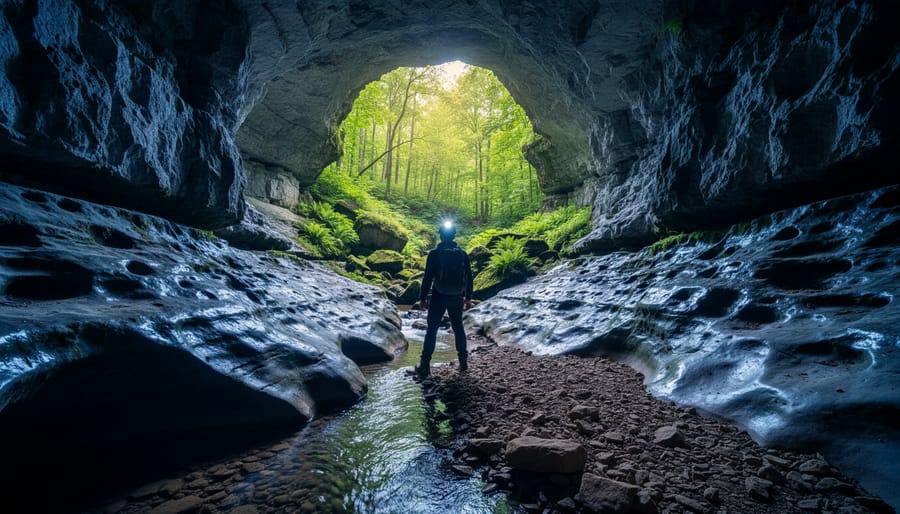
Beneath Ontario’s forests and farmlands lies a hidden world sculpted by water over millennia. Limestone bedrock dissolves drop by drop, creating underground rivers, cathedral-sized chambers, and sinkholes that swallow entire streams. This is karst terrain, and Ontario has thousands of these geological wonders tucked away in places most travelers never think to explore.
You’ve probably driven past cave entrances without realizing it. That roadside depression near Collingwood? Likely a collapsed sinkhole. The cold air rushing from rocks along the Niagara Escarpment? An underground passage breathing beneath your feet. These aren’t just curiosities for hardcore spelunkers wearing headlamps and muddy coveralls. Many of Ontario’s karst features welcome families, casual hikers, and anyone craving something beyond the typical cottage weekend.
Cave and karst landscapes tell stories spanning 450 million years. Ancient coral reefs became the limestone bedrock that rainwater now carves into mazes. Ice Age meltwater accelerated the sculpting process, leaving behind passages where you can touch fossils embedded in walls and watch underground streams disappear into darkness. But here’s what makes exploring these spaces urgent: karst ecosystems are incredibly fragile. A single handprint can damage formations that took thousands of years to grow. Groundwater contamination travels fast through these natural pipelines, affecting entire watersheds.
Smart geotourism means experiencing these wonders while keeping them intact for future generations. Whether you’re planning to photograph limestone cliffs, venture into beginner-friendly caves, or simply understand why protecting aquifers matters, Ontario’s karst regions offer unforgettable adventures that connect you to deep time and fragile beauty. Let’s explore how to discover these underground treasures responsibly.
What Makes Ontario’s Caves and Karst Special
The Science Behind the Stone (Made Simple)
Think of karst landscapes like nature’s own version of a sugar cube dissolving in your morning coffee, except this process takes thousands of years instead of seconds. When rainwater picks up carbon dioxide from the air and soil, it becomes slightly acidic – imagine a very, very mild vinegar. This acidic water seeps into cracks in limestone, slowly dissolving the rock bit by bit.
Here in Ontario, we’re incredibly lucky to have some of the oldest limestone formations in North America, dating back over 450 million years. Our bedrock tells an ancient story of when this region was covered by warm, shallow seas. The shells and marine organisms that lived in those waters eventually formed the thick layers of limestone we see today.
As water continues its patient work, tiny cracks become channels, channels become tunnels, and tunnels eventually become the magnificent caves we can explore today. It’s like water carving out its own underground highway system. The dissolved minerals don’t just disappear though – they’re redeposited as those stunning stalactites and stalagmites you’ll see hanging from cave ceilings or growing from floors.
The entire process is incredibly slow. A stalactite might grow just one centimeter every hundred years! This is why conservation matters so much. When you touch these formations, the oils from your skin can halt their growth entirely. Think of visiting caves as stepping into a living geological museum where every feature took millennia to create.
Why Ontario’s Underground Landscape Matters
Beneath Ontario’s forests and farmlands lies a hidden world that’s absolutely vital to our province’s health. Caves and karst landscapes aren’t just geological curiosities—they’re living ecosystems that deserve our attention and protection.
Think of karst as nature’s plumbing system. These underground networks filter and store massive amounts of groundwater that feeds our wells, streams, and lakes. When sinkholes and caves connect to the surface, they create unique microclimates where rare plants cling to limestone walls and specialized creatures thrive in perpetual darkness.
Here’s something that’ll blow your mind: Ontario’s caves shelter species found nowhere else on Earth. Cave-dwelling creatures like the Northern cavefish have evolved without eyes, navigating pitch-black waters using specialized sensory organs. These delicate ecosystems are rare species habitats that took thousands of years to develop.
Beyond biology, karst formations hold geological stories stretching back 450 million years. Each stalactite and flowstone records ancient climate shifts and Earth’s deep history—making protecting natural heritage sites crucial for both science and future generations.
Where to Experience Cave and Karst Geotourism in Ontario
Eramosa Karst Conservation Area
Just fifteen minutes from downtown Guelph, the Eramosa Karst Conservation Area offers one of southern Ontario’s most accessible and family-friendly karst experiences. This hidden gem showcases dramatic limestone cliffs, disappearing streams, and sinkholes that tell the story of millions of years of water sculpting rock into fascinating formations.
The self-guided trail system is perfect for families with young children, featuring an easy 2-kilometer loop that takes about an hour at a leisurely pace. You’ll cross wooden boardwalks over disappearing streams where water literally vanishes into the ground, heading into underground channels carved through the limestone bedrock. Kids absolutely love trying to spot where the water reappears downstream.
Spring and early summer are magical times to visit when wildflowers carpet the forest floor and the karst features are most active with flowing water. Fall brings spectacular colours reflected in the seasonal pools. Insider tip: arrive early on weekends during peak season, as the small parking area fills quickly by mid-morning.
Photography enthusiasts should head to the viewing platform overlooking the main karst valley for stunning wide-angle shots, especially in morning light. The mossy limestone cliffs near the north trail section create incredible macro photography opportunities.
Pack a picnic to enjoy at the sheltered area near the trailhead, but remember to follow leave-no-trace principles. The conservation area charges a minimal day-use fee, which supports ongoing preservation efforts. Dogs are welcome on leash, making this an excellent weekend adventure for the whole family.
Scenic Caves Nature Adventures (Blue Mountains)
Perched in the heart of the Blue Mountains, Scenic Caves Nature Adventures offers one of Ontario’s most accessible and family-friendly cave experiences. While these aren’t true limestone caves formed by underground water dissolution, they’re equally fascinating—ancient crevices and passages carved through the Niagara Escarpment’s rock face by glacial ice and erosion over thousands of years.
The self-guided trail winds through narrow rock corridors where you’ll squeeze through spaces like Fat Man’s Misery (trust me, the name says it all!) and explore cool, moss-covered caverns that stay refreshingly chilly even on hot summer days. The real showstopper? A 420-foot suspension bridge that stretches across the treetops, offering breathtaking views of Georgian Bay and the surrounding countryside. On clear days, you can see for miles.
Here’s my insider tip: arrive early, ideally right when they open at 9 AM, especially during peak summer and fall colour seasons. You’ll beat the crowds and have those magical cave moments practically to yourself. Wear sturdy closed-toe shoes with good grip—the rock surfaces can be slippery, and you’ll be doing some scrambling. Layering is key since cave temperatures hover around 10°C year-round while the trails can be warm.
Plan for about two to three hours to fully explore the caves, bridges, and trails. The Eco-Adventure Tour includes a thrilling zipline and aerial park if you’re feeling adventurous. Pack water and snacks, though there’s an on-site café. Remember to stay on marked paths to protect the delicate ecosystem and prevent erosion around these geological treasures.
Bonnechere Caves
Just an hour west of Ottawa, the Bonnechere Caves offer one of Ontario’s most fascinating underground adventures. These ancient sea caves were carved out over 500 million years ago when a tropical ocean covered the region, and today you can walk through the same chambers where marine life once thrived.
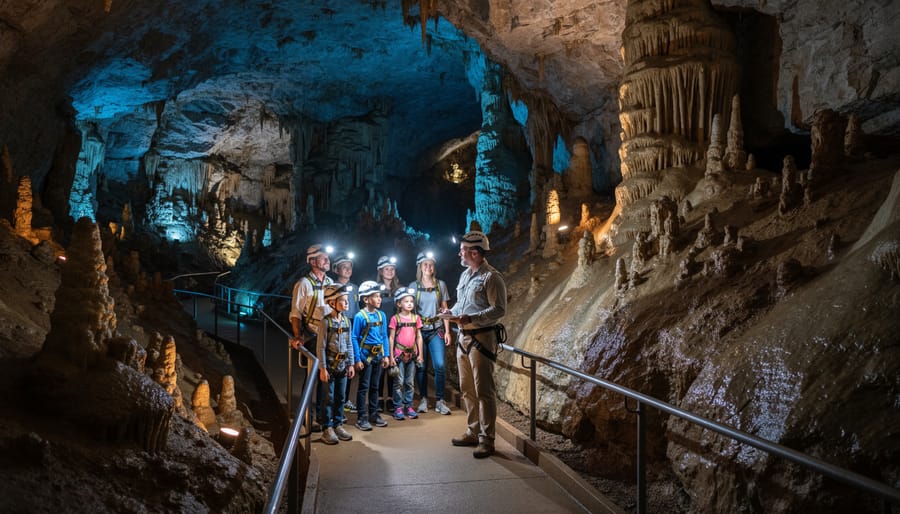
What makes Bonnechere truly special is the incredible fossil display embedded in the cave walls and ceilings. During your guided tour, knowledgeable staff will point out fossilized coral, cephalopods, and other prehistoric sea creatures frozen in time. Kids absolutely love playing “fossil detective” with their flashlights, and the guides are fantastic at engaging young explorers with age-appropriate explanations.
The 45-minute tour involves some low ceilings and narrow passages, so it’s best suited for children over five who are comfortable in enclosed spaces. Insider tip: temperatures underground hover around 10°C year-round, so bring a sweater even on hot summer days. The caves stay naturally cool without any artificial climate control, which is both eco-friendly and refreshing.
I recommend visiting during weekdays in early fall when crowds are lighter, making it easier for kids to ask questions and explore at their own pace. The surrounding property also features picnic areas and nature trails, perfect for extending your karst adventure into a full day trip.
Hidden Karst Features in Ontario Parks
Beyond dramatic cave systems, Ontario’s provincial parks harbor fascinating karst features hiding in plain sight. At Bon Echo Provincial Park, careful observers can spot sinkholes dotting the landscape where limestone has slowly dissolved beneath the surface. These natural depressions create unique micro-habitats for plants and wildlife.
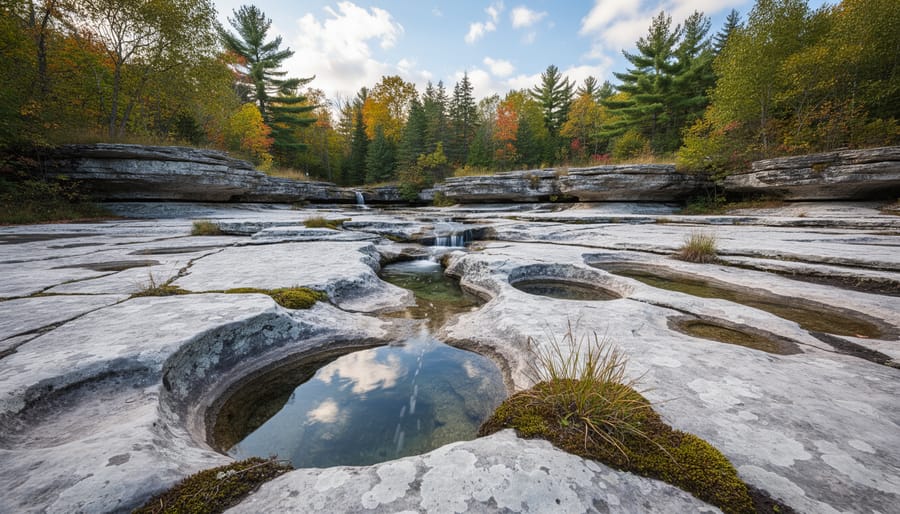
Disappearing streams offer another magical experience—watch as surface water seemingly vanishes into the ground at certain parks, traveling through underground channels before re-emerging downstream. It’s like nature’s own magic trick! Rock Glen Conservation Area showcases excellent surface karst formations, including weathered limestone pavements with intricate grooves and cracks that tell stories of thousands of years of erosion.
Here’s an insider tip: visit these features after spring melt when water flow makes disappearing streams most dramatic. Bring a macro lens or smartphone for close-up shots of the intricate patterns in limestone surfaces. Remember to stay on marked trails to protect these delicate geological features. These accessible karst landscapes offer all the wonder without requiring spelunking gear, making them perfect for families and those preferring to keep their feet firmly above ground.
Planning Your Cave and Karst Adventure: What You Need to Know
What to Wear and Bring
Your cave adventure starts with the right gear! For guided tourist caves like those at Scenic Caves Nature Adventures, comfortable closed-toe shoes with good grip are essential – cave floors can be damp and slippery even on developed pathways. I learned this the hard way during my first visit wearing sneakers with worn treads!
Dress in layers since caves maintain cool temperatures year-round, typically hovering between 8-12 degrees Celsius regardless of the summer heat outside. A light jacket or fleece works perfectly, and long pants protect your legs from scrapes against rough limestone walls.
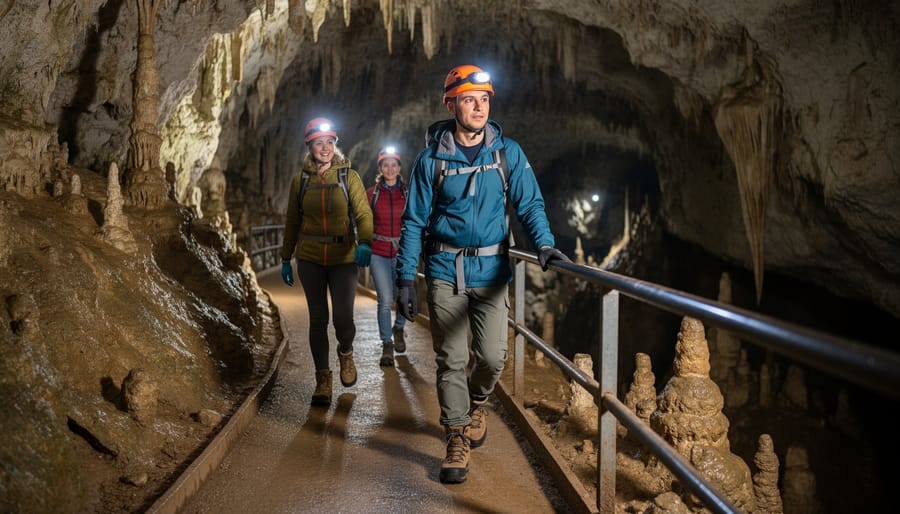
For more adventurous wild caving experiences, you’ll need sturdy hiking boots, a helmet with headlamp (often provided by tour operators), and clothes you don’t mind getting muddy. Bring gloves to protect your hands when navigating tight passages.
Pack these essentials: water bottle, small backpack, and your camera (though flash photography may be restricted in sensitive areas to protect bat habitats). Insider tip: leave cotton clothing at home – synthetic or wool fabrics dry faster if you get wet. Most importantly, respect cave ecosystems by ensuring your gear is clean to prevent spreading harmful fungi that threaten bat populations.
Safety First: Cave Visiting Essentials
I’ll never forget the time I took a wrong turn in a cave system—it was only five minutes before I realized my mistake, but those minutes felt like an hour. That experience taught me the golden rule of cave exploration: always stick to marked paths and designated areas.
When visiting Ontario’s caves, your safety should be priority number one. Those barriers and warning signs aren’t just suggestions—they’re there because cave environments can be unpredictable. Loose rocks, sudden drops, and slippery surfaces are common hazards. I always recommend checking weather conditions before your visit, especially after heavy rain. Water levels can rise quickly in karst systems, and what was a gentle trickle yesterday could be a rushing stream today.
Here’s my insider tip: if you’re new to cave exploration, start with a guided tour. Professional guides know the terrain intimately and can point out fascinating features you’d otherwise miss. They’re also trained in emergency procedures, which gives everyone peace of mind. Plus, you’ll learn so much more about the geology and ecology from someone who knows these underground worlds inside and out.
Bring proper footwear with good grip, pack a reliable flashlight with extra batteries, and always tell someone your plans before heading underground.
Best Times to Visit
Ontario’s cave and karst sites offer something special year-round, though each season brings its own magic and challenges. Summer (June through August) is the most popular time for cave exploration, with warm weather making it comfortable to gear up and venture underground. The constant cool temperatures inside caves—typically hovering around 8-10°C—feel refreshingly crisp rather than bone-chilling during hot summer days.
Spring brings an incredible bonus: waterfalls and underground streams are at their most dramatic after snowmelt. You’ll witness karst features like sinkholes actively swallowing surface water, and cave formations dripping with fresh mineral deposits. Just be prepared for muddier trails and occasionally restricted access if water levels rise too high.
Fall offers fewer crowds and stunning surrounding foliage, making the journey to cave sites particularly scenic. Winter poses the biggest accessibility challenges—many caves close or require specialized winter gear—but hardy adventurers are rewarded with spectacular ice formations near cave entrances.
Here’s an insider tip: visit on weekdays during shoulder seasons (May or September) for the best experience. You’ll avoid tour group crowds and have more intimate encounters with these geological wonders. Always check ahead with individual sites about seasonal closures and weather-related accessibility before planning your trip.
Why Cave Conservation Matters (And How You Can Help)
The Threats Facing Ontario’s Caves
I’ll never forget visiting a cave where someone had scratched their initials into ancient flowstone that took thousands of years to form. That single thoughtless act destroyed something irreplaceable, and it’s just one challenge Ontario’s caves face today.
Vandalism and pollution are unfortunately common threats. Graffiti, broken formations, and discarded trash damage these delicate ecosystems. Even seemingly innocent actions like touching cave walls can disrupt mineral deposits or disturb hibernating bats. Here’s an insider tip: the oils from our hands actually prevent formations from growing properly, so always resist the temptation to touch.
Speaking of bats, white-nose syndrome has devastated populations across Ontario. This fungal disease has killed millions of bats in North America, and since caves provide critical winter habitat, protecting these spaces is literally life-or-death for our bat friends.
Development pressures also threaten karst landscapes. Quarrying, construction, and groundwater extraction can destroy caves or contaminate the water flowing through them. Because what happens on the surface directly impacts these underground worlds, conservation efforts need community support.
The good news? You can help protect these treasures simply by following Leave No Trace principles and supporting conservation organizations dedicated to cave preservation.
Leave No Trace Underground: Cave Ethics for Visitors
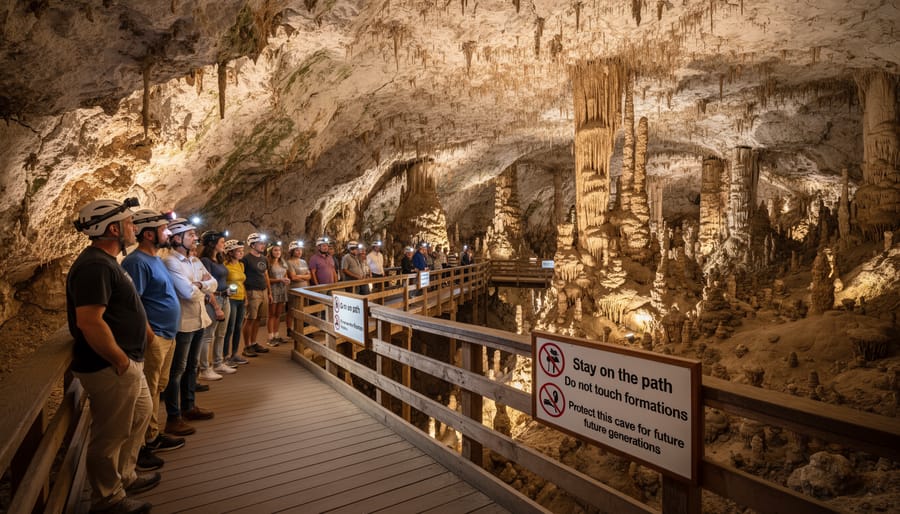
Think of caves as nature’s cathedrals—delicate, irreplaceable, and worth protecting for generations to come. When you’re exploring underground, remember that every stalactite took thousands of years to form, and a single touch can stop its growth forever. The oils from our skin create a barrier that prevents water from depositing new minerals, essentially freezing these formations in time.
Here’s your cave-friendly checklist: First, keep your hands to yourself. Those glistening formations are tempting, but look with your eyes, not your fingers. Second, pack out everything you bring in—yes, even that orange peel or tissue. Organic waste disrupts the cave’s unique ecosystem and takes far longer to decompose underground than on the surface.
Stay on marked trails whenever possible. Stepping off-path can damage fragile floor formations and disturb hibernating bats or nesting creatures. Speaking of wildlife, respect all cave closures, especially during bat hibernation season. White-nose syndrome has devastated bat populations, and our cooperation with seasonal restrictions helps protect these incredible insect-eating allies.
The golden rule? Take only photos, leave only footprints. Your Instagram shot will last forever, but damaging a cave feature means future visitors miss out on the magic you experienced.
Supporting Conservation Through Responsible Tourism
Your cave visit can make a real difference! When you purchase tickets for guided tours at places like Bonnechere Caves or Tyendinaga Caverns, you’re directly funding conservation efforts. These fees support everything from monitoring fragile bat populations to maintaining pathways that protect delicate formations. Here’s an insider tip: many caves offer annual memberships that provide unlimited visits while supporting year-round preservation work.
Want to go beyond just visiting? Share your experiences on social media and emphasize why these geological wonders deserve protection. Talk to your local representatives about supporting ecotourism in protected areas. Consider donating to organizations like the Karst Waters Institute or joining local caving clubs that organize clean-up days. By choosing responsible tourism, you become part of the solution, ensuring these underground treasures remain intact for future generations to explore and marvel at.
Beyond the Caves: Making the Most of Your Karst Country Visit
Pairing Cave Visits with Camping and Hiking
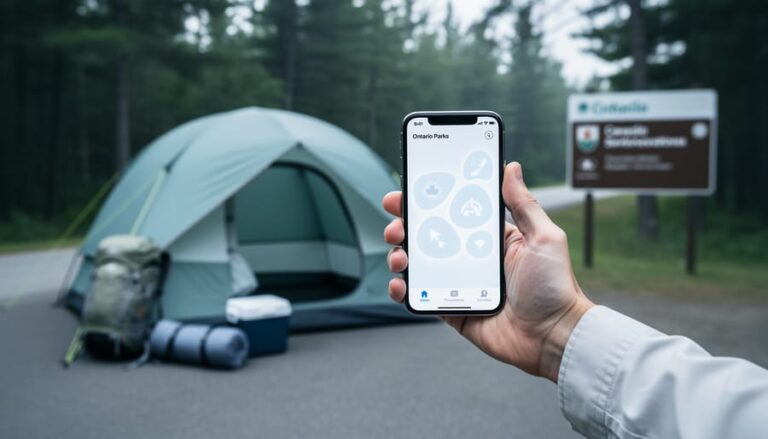
Planning a cave adventure? Turn it into an unforgettable multi-day escape by pairing your underground exploration with camping and hiking in Ontario’s spectacular karst regions. Eramosa Karst Conservation Area offers primitive camping just steps from the caves, perfect for early risers who want to beat the crowds. For a more developed experience, nearby Rockwood Conservation Area provides family-friendly campsites with modern amenities, plus the stunning Pothole Trail where ancient glacial formations tell their own geological story.
At Warsaw Caves, consider staying at Indian River Campground, located right within the conservation area. You’ll fall asleep to the sounds of the forest and wake up ready for a full day of spelunking and trail exploration. Here’s an insider tip: tackle the cave tours in the morning when temperatures are coolest, then spend afternoons hiking the scenic lookout trails when the light is perfect for photography.
For those seeking eco-friendly outdoor adventures, Frontenac Provincial Park combines backcountry camping with karst features scattered throughout its wilderness. Create a three-day itinerary: day one for cave exploration, day two for challenging hiking trails, and day three for canoeing among the Canadian Shield landscapes. Always practice Leave No Trace principles, especially near sensitive cave ecosystems.
Local Gems and Hidden Stops
After exploring Ontario’s fascinating cave systems, don’t miss the charming communities nearby that add extra flavor to your karst adventure. Near the Eramosa Karst, the town of Rockwood offers cozy cafes and antique shops perfect for browsing post-hike. If you’re visiting Tyendinaga Cavern and Caves, swing by nearby Belleville where you’ll find excellent farm-to-table restaurants featuring local ingredients—my insider tip is to ask locals about seasonal cheese makers in the area. The Warsaw Caves Conservation Area pairs beautifully with a stop at the charming village of Lakefield, home to artisan bakeries and riverside patios. For craft beer enthusiasts, several microbreweries dot the region around these cave sites, offering refreshing rewards after underground exploration. These small-town gems provide authentic Ontario experiences while supporting local businesses—a win for eco-conscious travelers seeking genuine connections beyond the main attractions.
Ontario’s underground landscapes hold secrets that have been millions of years in the making, and experiencing them firsthand is nothing short of magical. Whether you’re crawling through narrow passages at Eramosa Karst, marveling at the cathedral-like chambers of Bonnechere Caves, or discovering hidden sinkholes on a weekend hike, these geological treasures offer adventures you won’t find anywhere else in the province.
Here’s something I’ve learned from years of exploring caves: every visit comes with responsibility. These fragile ecosystems can’t bounce back from careless treatment. Stay on marked paths, never touch formations (the oils from your hands stop them from growing), and always follow the “take only pictures, leave only footprints” rule. If you’re caving independently, let someone know your plans and never go alone.
The beauty of Ontario’s karst landscapes is that they’re accessible for everyone, from families with young kids to serious spelunkers. Start with guided tours at commercial caves to learn proper etiquette, then gradually explore more challenging sites as your confidence grows.
These underground worlds have survived for millennia, but they need our help to endure for future generations. By visiting responsibly, supporting conservation efforts, and spreading the word about protecting these spaces, you become part of their story. So grab your headlamp, pack your sense of wonder, and get ready to discover the incredible world beneath your feet. Ontario’s caves are waiting, and trust me, they’re worth every moment spent underground.





+ There are no comments
Add yours