

Every wilderness survival situation demands instant, decisive action. When you’re facing the raw elements of Ontario’s backcountry, success hinges on more than just technical skills – it requires unwavering psychological resilience in wilderness survival.
Think of survival priorities as your mental checklist in nature’s chaos. Like the seasoned trappers who first navigated these forests, you must make split-second decisions that spell the difference between a challenging adventure and a life-threatening emergency. These seven priorities aren’t just guidelines – they’re your lifeline when the wilderness shows its teeth.
Whether you’re caught in Algonquin’s dense forests during an unexpected storm or facing a equipment failure in the remote reaches of Quetico, understanding and executing these priorities in the correct order can mean the difference between life and death. From the critical first 60 minutes to the extended challenge of wilderness living, these proven strategies have saved countless lives in Ontario’s unforgiving wilderness.
Let’s dive into the essential priorities that will keep you alive when everything else fails.
The Psychology of Wilderness Decision-Making
Panic Prevention Techniques
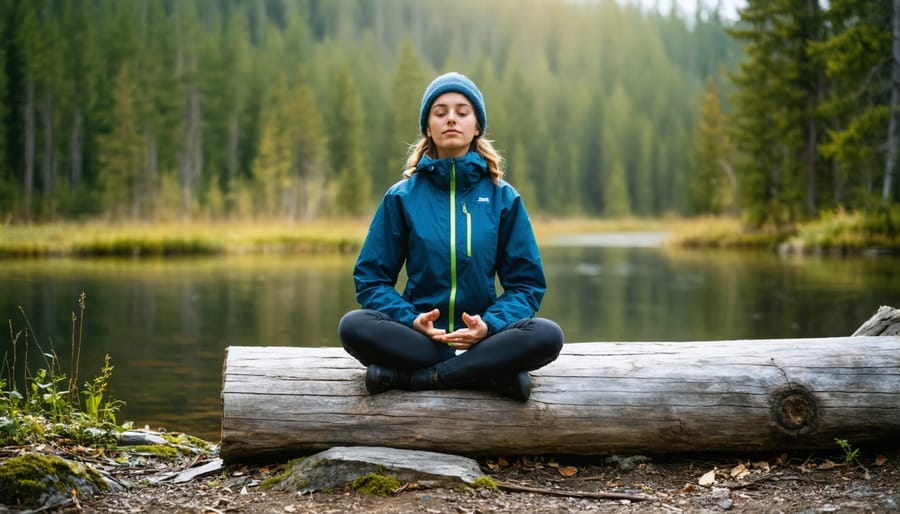
When panic sets in during a wilderness emergency, your survival chances can decrease dramatically. The good news is that staying calm is a skill you can master. Start by using the “5-5-5” technique: take five deep breaths, count five things you can see around you, and list five sounds you can hear. This simple exercise helps ground you in the present moment and activate your rational thinking.
Remember the “STOP” method: Stop, Think, Observe, and Plan. Rather than rushing into action, take a moment to sit down and assess your situation. Many experienced hikers in Ontario’s wilderness keep a small comfort item, like a family photo or meaningful trinket, to help maintain emotional stability during challenging situations.
If you feel anxiety building, try the “box breathing” technique: inhale for four counts, hold for four, exhale for four, and hold again for four. Repeat this pattern while focusing on immediate, manageable tasks. Keep yourself busy with practical activities like gathering firewood or setting up shelter – productive movement helps reduce anxiety while improving your situation.
Most importantly, remind yourself that rescue teams are well-trained and regularly conduct searches in Ontario’s wilderness areas. Your job is to stay put, stay calm, and stay alive.
The STOP Method
When you find yourself in a wilderness emergency, your first and most crucial step is implementing the STOP method. This simple yet powerful approach can help you avoid panic and make clear-headed decisions when things go wrong in the great outdoors.
S stands for Stop: Resist the urge to run or wander aimlessly. Take a deep breath and stay where you are unless immediate danger threatens your safety.
T is for Think: Give yourself permission to pause and process your situation. Are you injured? What resources do you have? When was the last time you saw a trail marker?
O means Observe: Look around carefully at your surroundings. Check for landmarks you recognize, listen for sounds of civilization, and note the position of the sun. Take stock of your supplies and any natural resources nearby.
P represents Plan: Using the information you’ve gathered, create a clear action plan. Whether it’s setting up shelter, starting a fire, or attempting to signal for help, having a structured approach will help you stay focused and increase your chances of survival.
Remember, taking these few minutes to STOP can prevent hours of wandering and conserve precious energy you’ll need later.
Essential Survival Priorities in Ontario’s Wilderness
1. Maintaining Mental Composure
In any wilderness survival situation, your mind is your most powerful tool. Panic can cloud judgment and lead to poor decisions, which is why maintaining mental composure should be your first priority. Take a few deep breaths and remind yourself that thousands of people have successfully survived similar situations.
I remember leading a group near Algonquin Park when we temporarily lost our bearings. The key was staying calm and following our training, rather than letting fear take over. This simple act of emotional regulation helped us think clearly and find our way back to the trail.
To maintain composure, use the “STOP” method: Stop walking, Think about your situation, Observe your surroundings, and Plan your next steps. Focus on what you can control, like making a mental inventory of your supplies or identifying nearby resources. Remember, a positive attitude isn’t just helpful – it’s essential for survival.
If you’re feeling overwhelmed, try counting breaths or focusing on simple tasks. This helps ground you in the present moment and prevents your mind from spiraling into worst-case scenarios.
2. Emergency Shelter Mindset
When you’re stranded in Ontario’s wilderness, your mindset about shelter can make the difference between life and death. Think of your shelter as your temporary home – a sanctuary that protects you from the elements and provides psychological comfort. The key is to act quickly and decisively, ideally starting your shelter construction within the first hour of realizing you’re in a survival situation.
Remember, exposure to extreme weather can be fatal in as little as three hours. That’s why shelter takes priority over food and even water in many cases. Your shelter doesn’t need to be elaborate; it just needs to keep you dry, protect you from wind, and help maintain your core body temperature.
As you build, focus on the immediate need rather than perfection. Use natural features like fallen trees, rock outcrops, or dense evergreen stands to your advantage. This not only saves energy but also helps you feel more connected to your surroundings, reducing panic and helping you think clearly about your next steps.
3. Fire-Starting Confidence
The mental game of fire-starting is just as crucial as the technical skills. I’ve seen experienced campers struggle simply because doubt crept in during challenging conditions. Remember, every expert was once a beginner, and mastering fire-starting techniques starts with believing in your ability to succeed.
When conditions aren’t ideal – maybe your tinder is slightly damp or the wind won’t cooperate – maintaining a positive mindset becomes your secret weapon. Start by organizing your materials methodically and remind yourself of past successes. If your first attempt fails, view it as feedback rather than failure. Each try teaches you something valuable about your technique and the materials at hand.
Pro tip: Practice fire-starting in your backyard during various weather conditions. This builds both skill and confidence, so when you’re deep in Ontario’s wilderness and really need that fire, you’ll have the mental fortitude to persist until the flames catch. Remember, patience and persistence are your best allies in fire-starting.
4. Water Procurement Strategy
In Ontario’s wilderness, finding safe drinking water is crucial for survival. While our province boasts countless lakes and streams, not all water sources are safe for consumption. Start by seeking out moving water sources like streams and rivers, as they’re typically cleaner than stagnant water. Look for animal tracks leading to water sources – they often know the best spots!
Remember the “rule of downhill” – water naturally flows to the lowest point. In valleys and at the base of hills, you’re more likely to find water sources. During winter, you can melt snow and ice, but always purify before drinking. In warmer months, morning dew can be collected using a clean cloth or bandana.
Once you’ve found water, implementing proper water purification methods is essential. Boiling is the most reliable method, but carrying a quality water filter or purification tablets as backup is always smart. Pro tip: Learn to recognize water-indicating plants like cattails and willows – they’re nature’s signposts to hydration!
5. Signal for Rescue
Getting rescued often depends on your ability to make yourself visible to search parties. The classic SOS signal (three short, three long, three short) remains highly effective whether created with rocks, logs, or by whistling. In Ontario’s vast wilderness, bright-colored materials like emergency blankets or clothing can catch attention from above. During daylight, use a signal mirror to reflect sunlight – this can be seen for miles on a clear day. At night, maintain a bright fire and use it to create smoke signals during the day.
Pro tip: Create three signal fires in a triangle formation – this is a universal distress signal. Always keep your phone charged before heading out, and consider carrying a satellite communicator or emergency beacon. Remember, staying visible and patient is key; rescue teams are thorough in their searches, but it may take time for them to reach your location.
6. Food Finding Focus
When it comes to finding food in the wilderness, your mindset matters more than your stomach’s growls. Remember, a healthy person can survive several weeks without food, so avoid letting food-finding consume all your energy and attention. Instead, focus on high-reward, low-energy activities like setting simple snares, foraging near your shelter, or fishing in nearby waters. In Ontario’s forests, you’ll find plenty of seasonal berries, edible plants, and small game, but only pursue these when your other survival priorities are met. Think of food gathering as a strategic game – conserve your energy, stay close to your shelter, and remember that every calorie spent should bring more calories in return. The mental challenge isn’t just about finding food; it’s about making smart decisions about when and how to look for it.
7. Navigation Confidence
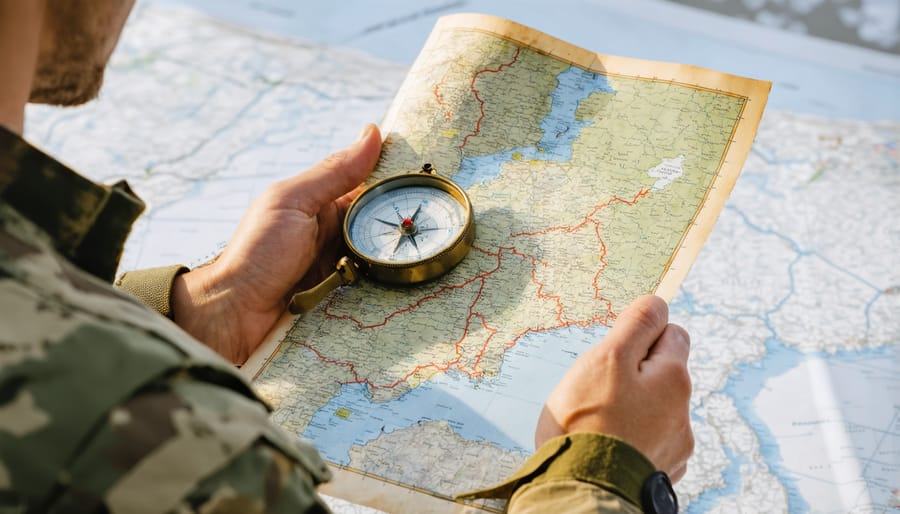
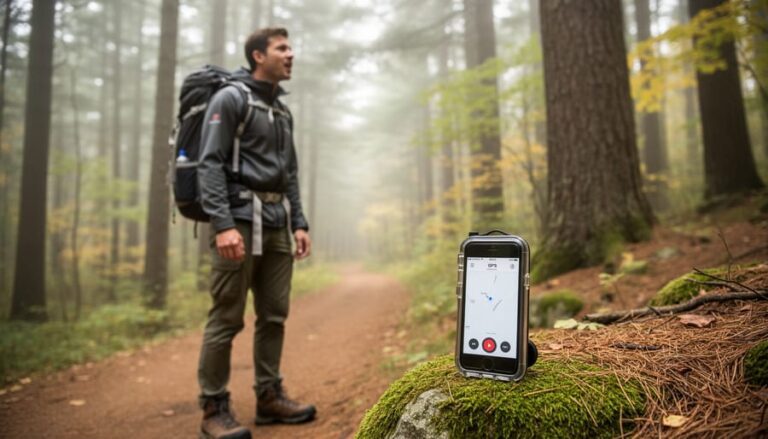
Mastering essential navigation skills is crucial, but equally important is developing confidence in your abilities. Start by practicing in familiar areas before venturing into challenging terrain. Always carry multiple navigation tools – a map, compass, and GPS device – and know how to use each one effectively. Trust your instincts, but verify your position regularly using landmarks and trail markers. If you feel uncertain, stop and take time to orient yourself properly. Remember the old saying: “If you think you might be lost, you probably are.” Don’t wait until you’re completely disoriented to check your bearings. Regular practice in Ontario’s varied landscapes will help build the confidence needed to navigate safely through any wilderness situation.
Building Mental Toughness Before Your Trip
Practice Scenarios
Test your survival instincts by creating mock scenarios in your backyard or local park before heading into the real wilderness. Start by practicing fire-starting techniques using different materials, or set up your shelter during various weather conditions. Challenge yourself to pack a survival kit in under five minutes, or try identifying edible plants in your area during different seasons.
Make these practice runs fun by turning them into friendly competitions with fellow outdoor enthusiasts. Time yourself setting up camp or see who can collect the most drinkable water in an hour using various filtration methods. Try navigating with just a compass during daylight, then progress to nighttime exercises.
Remember, mental preparation is just as crucial as physical practice. Visualize potential emergency scenarios and mentally walk through your response. This helps build confidence and reduces panic if you ever face a real survival situation in Ontario’s wilderness.
For added realism, practice during different weather conditions – just ensure you have a backup plan and let someone know about your training activities.
Essential Mental Prep Kit
Your mind is your most powerful survival tool, and preparing it properly can make all the difference in a wilderness emergency. Start by practicing the “STOP” technique: Stop, Think, Observe, and Plan. This simple mental checklist helps prevent panic and promotes clear thinking when you’re faced with challenging situations.
Visualization is another essential mental prep tool. Before heading out, imagine various scenarios and mentally walk through your responses. This creates mental shortcuts you can rely on under stress. I always tell my hiking groups to play the “What If” game during rest stops – it’s a fun way to build survival confidence while catching your breath.
Remember the Rule of 3s: you can survive 3 minutes without air, 3 hours without shelter, 3 days without water, and 3 weeks without food. This knowledge helps prioritize decisions when you’re under pressure. Keep a small notebook with key survival information – sometimes just knowing it’s there can provide peace of mind and boost confidence in the wilderness.
Remember, your greatest survival tool isn’t your knife or your fire starter – it’s your mindset. By mastering these seven priorities and maintaining psychological resilience, you’ll be better prepared to handle any wilderness challenge Ontario’s backcountry throws your way. Start small by practicing these skills during day hikes or overnight camping trips. Join a local outdoors group, take a wilderness survival course, or partner with experienced adventurers to build your confidence. Most importantly, always respect nature and stay within your comfort zone as you gradually expand your outdoor expertise. The wilderness can be unforgiving, but with the right mental preparation and practical skills, you’ll be ready to face its challenges head-on while creating unforgettable memories in Ontario’s beautiful wild spaces.







+ There are no comments
Add yours