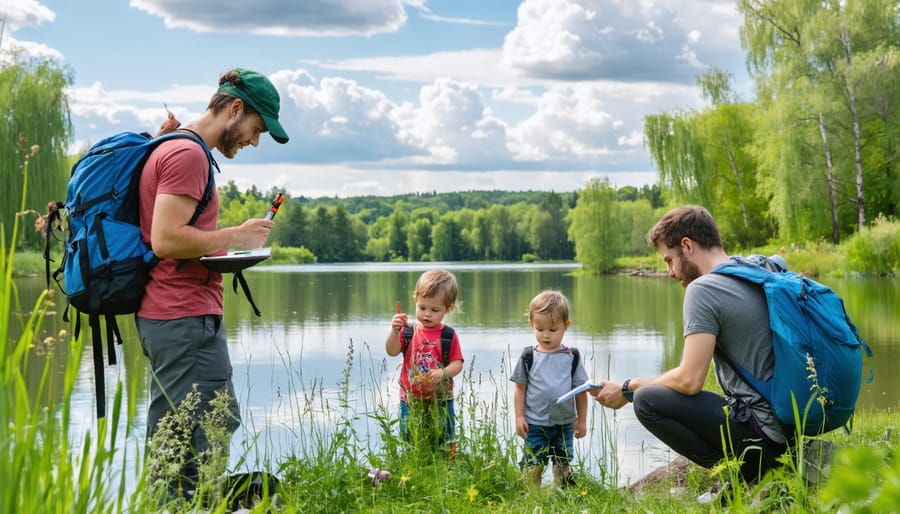
Transform climate science into everyday action by joining local citizen science projects where you collect valuable environmental data alongside professional researchers. From tracking seasonal changes in your backyard to monitoring local weather patterns, these hands-on experiences build a deeper understanding of climate change’s local impacts.
Think of citizen climate education as a community-powered microscope – each observation we contribute helps scientists piece together a clearer picture of how our environment is changing. Whether you’re a parent teaching your kids about weather patterns, a teacher looking to bring real-world science into your classroom, or simply someone curious about our changing planet, citizen science turns abstract climate concepts into tangible experiences.
The beauty of this approach lies in its accessibility: armed with just a smartphone and curiosity, anyone can become part of the global effort to understand and address climate change. Your observations of blooming dates, storm patterns, or migrating birds create data points that help scientists track our changing climate while building your own environmental literacy.
Citizen Science Programs You Can Join Today
The Ontario Parks Weather Watchers
Want to make your park visit even more meaningful? Join the Ontario Parks Weather Watchers program and become a citizen scientist! This exciting initiative invites park visitors to help monitor weather patterns and contribute valuable climate data across Ontario’s diverse landscapes.
Participating is simple and fun for the whole family. During your visit, stop by the park office to pick up a Weather Watchers kit, which includes a simple observation guide and recording sheet. You’ll learn to track basic weather conditions like temperature, cloud cover, and precipitation, plus note interesting weather events you observe during your stay.
Your observations help park naturalists understand local climate trends and how they affect wildlife, plant life, and park ecosystems. For example, tracking spring rainfall helps predict wildflower blooms, while winter temperature records assist in monitoring animal hibernation patterns.
Kids especially love being “junior meteorologists” and often discover a newfound appreciation for nature’s patterns. Remember to share your findings with park staff before you leave – every observation counts in building our understanding of Ontario’s changing climate!

Flora and Fauna Watch
Tracking seasonal changes in our local flora and fauna is one of the most rewarding ways to understand climate impacts firsthand. Whether you’re spotting the first trilliums of spring or noting when monarchs begin their fall migration, these observations contribute valuable data to climate research. Many Ontario parks offer biodiversity mapping programs where families can help document species throughout the year.
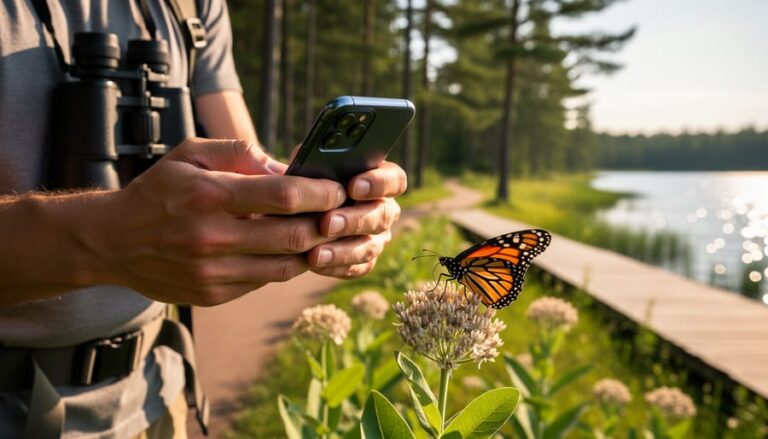
Keep a nature journal to record when trees leaf out, when specific wildflowers bloom, or when migratory birds arrive. Even simple observations from your backyard or local park can reveal patterns over time. Download helpful apps like iNaturalist or eBird to easily log your findings and connect with other citizen scientists.
Pro tip: Photography is a fantastic way to document your observations. Take clear, dated photos of the same locations or plants throughout the seasons. This creates a visual record of how our natural world responds to changing climate conditions. Remember to note weather conditions and locations with each observation!
Making Climate Science Fun for Families
Interactive Nature Programs
Step into the great outdoors and become a climate scientist through our engaging hands-on programs! Throughout Ontario, experienced naturalists and environmental educators lead interactive sessions that transform everyday citizens into skilled climate observers and data collectors.
Join guided nature walks where you’ll learn to identify native species, understand weather patterns, and spot climate change indicators in your local environment. These family-friendly programs often include exciting activities like tree measuring, bird counting, and tracking seasonal changes in plant life.
Our popular “Climate Detective” workshops equip participants with basic scientific tools and techniques. You’ll learn to use weather monitoring equipment, collect soil samples, and record important environmental data that contributes to larger climate research projects.
For those who prefer water-based learning, our shoreline monitoring programs offer opportunities to study water quality, observe aquatic ecosystems, and document changes in local water bodies. These sessions are particularly eye-opening, showing firsthand how climate change affects our precious water resources.
Kids especially love our “Junior Climate Rangers” program, where they can earn badges while learning about weather patterns, endangered species, and conservation through games and hands-on experiments.
Insider tip: Many of these programs offer year-round participation opportunities, letting you observe and document seasonal changes. Bring a notebook and camera to record your observations, and don’t forget to dress for the weather!

Digital Tools and Apps
Today’s smartphones and tablets have become powerful tools for climate education and citizen science. Several user-friendly apps make it easy for anyone to contribute valuable environmental data while learning about climate change.
iNaturalist is a fantastic starter app that lets you photograph and identify plants, animals, and fungi. Your observations help scientists track species distribution changes due to climate shifts. The app’s social features make it fun to connect with other nature enthusiasts and learn from their discoveries.
For weather enthusiasts, GLOBE Observer allows you to record cloud coverage, precipitation, and other atmospheric conditions. These observations help validate NASA satellite data and improve climate models. The app includes helpful tutorials and makes complex science accessible to beginners.
The Litterati app turns picking up trash into a data collection activity. By photographing litter before properly disposing of it, you help create a database of pollution patterns that informs environmental policy decisions. It’s especially popular for classroom activities and community cleanup events.
For gardeners and naturalists, Nature’s Notebook helps track seasonal changes in plants and animals. Your observations of flowering times, bird migrations, and leaf color changes contribute to important climate research while deepening your connection to local ecosystems.
Remember to enable your device’s location services when using these apps to ensure accurate data collection. Most apps work offline, so you can record observations even in remote areas without cell service.

Real Impact of Visitor Contributions
Success Stories
The power of citizen climate education shines through countless success stories across Ontario. Take the remarkable discovery at Lake Simcoe, where a group of high school students participating in water quality monitoring identified an unusual algae pattern that led researchers to uncover important data about warming water temperatures.
Another inspiring example comes from Thunder Bay, where local birdwatchers contributed to a groundbreaking study on shifting migration patterns. Their careful observations helped scientists document how climate change is affecting bird behavior months earlier than traditional research methods would have detected.
Citizen scientists have been particularly effective in tracking invasive species throughout our parks. In 2022, a family hiking in Algonquin Park spotted and reported an unusual plant species, leading to the early detection and successful removal of an aggressive invasive plant before it could spread.
Perhaps most impressive is the “Backyard Weather Watchers” program, where everyday citizens’ temperature and precipitation records helped create one of the most comprehensive climate databases in the province. This data is now used by meteorologists to improve local weather forecasting and track long-term climate trends.
Future Projects
Get ready for some exciting new ways to become a climate science champion! This spring, we’re launching “Climate Watch Ontario,” where you’ll use your smartphone to document seasonal changes in your neighborhood. Whether it’s tracking bird migrations or monitoring tree leaf patterns, your observations will help scientists understand how climate change affects our local ecosystems.
For families, the upcoming “Junior Climate Scientists” program will provide monthly activity kits packed with fun experiments and citizen science projects. Kids can learn about weather patterns, test local water quality, and contribute to real scientific research while having a blast.
We’re also thrilled about partnering with local wildlife conservation efforts to launch “Project Habitat Hero” this fall. This initiative will let you help monitor species at risk in your area and participate in habitat restoration projects.
Tech-savvy citizens will love our new mobile app (launching summer 2024), which gamifies climate data collection. You’ll earn points and badges while contributing valuable information about local temperature variations, precipitation patterns, and urban heat islands. Stay tuned for registration details and be among the first to join these groundbreaking community science adventures!
Getting involved in citizens’ climate education is easier and more rewarding than you might think. Whether you’re passionate about wildlife, weather patterns, or protecting Ontario’s natural spaces, there’s a perfect opportunity waiting for you. Start by connecting with local environmental groups or joining online communities dedicated to citizen science. Many organizations offer free training sessions and starter kits for newcomers.
Remember, every observation you make and every piece of data you collect contributes to our understanding of climate change. Your participation, no matter how small it seems, helps scientists build a more comprehensive picture of our changing environment. Plus, it’s a fantastic way to spend time outdoors while making a real difference.
Ready to take the first step? Consider downloading a citizen science app, attending a local workshop, or reaching out to a nearby conservation authority. Bring your family along – it’s an excellent way to teach children about environmental stewardship while creating lasting memories. Together, we can build a more climate-aware community and help protect Ontario’s natural beauty for generations to come.






+ There are no comments
Add yours