
Calculate your trip’s carbon footprint through verified calculators like Carbon Footprint Ltd or MyClimate before booking any travel arrangements. Incorporate carbon offset purchases directly into your sustainable travel planning by selecting certified programs that fund renewable energy projects or forest conservation in Ontario. Choose local carbon offset providers such as Less Emissions or Carbonzero to ensure your contribution benefits regional environmental initiatives. Combine multiple eco-conscious actions – opt for direct flights when possible, use public transportation at your destination, and select accommodations with recognized environmental certifications.
The growing urgency of climate change has transformed how we approach travel, but it doesn’t mean giving up exploring Ontario’s magnificent parks and natural spaces. Carbon offset programs offer a practical solution to balance environmental responsibility with our love for adventure, allowing travelers to invest in environmental projects that counteract their journey’s carbon emissions.
What Makes Carbon Offset Travel Different?
Calculate Your Trip’s Carbon Footprint
Calculating your trip’s carbon footprint is easier than you might think! For road trips within Ontario, multiply your journey’s total kilometers by 0.2 kg of CO2 per kilometer for an average car. Planning to drive from Toronto to Algonquin Park? That’s about 276 km, resulting in roughly 55 kg of CO2.
Flying creates a bigger impact – a round-trip flight from Toronto to Thunder Bay generates approximately 350 kg of CO2 per passenger. For precise calculations, try using Transport Canada’s emissions calculator or popular apps like Capture or Carbon Footprint Calculator.
Here’s a helpful tip: carpooling with friends can slash your per-person emissions by up to 75%! If you’re heading to popular destinations like Blue Mountain or Niagara Falls, consider using shuttle services or joining local hiking groups that organize shared transportation.
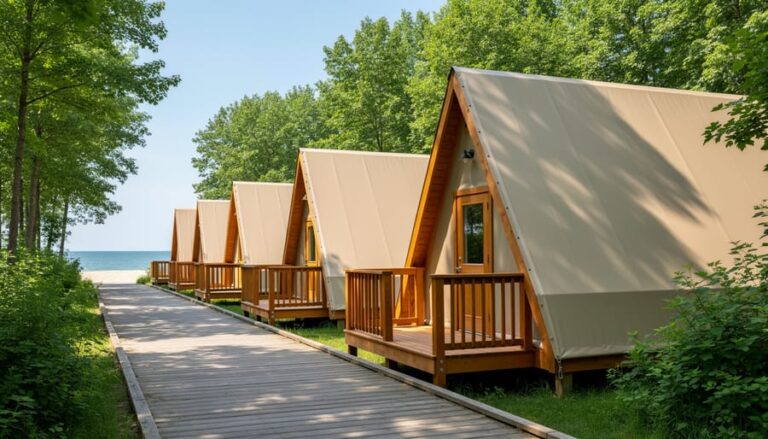
Remember to factor in your accommodation choices too. Camping typically has the lowest carbon footprint, while large hotels generally produce more emissions. Many Ontario eco-lodges now display their carbon footprint data, making it easier to make informed choices.
Local vs. Long-Distance Impact
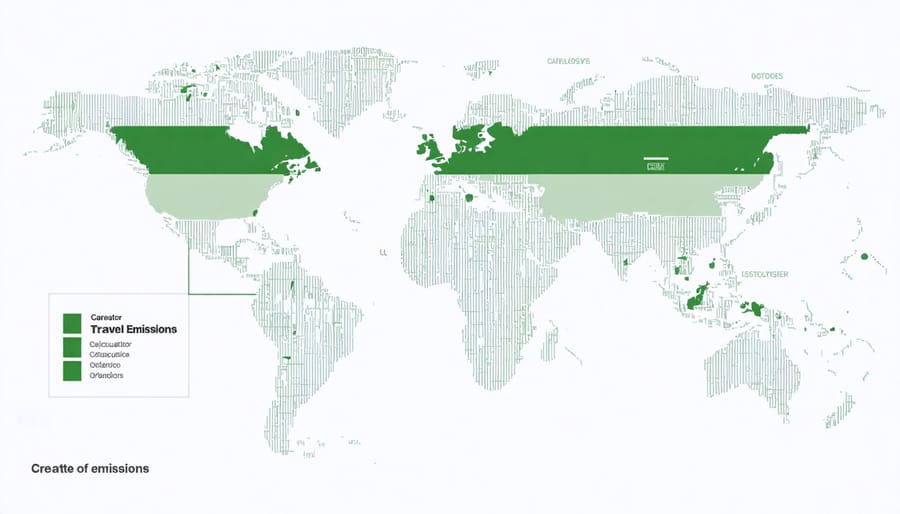
When it comes to travel within Ontario, the carbon footprint of your journey varies significantly based on distance. A weekend trip from Toronto to Blue Mountain generates roughly 100kg of CO2, while heading up to Thunder Bay can produce over 500kg. Local adventures, like visiting nearby provincial parks or taking day trips to conservation areas, typically create less than 50kg of emissions per trip. Here’s a helpful tip: carpooling to Algonquin Park with friends can reduce your individual carbon footprint by up to 75% compared to driving solo. Consider exploring gems in your own backyard first – you might be surprised by the amazing destinations within a two-hour drive of home that offer similar experiences to those requiring longer journeys.
Ontario’s Best Carbon Offset Programs
Local Forest Conservation Projects
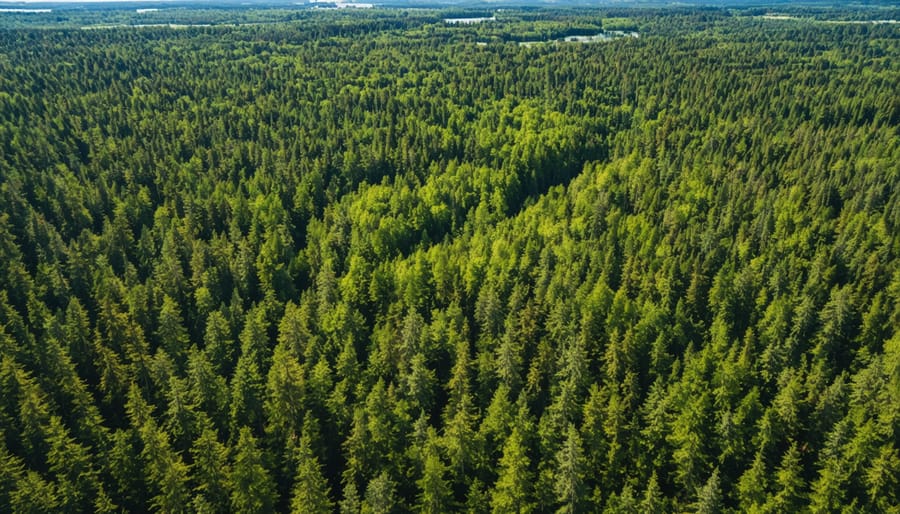
Ontario’s forests play a crucial role in absorbing carbon dioxide, and several local conservation projects make it easy for travelers to offset their carbon footprint while supporting our beautiful woodlands. The Forests Ontario Foundation leads the charge with their 50 Million Tree Program, where your contribution helps plant native species across the province. For just $25, you can offset approximately one long-distance flight by supporting the planting of ten trees.
Another fantastic initiative is the Bruce Peninsula Forest and Land Stewardship Program, which focuses on protecting and expanding the unique forests along the Niagara Escarpment. Travelers can participate in their “Adopt an Acre” program, combining carbon offsetting with hands-on conservation experiences during the planting season.
Don’t miss the Eastern Ontario Model Forest project, where your support helps maintain biodiversity and sustainable forest management practices. They offer guided educational tours where you can learn about forest ecosystems while contributing to their preservation efforts. Local tip: Visit during spring or fall planting events to participate directly in reforestation activities and make your carbon offset journey more meaningful.
Indigenous-Led Environmental Programs
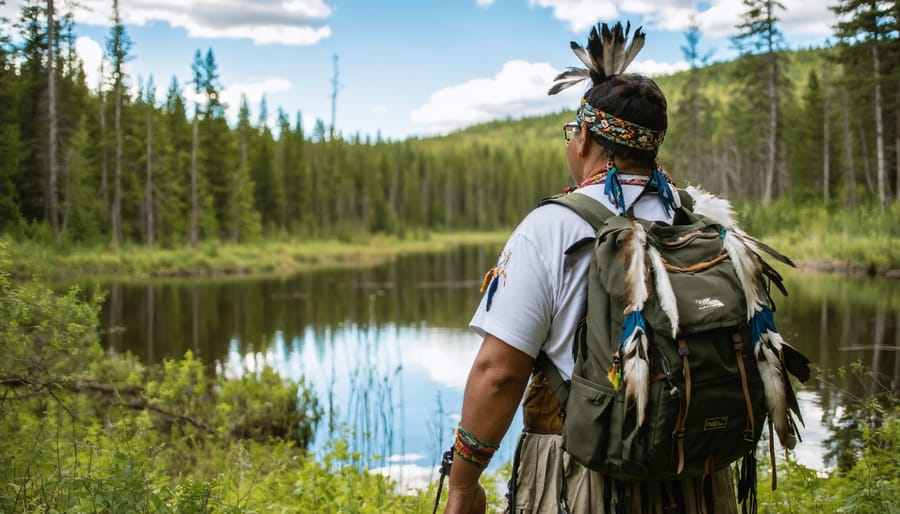
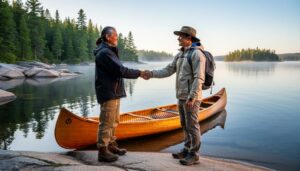
Partnering with Indigenous communities offers a powerful way to offset your travel footprint while supporting traditional environmental stewardship. Many First Nations tourism experiences in Ontario combine cultural learning with hands-on conservation efforts, creating meaningful connections to the land.
Programs like the Wiikwemkoong Tourism’s carbon offset initiative on Manitoulin Island allow visitors to participate in traditional forest management practices while learning about Indigenous perspectives on environmental protection. Travelers can contribute to native species planting, wetland restoration, and sustainable harvesting projects guided by community knowledge keepers.
The Credit River Metis Council’s environmental stewardship program invites visitors to join restoration efforts while discovering traditional ecological knowledge. These initiatives not only help offset carbon emissions but also support Indigenous-led conservation efforts that have sustained Ontario’s ecosystems for generations.
When booking your trip, look for opportunities to participate in these community-based programs – they offer a meaningful way to reduce your travel impact while supporting Indigenous environmental leadership.
Plan Your Eco-Friendly Ontario Adventure
Parks and Attractions with Offset Options
Several of Ontario’s provincial parks now offer innovative carbon offset programs integrated right into your visitor experience. Algonquin Park leads the way with its “Green Footprints” initiative, where a portion of your camping fees directly supports local reforestation projects. When you book your stay, you can opt to add a small contribution that helps plant native trees throughout the park.
Bruce Peninsula National Park has partnered with local conservation groups to offer a unique “Hike and Offset” program. For every kilometer you trek on their marked trails, the park contributes to wetland restoration projects in the region. You’ll find information kiosks at trailheads showing exactly how your activity translates into positive environmental impact.
The Niagara Parks Commission has also launched an exciting offset program at their attractions. When purchasing tickets for popular sites like Journey Behind the Falls or the Butterfly Conservatory, visitors can add a small “green fee” that supports local wind energy projects and educational programs about sustainable tourism.
Remember to ask about these programs when booking your visit – many offer special perks for participants, like exclusive guided tours or commemorative badges.
By choosing carbon offset travel in Ontario, you’re not just exploring our breathtaking landscapes – you’re helping preserve them for future generations. Every offset purchase supports local conservation projects, from protecting wetlands to expanding forest coverage. Together, we can enjoy Ontario’s natural wonders while ensuring they remain vibrant and healthy for years to come. Your eco-conscious journey makes a real difference in keeping our province naturally beautiful.







+ There are no comments
Add yours