

Planning a visit to Ontario’s spectacular provincial parks? Your adventure starts with securing a day use permit—your ticket to pristine beaches, scenic hiking trails, and unforgettable outdoor experiences. This essential pass grants you legal access to park facilities and amenities for a single day, typically from dawn until dusk.
Purchasing your permit is straightforward: reserve online through the Ontario Parks website up to five months in advance, buy directly at park gates upon arrival (though popular destinations often sell out on weekends), or grab one at select ServiceOntario locations. Prices vary by park and season, generally ranging from $12 to $25 per vehicle, with some premium locations commanding higher rates during peak summer months.
Insider tip: Book early for high-demand parks like Algonquin or Sandbanks, especially for July and August weekends when permits disappear within hours. Your day use permit covers parking and basic park access, but remember that additional fees apply for special activities like backcountry camping or certain guided programs.
Maximize your visit by arriving early—gates open as early as 8 AM—to snag prime parking spots and enjoy trails before crowds arrive. This small investment unlocks Ontario’s natural treasures while supporting conservation efforts that keep these spaces pristine for future generations.
What Exactly Is a Day-Use Permit?
A day-use permit is your ticket to exploring Ontario’s stunning provincial parks for a single day without staying overnight. Think of it as your all-access pass to nature’s playground! This permit grants you legal entry to the park, covers your vehicle parking spot, and gives you access to wonderful amenities like beaches, trails, picnic areas, boat launches, and visitor centers.
Ontario Parks requires these permits to help maintain and protect these natural treasures we all love. The fees directly support trail maintenance, facility upkeep, conservation efforts, and park programs that keep these spaces beautiful and accessible for everyone. It’s a small investment that goes a long way in preserving Ontario’s wilderness.
Here’s an insider tip: understanding the difference between day-use and camping permits is crucial for planning your visit. A day-use permit is valid from park opening until closing time on a single day, perfect for hiking, swimming, or a family picnic. You’ll need to leave before the park closes for the day. In contrast, a camping permit includes overnight stays at designated campsites and typically costs more since it covers extended use of park facilities and services.
Most day-use experiences don’t require advance booking at many parks, though popular locations during peak summer weekends can reach capacity. The beauty of day-use permits is their flexibility, letting you spontaneously enjoy Ontario’s natural wonders whenever the mood strikes, while supporting eco-friendly conservation efforts that protect these spaces for future generations.

How Much Does It Cost to Visit for the Day?
Planning your Ontario Parks adventure? Let’s talk dollars and cents! Day-use permits are refreshingly affordable, typically ranging from $12 to $23 per vehicle depending on which park you’re visiting. Most popular parks like Algonquin or Killarney charge around $20 per vehicle, which covers everyone in your car – perfect for family outings or group adventures with friends.
Here’s an insider tip: if you’re a frequent park visitor, consider the seasonal permit. For approximately $130 annually, you’ll get unlimited day-use access to most provincial parks throughout the operating season. It pays for itself after just seven visits!
Seniors aged 65 and older enjoy a sweet discount, usually paying about half the regular rate. Some parks also offer reduced rates during shoulder seasons (early spring and late fall), making those quieter months even more appealing for budget-conscious nature lovers.
Where does your money go? Every dollar directly supports park maintenance, trail upkeep, facility improvements, and crucial conservation programs that protect Ontario’s natural treasures for future generations. You’re not just paying for parking – you’re investing in preserving the wilderness you love exploring.
Pro tip: Always check the specific park’s website before visiting, as rates can vary between locations and may adjust seasonally.
Getting Your Permit: Three Easy Ways
Online Reservations (The Smart Choice)
Ready to secure your spot? Booking online in advance through the Ontario Parks reservation system is honestly the easiest way to guarantee your day use permit. Here’s how it works: head to the Ontario Parks website, select your desired park from the map or list, choose your visit date, and select “day use” as your activity. You’ll see available time slots and can complete your purchase with a credit card. The whole process takes maybe five minutes, and you’ll receive a confirmation email with your permit details.
The beauty of booking ahead? No surprises when you arrive. Popular parks like Algonquin, Killbear, and Sandbanks often hit capacity by mid-morning on summer weekends, leaving hopeful visitors turned away at the gate. I’ve watched families with packed coolers make the drive back home disappointed because they didn’t reserve ahead.
Insider tip: if you’re eyeing a popular park for a Saturday or holiday Monday, book at least a week in advance. Some hot-spot beaches fill up their day use permits within days of becoming available. Tuesday through Thursday visits typically offer more last-minute availability and quieter trails, making them perfect for those flexible schedules.
At the Park Gate
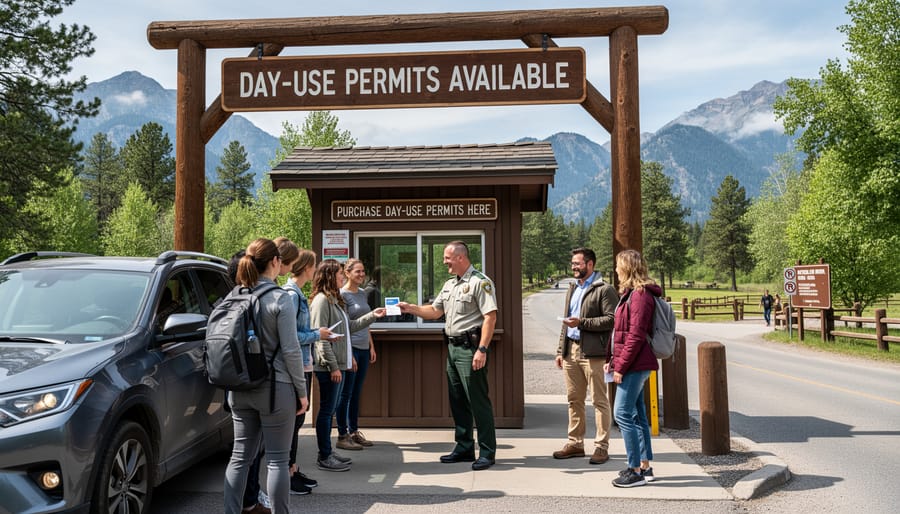
Arriving at the park gate is where your adventure truly begins! If you haven’t secured your permit online, don’t worry—purchasing at entry is straightforward and staff are always happy to help. Most park gates accept both cash and card payments, though it’s smart to have both options handy just in case technology decides to take a day off. The friendly attendants will provide you with a paper permit to display on your dashboard, along with a park map and any current trail updates or wildlife sightings worth knowing about.
During peak season—think sunny weekends from May through September and holiday Mondays—expect a bit of a lineup, especially between 10 AM and noon when day-trippers arrive in droves. My insider tip? Arrive before 9 AM or after 2 PM to breeze through with minimal wait.
Here’s an eco-friendly suggestion that benefits everyone: consider carpooling with friends or family. Not only does it reduce congestion at park gates and lower your environmental footprint, but it also means more companions to share trail snacks with and help spot that elusive blue heron by the shoreline. Plus, splitting gas costs leaves more budget for ice cream in the nearest town afterward!
The Annual Pass Alternative
If you’re the type who finds themselves hitting the trails every other weekend, you’ll want to hear about the seasonal pass. For just $88, the annual vehicle permit gives you unlimited access to all Ontario Parks for an entire year—and trust me, it’s a game-changer. Do the math: visit four times and you’ve already broken even compared to buying individual day permits at $22 each.
I switched to the seasonal pass three years ago after realizing I was spending nearly $200 on single-day permits every summer. Now I can spontaneously decide on a Saturday morning to pack a picnic and head out without worrying about the cost adding up. It’s perfect for people who love exploring different parks or have a favorite spot they visit regularly. The pass covers everyone in your vehicle too, making it ideal for families. You can purchase it online or at any park gate, and it arrives as a handy sticker for your windshield.
Which Parks Require Day-Use Permits?
Here’s something that surprises many visitors: not every Ontario Park requires a day-use permit! While the province operates over 330 parks, only operating parks with active facilities and services charge permit fees. These typically include popular destinations like Algonquin, Killarney, and Sandbanks, where you’ll find maintained trails, beaches, washrooms, and staff on-site.
Non-operating parks, on the other hand, are generally free to access. These parks have minimal or no facilities but still offer beautiful natural spaces for hiking, wildlife viewing, and quiet exploration. Think of them as Ontario’s best-kept secrets, perfect for adventurous souls seeking solitude without the crowds.
Before heading out, always check the official Ontario Parks website or call ahead. Park status can change seasonally, and some parks operate on a limited schedule. The website clearly indicates whether a location requires permits, saving you from unexpected surprises at the gate.
Insider tip: Looking for free adventures? Parks like Esker Lakes Provincial Park and Makobe-Grays River Provincial Park offer stunning landscapes without permit fees. These hidden gems provide alternative park options when popular spots are packed or you’re watching your budget. They’re less developed, so come prepared with your own supplies, but the trade-off is often having pristine wilderness practically to yourself. Just remember to practice Leave No Trace principles, especially in these more remote locations where facilities are limited.
Planning Your Visit: Timing and Parking Insider Tips
Best Times to Arrive (And When to Avoid)
Timing your park visit can make all the difference between a crowded experience and a serene escape into nature. From my own adventures exploring Ontario’s parks, I’ve learned that arriving early—ideally before 10 a.m.—rewards you with peaceful trails, available parking spots, and the magical quiet of morning forests. Those early hours are perfect for spotting wildlife too, when deer and birds are most active.
Weekends and holidays naturally draw the biggest crowds, especially during summer months from June through August. If you’re flexible with your schedule, visiting on weekdays offers a noticeably more relaxed atmosphere. You’ll spend less time hunting for parking and more time actually enjoying the park.
Shoulder seasons in spring and fall are my personal favorites for day visits. The trails are less busy, temperatures are comfortable for hiking, and you’ll experience stunning seasonal changes—wildflowers in May or brilliant foliage in October. Plus, some parks offer slightly reduced day use fees during these quieter periods.
An insider tip: avoid arriving between 11 a.m. and 2 p.m. on summer weekends, when many parks reach capacity. Some popular locations even close their gates temporarily when full. Check Parks Ontario’s website or call ahead during peak season to confirm availability before making the drive.

Parking Lot Reality Check
Here’s the reality: not all parks are created equal when it comes to parking. At mega-popular spots like Algonquin’s Lake of Two Rivers or Sandbanks Provincial Park, lots fill up fast on summer weekends—sometimes by 9 a.m.! I’ve learned this the hard way, circling packed lots on a scorching July Saturday.
Many parks have overflow parking areas, but you might face a longer walk to beaches or trailheads. If you have mobility concerns, arrive early or visit mid-week when accessibility spots are more readily available. Call ahead to ask about designated accessible parking and distances from lot to facilities.
Insider tip: Some parks near urban centers, like Rouge National Urban Park, offer bike access with dedicated racks. You’ll skip the parking headache entirely while reducing your carbon footprint—a win-win! Check individual park websites for cycling trail maps and bike-friendly entry points.
During peak season, consider carpooling with friends or family. You’ll save on gas, reduce congestion, and make the journey more fun. Plus, Ontario Parks appreciates visitors who help minimize environmental impact. If a lot’s full, staff will direct you to alternative parking or suggest less-crowded nearby parks where your day use permit still applies.
What Your Permit Gets You Access To
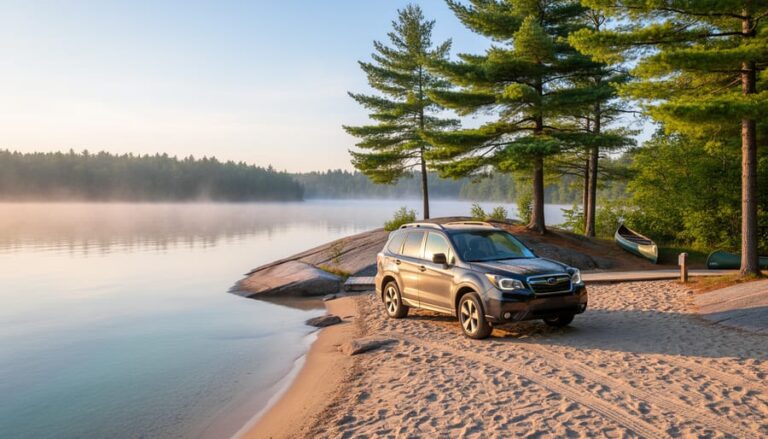
Your day-use permit is your golden ticket to Ontario’s natural playground! It grants access to sandy beaches perfect for swimming and sunbathing, extensive hiking trails that wind through forests and along shorelines, and designated picnic areas where you can spread out your lunch. You’ll also have access to washrooms, parking lots, and visitor centers where friendly staff share insider tips about the best spots to explore.
Here’s a money-saving tip: most basic amenities are covered, but some extras require additional fees. Camping overnight, renting canoes or kayaks, and booking group shelters typically cost extra. Fishing is allowed with your permit, but you’ll need a separate Ontario fishing license. Some parks also charge for special programs like guided nature walks or heritage tours, though many offer free interpretive events throughout summer.
Common Questions and Mistakes to Avoid
Let me answer the questions that trip up visitors most often—I’ve seen these scenarios play out countless times at park gates!
Do you need separate permits for multiple parks? Yes, unfortunately. Each park requires its own day use permit, even if you’re hopping between two parks on the same day. I learned this the hard way when planning a photography tour through three nearby parks—my wallet wasn’t thrilled, but the diverse landscapes made it worthwhile.
What happens if permits are sold out when you arrive? This is where advance planning saves the day. Walk-up visitors are turned away when capacity is reached, especially on summer weekends. One family I met had driven three hours only to find Algonquin fully booked. They ended up at a nearby conservation area instead, which worked out, but the disappointment was real. Check our reservation system tips to avoid this heartbreak.
Can you transfer permits? Unfortunately no. Day use permits are non-transferable between visitors, though you can sometimes modify dates depending on the park’s policy.
What about refunds? Generally, permits are non-refundable, but some parks offer exchanges for weather emergencies or unexpected closures. Always review the specific cancellation policy when booking.
My insider tip? Screenshot your permit confirmation and save it offline. Cell service at remote parks can be spotty, and gate staff need to verify your booking. Keep your vehicle permit visible on your dashboard to avoid any confusion during ranger patrols.
Ontario’s parks are waiting for you, and honestly, there’s no better time than now to start planning your adventure. That small investment in a day-use permit does so much more than just grant you access—it directly supports conservation efforts, maintains the trails you’ll explore, and protects the incredible ecosystems that make these spaces so special. Every permit purchased helps ensure these natural treasures remain pristine for generations to come.
Picture yourself breathing in that fresh pine air, spotting wildlife along a peaceful trail, or watching your kids splash in a crystal-clear lake. These are the moments that stick with you long after you’ve returned home. Whether you’re seeking quiet reflection, family fun, or an adrenaline-filled day of exploration, Ontario Parks offers something magical for everyone.
Ready to create your own outdoor memories? Check park availability online, grab your permit, and get out there. Your next great adventure is just a reservation away.





+ There are no comments
Add yours