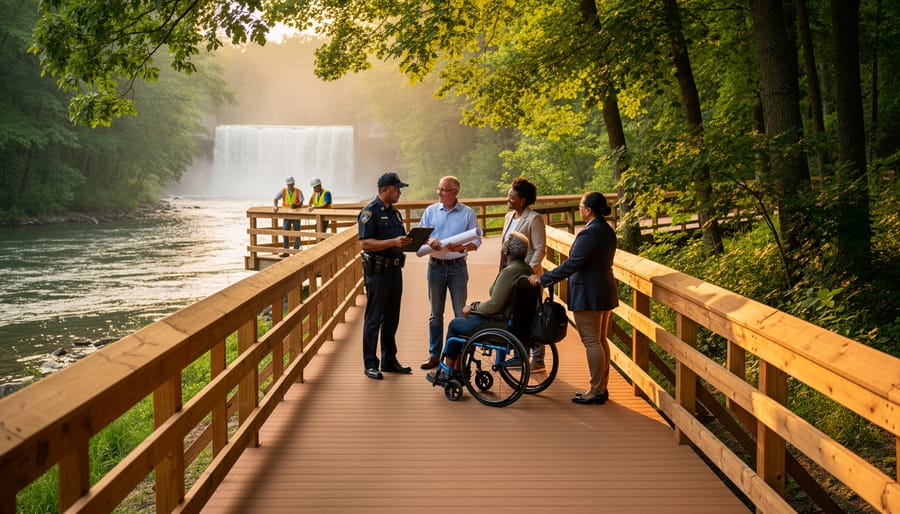
Picture this: A grandmother in a wheelchair missing out on a stunning waterfall view because there’s no accessible path. A family with a stroller unable to navigate a rocky trail to reach a picnic area. These scenarios play out daily across Ontario’s parks and recreational spaces, but they don’t have to.
Community workshops are transforming how urban and rural leaders approach accessibility in outdoor spaces. These hands-on sessions bring together park officials, tourism coordinators, municipal planners, and community advocates to reimagine trails, lookouts, and facilities through an inclusive lens. Rather than treating accessibility as an afterthought or expensive retrofit, participants learn to identify quick wins and cost-effective solutions that open Ontario’s natural beauty to everyone.
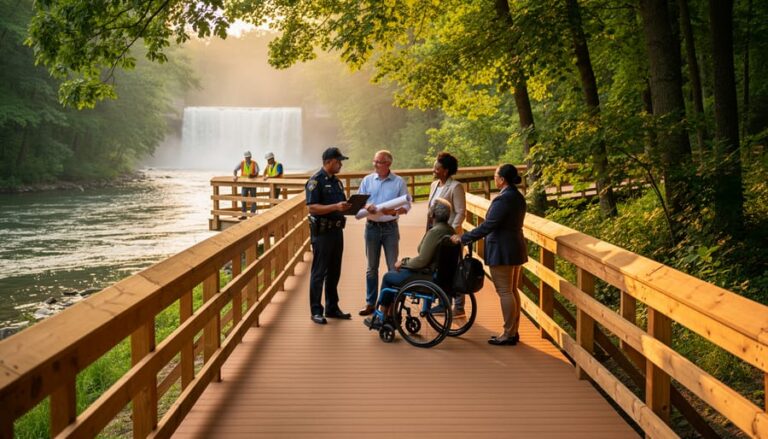
The beauty of these workshops lies in their practical, boots-on-the-ground approach. You’ll walk actual trails, spot barriers you never noticed before, and brainstorm solutions with peers facing similar challenges. One township discovered they could make their riverside path accessible by simply adding railings and smoothing a 200-meter section. Another community created sensory garden elements that enhanced the experience for visitors with visual impairments while delighting all guests.
Whether you manage a small municipal park or coordinate tourism for an entire region, these workshops provide the tools, confidence, and network you need to make meaningful change. The question isn’t whether to make your spaces accessible – it’s how quickly you can start.
Why Accessibility Workshops Matter for Your Community
The Urban-Rural Divide in Accessibility Awareness
Here’s something I’ve noticed during my travels across Ontario: accessibility awareness looks remarkably different depending on where you are. In Toronto, Ottawa, or Hamilton, you’ll find communities buzzing with accessibility initiatives, advocacy groups meeting regularly, and plenty of resources at everyone’s fingertips. But venture into rural communities near Algonquin Park or along Lake Huron’s shores, and the picture changes dramatically.
Rural areas face unique hurdles. Limited budgets, smaller populations, and fewer dedicated staff members mean accessibility improvements often take a backseat to other pressing needs. However, there’s a surprising upside: tight-knit communities can mobilize quickly once they understand the benefits. I’ve watched small-town leaders transform entire trail systems in months simply because everyone knew someone who’d benefit.
The geographic isolation that challenges rural communities also creates opportunities. These areas often have untouched natural spaces perfect for accessible outdoor experiences. When workshop facilitators bring urban expertise to rural settings, something magical happens. Local knowledge about terrain and seasonal changes combines with accessibility best practices, creating innovative solutions you won’t find in textbooks. The key is bridging this urban-rural knowledge gap through targeted community workshops that respect each region’s distinct circumstances while sharing universal accessibility principles.
Real Stories from Ontario Parks
When Sarah, a wheelchair user from Toronto, attended a community workshop at Algonquin Provincial Park last year, she shared her frustration about inaccessible washroom facilities on popular trails. Park staff listened intently, and within six months, they’d installed all-terrain mobility mats on two key pathways and upgraded three rest areas with accessible features. “I couldn’t believe they actually followed through,” Sarah told me during a recent visit. “Now I can enjoy the Sunday Creek Trail with my family.”
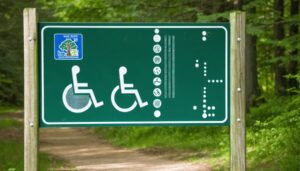
Over at Presqu’ile Provincial Park, workshop feedback from visitors with visual impairments led to the creation of tactile trail markers and audio descriptions at interpretive stations. Local resident James, who is legally blind, now volunteers as a park ambassador, helping shape future accessibility improvements in Ontario parks.
These aren’t just feel-good stories. They’re proof that when park managers truly listen to diverse voices during workshops, real change happens. The best part? Many of these improvements benefit everyone, from parents pushing strollers to seniors using walking aids, creating genuinely welcoming outdoor spaces across Ontario.
What Happens in an Accessibility Workshop
Experiencing Parks Through Different Lenses
Picture this: a park manager straps on a blindfold and attempts to navigate a trail they’ve walked hundreds of times. Suddenly, that familiar path becomes a maze of invisible obstacles. This eye-opening experience is at the heart of many accessibility training programs, where community leaders literally walk in the shoes of visitors with different abilities.
During these powerful simulation activities, participants might navigate trails using wheelchairs or walkers, experiencing firsthand how a seemingly gentle slope becomes exhausting, or how gravel surfaces turn into genuine barriers. Others don sensory-limiting gear like vision-impairing glasses or noise-cancelling headphones to understand how visitors with visual or auditory differences interact with park spaces.
One rural tourism coordinator from Eastern Ontario shared how using a wheelchair on her town’s waterfront trail was transformative. “I never realized those cute wooden boardwalk gaps were actually wheel-catchers,” she explained. “Or that our ‘accessible’ picnic area required crossing a patch of deep mulch to reach the tables.”
These simulations aren’t just about identifying problems; they spark creative solutions. Leaders often have lightbulb moments about simple fixes like adding tactile pathway markers, installing rest benches at strategic intervals, or creating sensory-rich garden areas that engage visitors through touch and smell rather than sight alone. The result? More inclusive spaces where everyone can experience Ontario’s natural beauty.
Building Your Accessibility Action Plan
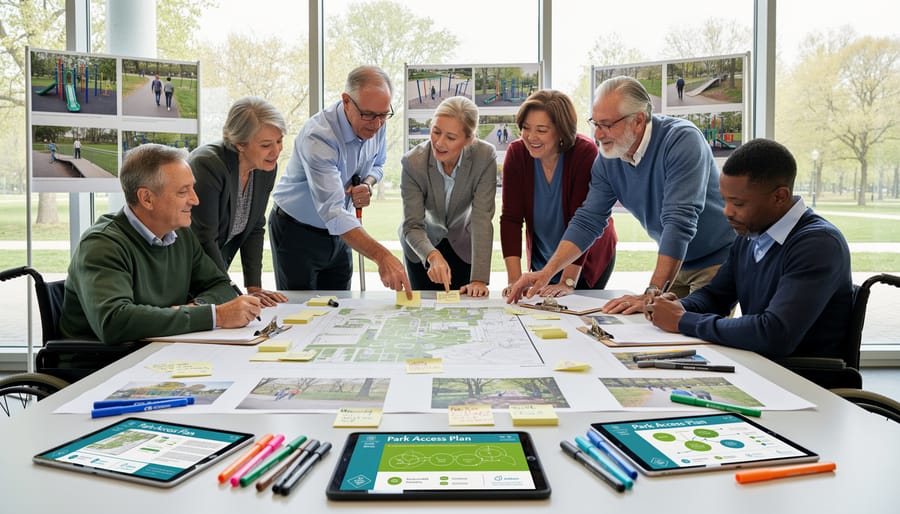
Here’s where the real magic happens – turning inspiration into action! After exploring accessibility challenges and learning from experts, workshop participants roll up their sleeves to create concrete plans tailored to their communities.
You’ll work with your team to identify three to five priority improvements that offer the biggest impact. Maybe it’s adding accessible picnic tables at your most popular park, or creating large-print trail guides for visitors with visual impairments. One participant from a small township near Algonquin shared how her group prioritized installing a sensory-friendly quiet zone at their community beach – a simple change that welcomed families with autistic children who previously felt excluded.
The workshop facilitators guide you through assessing both quick wins and longer-term projects. Quick wins might include updating your website with accessibility information or training staff on inclusive communication. Longer projects could involve fundraising for accessible kayak launches or partnering with local organizations to develop adaptive recreation programs.
Here’s an insider tip: Don’t tackle everything at once. Choose one manageable project to launch within 30 days. Success breeds momentum! Participants leave with a written action plan that includes timelines, budget estimates, and potential funding sources specific to Ontario communities.
The planning session also connects you with other leaders facing similar challenges. Exchange contact information and create accountability partnerships. Many workshop graduates report that these connections become invaluable resources long after the event ends, creating a supportive network committed to making Ontario’s outdoor spaces welcoming for everyone.
Insider Tips: Making the Most of Your Workshop Experience
Here’s my insider secret from years of attending community workshops: come prepared with photos. Seriously! Before you head to your next accessibility workshop, snap pictures of the tricky spots in your community – that steep trail entrance, the parking area without clear signage, or the picnic area that’s impossible to navigate with mobility aids. When discussions start, you’ll have real examples to share and get specific advice on.
Start conversations early. I’ve found that some of the best insights happen during coffee breaks, not during formal sessions. Chat with leaders from communities facing similar challenges. A small-town coordinator once told me how they transformed a lakefront path on a shoestring budget, and that single conversation saved our community thousands of dollars.
Ask the “how much” and “how long” questions everyone’s thinking but hesitates to voice. Workshop facilitators appreciate directness: What’s a realistic timeline? What’s the minimum budget needed? Where did other communities find funding? These practical details matter when you’re presenting ideas back home.
Take notes specifically for your team. I always jot down which concepts will resonate with my council members versus what the community volunteers need to hear. Different stakeholders need different messages, and workshops give you the language and examples to convince each group.
Before leaving, exchange contact information with at least three people. You’re building a support network for when you hit roadblocks later. That park manager two towns over might become your go-to resource for troubleshooting.
Finally, schedule a follow-up meeting with your team within one week of returning. Strike while the inspiration’s hot. Share photos from the workshop, distribute handouts, and start mapping out your first small win. Communities that implement quickly maintain momentum.
Success Stories: Communities That Got It Right
Across Ontario, several communities have transformed their outdoor spaces into welcoming destinations for everyone, proving that accessibility workshops really do make a difference. Let me share some inspiring examples that’ll get you excited about what’s possible.
In Port Hope, a charming small town east of Toronto, community leaders attended an accessibility workshop in 2022 and decided to tackle their beloved waterfront trail. The biggest challenge? A steep ravine section that forced wheelchair users and families with strollers to take a lengthy detour. Working with accessibility consultants they met through the workshop, the town installed a gently sloped switchback pathway with rest benches every 50 meters. They also added tactile paving and high-contrast edge markers for visitors with visual impairments. Since the changes, local business owner Maria Santos reports a 40% increase in foot traffic along the waterfront. “We see multigenerational families now,” she says. “Grandparents in mobility devices can finally enjoy the lake views with their grandkids.”
Up north in Thunder Bay, park coordinators applied workshop learnings to redesign their nature interpretation programs. They created sensory-friendly trail guides with large-print text and audio descriptions, plus wheelchair-accessible boardwalks through their wetland areas. The real game-changer? Training staff to lead inclusive nature walks that accommodate different mobility levels and learning styles. Visitor surveys show a 65% satisfaction increase among guests with disabilities.
Meanwhile, the Town of Caledon transformed a rustic conservation area into one of the region’s most accessible Ontario parks. Their workshop-inspired upgrades included all-terrain wheelchairs available for free loan, accessible fishing platforms, and clear wayfinding signage with universal symbols. The project faced budget constraints initially, but they secured provincial grants specifically designed for accessibility improvements.
These communities prove that thoughtful changes don’t just help people with disabilities—they create better experiences for everyone. Parents with strollers, seniors, and visitors recovering from injuries all benefit from well-designed accessible spaces.
Eco-Friendly Accessibility: A Win-Win Approach
Here’s something wonderful that participants discover in these workshops: making outdoor spaces accessible often goes hand-in-hand with protecting the environment. It’s a perfect example of how inclusive design benefits everyone, including nature itself.
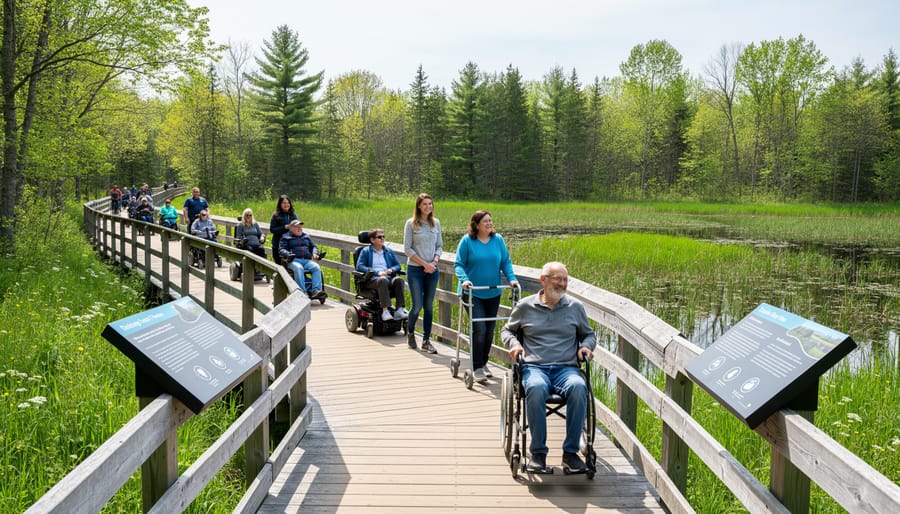
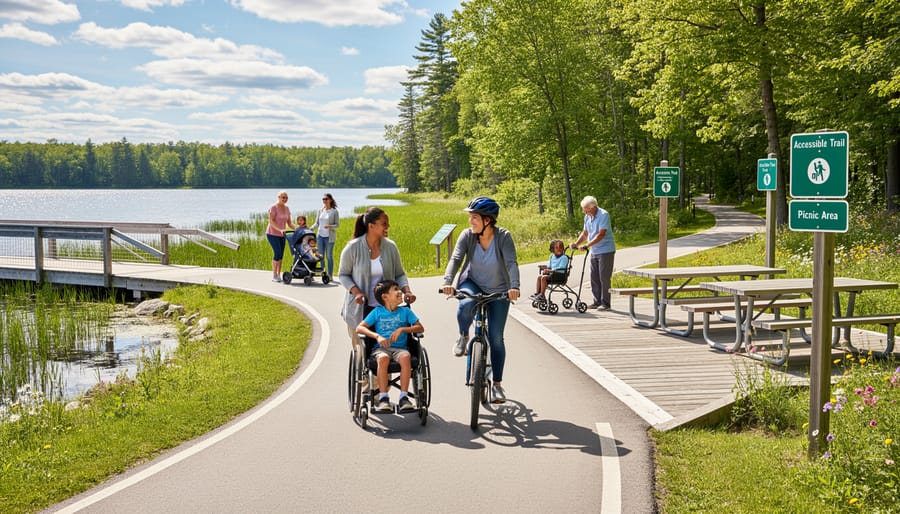
Think about accessible boardwalks, for instance. At many Ontario wetlands and conservation areas, elevated pathways allow visitors using wheelchairs, strollers, or mobility aids to experience these delicate ecosystems up close. But here’s the eco-friendly bonus: these same boardwalks prevent soil compaction and vegetation damage that would occur from foot traffic on natural ground. Everyone gets to explore, and the marsh ecosystem stays healthy. It’s truly a win-win.
Workshop leaders share inspiring examples from Ontario parks where accessibility improvements doubled as conservation measures. Paved trails with gentle grades reduce erosion while accommodating visitors of all abilities. Accessible viewing platforms at bird sanctuaries keep people at respectful distances from nesting areas while providing spectacular sightlines for everyone, whether they’re standing, sitting, or using mobility devices.
The interpretive programs that emerge from these workshops are equally impressive. Many communities have developed multi-sensory nature experiences that deepen everyone’s connection to the outdoors. Audio descriptions of landscapes help visually impaired visitors paint mental pictures, while tactile elements and scent gardens engage all the senses. When nature programming becomes more inclusive, it naturally fosters greater environmental awareness and stewardship across diverse community members.
Community leaders leave these sessions energized, realizing that accessibility and sustainability aren’t competing priorities. They’re complementary goals that strengthen both community bonds and environmental protection.
How to Bring an Accessibility Workshop to Your Region
Ready to champion accessibility in your community? Bringing a workshop to your region is easier than you might think, and the impact can transform how people experience Ontario’s incredible outdoor spaces.
Start by reaching out to Ontario Parks directly through their community engagement team. They’re genuinely passionate about spreading accessibility knowledge and often have facilitators ready to travel across the province. You can also connect with regional conservation authorities or municipal recreation departments who may already have partnerships in place.
Funding doesn’t have to be a roadblock. Many workshops qualify for grants through programs like the Ontario Trillium Foundation or the Community Building Fund. Some municipalities even include accessibility training in their annual budgets. Here’s an insider tip: partnering with local tourism boards can open doors to joint funding opportunities, since accessible tourism directly benefits regional economies.
When organizing, aim for a venue that practices what you’ll be teaching. Choosing an accessible community centre or outdoor education facility sends a powerful message. Plan for 15-25 participants to keep discussions interactive and meaningful.
Ontario Parks offers free downloadable resources, including planning checklists and accessibility assessment templates, perfect for getting started. They can also connect you with communities who’ve successfully hosted workshops, so you’re learning from real experiences rather than starting from scratch.
The beauty of these workshops lies in their ripple effect. Just as community involvement in park development creates spaces that truly serve everyone, accessibility training empowers leaders to make lasting change. One workshop participant in Thunder Bay told me their session sparked five new accessible trail projects within a year.
Don’t wait for permission. If you see a need, you’re already the right person to make it happen.
Picture this: a young family arrives at an Ontario park, and the child using a wheelchair can access every trail, every viewpoint, and every program alongside their siblings. That’s not just a dream anymore – it’s the future we’re building together through accessibility-focused leadership and community workshops.
The ripple effect of what you learn in these workshops extends far beyond your community. Each accessible trail you champion, every inclusive program you develop, and all the barriers you remove create pathways for thousands of visitors to experience Ontario’s natural wonders. You’re not just checking boxes; you’re opening doors to life-changing outdoor experiences.
Here’s my insider tip: start small but start now. Even attending one workshop or implementing a single accessibility improvement sends a powerful message that everyone belongs in our parks. Connect with fellow leaders, share your successes, and don’t be afraid to learn from setbacks.
Ontario’s parks are already incredible – imagine how extraordinary they’ll become when truly everyone can explore them. Your leadership matters. Your community matters. And together, we’re creating outdoor spaces where accessibility isn’t an afterthought but the foundation of everything we do. The trails are waiting, and now everyone’s invited.






+ There are no comments
Add yours