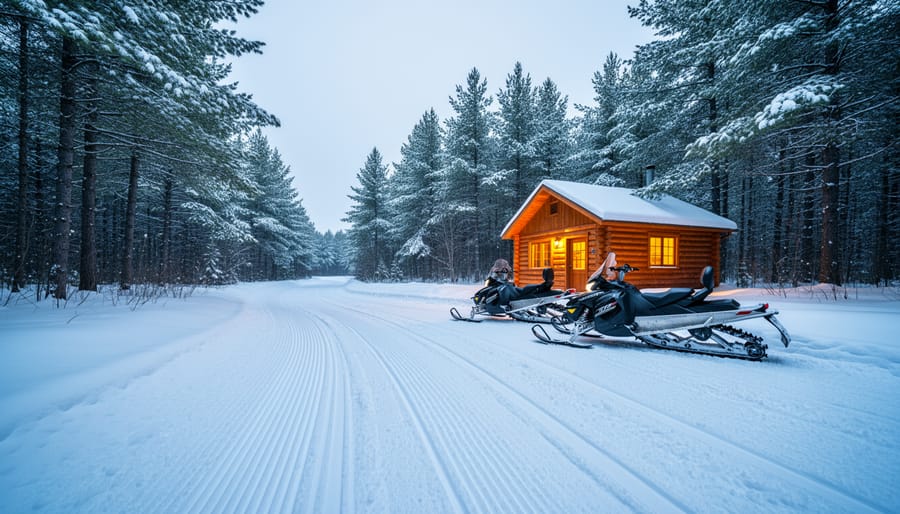
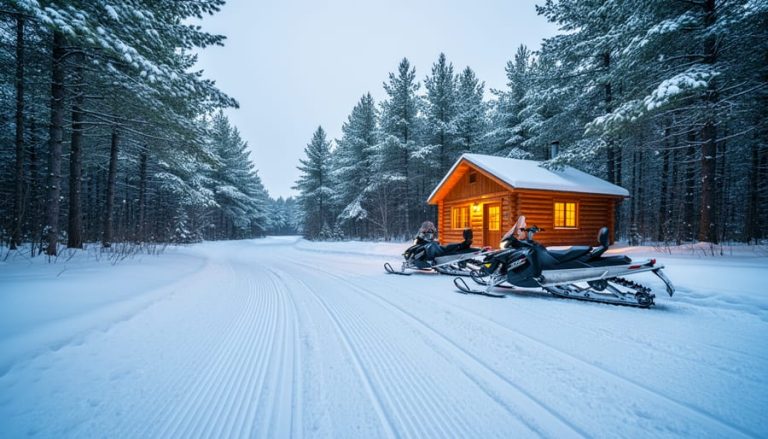
Ontario’s network of open snowmobile trails offers riders some of the most scenic and well-maintained loop itineraries in Eastern North America, with circuits ranging from 50-kilometre half-day adventures to multi-day expeditions spanning 300 kilometres or more. The best loop rides connect through Muskoka, Haliburton, and the Frontenac region, where club-groomed trails link small towns, backcountry wilderness, and cozy trail-side stops without requiring you to retrace your route.
Planning a successful loop ride depends on three essentials: checking real-time trail status through local club websites or apps, understanding permit requirements (an Ontario Federation of Snowmobile Clubs trail pass is mandatory on most groomed routes), and studying snowmobile trail maps before you head out. Unlike point-to-point trails that dead-end or require backtracking, loops let you experience diverse terrain while returning to your vehicle or lodge without covering the same ground twice.
This guide zeroes in on the practicalities: which loops deliver the best mix of scenery and rider amenities, how to access current grooming reports, and insider strategies for avoiding weekend congestion on popular routes. Whether you’re plotting your first overnight circuit or seeking a new challenge beyond familiar territory, you’ll find the details you need to ride confidently and responsibly.
Why Ontario’s Open Snowmobile Trail Loops Are Worth the Ride
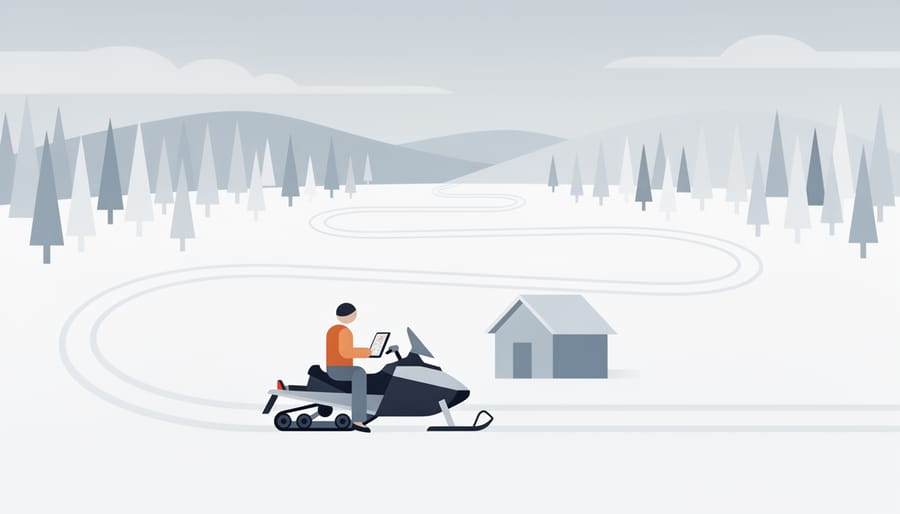
Ontario’s snowmobile trail network stands out as one of North America’s most extensive and well-maintained systems, spanning over 40,000 kilometers of marked routes. What makes these trails special isn’t just their size but how they’re organized into loop itineraries that let you start and finish at the same point without retracing your path. This design turns a simple ride into a true adventure where the scenery constantly changes.
The terrain variety is remarkable. You might start your morning gliding across frozen lakes in cottage country, navigate dense boreal forests by midday, and finish watching sunset from a rocky ridge overlooking river valleys. From the gentle rolling farmland of eastern Ontario to the rugged Canadian Shield in the north, each region offers distinct landscapes that keep every kilometer interesting. Some loops take you through wilderness where you won’t see another soul for hours, while others connect charming small towns where you can grab lunch and refuel.
Loop itineraries solve a practical problem that backtracking creates: nobody wants to see the same scenery twice or worry about arranging vehicle shuttles. Whether you’re planning a three-hour afternoon ride or a week-long expedition with overnight stops, loops give you flexibility to match the route to your schedule and skill level.
Behind this system is a dedicated network of local snowmobile clubs whose volunteers groom trails, maintain signage, and operate warming huts. Their work, funded largely through trail permits, keeps conditions rideable throughout the season. The social fabric they’ve built creates a welcoming culture where riders look out for each other, share trail reports, and gather at club events that feel like reunions among friends who share a passion for winter riding.
Top Snowmobile Trail Loop Itineraries in Ontario
1. Muskoka Highlands Loop
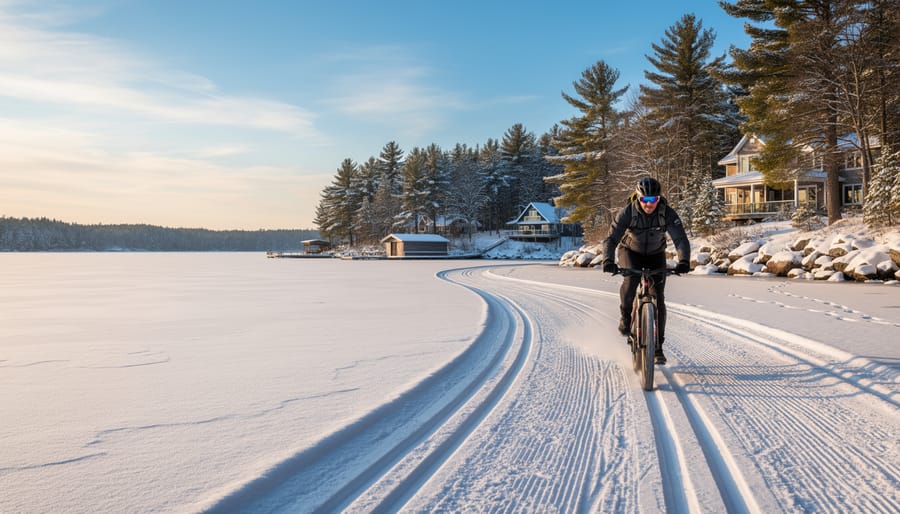
The Muskoka Highlands Loop stretches approximately 240 kilometres through central Ontario’s iconic cottage country, offering one of the region’s most accessible and scenic snowmobile experiences. This route winds through rolling terrain that’s ideal for intermediate riders while remaining welcoming enough for confident beginners, with well-maintained trails that rarely present technical challenges.
The loop connects Bracebridge, Huntsville, and Gravenhurst through a network of trails that hug frozen lake edges and cut through dense pine forests. You’ll cross the ice on Lake Muskoka and Lake of Bays, thrilling moments that offer unobstructed views of snow-dusted shorelines and distant hills. The terrain consists mainly of gentle hills and flat sections, with the occasional moderate climb that provides panoramic overlooks without demanding aggressive riding.
Notable pit stops make this loop particularly rider-friendly. The village of Port Carling sits roughly at the midpoint, where you can refuel at trailside gas bars and grab hot meals at snowmobile-welcoming restaurants. Huntsville’s downtown area is directly accessible via groomed trails, offering multiple dining options and overnight accommodations. Many riders break the loop into a comfortable two-day itinerary, though experienced sledders can complete it in a single long day.
The Muskoka Highlands Loop typically opens by mid-December and maintains excellent conditions through March, thanks to active local clubs that groom regularly.
2. Algonquin Park Perimeter Route
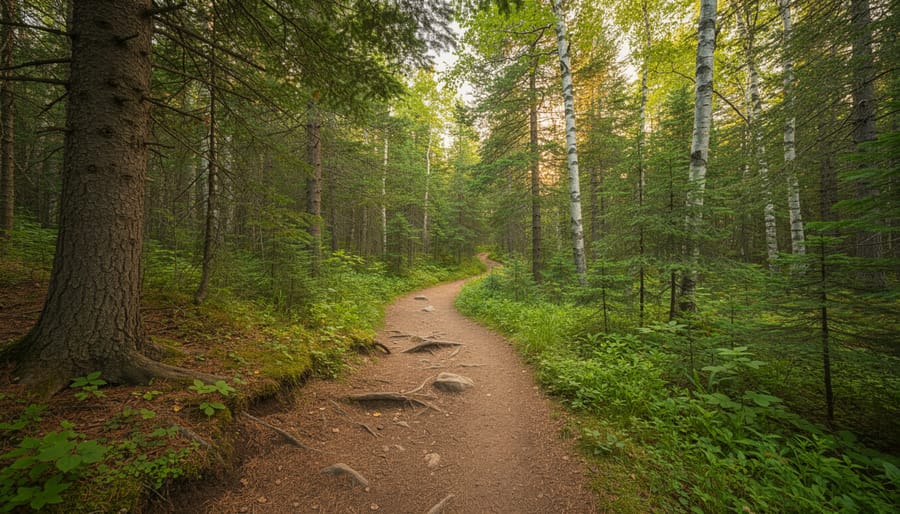
The Algonquin Park Perimeter Route delivers one of Ontario’s most spectacular wilderness snowmobiling experiences, tracing roughly 300 kilometers around the iconic park’s boundary. This loop isn’t for beginners, the remote sections, variable terrain, and limited services demand solid riding skills and thorough preparation.
You’ll traverse dense hardwood forests, cross frozen wetlands, and climb rocky ridges that offer sweeping views across the park’s interior. Wildlife encounters are common: moose browsing near trailside, foxes darting across clearings, and occasionally wolves heard in the distance. The isolation is part of the appeal, but it means long stretches between fuel stops and warming huts.
Plan for two full days minimum, though experienced riders often stretch it to three to fully absorb the scenery and explore side trails. The best window runs late January through early March when snow depths are reliable and daylight extends into late afternoon. Earlier in the season, some sections may not be fully groomed; later risks include spring thaw conditions that can turn trails slushy by midday.
Carry extra fuel, emergency gear, and a reliable GPS or trail map. Cell coverage is spotty to nonexistent along the northern segments. The rewards, pristine snowscapes, genuine backcountry atmosphere, and the satisfaction of completing a challenging loop, make this route a bucket-list ride for intermediate to advanced snowmobilers.
3. Haliburton Forest and Highlands Loop
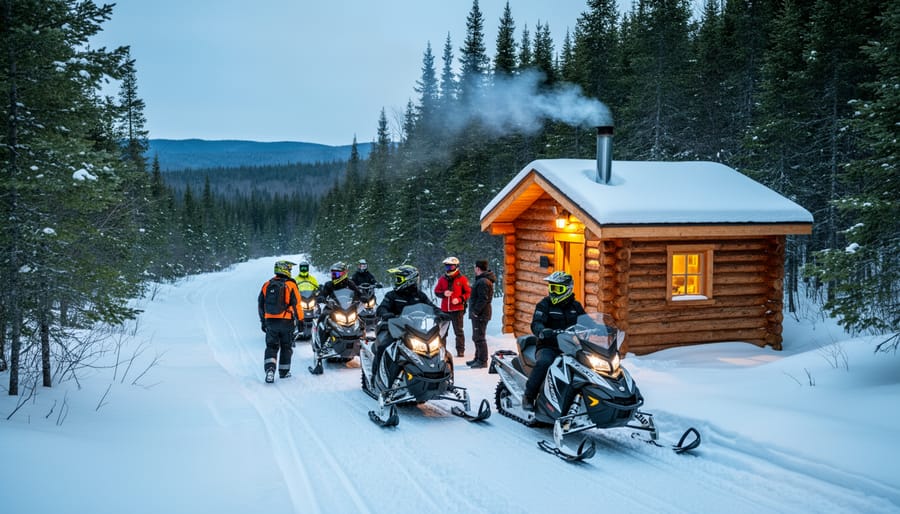
The Haliburton Forest and Highlands Loop delivers a true backcountry snowmobiling experience without venturing hours from civilization. This roughly 120-kilometer circuit winds through dense mixed forest, crosses frozen beaver ponds, and climbs ridgelines that reward riders with sweeping views of the surrounding highlands.
What sets this loop apart is the terrain variety. You’ll navigate tight tree corridors one moment, then break into open fields with unobstructed sightlines the next. The elevation changes are noticeable but manageable for intermediate riders, expect gradual climbs followed by exhilarating descents where fresh powder tends to accumulate in shaded sections.
The forest canopy creates a microclimate that preserves snow quality well into late season. Mid-February through early March typically offers the deepest base and best riding conditions, though trails often remain rideable into early April.
Three well-maintained warming huts punctuate the route at roughly 40-kilometer intervals. Each provides wood stoves, basic seating, and sheltered spots to refuel. The hut at Boshkung Lake serves as the unofficial halfway point where riders swap stories and check trail reports posted by locals.
This loop feels remote and wild, yet you’re never more than 20 minutes from a plowed road. It’s ideal for riders seeking adventure without committing to true wilderness expeditions.
4. Kawartha Lakes Circuit

The Kawartha Lakes Circuit stands out as one of Ontario’s most welcoming snowmobile loops, purpose-built for riders who want stunning scenery without technical challenges. This 150-kilometre route winds through gentle rolling hills, connecting the picturesque communities of Lindsay, Fenelon Falls, Bobcayegen, and Sturgeon Point. What makes this loop particularly appealing is its forgiving terrain and predictable trail conditions, making it among the most accessible trail options for new riders and families with children.
The circuit’s defining feature is its series of frozen lake crossings, which offer wide-open vistas and a sense of freedom you won’t find on forested trails. Each town along the route provides heated restaurants, fuel stations, and gear shops within easy reach of the trail system. The social atmosphere here is infectious: warming huts fill with friendly chatter, and you’ll often see large family groups riding together at a relaxed pace.
Trail signage is exceptionally clear, and cell service remains strong throughout most of the loop, adding a layer of comfort for those still building confidence. This circuit proves that beginner-friendly doesn’t mean boring, it means more riders get to enjoy the magic of Ontario’s winter trails.
5. Ottawa Valley Explorer Loop
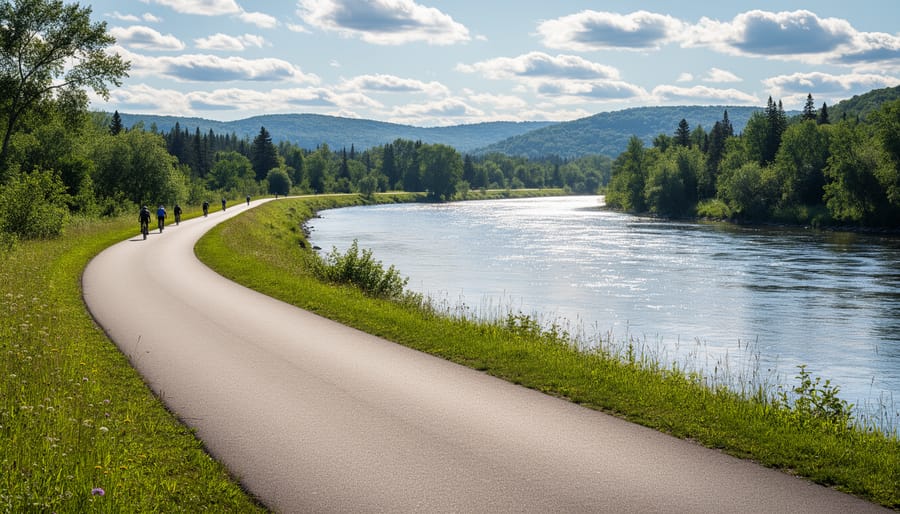
The Ottawa Valley Explorer Loop delivers a distinctive blend of riverside riding and rural charm along Ontario’s eastern border. This approximately 275-kilometre circuit follows the historic Ottawa River corridor, weaving through farmland, small villages, and forested sections while offering seamless connections into Quebec’s trail network for those seeking extended adventures.
What sets this loop apart is its cultural richness. You’ll ride through bilingual communities where trail signage switches between English and French, and warming stops serve both poutine and butter tarts. The route passes through Renfrew, Arnprior, and Pembroke, each offering fuel, food, and overnight accommodation within minutes of the trail. Historic sites like lumber baron estates and century-old churches dot the landscape, providing interesting photo stops.
The terrain is mostly gentle to moderate, making this loop accessible to intermediate riders while still engaging for experienced snowmobilers. Wide-open farmland sections contrast beautifully with wooded river valleys, and several stretches run parallel to the Ottawa River with glimpses of the water through ice-covered trees.
Cross-border riders should note that Quebec trail permits are separate from Ontario’s and required even for brief excursions across provincial lines. Local clubs in Renfrew County maintain excellent grooming standards and post updates in both languages, reflecting the valley’s bilingual heritage.
6. Frontenac Heritage Loop
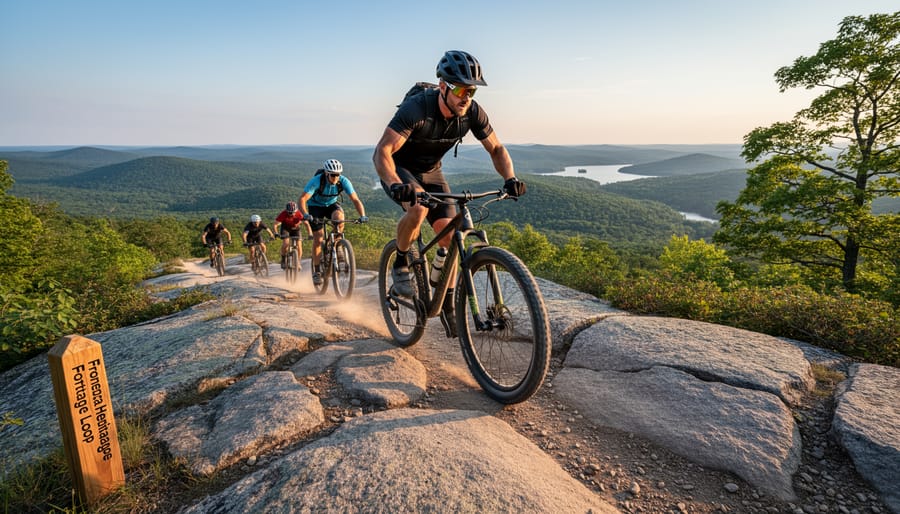
The Frontenac Heritage Loop cuts through some of Ontario’s most dramatic granite terrain, tracing old mining routes and logging roads that date back over a century. This loop demands technical skill, expect rocky outcrops beneath the snow, tight turns through pine forests, and sudden elevation changes that’ll test your suspension and handling.
What sets this route apart is the landscape itself. You’re riding through the southern edge of the Canadian Shield, where exposed granite formations create natural obstacles and breathtaking viewpoints. The trail passes abandoned mine sites near Tichborne and Oso, where you can glimpse weathered headframes and stone foundations poking through the snow. These aren’t tourist attractions with plaques, they’re authentic remnants slowly being reclaimed by forest.
The loop typically runs 220 kilometres from Sharbot Lake northward through Frontenac Provincial Park‘s periphery before swinging back through Snow Road Station. Snow conditions vary wildly here because granite holds heat differently than softer terrain, leading to icy patches on south-facing slopes even after fresh snowfall. Experienced riders appreciate this variability as a skills challenge rather than a frustration.
Trail grooming happens less frequently than tourist-focused routes, so you’re riding closer to natural conditions. That backcountry feel comes with responsibility, carry GPS, pack emergency supplies, and ride with partners who can handle themselves when trails get technical.
7. Northern Ontario Adventure Loop
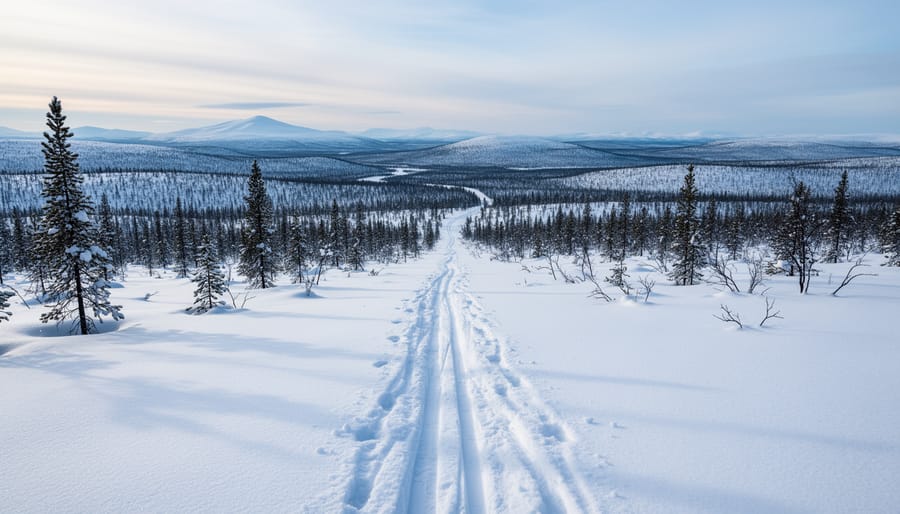
For riders craving genuine wilderness and powder-deep trails, the Northern Ontario Adventure Loop delivers an unforgettable backcountry experience far from urban corridors. This extended circuit winds through vast boreal forests, crosses frozen lakes stretching to the horizon, and connects remote communities where snowmobiling isn’t recreation, it’s transportation. Expect 400+ kilometres of pristine trail through regions like Hearst, Cochrane, and Timmins, where consistent lake-effect snow creates riding conditions that southern trails can only dream about.
The remoteness that makes this loop spectacular also demands serious preparation. Cell service disappears for long stretches, so carry a satellite communicator or GPS beacon. Pack emergency shelter materials, extra fuel in jerry cans (stations can be 100+ kilometres apart), and cold-weather survival gear including hand warmers, fire-starting supplies, and high-calorie snacks. Ride with at least one partner, never solo, and file your route plan with someone reliable.
Check weather forecasts obsessively before departure. Northern blizzards can reduce visibility to metres within minutes, and temperatures regularly plunge below -30°C with wind chill. This isn’t a beginner’s route, but experienced riders who respect the conditions will find some of Ontario’s most rewarding snowmobiling: endless white landscapes, the aurora borealis dancing overhead at dusk, and trails where you might not see another sled for hours.
How Trail Status and Access Work
Understanding how Ontario’s trail system operates helps you ride confidently and safely. The Ontario Federation of Snowmobile Clubs (OFSC) oversees a network of more than 230 local clubs that maintain, groom, and report on trail conditions across the province. Each club decides when its section opens based on snow depth, landowner permissions, and weather forecasts, which means trail status changes frequently throughout the season.
Before you head out, check current conditions through multiple sources to confirm which segments of your planned loop are actually rideable:
- OFSC website’s interactive trail map showing open, closed, and groomed sections in real-time
- Local club hotlines for specific route updates and grooming schedules
- GO Snowmobiling Ontario mobile app with GPS tracking and condition reports
- Club social media pages for same-day alerts about closures or hazards
Trail permits are mandatory on all OFSC-maintained routes. You’ll need a valid OFSC Trail Permit, purchased online or through participating dealers, which funds grooming operations and landowner agreements. Some clubs also require membership for access to their trails, particularly in popular regions like Muskoka and Haliburton. Your permit displays a unique number that grants legal access, ride without one and you risk fines plus jeopardizing landowner relationships that keep trails open.
Pay attention to OFSC trail reports noting farm country closures, which happen when temperatures rise and landowners need to protect their fields. Respecting these closures preserves future access for everyone.
Planning Your Loop Itinerary: Practical Information
Ontario’s snowmobile season typically runs from mid-December through late March, with January and February offering the most reliable snow coverage and optimal grooming conditions. Early-season riding can be unpredictable, while late-season trails may become slushy during afternoon thaw cycles.
Pack layered clothing that you can adjust throughout the day, a helmet with a heated visor to prevent fogging, insulated gloves, and waterproof boots. Bring a basic tool kit, extra spark plugs, a tow rope, and a GPS device or downloaded trail maps since cell service can be spotty in remote areas. A portable phone charger, first aid kit, and high-energy snacks are essential for longer loops.
Most popular loop itineraries have fuel stations spaced 80 to 120 kilometres apart, but northern routes may require carrying extra fuel in approved containers. The Ontario Federation of Snowmobile Clubs app shows real-time fuel stop locations and hours, which often differ from summer schedules. Plan refueling stops before you dip below half a tank.
| Loop Name | Difficulty Level | Typical Duration | Best Season |
|---|---|---|---|
| Kawartha Lakes Circuit | Beginner-friendly | 4-6 hours | January, February |
| Muskoka Highlands Loop | Intermediate | 6-8 hours (or 2 days) | Late December, March |
| Frontenac Heritage Loop | Advanced | Full day | January, early March |
| Northern Ontario Adventure Loop | Expert | 2-3 days | Mid-January, February |
Accommodation options range from trail-side motels and lodges that cater specifically to sledders (offering heated garages and early breakfasts) to remote cabins accessible only by snowmobile. Book ahead during peak weekends, especially near popular loops like Muskoka and Haliburton. Many establishments post “sled and stay” packages that include trail access and meals.
Local Tips for a Better Trail Experience
The best riding conditions typically occur mid-January through early March when snowpack is deepest and most consistent. Morning rides offer firmer, faster trails before afternoon sun softens the surface, while weekday outings mean less traffic and better access to warming huts.
Connect with local snowmobile clubs before your trip, they maintain the trails and know which sections are riding best on any given day. Most clubs welcome inquiries through social media or their websites, and joining one grants you access to member-only route updates and trail maps. These relationships provide invaluable route planning tips you won’t find online.
Trail etiquette matters on shared routes. Keep right, pass on the left with ample space, and slow down near warming huts, intersections, and populated areas. Never assume you have the right of way, and acknowledge other riders with a wave, it’s part of the culture.
For warming huts and food stops, seasoned riders recommend the chili at Dorset Tower, the homemade pies in Haliburton Village, and the hearty breakfasts at roadside diners in Bancroft. Most loops pass through towns every 30-50 kilometers, so you’re never far from hot coffee.
Practice eco-friendly riding by staying on designated trails to prevent vegetation damage and erosion. Avoid riding over young trees or through wetlands, pack out all trash, and keep noise levels reasonable near wildlife habitat and residential areas.
Common Questions About Open Snowmobile Trails
Do I need a permit to ride Ontario’s open snowmobile trails?
Yes, you need both an OFSC trail permit and a valid snowmobile registration. The trail permit supports grooming and maintenance across the province’s interconnected system, while club memberships often provide additional benefits and local trail knowledge.
What’s the difference between ‘open’ and ‘groomed’ trail status?
Open means the trail is accessible and rideable, but groomed indicates it’s been recently maintained with proper snow coverage and smooth conditions. A trail can be open but ungroomed during early or late season when snow depth is marginal.
Is night riding allowed on loop itineraries?
Most Ontario trails permit riding after dark, but you must have functioning headlights and taillights. Some wilderness sections and park boundaries restrict nighttime access, so check specific route regulations before planning evening rides.
How do I report trail hazards or closures I encounter?
Contact the local snowmobile club responsible for that trail section immediately. Their contact information appears on OFSC maps and the interactive trail guide, and clubs appreciate real-time updates to keep other riders safe.
Most riders wonder about group sizes when tackling longer loops. While there’s no legal maximum, clubs recommend groups of four to six sleds for safety and trail courtesy. Smaller groups navigate warming huts and fuel stops more easily, and you can maintain visual contact on twisting forest sections. If you’re new to loop riding, joining an organized club ride gives you experienced leaders who know the route, pacing, and where to stop.
Ontario’s snowmobile trail loops deliver everything a winter rider could want: stunning natural landscapes, well-maintained routes, and a welcoming community that keeps the trails running season after season. Whether you’re carving through the Muskoka Highlands on a family-friendly circuit or tackling the remote wilderness of Northern Ontario, these loop itineraries let you experience the province’s winter beauty without retracing your path.
The variety across regions means there’s always a new route to explore, from lakeside cruises to forested backcountry adventures. Each loop offers its own character, and the local clubs that groom and monitor these trails take real pride in creating memorable experiences for riders.
Before you load up your sled, take a few minutes to check current trail conditions through the OFSC app or local club websites. Snow depths, weather changes, and maintenance schedules can shift quickly, and knowing what’s actually open saves disappointment and keeps you safe out there.
Winter in Ontario is short, and these trail loops make the most of every snowy day. Pick your route, respect the trails and the communities along them, and get ready for some of the best snowmobiling experiences you’ll find anywhere.


+ There are no comments
Add yours