
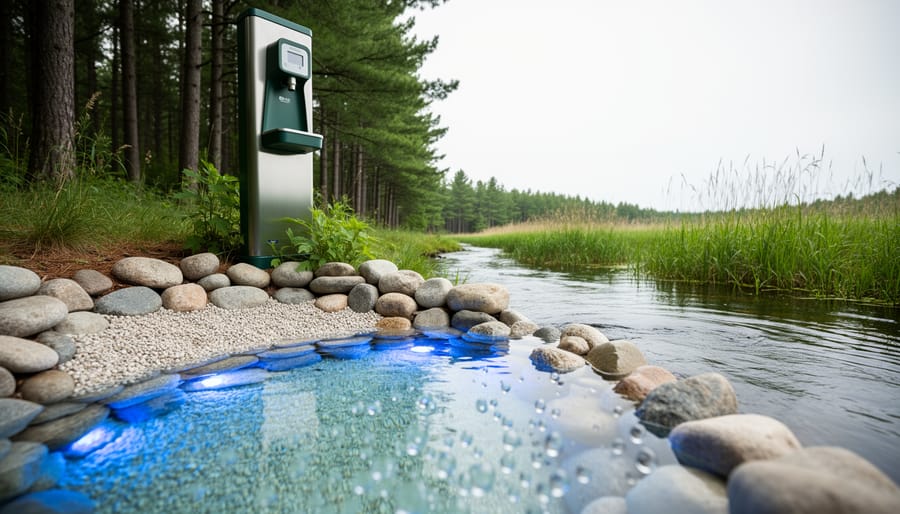
Sustainable water treatment in Ontario Parks combines advanced filtration and purification systems with natural watershed protection to deliver safe drinking water while preserving the province’s lakes, rivers, and wetlands for future generations. These systems actively reduce chemical use, minimize energy consumption, and protect aquatic ecosystems, whether you’re filling your water bottle at a busy campground or drawing from a backcountry well. The approach works because it treats water infrastructure not as separate from nature, but as part of it.
When you camp at an Ontario park in 2026, the water flowing from your tap has likely passed through systems designed to leave the smallest possible footprint. Modern facilities use solar-assisted pumps, low-chemical disinfection methods like ultraviolet light, and natural filtration processes that mimic how wetlands clean water in the wild. The result? You get clean, safe water without the park dumping harsh chemicals back into the ecosystem.
But sustainable water treatment isn’t just about the tech behind the taps. It’s about how we all interact with water during our visits. Every time you use refillable bottles instead of single-use plastics, dispose of grey water properly, or choose biodegradable soap for washing dishes, you’re supporting the system. Parks need healthy source water to begin with, and that starts with preventing pollution at campsites, on trails, and along shorelines.
Understanding how these systems work and what role you play makes every park visit more meaningful. You’re not just a guest, you’re a partner in conservation.
What Sustainable Water Treatment Is in Ontario Parks
Sustainable water treatment in Ontario Parks refers to the collection, purification, and distribution systems designed to provide safe drinking water while minimizing environmental impact. Rather than relying solely on energy-intensive chemical processes, these systems blend modern technology with nature-based solutions that work alongside the surrounding ecosystems. The goal is simple yet vital: ensure every visitor has access to clean water without compromising the very wilderness they came to enjoy.
Parks across the province employ a range of treatment approaches tailored to each location’s unique conditions. A remote backcountry park managing a small cluster of campsites might use a compact solar-powered system, while larger drive-in campgrounds serving hundreds of visitors daily require more robust infrastructure. What unites these diverse installations is their commitment to efficiency, reduced chemical use, and respect for watershed health.
The systems draw on several proven methods:
- UV disinfection that neutralizes pathogens without adding chemicals to the water
- Sand filtration mimicking natural processes found in healthy aquifers
- Constructed wetlands where plants and beneficial microbes break down contaminants
- Rainwater harvesting to supplement groundwater sources during peak season
- Greywater recycling for non-potable uses like irrigation and washroom facilities
These technologies often work in combination, creating layered treatment that’s both effective and gentle on the environment. A park might filter lake water through sand beds, disinfect it with UV light, then monitor quality continuously before pumping it to campground taps.
The philosophy driving these choices connects directly to broader climate action efforts across Ontario’s protected areas. Every gallon of water treated sustainably means less energy consumed, fewer chemicals released, and healthier downstream ecosystems. Parks aim to be transparent about their methods because educated visitors become partners in conservation. When you understand that the water at your campsite traveled through natural filtration and solar-powered treatment, you’re more likely to use it thoughtfully.
This approach acknowledges a fundamental truth: provincial parks exist to protect wild spaces while welcoming people into them. Sustainable water treatment bridges that balance, providing the comfort and safety visitors expect without the heavy ecological footprint of conventional systems. It’s infrastructure that disappears into the landscape rather than dominating it.
Which Parks and Facilities Use These Systems
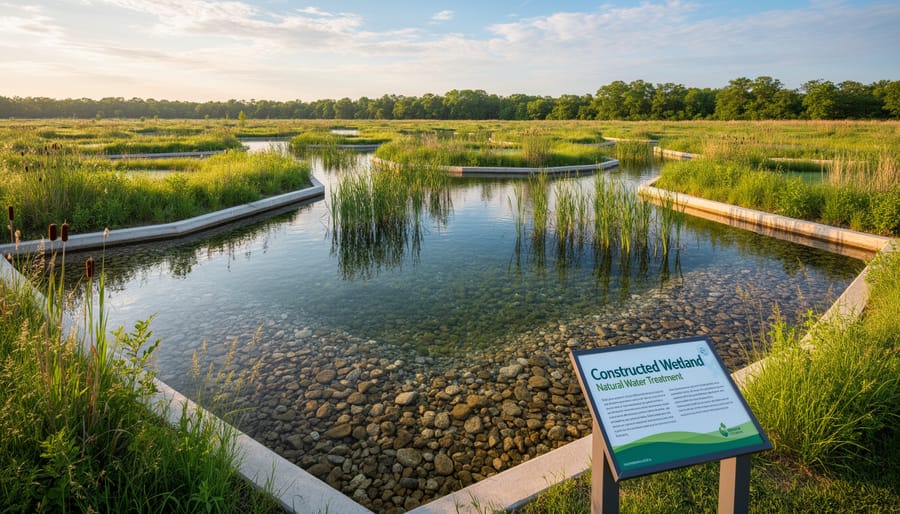
Sustainable water treatment systems appear across Ontario’s provincial park network based on several practical factors rather than a one-size-fits-all approach. Parks evaluate their specific circumstances, geographic location, visitor capacity, proximity to sensitive ecosystems, and available infrastructure, to determine which treatment methods make sense for their situation.
Drive-in campgrounds with electrical hookups and centralized facilities typically use more sophisticated treatment systems. These developed parks receive steady visitor traffic throughout the camping season and need reliable water delivery to washrooms, showers, and drinking fountains scattered across multiple campground loops. The concentration of visitors in these areas justifies the investment in comprehensive treatment infrastructure that can handle higher demand while protecting nearby lakes and rivers from potential contamination.
Backcountry parks take a different approach entirely. Without electricity or road access, these remote areas rely on natural water sources and emphasize visitor education about water treatment rather than centralized systems. Paddlers and hikers carry their own purification tablets or filters, drawing water directly from lakes and streams while following strict guidelines about where to access water and how to dispose of waste at least 30 meters from shorelines.
Day-use areas present yet another scenario. Parks with beach facilities, picnic areas, and seasonal pavilions often install smaller-scale treatment systems or connect to municipal water supplies when available. The seasonal nature of these facilities means treatment needs fluctuate dramatically between summer weekends and quiet weekday visits in shoulder seasons.
Location plays a crucial role too. Parks situated on the Canadian Shield, where bedrock sits close to the surface, face different challenges than parks in southern Ontario with deeper soil profiles. Northern parks might rely more heavily on lake-source water with UV treatment, while southern facilities may tap into groundwater through wells that require different filtration approaches. Ecological sensitivity matters as well, parks adjacent to wetlands, spawning grounds, or designated conservation areas implement stricter protocols to prevent any treated water discharge from affecting delicate habitats.
How Sustainable Water Treatment Systems Work in Practice
Source Water Protection
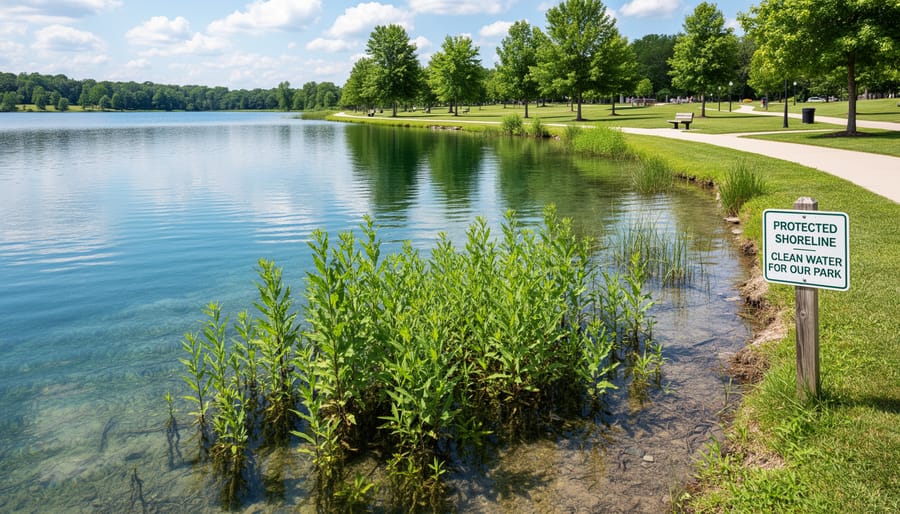
Ontario Parks protects source water through multiple overlapping safeguards. Buffer zones around lakes and rivers create natural barriers where vegetation filters runoff before it reaches water sources. Park staff maintain these protected areas by restricting development, trails, and camping sites near sensitive shorelines.
Shoreline management plays an equally important role. Parks enforce setback distances for campfires, tents, and food preparation areas to prevent soap, waste, and contaminants from entering drinking water sources. Native plants along shorelines stabilize soil, trap sediments, and absorb nutrients that might otherwise degrade water quality.
Visitor education forms the third pillar of source protection. Signage at boat launches reminds paddlers to clean watercraft between lakes, preventing the spread of invasive species that can compromise water quality. Park staff teach campers proper grey water disposal techniques during check-in and through interpretive programs. Many parks now share real-time water quality information at visitor centers, explaining how individual actions protect the watershed.
Together, these strategies create defense-in-depth protection for the raw water that enters treatment systems, making purification more efficient while safeguarding aquatic ecosystems that support both wildlife and recreation.
Treatment and Purification Steps
Once water enters the treatment system, it moves through several carefully controlled stages before reaching your campsite tap.
Step 1: Initial Filtration
Water first passes through mechanical filters that remove sediment, organic debris, and larger particles. These filters protect the downstream equipment and remove visible contaminants that could affect taste or appearance.
Step 2: Disinfection
The filtered water then undergoes disinfection, typically using ultraviolet light or chlorination methods that follow the Ontario disinfection procedure. UV systems expose the water to specific wavelengths that neutralize bacteria and viruses without adding chemicals. Chlorination adds measured amounts of chlorine that continue protecting water quality as it travels through distribution pipes.
Step 3: Quality Testing
Before distribution, automated systems test the treated water for residual disinfectant levels, turbidity, and other quality indicators. Park staff also conduct regular manual tests, collecting samples that go to certified laboratories for comprehensive analysis.
Step 4: Distribution
The treated water moves into a pressurized distribution network that supplies washroom facilities, water taps at campsites, and other park amenities. The system maintains constant pressure and flow, ensuring you get clean water whenever you turn on a tap during your visit.
Ongoing Monitoring and Maintenance
Park staff collect water samples daily from distribution points throughout campgrounds and facilities, following strict provincial protocols for water sample analysis that test for bacteria, turbidity, and chemical parameters. Treatment equipment receives scheduled inspections and servicing based on usage levels and seasonal demands, with technicians adjusting filtration rates, replacing components, and calibrating monitoring instruments to maintain consistent output. During high-traffic summer months, testing frequency increases at busy parks to catch potential issues before they affect visitors. Staff document every test result and maintenance action in compliance logs, and any reading that approaches alert thresholds triggers immediate investigation and corrective measures, from flushing lines to adjusting treatment processes until standards are restored.
How Visitors Can Support and Engage with Water Sustainability
You don’t need to be a water engineer to make a real difference in protecting Ontario’s park water systems. Simple choices at your campsite add up when thousands of visitors chip in, and the best part? Most conservation actions make your trip easier while lightening your environmental footprint.
Start with the basics at your site. Bring a collapsible water jug to carry what you need instead of making repeated trips to the tap, this cuts both water waste and your effort. When washing dishes, use a small basin rather than letting the tap run, and pack biodegradable soap that won’t harm treatment systems if you dispose of greywater properly (at least 70 meters from any water source). For water-saving camping skip the hose-down approach to cooking gear and scrape plates clean before washing.
Here’s how different visitor actions stack up in real terms:
| Action | Impact on Water Systems | Effort Required | Insider Tips |
|---|---|---|---|
| Use a basin for dishes | Reduces demand by 60-80% | Low | Heat water over your campfire |
| Carry water jugs | Prevents tap waste from multiple trips | Low | Fill at off-peak times (early morning) |
| Report leaks or issues | Prevents system losses | Very Low | Note the tap number or location |
| Skip unnecessary showers | Major reduction in treatment load | Medium | Swim instead, lakes are refreshing |
Always use designated water sources. Those strategically placed taps connect to monitored treatment systems, while improvised water collection from streams or lakes bypasses safety protocols and can introduce contaminants. If a tap seems off, odd taste, unusual color, weak flow, report it to park staff immediately rather than switching to an untreated source.
Following Leave No Trace principles protects the source water feeding treatment systems. That means proper disposal of human waste in vault toilets (never in the bush near water), packing out all trash including micro-litter, and keeping soap away from lakes and rivers even if the label says “biodegradable.”
Your earth-friendly camping habits extend to reporting what you observe. Noticed a constantly dripping tap? A suspicious sheen on the water near a treatment building? Park staff want to know. Most parks post contact numbers at information boards, and catching small issues early prevents bigger system failures.
Think of these practices as part of the experience rather than restrictions. You’re camping in places where water flows clean enough to drink straight from the tap, a luxury many parks worldwide can’t offer, and keeping it that way takes nothing more than mindful choices you’d make at home.

Your Responsibilities and What Parks Provide
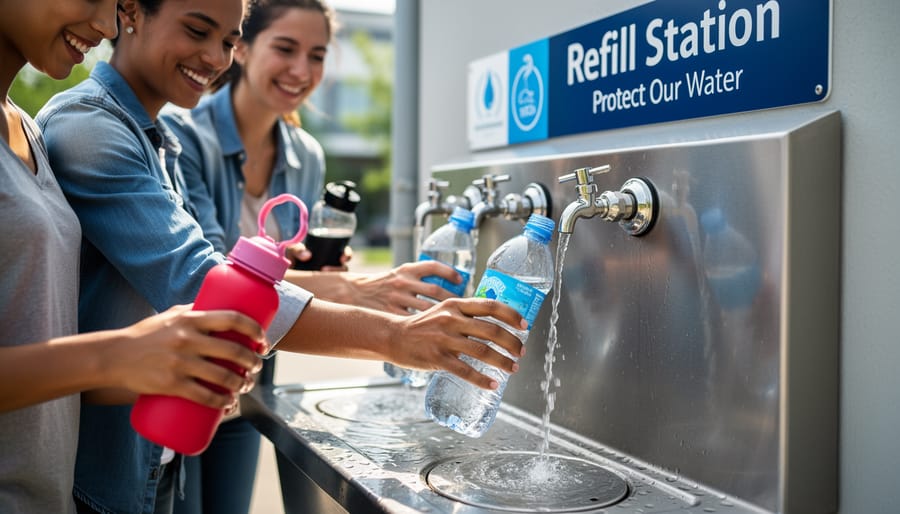
When you visit an Ontario park, you’re stepping into a shared responsibility for protecting water resources. Understanding what parks provide and what they ask of you creates a partnership that keeps these systems working effectively for everyone.
Parks deliver clean, safe drinking water that meets Ontario’s strict quality standards. You’ll find maintained taps at campgrounds, comfort stations with proper drainage, and clear signage showing where to access potable water. Staff monitor systems daily, conduct regular testing, and respond quickly when issues arise. They provide waste disposal facilities designed to prevent contamination and educational materials explaining how treatment systems protect the environment.
Your role complements these efforts through mindful water use. Take shorter showers at comfort stations, turn off taps while brushing teeth or washing dishes, and use a basin for washing rather than running water continuously. Collect only what you need from water stations, filling one container per trip reduces congestion and wear on facilities. Following sustainable camping principles means disposing of greywater properly (at designated disposal sites, never on the ground near water sources), packing out trash that could contaminate systems, and using biodegradable soap products sparingly.
You’re also expected to report problems immediately. Notice discoloured water, unusual tastes, broken fixtures, or overflowing disposal sites? Tell park staff right away through gate offices or emergency contact numbers posted at facilities. Your observations help catch issues before they affect water quality for everyone.
This mutual commitment, parks maintaining infrastructure and you practicing conservation, preserves both your drinking water and the lakes, rivers, and wetlands that make Ontario’s natural spaces special. Simple actions like refilling reusable bottles, being patient during peak-use times, and respecting posted guidelines compound into meaningful protection for water resources that serve thousands of visitors each season.
Where to Learn More and Get Help
If you want to dig deeper into water treatment practices or need help during your visit, Ontario Parks offers several official channels and resources designed to keep you informed and engaged.
The Ontario Parks website serves as your primary hub for system details, water quality reports, and seasonal updates about specific facilities. Each park maintains its own contact information, phone numbers and email addresses listed on individual park pages, where you can reach staff directly with questions about local treatment systems, drinking water sources, or any concerns you notice during your stay. Park offices can walk you through their facility’s specific setup and explain what makes their approach unique.
For hands-on learning, conservation education programs across the province offer workshops, guided tours, and interpretive sessions that explore water systems in action. These programs often include behind-the-scenes looks at treatment facilities and discussions with environmental staff who manage the infrastructure.
Key resources to bookmark:
- Ontario Parks central website for system overviews and water quality updates
- Individual park office contacts for facility-specific questions and real-time assistance
- Conservation education programs offering workshops and interpretive tours
- Volunteer opportunities to participate in water monitoring and habitat restoration projects
- Water quality reporting channels for immediate concerns or equipment issues
If you spot a leak, notice unusual taste or color, or have concerns about a water station, report it immediately to park staff. Most parks maintain 24-hour contact numbers for urgent issues, and daytime office hours for general inquiries. Staff appreciate visitor reports because early detection prevents bigger problems and keeps everyone safer.
Online forums and social media groups run by Ontario Parks also share updates, answer common questions, and connect you with fellow campers who’ve experienced different park systems firsthand.
How to Apply or Complete the Process
There isn’t a formal application process for visitors to access water treatment systems in Ontario Parks, when you reserve a campsite or day-use permit through the Ontario Parks reservation system, you automatically gain access to the treated water facilities available at that location.
Your role begins once you arrive. Check in at the park gatehouse, where staff will explain which water sources are available and point out any specific guidelines for your campground or facility. Most parks post clear signage at water stations showing whether the supply is treated drinking water or untreated water for other uses.
If you’re planning to visit during shoulder seasons or less-busy periods, call the park office ahead of time to confirm which facilities are operational. Some water systems run seasonally, and knowing before you pack can help you prepare appropriately.
To report a water quality concern or damaged equipment, contact park staff immediately, either at the gatehouse, visitor center, or by calling the park office number listed on your reservation confirmation. For broader questions about water treatment practices across the provincial park system, reach out to Ontario Parks headquarters through their official website contact form.
Your compliance responsibility is straightforward: use water sources as marked, conserve where you can, and follow posted instructions at each station.
Common Questions About Park Water Treatment
Is the drinking water at Ontario Parks safe?
Yes, water at designated drinking stations meets Ontario’s strict drinking water standards through regular testing and treatment. Park staff monitor quality continuously and post notices immediately if any supply needs temporary restriction.
Why does water taste different at various parks?
Natural mineral content varies depending on the water source, whether it’s drawn from lakes, rivers, or groundwater. These minerals are harmless and actually indicate water moving through natural geological formations rather than heavily processed municipal systems.
Can I refill my water bottles anywhere in the park?
Stick to marked potable water taps at campgrounds, comfort stations, and visitor centers. These designated points deliver treated water, while unmarked sources like lake edges or streams haven’t gone through the filtration process.
What happens to wastewater from showers and sinks?
Parks route greywater through separate treatment systems that remove contaminants before returning clean water to the environment. This closed-loop approach prevents pollutants from reaching lakes and rivers while conserving the resource itself.
How do treatment systems operate during winter when parks are less busy?
Many systems scale back or enter maintenance mode when facilities close seasonally, but year-round parks maintain full treatment capacity with heated infrastructure and adjusted monitoring schedules to handle freezing temperatures.
You might notice slight cloudiness in your glass right after filling, that’s dissolved air escaping, not a quality issue. Let it sit for thirty seconds and it’ll clear. Some visitors worry about the lack of chlorine smell compared to city water, but many park systems use UV light or ozone treatment instead, which leaves no chemical odor while still eliminating pathogens effectively.
If you ever spot discoloration, unusual taste, or receive a boil-water advisory during your stay, take it seriously. Parks post these alerts prominently and provide bottled water or alternative sources until testing confirms the system’s back to normal. Reporting concerns to park staff helps them respond quickly, whether it’s a broken pipe, a malfunctioning filter, or just a need to flush lines after maintenance work.
Sustainable water treatment isn’t just an operational detail, it’s the quiet foundation that allows millions of us to camp under the stars, paddle pristine lakes, and hike through ancient forests without leaving a lasting mark. These systems protect the very ecosystems we come to experience, ensuring that the water running from your campground tap is as clean as the lake you swam in that morning.
Your role as a visitor matters more than you might think. Every time you conserve water at your site, use designated sources, or report a concern, you’re actively participating in stewardship that benefits everyone. Ontario Parks’ commitment to balancing access with protection means you can enjoy modern conveniences while knowing the natural world around you remains healthy and thriving.
The next time you fill your water bottle at a park tap or notice the educational signage near a water source, take a moment to appreciate the careful planning behind it. These aren’t just facilities, they’re evidence of an ongoing promise to future generations. Plan your visit, bring your conservation mindset, and experience firsthand how sustainability and adventure go hand in hand across Ontario’s incredible park landscapes.









+ There are no comments
Add yours