
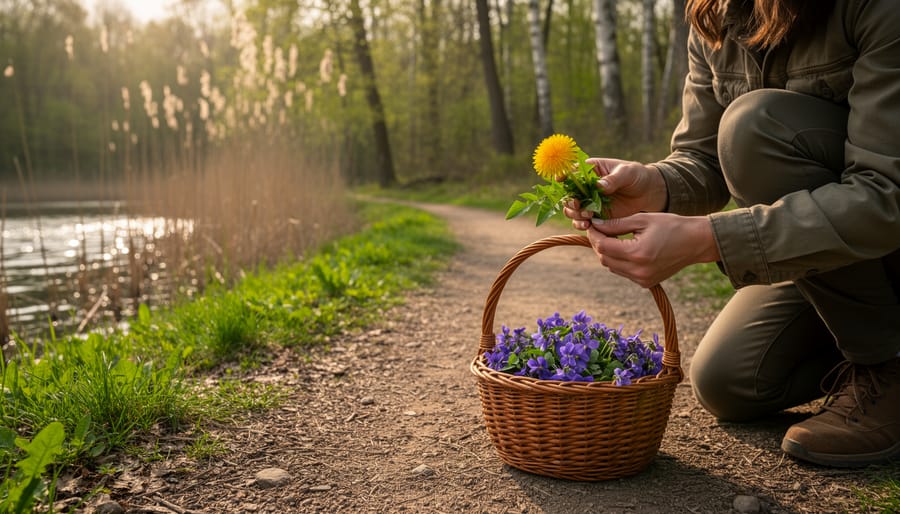
Start with common, unmistakable plants like dandelions, wild violets, and cattails—species with no toxic look-alikes that grow abundantly across Ontario’s parks and trails. These foraging-friendly plants give you confidence while you develop your identification skills alongside other forest survival skills.
Always verify plant identification using at least three field guides or experienced foragers before consuming anything wild. Download reliable apps like iNaturalist, but never rely on technology alone—one misidentification can lead to serious illness or worse. The golden rule? When in doubt, throw it out.
Harvest only from areas you know are pesticide-free and at least 50 feet from roadways where vehicle emissions settle. Provincial parks, conservation areas, and your own backyard often harbor incredible edible treasures, though you’ll need to check local regulations first—some protected areas prohibit foraging entirely.
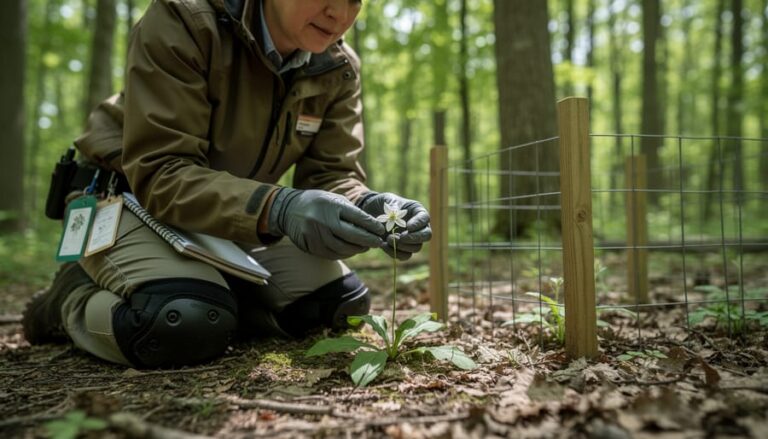
Take only what you need, never harvesting more than 10 percent of any plant population. This ethical approach ensures these wild foods remain available for wildlife and future foragers. Leave roots intact when possible, cut rather than pull, and spread your harvesting across wide areas.
Join a guided foraging workshop or connect with local naturalist groups to learn hands-on identification techniques. Reading about wild edibles helps, but nothing replaces walking through the woods with someone who can show you the subtle differences between nourishing plants and their dangerous doubles.
Why Foraging Skills Matter for Ontario Adventurers
When most people think of foraging, they imagine desperate survival scenarios straight out of reality TV. But here’s the thing—foraging in Ontario is so much more than an emergency backup plan. It’s a gateway to experiencing our wild spaces in a completely transformative way.
Learning to identify edible plants fundamentally changes how you move through nature. Suddenly, that hike through Frontenac Park isn’t just about reaching the lookout point. You’re noticing the wild leeks carpeting the forest floor in spring, spotting elderflower clusters perfect for cordial, or recognizing the distinctive leaves of wood sorrel. Every walk becomes an interactive experience rather than a passive stroll. This heightened awareness connects you to the landscape on a level that regular outdoor adventures simply can’t match.
There’s also something deeply satisfying about sustainable food sourcing. Harvesting wild blueberries or gathering mushrooms after a rain creates a direct relationship between you and your meals. No packaging, no food miles, just you and the ecosystem working together. It’s eco-friendly living at its finest.
For campers, foraging skills elevate ordinary trips into memorable culinary adventures. Imagine enhancing your campfire meal with fresh wild garlic or brewing pine needle tea while watching the sunset. These small additions transform camping from roughing it to gourmet wilderness dining.
Here’s an insider tip: bring a field guide on your next park visit, even if you’re not planning to harvest anything. Simply practicing identification builds your knowledge base and deepens your understanding of how different species interact within their habitats. You’ll start recognizing which plants grow together, which prefer wet conditions, and how the forest changes through seasons—turning every outing into an educational treasure hunt.
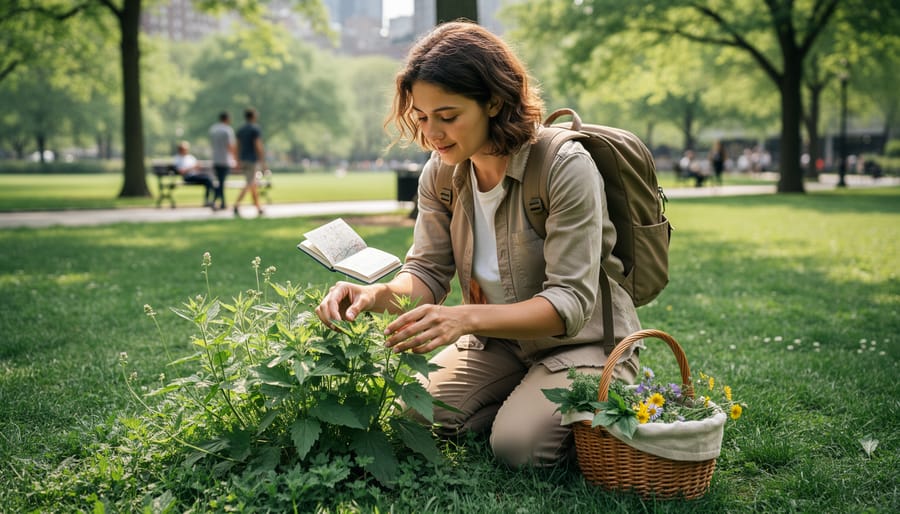
The Golden Rules Every Forager Must Follow
The 100% Rule: Why ‘Pretty Sure’ Isn’t Good Enough
Here’s the straight truth: if you’re not 100% certain about a plant’s identity, don’t eat it. Not 95% sure. Not “pretty confident.” Absolutely certain.
I learned this lesson early when I nearly munched on what I thought was wild carrot. A seasoned forager grabbed my wrist just in time. Turns out, poison hemlock looks remarkably similar, right down to the feathery leaves and white flower clusters. The difference? Tiny purple blotches on hemlock stems that I’d completely missed. That small detail could have landed me in serious trouble.
Ontario’s forests are full of these tricky twins. Wild leeks have poisonous lily-of-the-valley cousins. Edible cow parsnip grows alongside giant hogweed, which causes severe skin burns. Even experienced foragers carry multiple field guides and cross-reference every characteristic before harvesting.
Here’s my insider tip: use the three-source rule. Positively identify any plant using at least three different reliable sources, whether that’s guidebooks, apps, or knowledgeable mentors. Check the leaves, stems, roots, flowers, and habitat. If even one detail doesn’t match perfectly, walk away. Your adventure should be memorable for the delicious finds, not a hospital visit.
Leave No Trace Foraging: Protecting Ontario’s Wild Spaces
Think of yourself as a guest in nature’s pantry—you wouldn’t empty your friend’s fridge, right? The same courtesy applies when foraging in Ontario’s beautiful wild spaces. Following Leave No Trace principles ensures these ecosystems thrive for generations to come.
Here’s my golden rule: never harvest more than 10% of any plant population you encounter. If you spot a patch of ramps or wild leeks, take just a few and leave the rest to reproduce. I once found an incredible cluster of chanterelles and had to resist the urge to fill my basket—taking only what I needed meant returning the next season to find them flourishing again.
Always avoid rare or endangered species, even if they’re edible. Check Ontario’s Species at Risk registry before heading out. And here’s an insider tip: many provincial and national parks prohibit foraging entirely to protect sensitive habitats, so research regulations beforehand. Conservation areas and private lands with permission offer better opportunities.
Harvest responsibly by using clean cuts rather than pulling plants up by the roots, and scatter any seeds you encounter to encourage future growth.
Know Before You Go: Park-Specific Rules
Here’s my insider tip that too many foragers overlook: not all Ontario parks have the same rules about harvesting wild edibles! Before you head out with your basket, you’ll want to do a quick check of park-specific regulations. Provincial parks typically prohibit removing any plants to protect fragile ecosystems, while some conservation areas and municipal parks may allow small-scale personal foraging. National parks? Generally off-limits for harvesting. The good news is this information is usually just a phone call or website visit away. I always recommend contacting park staff directly or checking their official site before your visit. They’re genuinely helpful and can point you toward nearby areas where foraging is welcomed. Remember, these rules exist to protect Ontario’s natural spaces for future generations of foragers and nature lovers alike. When in doubt, ask first and forage responsibly. Your patience will pay off when you discover those perfect legal spots bursting with wild treasures.
Beginner-Friendly Edible Plants You’ll Find in Ontario
Wild Leeks (Ramps): Spring’s First Treasure
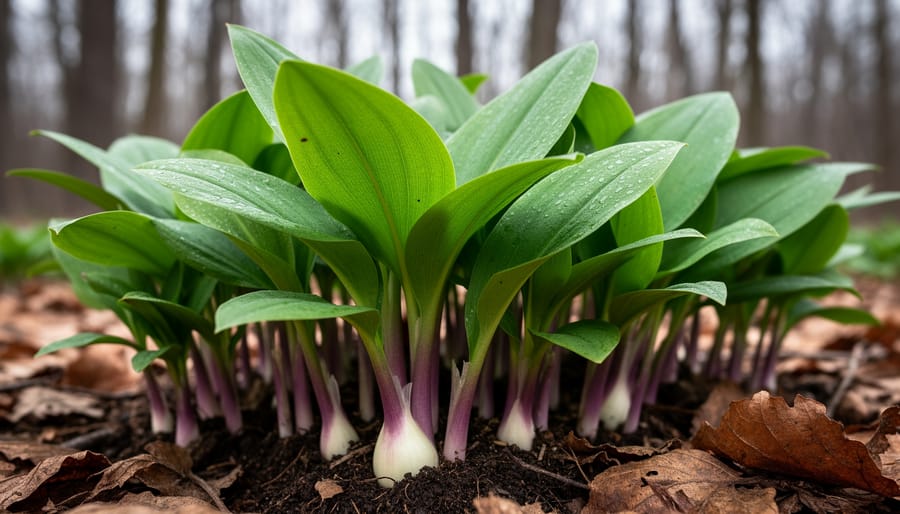
Nothing announces spring quite like the pungent aroma of wild leeks, affectionately called ramps, emerging from the forest floor. If you’re exploring Ontario’s deciduous woodlands in late April through May, keep your eyes peeled for these garlicky gems.
Identifying ramps is refreshingly straightforward. Look for smooth, broad green leaves (usually two or three per plant) that emerge directly from a white or light purple base. They grow in colonies on rich, moist slopes, often near maples and trilliums. The telltale garlic-onion scent when you gently rub a leaf confirms you’ve struck gold.
Here’s the crucial sustainable harvesting tip: take only the leaves, never the bulbs. I can’t stress this enough. Harvesting bulbs kills the plant entirely, and ramps take seven years to mature from seed. Snip one leaf per plant using scissors, and only from abundant patches. Even better, harvest from just ten percent of any colony you discover.
Your insider tip? Ramps have an incredibly short season, sometimes just three weeks. Mark your calendar for early May and don’t delay. Once they flower, the leaves turn bitter. Some foragers actually plant ramp seeds in their own woodlots, creating future harvesting spots while supporting these beloved spring ephemerals.

Cattails: The Supermarket of the Swamp
If there’s one plant that truly earns its “supermarket” nickname, it’s cattails! These tall, distinctive plants with their hot-dog-shaped seed heads are found along Ontario’s wetlands, and nearly every part is edible at different times of year.
In spring, dig up the white rhizomes (underground stems) and peel away the outer layers to reveal a starchy core that tastes like cucumber when raw or potato when cooked. The young shoots that emerge from the mud can be harvested when they’re under two feet tall – just peel and eat them like asparagus. Come early summer, the green flower heads can be boiled and eaten like corn on the cob, while the golden pollen makes a protein-rich flour addition.
Here’s an insider tip: always harvest cattails from clean water sources, as they’re excellent at filtering pollutants (which means they also absorb them). The classic brown seed heads you see in fall aren’t edible, but earlier stages definitely are. One reliable identification feature is the characteristic cigar-shaped flower spike and long, flat leaves. Before harvesting, check local regulations, as some wetland areas have protection status. Start with small amounts to ensure you don’t have sensitivities, and remember to leave plenty behind for wildlife and regeneration.
Dandelions: Your Lawn’s Secret Superfood
Here’s a foraging secret that’ll change how you see your lawn: those “pesky” dandelions are actually nutritional powerhouses! Every single part is edible, from root to flower. Spring’s your best friend for tender, mild-tasting leaves—harvest them before the flowers appear when they’re less bitter. The bright yellow flowers taste slightly sweet and make gorgeous salad garnishes or homemade wine. Come fall, dig up the thick taproots for a coffee-like beverage that Ontario foragers swear by.
Young leaves work brilliantly in salads or sautéed like spinach. Pro tip: blanch older leaves in boiling water to reduce bitterness. The flowers are best picked on sunny mornings when fully open—dip them in batter for fritters or toss fresh into dishes for colour. Roast those roots at 200°C until dark brown, grind them up, and brew like coffee for an earthy, caffeine-free drink. Just remember to harvest from pesticide-free areas away from roadsides. Your neighbours might think you’re quirky picking “weeds,” but you’ll be enjoying free, nutrient-rich greens packed with vitamins A, C, and K right from your backyard!
Wild Raspberries and Blackberries: Nature’s Candy
Here’s your first sweet success story! Wild raspberries and blackberries are wonderfully forgiving plants for beginners. These brambles grow abundantly along Ontario’s park trails, particularly from late June through August. You’ll find raspberries ripening first in early summer, with blackberries following in mid to late summer.
Look for thorny bushes with compound leaves made up of three to five leaflets. Raspberries have a hollow core when picked, while blackberries keep their white center attached. Both should come off easily when ripe, practically falling into your hand with the gentlest tug.
My insider tip? Check sunny forest edges and old fields in provincial parks. The berries growing in partial shade tend to be larger and juicier than their sun-scorched cousins.
The good news for nervous foragers: there aren’t any truly dangerous berry look-alikes in Ontario that grow on thorny brambles. However, avoid any berries that are white or yellow, and never eat anything you’re not completely certain about. When in doubt, snap a photo and consult with experienced foragers or naturalists at park visitor centers before sampling your find.
Fiddleheads: Ontario’s Springtime Delicacy
There’s something magical about spotting those tightly coiled green spirals pushing through the forest floor each spring. Fiddleheads are Ontario’s seasonal treasure, but here’s the insider scoop: you must only harvest from ostrich ferns. Look for the U-shaped groove on the inside of the stem and papery brown scales on the fiddlehead itself. Other fern varieties can make you sick, so proper identification is absolutely crucial.
Your harvesting window is brief, typically late April through early May. Pick fiddleheads when they’re still tightly coiled and no taller than two inches. Take only a few fronds from each plant, leaving at least half to ensure the fern survives and thrives.
Now, here’s the safety bit you cannot skip: never eat fiddleheads raw. They must be boiled for at least ten minutes or steamed for twelve to fifteen minutes before consuming. Even quick blanching isn’t enough. This critical cooking step removes natural compounds that can cause stomach upset.
Once properly cooked, sauté them with butter and garlic for a nutty, asparagus-like treat that tastes like springtime itself. They’re delicious in pasta, omelets, or simply enjoyed on their own as a seasonal side dish.
Pine Needles: Vitamin C-Packed Tea
Pine needles make a surprisingly delicious, citrusy tea packed with vitamin C! In Ontario, white pine, red pine, and Eastern hemlock are all safe choices. Here’s an insider tip: crush a few needles between your fingers—they should smell fresh and resinous, never musty. Avoid yew trees at all costs, which have flat, dark needles and red berries; they’re highly toxic! To make your tea, simply steep a small handful of fresh, chopped needles in hot water for 10 minutes. The result is a refreshing forest brew that early settlers relied on to prevent scurvy during harsh winters. Pregnant individuals should skip this one though, as some compounds may not be suitable. Always harvest sustainably by taking only a few needles from each tree, leaving plenty for the tree’s health and wildlife.
Deadly Look-Alikes: What to Avoid at All Costs
Wild Parsnip vs. Wild Carrot: Know the Difference
Here’s the critical distinction that could save your skin—literally. Wild parsnip and wild carrot might both have white umbrella-shaped flower clusters, but confusing them is a painful mistake. Wild carrot (Queen Anne’s lace) is safe to harvest, while wild parsnip causes severe chemical burns when its sap contacts your skin in sunlight.
Insider tip: Wild carrot has a hairy stem and smells like carrots when crushed. Its flower cluster has a tiny dark purple floret in the center. Wild parsnip grows taller with smooth, grooved stems and yellow-green flowers. The danger? Wild parsnip contains chemicals called furanocoumarins that create blistering burns within 24-48 hours of sun exposure—and these aren’t minor. We’re talking painful rashes, welts, and permanent scarring.
If you encounter wild parsnip along Ontario’s trails and roadsides, give it wide berth. Never touch it, and teach children to recognize and avoid it. When foraging for wild carrot roots, always positively identify the plant before harvesting, and consider joining a guided workshop where experts can show you the differences in person.
Water Hemlock: Ontario’s Most Toxic Plant
Here’s the truth every forager needs to know: water hemlock is absolutely deadly, and just a mouthful can be fatal within hours. Found along Ontario’s wetlands, streams, and marshy areas, this plant contains cicutoxin, a violent poison that attacks your nervous system. You’ll recognize it by its purple-streaked stems and clusters of small white flowers that look like tiny umbrellas, but here’s where it gets dangerous. Water hemlock resembles several edible plants, especially wild parsnip, wild carrot, and even celery. The key difference? If you break the stem, water hemlock reveals hollow chambers and often releases a yellowish, oily liquid with a musty smell like parsnips or carrots. My insider tip: if you’re even slightly unsure about any plant with umbrella-shaped white flowers, leave it alone. Seriously, this isn’t one to experiment with. When foraging near water, assume any carrot-like plant is water hemlock until you’ve learned to identify it with absolute certainty from an expert.
Jack-in-the-Pulpit and Other Irritants
Not every mistake in the wild will send you to the hospital, but some plants definitely know how to ruin your day! Jack-in-the-Pulpit, with its distinctive hooded flower, is a perfect example. This woodland charmer contains calcium oxalate crystals that’ll set your mouth and throat on fire if you bite into the raw plant. The sensation? Imagine chewing on tiny shards of glass mixed with hot peppers.
Here’s an insider tip: these irritating crystals are actually nature’s defense system, and they’re found in several Ontario plants including Skunk Cabbage and certain wild arums. The burning sensation can last for hours and may cause severe swelling. While proper processing can sometimes neutralize these compounds, beginners should simply avoid them altogether.
Learn to recognize Jack-in-the-Pulpit by its striped, hood-like spathe and three-part leaves. If you’re unsure about any plant that has arrow-shaped leaves or produces a burning sensation when touched to your lips, leave it alone. Your future self will thank you!
Essential Foraging Tools and Resources
Before you head out on your foraging adventure, you’ll want to pack a few essentials. I never leave home without a good field guide tucked in my backpack. For Ontario foraging, I highly recommend “Edible Wild Plants of Eastern North America” by Elias and Dykeman, though “Peterson Field Guide to Edible Wild Plants” is another fantastic choice that covers our region well. These guides feature clear photos and detailed descriptions that help distinguish safe plants from their toxic look-alikes.
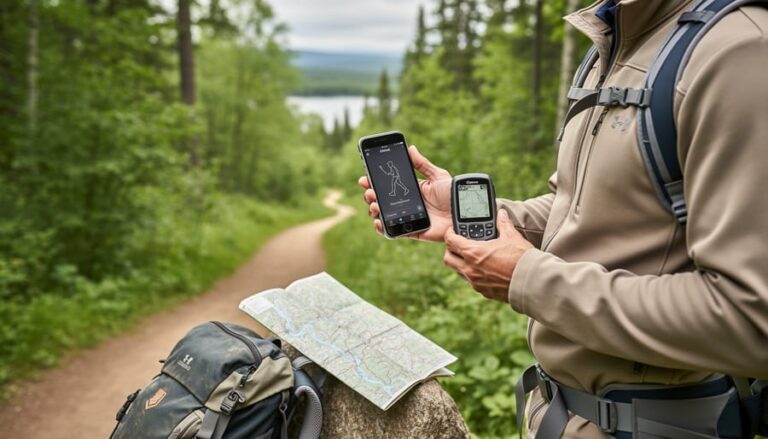
A smartphone loaded with foraging apps can be your digital companion. Picture This and PlantNet offer instant identification help, though I always cross-reference with my physical guide before harvesting anything. Remember, technology isn’t foolproof when it comes to your safety.
Pack a small basket or breathable cloth bag for collecting, which allows spores to disperse as you walk. Bring along a pocket knife or small scissors for clean cuts that don’t damage the plant. A camera helps document your finds for later verification.
Here’s an insider tip for backpackers: laminated homemade ID cards of common edibles weigh almost nothing and won’t drain your phone battery. I create mine with photos and key identifying features of seasonal plants I’m likely to encounter.
Don’t forget the basics either: water, sunscreen, bug spray, and a charged phone. Wearing long pants and closed-toe shoes protects against poison ivy and ticks, both common in Ontario’s forests. A small notebook lets you record locations of abundant patches for future visits while respecting sustainable harvesting practices.
Where to Learn Hands-On: Foraging Workshops Across Ontario
There’s something magical about learning to forage alongside experienced guides who can share their knowledge in real-time, right there on the forest floor. Ontario offers fantastic opportunities to build your foraging confidence through hands-on workshops that transform you from curious beginner to skilled plant identifier.
Parks across the province regularly host wilderness survival workshops that include foraging components. These sessions typically run during prime growing seasons from May through September, when you can see, touch, and taste edible plants at their peak. Expert-led courses take the guesswork out of identification – there’s no substitute for having someone point out the subtle differences between safe plants and their toxic look-alikes.
The benefits extend beyond plant knowledge. You’ll learn sustainable harvesting techniques, discover the best times and locations for finding specific species, and gain insider tips that only come from years of experience. Many participants say the networking aspect is invaluable too – you’ll meet fellow foraging enthusiasts and often discover new foraging spots through shared experiences.
To find upcoming sessions, check Ontario Parks’ event calendars, search for local naturalist clubs, or look into programs offered by outdoor education centers. Conservation areas and nature centers frequently host seasonal foraging walks, often at surprisingly affordable rates. Pro tip: book early, as these popular workshops fill up quickly, especially during morel mushroom season in spring.

Foraging for edible plants is more than just a survival skill—it’s a gateway to understanding the incredible biodiversity that surrounds us. When approached with care, respect, and proper knowledge, foraging becomes a deeply rewarding experience that connects you to the land in ways you never imagined. Every mushroom identified, every wild berry tasted, and every edible green discovered strengthens your relationship with the natural world.
Before you venture out on your own, I can’t stress enough how valuable it is to start with guided workshops or join experienced foragers. These learning opportunities provide hands-on experience that no book or article can fully replicate. You’ll gain confidence identifying plants in real-time, ask questions about specific specimens, and learn the subtle differences that keep you safe. Many conservation areas and outdoor education centers across Ontario offer beginner-friendly programs throughout the growing season.
Here’s my insider tip: carry a small notebook on your foraging walks. Sketch the plants you find, note their locations, and record the seasons when they’re most abundant. This personal field guide becomes invaluable over time.
Exploring Ontario’s ecosystems through foraging opens doors to understanding how everything in nature interconnects. So grab your basket, respect the land, and discover the incredible edible abundance waiting just outside your door. Your foraging journey starts now!






+ There are no comments
Add yours