

Picture yourself alone beneath a star-filled Ontario sky, where the call of loons echoes across misty lakes and ancient forests whisper their secrets. Solo camping isn’t just an adventure—it’s a transformative journey of self-discovery and wilderness connection. Whether you’re an experienced backpacker ready to go solo or a beginner’s camping guide enthusiast taking your first independent steps into the wild, Ontario’s vast wilderness offers the perfect backdrop for your solo expedition.
The solitude of solo camping brings a unique kind of freedom—one where you set your own pace, choose your own path, and connect with nature on your terms. From the rugged shores of Killarney Provincial Park to the serene backcountry of Algonquin, these landscapes become your private sanctuary, offering both challenge and comfort in equal measure.
This guide will walk you through everything you need to know about planning, preparing, and executing your solo camping adventure in Ontario’s wilderness. We’ll cover essential safety protocols, recommend the most solo-friendly camping spots, and share insider tips that only experienced solo campers know. Get ready to embrace the empowering experience of camping alone while staying safe and well-prepared in Ontario’s magnificent outdoors.
Why Ontario is Perfect for Solo Camping
Best Seasons for Solo Camping
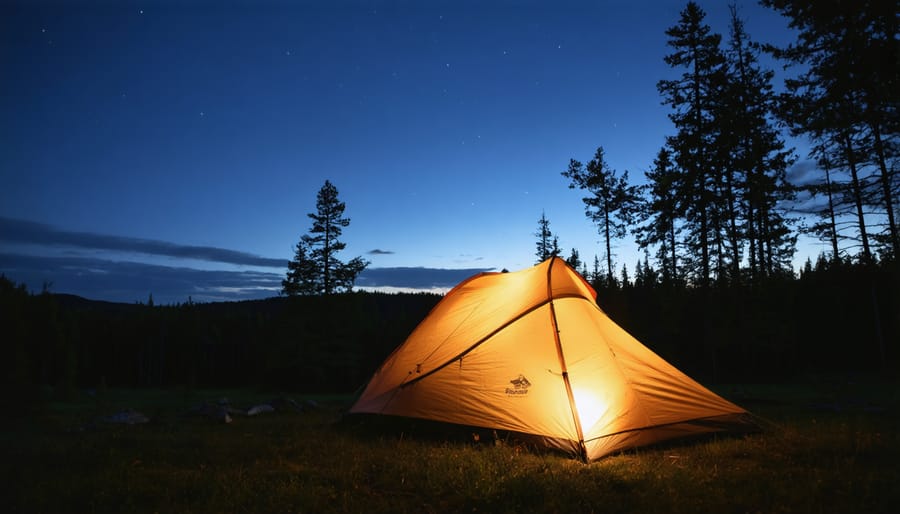
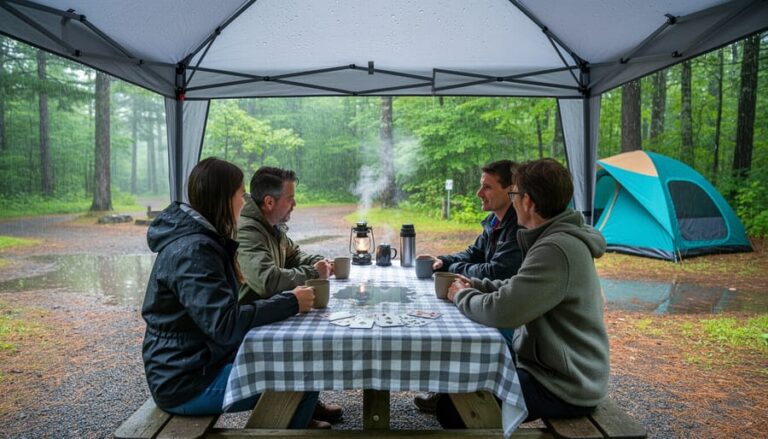
Ontario offers diverse seasonal camping opportunities throughout the year, each with its unique charm for solo adventurers. Spring (April-May) brings mild temperatures and fewer crowds, making it perfect for beginners, though be prepared for occasional rain and muddy conditions.
Summer (June-August) is the most popular season, offering warm days and comfortable nights ideal for swimming and extended hiking trips. However, you’ll need to book sites well in advance and pack proper sun protection and bug spray.
Fall (September-October) is a hidden gem for solo camping, with spectacular autumn colors, fewer insects, and crisp, clear days. The cooler temperatures make for excellent hiking weather, and you’re more likely to spot wildlife preparing for winter.
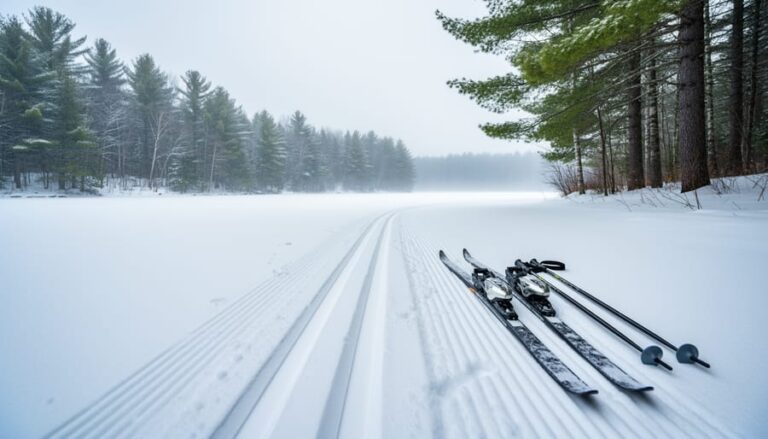
Winter camping (December-March) requires more preparation but rewards adventurous souls with pristine solitude and stunning snow-covered landscapes. Just ensure you have proper cold-weather gear and experience before attempting winter solo camping.
For beginners, I recommend starting in late spring or early fall when the weather is most forgiving and the crowds are manageable.
Park Systems and Accessibility
Ontario’s provincial park system offers an incredible network of camping opportunities perfect for solo adventurers. With over 330 provincial parks and more than 100 offering camping facilities, you’ll find everything from drive-up campsites to remote backcountry spots.
Getting started is straightforward through Ontario Parks’ online reservation system. You can book your campsite up to five months in advance, which is recommended for popular parks during peak season. For spontaneous trips, many parks also keep first-come, first-served sites available.
Most provincial parks charge an entry fee plus camping fees, but consider investing in a seasonal park pass if you plan multiple visits. The pass pays for itself after 7-8 visits and gives you the freedom to explore different parks throughout the year.
Pro tip: Less-visited parks often have better site availability and more solitude. Consider mid-week camping when parks are quieter, or plan your solo adventure during shoulder seasons (spring and fall) for a more peaceful experience. Many parks also offer roofed accommodation options like yurts and cabins, perfect for easing into solo camping if you’re just starting out.
Essential Safety Tips for Solo Campers
Communication and Emergency Planning
When venturing solo into Ontario’s wilderness, staying connected isn’t just about posting scenic snapshots – it’s a crucial essential camping safety tips that could make all the difference in an emergency. Always share your detailed itinerary with at least two trusted contacts, including your planned route, campsite locations, and expected return date.
Before heading out, invest in a reliable satellite communicator or emergency beacon – cell service can be spotty in Ontario’s backcountry. I always keep my device fully charged and easily accessible, not buried in my backpack. Pro tip: Pack a portable solar charger for extended trips.
Create a simple emergency action plan: identify the nearest ranger stations, mark emergency exit routes on your map, and keep a weatherproof list of important contact numbers. Remember that in Ontario, you can dial *677 on your cell phone to reach the OPP if you’re in trouble.
Consider leaving small notes at your campsite if you’re heading out for day hikes, indicating your planned return time. I’ve found that keeping a basic first aid kit within arm’s reach and learning a few wilderness first aid basics gives me extra peace of mind when camping solo.
Don’t forget to check the weather forecast regularly and have a backup plan if conditions turn unfavorable. Sometimes the smartest decision is knowing when to pack up and head home early.
Wildlife Safety and Awareness
When camping solo in Ontario’s wilderness, being wildlife-aware is crucial for both your safety and the animals’ well-being. While encountering wildlife can be thrilling, maintaining respectful distances is essential. The most common large animals you might encounter are black bears, moose, and wolves.
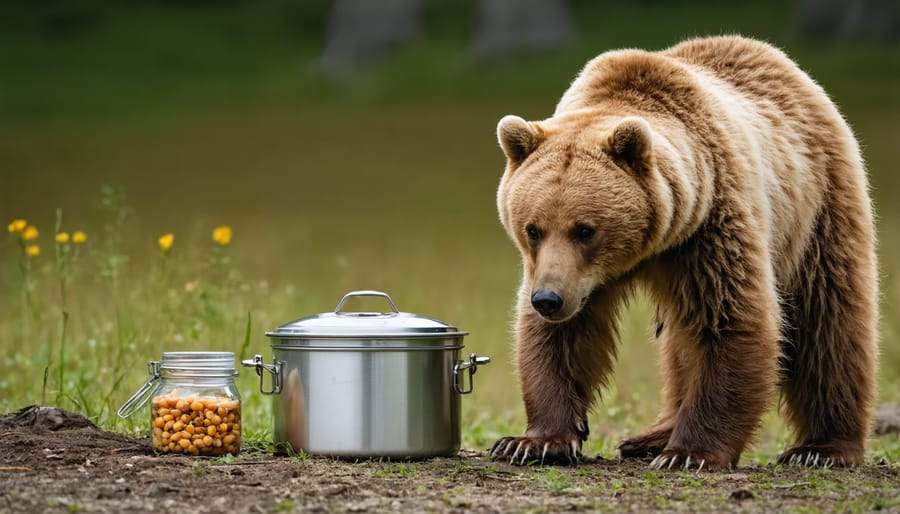
Always store your food and scented items in a bear-proof container or hang them at least 4 meters high and 2 meters away from the tree trunk. Keep your campsite clean and free of food scraps – remember, a fed bear is a dead bear because they become habituated to human food.
If you spot a black bear, stay calm and make yourself appear large by raising your arms. Speak in a firm, loud voice and slowly back away while facing the animal. Never run, as this might trigger their chase instinct. Carry bear spray and know how to use it, but consider it a last resort.
For moose encounters, which are especially common during spring and fall, give these massive creatures plenty of space. They’re typically not aggressive unless threatened or protecting their young. If a moose shows signs of agitation – like raised hair on its neck or lowered ears – find a large tree to put between you and the animal.
Keep your campsite well-lit at night and make noise while hiking to avoid surprising wildlife. Remember, most animals are as eager to avoid you as you are to avoid close encounters with them!
Top Solo-Friendly Camping Destinations
Backcountry Gems
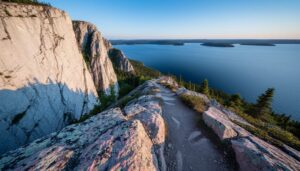
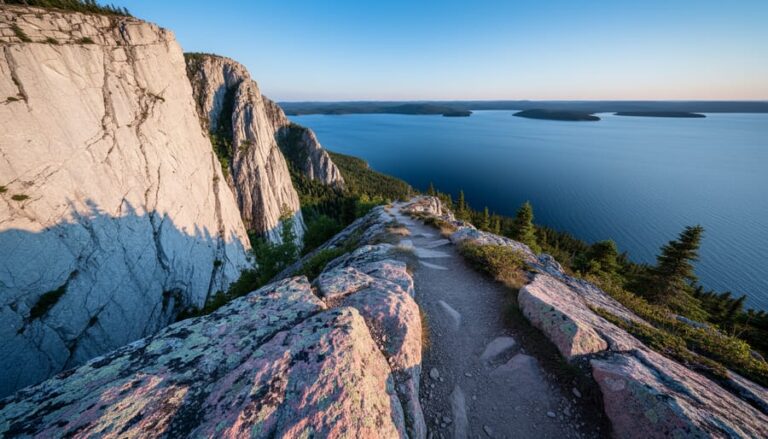
For those seeking true solitude and a deeper connection with nature, Ontario’s backcountry offers some remarkable hidden gems. Killarney Provincial Park’s secluded lakes and white quartzite ridges provide a pristine wilderness experience, with several remote sites accessible only by canoe or kayak. The crystal-clear waters of David Lake offer excellent swimming spots and the chance to camp beneath the stunning La Cloche Mountains.
In the heart of Algonquin’s interior, Burnt Island Lake features secluded campsites nestled among century-old pine trees. A 6-kilometer paddle from access point #5 rewards solo adventurers with peaceful shoreline camping and excellent stargazing opportunities. Remember to pack a star chart – the lack of light pollution makes for spectacular night skies.
Lake Superior Provincial Park’s Coastal Trail presents challenging but rewarding backcountry camping along rugged shorelines. The remote sites near Gargantua Harbor offer breathtaking views of the world’s largest freshwater lake and the chance to spot wildlife like peregrine falcons and woodland caribou.
Pro tip: Always leave a detailed trip plan with someone you trust, including your intended route and expected return date. Pack a satellite communication device for emergencies, as cell service is non-existent in most backcountry areas. These locations require advanced wilderness skills and proper navigation equipment – they’re best suited for experienced solo campers comfortable with self-reliance in remote settings.
Serviced Campgrounds
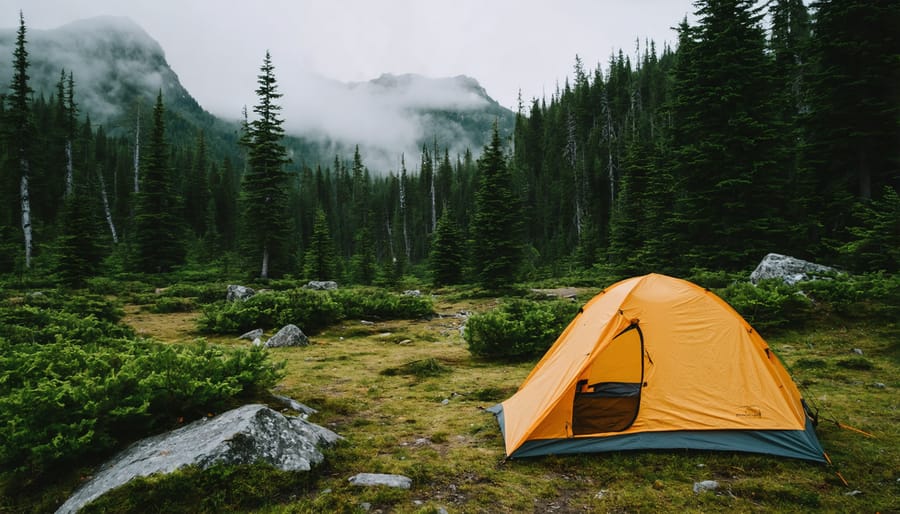
For those just starting their solo camping journey, serviced campgrounds offer the perfect balance of adventure and security. These sites typically feature amenities like running water, electricity, and clean washroom facilities, making your first solo experience more comfortable and manageable.
Ontario Parks operates numerous serviced campgrounds that are ideal for solo campers. Sites like Algonquin’s Lake of Two Rivers Campground and Killbear Provincial Park provide well-maintained facilities with friendly park staff nearby. You’ll find comfort in knowing that park wardens regularly patrol the grounds, and fellow campers are usually just a short walk away.
Most serviced campgrounds offer:
– Hot showers and flush toilets
– Electrical hookups
– Potable water stations
– Designated fire pits with grills
– Food lockers to store supplies safely
– Cell phone reception in most areas
– On-site convenience stores
Pro tip: Book a site near the comfort station for added convenience and security, especially if you’re camping alone. These spots tend to have more foot traffic and lighting at night. Many solo campers also prefer sites close to the campground office, where staff are readily available if needed.
Remember to respect quiet hours and maintain awareness of your surroundings, even in serviced areas. While these campgrounds offer more amenities, they still provide authentic outdoor experiences with opportunities for hiking, wildlife watching, and stargazing.
Hidden Waterfront Spots
While popular provincial parks often steal the spotlight, Ontario’s lesser-known waterfront spots offer solitude and pristine nature perfect for solo camping. One such hidden gem is Silent Lake’s walk-in sites, where you’ll find yourself surrounded by towering white pines with direct access to crystal-clear waters. The lake’s motor restriction ensures peaceful paddling and excellent fishing opportunities.
For those willing to venture further north, the secluded bays of Lake Superior Provincial Park offer incredible waterfront camping without the crowds. The Gargantua Harbor area provides intimate camping spots where you can watch the sunrise over the world’s largest freshwater lake while sipping your morning coffee.
In the Kawarthas, Wolf Island Provincial Park remains relatively unknown despite its gorgeous shoreline campsites. As a solo camper, you’ll appreciate the island’s natural security and the chance to spot local wildlife, including ospreys and otters.
My personal favorite is the hidden coves along the French River’s western channel. These natural inlets provide perfect anchoring spots for canoe camping, with smooth Canadian Shield rocks for stargazing. Just remember to pack everything out and follow Leave No Trace principles to preserve these pristine locations for future solo adventurers.
Pro tip: Visit these spots mid-week during shoulder season (May or September) for maximum solitude and better campsite availability.
Essential Gear and Packing Tips
Solo Camping Checklist
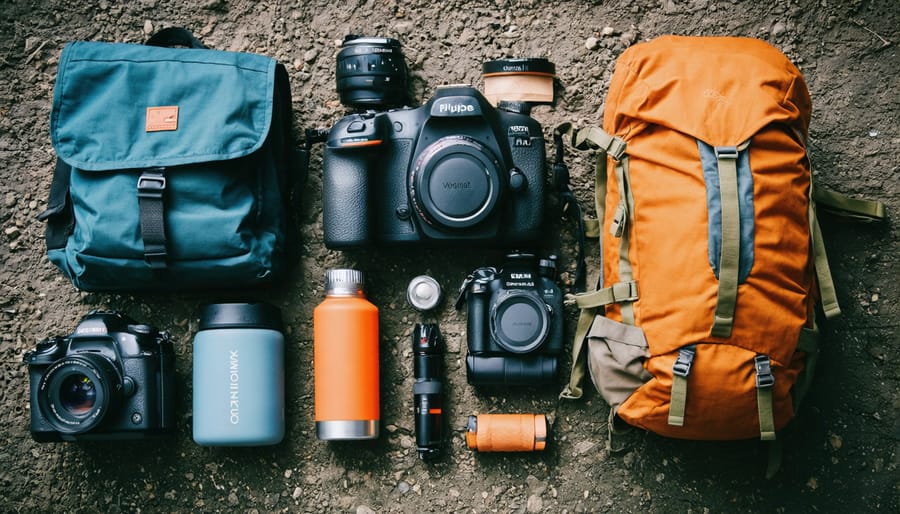
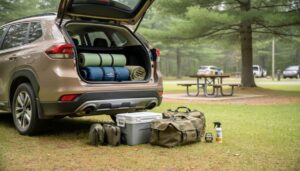
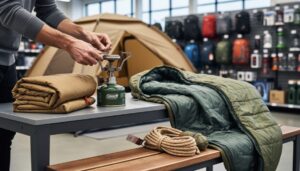
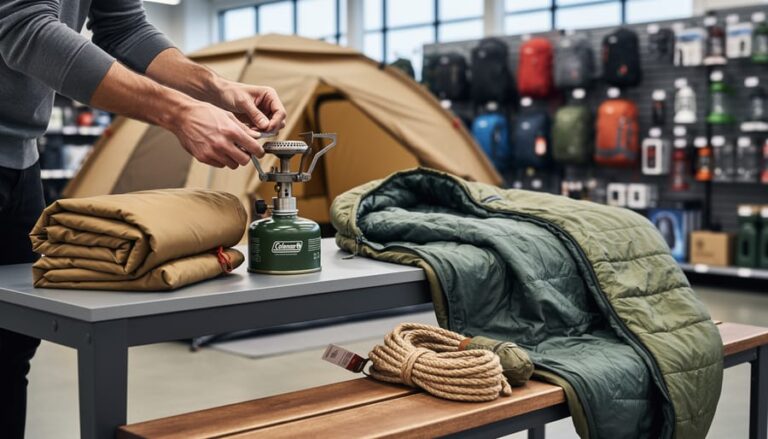
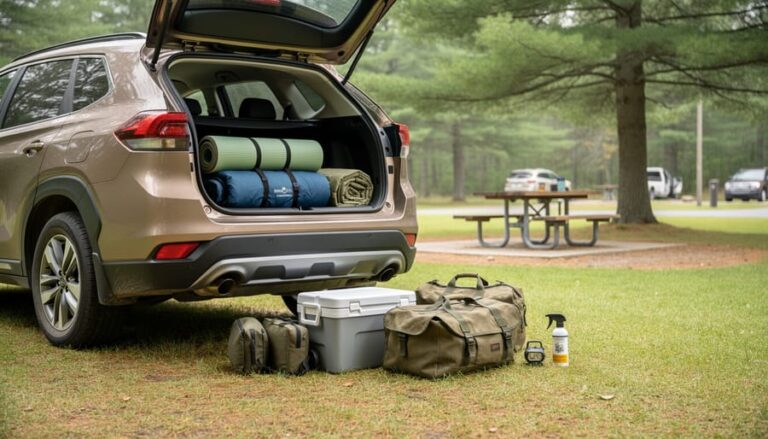
Before heading out on your solo adventure, make sure you’re well-equipped by following this comprehensive essential camping gear guide. Here’s your must-pack checklist:
Shelter & Sleep:
– Quality tent with rainfly
– Sleeping bag rated for seasonal temperatures
– Sleeping pad or air mattress
– Emergency blanket
Safety Equipment:
– First aid kit
– Bear spray
– Whistle
– Headlamp and extra batteries
– Multi-tool or knife
– Map and compass
– Portable charger
Food & Water:
– Water filtration system
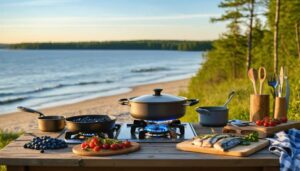
– Lightweight cooking stove
– Fuel
– Matches in waterproof container
– Food for duration plus one extra day
– Collapsible water container
– Biodegradable soap
Clothing:
– Moisture-wicking base layers
– Insulating mid-layer
– Waterproof outer layer
– Extra socks
– Hiking boots
– Camp shoes
– Sun hat
Personal Items:
– Sunscreen
– Bug spray
– Hand sanitizer
– Basic toiletries
– Camera
– Small notebook and pen
Pro tip: Pack everything in waterproof bags and always test your gear before heading out. Remember, when solo camping, it’s better to be over-prepared than caught without essentials. Keep your pack weight manageable – aim for no more than 20-25% of your body weight.
Weight Management Strategies
When camping solo, every ounce matters since you’ll be carrying all your gear yourself. Start by investing in lightweight, multi-purpose equipment – for example, a pot that can serve as both cookware and eating dish. Consider using a bathroom scale to weigh each item before packing, and create a spreadsheet to track your gear weight.
Ultra-light backpackers swear by the “base weight” concept (everything except food and water), aiming to keep it under 10 kg. While this might seem extreme for beginners, it’s a good target to work towards. Try dividing your gear into “must-have” and “nice-to-have” piles – you’ll be surprised how many items fall into the second category!
Smart packing tricks can make a big difference. Remove excess packaging, opt for dried foods over canned goods, and use lightweight stuff sacks instead of heavy storage containers. For longer trips, consider shipping supplies to designated pick-up points along your route.
Remember, lightweight doesn’t mean cheaply made. Quality gear might cost more initially but will be more durable and often lighter than budget alternatives. Your back will thank you after a long day on the trail!
Solo camping offers a unique opportunity to connect with nature, challenge yourself, and discover inner strength you never knew you had. From selecting the perfect campsite to mastering essential outdoor skills, every aspect of your solo adventure contributes to an unforgettable experience. Remember to prioritize safety, trust your instincts, and always let someone know your plans. Start small with an overnight trip at a well-maintained campground before venturing into more remote locations. Whether you’re seeking solitude in Algonquin’s backcountry or enjoying the comfort of a developed campsite, solo camping will reward you with confidence, peace, and a profound appreciation for Ontario’s wilderness. Take that first step – your solo camping journey awaits, and the memories you’ll create will last a lifetime.



+ There are no comments
Add yours