

Plan your route with multiple rest stops every 2-3 hours before embarking on any Ontario road trip. Drowsy driving causes 21% of fatal crashes in Canada, making regular breaks essential for long-distance safety. Pack a well-stocked emergency kit containing jumper cables, flashlights, first-aid supplies, and season-appropriate gear – especially crucial when exploring remote areas of Ontario’s vast wilderness. Check weather conditions, road closures, and construction updates through Ontario 511 before departure, particularly during winter months when conditions can change rapidly.
Beyond basic preparation, ensure your vehicle undergoes a thorough safety inspection, including tire pressure, fluid levels, and brake functionality. Ontario’s diverse terrain and dramatic seasonal changes demand vehicles be in peak condition. Whether you’re heading to bustling Toronto or venturing into the serene Algonquin Provincial Park, these fundamental safety measures protect you and your fellow travelers while preserving the peace of mind needed to fully enjoy Ontario’s spectacular landscapes.
Before You Hit the Road

Vehicle Safety Checklist
Before hitting the road, run through this essential safety checklist to ensure your vehicle is road-trip ready. Start with your tires – check the pressure, tread depth, and look for any unusual wear patterns. A quick way to check tread is the “toonie test” – if you can see the polar bear’s paws when inserting a toonie in the groove, it’s time for new tires.
Pop the hood and verify your fluid levels, including oil, coolant, brake fluid, and windshield washer fluid. Ontario’s weather can be unpredictable, so you’ll want those wipers working perfectly! Test all your lights, including headlights, brake lights, and turn signals. Don’t forget those often-overlooked hazard lights.
Keep your emergency kit stocked with a flashlight, basic tools, jumper cables, and a first-aid kit. During winter months, add an ice scraper, shovel, and emergency blankets. Pro tip: Pack some kitty litter – it provides excellent traction if you get stuck in snow or mud!
Check your brakes, battery, and belts for signs of wear. If you hear any unusual sounds or feel vibrations while driving, have a professional mechanic take a look before your trip. Better safe than sorry!
Emergency Kit Essentials
Being prepared for the unexpected is a key part of safe road travel in Ontario. Pack a well-stocked emergency kit that includes a first-aid kit with bandages, antiseptic wipes, and any personal medications. Keep a flashlight with extra batteries, jumper cables, and a basic tool kit for minor repairs. During our snowy winters, pack a folding shovel, ice scraper, and warm blankets.
Don’t forget to include non-perishable snacks, bottled water, and a phone charger – these can be lifesavers during unexpected delays. I always keep a few reusable emergency candles and waterproof matches in my kit, which can provide both light and warmth if needed. Add reflective warning triangles or flares to alert other drivers if you’re stranded.
For extra peace of mind, pack a small battery-powered radio for weather updates and a recent paper map of Ontario (yes, even in this digital age!). Consider adding eco-friendly hand warmers and a compact emergency sleeping bag. Remember to check and update your kit seasonally – those granola bars won’t last forever!
Navigating Ontario’s Weather Challenges
Winter Driving Skills
Ontario’s winters demand special attention when you’re behind the wheel. As someone who’s navigated countless snowy roads across the province, I can’t stress enough the importance of mastering these winter driving safety tips.
First, always maintain a greater following distance – at least double what you’d keep in dry conditions. This gives you crucial extra seconds to react on slippery roads. When accelerating or braking, think smooth and gentle. Sudden movements are your enemy on icy surfaces.
Keep your steering steady and avoid sudden turns. If you start to skid, steer in the direction you want to go and resist the urge to slam on the brakes. Instead, ease off the gas and let your vehicle gradually slow down.
Before heading out, clear ALL snow from your vehicle – not just a small patch on the windshield. This includes the roof, hood, and lights. Your visibility and the safety of other drivers depend on it.
Pack a winter emergency kit with essentials like a shovel, blankets, snacks, and a fully charged phone. Trust me, having these items brings peace of mind when you’re exploring Ontario’s winter wonderland.
Remember to check road conditions before departure and postpone non-essential travel during severe weather. Sometimes the best winter driving decision is choosing not to drive at all.

Summer and Wet Weather Safety
Summer in Ontario brings its own set of driving challenges, but with a few smart strategies, you can keep your cool on the road. When temperatures soar, check your tire pressure regularly, as heat can cause pressure to rise and affect handling. Keep your AC system well-maintained and pack extra coolant for those longer journeys through cottage country.
During heat waves, never leave children or pets in parked cars, even for a quick stop – interior temperatures can rise to dangerous levels in minutes. Pack plenty of water and consider traveling during cooler morning hours, especially for longer trips.
When summer storms roll in, adjust your driving accordingly. Reduce your speed and increase following distance – those first few minutes of rainfall are the most dangerous as water mixes with road oils. Turn on your headlights (not just daytime running lights) to increase visibility to other drivers.
Watch for standing water, which can cause hydroplaning. If you start to hydroplane, stay calm, ease off the accelerator, and steer straight until you regain traction. During heavy downpours, consider pulling over safely until visibility improves. Remember that summer storms in Ontario can develop quickly, so keep an eye on weather forecasts before heading out.
Wildlife and Rural Road Safety

Animal Encounter Prevention
Ontario’s diverse wildlife is beautiful to observe, but not when it suddenly appears on the road! To avoid unwanted animal encounters, stay extra alert during dawn and dusk when animals are most active, especially in rural areas and near forests. Keep your high beams on when possible, and scan the road edges continuously – you might spot those reflective eyes before the whole animal appears.
Reduce your speed in areas with wildlife warning signs, particularly during spring and fall migration seasons. If you spot one deer or moose, remember they often travel in groups, so more may follow. Keep your windshield clean and ensure your brakes are in good condition for emergency stops.
If an animal collision seems imminent, brake firmly but don’t swerve – swerving can cause you to lose control or hit oncoming traffic. After sunset, drive slightly slower than usual and watch for movement along the roadside. Consider installing a wildlife warning whistle on your vehicle – while their effectiveness isn’t guaranteed, they provide an extra layer of precaution.
Remember to give any wildlife you encounter plenty of space, and never exit your vehicle to approach them. Your safety comes first!
Rural Road Navigation
Rural roads in Ontario can be an adventure, but they require extra attention and preparation. When driving on unpaved roads, reduce your speed and maintain a greater following distance – loose gravel can make stopping more challenging. Keep an eye out for soft shoulders and avoid sudden movements that could cause your vehicle to slide.
Be prepared for narrow passages and blind corners by staying in the middle of your lane when it’s safe. Watch for farm equipment, especially during planting and harvest seasons – these vehicles move slowly and may take up more space on the road.
During wet weather, be extra cautious as dirt roads can become slippery and develop washboards or potholes. If you encounter oncoming traffic on a single-lane road, look for wider sections or designated pull-offs to safely pass.
Keep your headlights on, even during daylight hours, to increase visibility. Carry basic emergency supplies, including a first-aid kit and flashlight, as rural areas may have limited cell service. When possible, let someone know your planned route and expected arrival time – it’s always better to play it safe on less-traveled roads.
Smart Journey Planning
Route Planning and Rest Stops
Before hitting the road, take time to map out your journey through Ontario’s diverse landscapes. Use reliable navigation apps or websites to plan your primary route and identify alternate paths in case of unexpected closures. Schedule regular breaks every 2-3 hours at Ontario’s well-maintained rest stops or charming small towns – this helps maintain driver alertness and supports local communities.
Consider the time of day when planning your stops. Early morning or late afternoon driving can help you avoid peak traffic hours and wildlife activity periods. Look for green spaces or provincial park day-use areas for rest breaks, where you can practice environmentally conscious travel practices while stretching your legs.
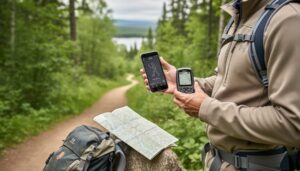
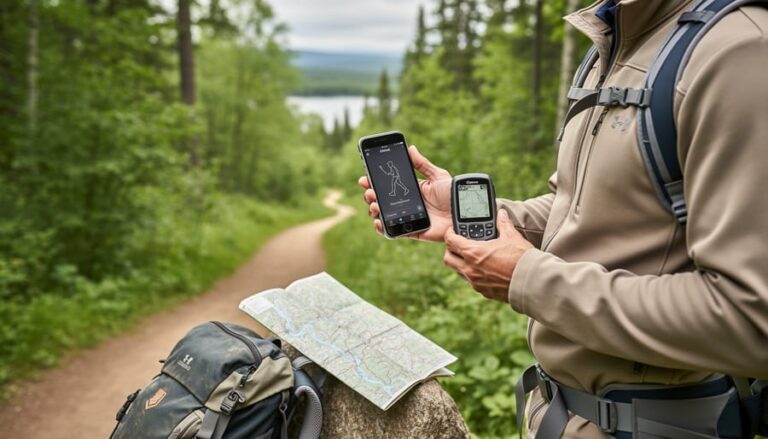
Pro tip: Keep a printed map as backup – cell service can be spotty in remote areas. Note the locations of 24-hour gas stations and emergency services along your route, especially when traveling through less populated regions. Remember, a well-planned journey is often a safer and more enjoyable one!
Communication and Technology
Stay connected and safe with today’s tech essentials! Keep your phone charged with a reliable car charger and pack a portable power bank for emergencies. Download offline maps of your route through Ontario before heading out – they’re lifesavers when cell service gets spotty in remote areas. Weather apps like Environment Canada’s official app provide real-time updates to help you avoid dangerous conditions.
Consider investing in a dash cam – they’re great for documenting your journey and providing evidence if needed. Use hands-free devices for calls, and remember that Ontario law prohibits holding phones while driving. Set up your GPS before starting your journey, and let a passenger handle navigation updates if possible.
Share your location with trusted family members through apps like Google Maps or Find My Friends. It’s also smart to keep a physical road map as backup – sometimes old school is the way to go!
As we wrap up these essential road safety tips, remember that preparation and awareness are your best companions on Ontario’s diverse roadways. From checking weather forecasts and maintaining your vehicle to staying alert for wildlife and carrying emergency supplies, each precaution contributes to a safer journey. Whether you’re heading to the pristine lakes of Muskoka or the rugged terrain of the Canadian Shield, these guidelines will help ensure your adventure stays memorable for all the right reasons.
The beauty of Ontario’s landscapes deserves to be experienced safely and responsibly. As you explore Ontario like a local, keep these safety measures in mind while embracing the province’s natural wonders. Remember to share the road, stay informed about changing conditions, and always have a backup plan.
By following these safety guidelines, you’re not just protecting yourself and your loved ones – you’re joining a community of responsible travelers who help keep Ontario’s roads safe for everyone. So pack your maps, charge your devices, and hit the road with confidence. Adventure awaits, and now you’re prepared to embrace it safely!






+ There are no comments
Add yours