

Picture yourself standing motionless as a majestic bull moose emerges from the morning mist, or catching the amber eyes of a timber wolf through your binoculars in Algonquin Park. These heart-stopping moments define wildlife encounters in Ontario’s wilderness, where every trail and waterway holds the promise of an unforgettable meeting with nature’s most remarkable residents.
From the black bears of Killarney to the white-tailed deer of the Bruce Peninsula, Ontario’s diverse ecosystems offer some of North America’s most spectacular wildlife viewing opportunities. Yet these precious moments demand more than just good luck – they require preparation, respect, and understanding of wild animals in their natural habitat.
Whether you’re an experienced naturalist or a first-time visitor to our provincial parks, knowing how to safely and responsibly observe wildlife can transform a chance encounter into a meaningful connection with the natural world. This guide will equip you with essential knowledge about where to go, when to visit, and how to ensure both your safety and the wellbeing of Ontario’s magnificent wild creatures.
Join us as we explore the art of wildlife observation, where patience meets preparation, and every encounter tells a story of conservation success in our vast Canadian wilderness.
Common Wildlife You’ll Meet in Ontario Parks
Large Mammals
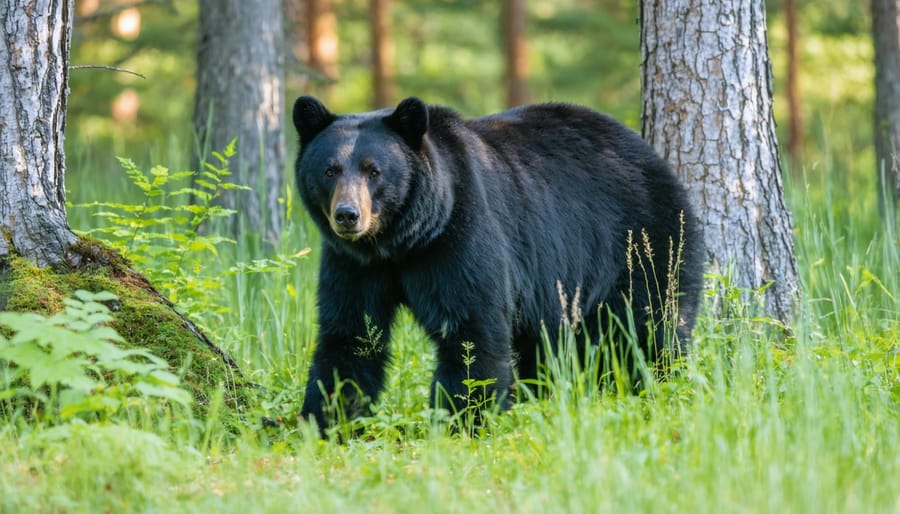
Ontario’s large mammals are some of the most awe-inspiring creatures you might encounter in the wild, but they require special attention and respect. Black bears, particularly active during seasonal wildlife activity peaks in spring and fall, are common in many provincial parks. While they generally avoid human contact, it’s crucial to store food properly and maintain a clean campsite to prevent attracting them.
Moose, despite their seemingly gentle nature, can be particularly dangerous during rutting season or when protecting their young. If you spot a moose, keep your distance and never position yourself between a mother and her calf. These magnificent creatures are most often seen at dawn or dusk, especially near wetlands and lakes.
White-tailed deer are more abundant and typically less threatening, but still deserve respect. They’re most active during early morning and evening hours, and you’ll often spot them grazing in meadows or along forest edges. During rutting season in fall, bucks can become more aggressive, so maintain a safe distance.
Remember the golden rule of large mammal encounters: never approach or feed them. Always observe from a safe distance, ideally at least 100 meters away. Keep your camera ready, but your safety should always come first. If you’re hiking in areas known for large mammals, make noise to avoid surprising them and carry bear spray as a precaution.
Small Wildlife Encounters
Ontario’s parks and urban fringes are home to a delightful variety of smaller wildlife that can make any outdoor adventure memorable. Raccoons, with their distinctive masked faces and clever paws, are frequent visitors to campsites and parks, especially during twilight hours. While these furry bandits are charming, remember to keep your food secured and garbage properly disposed of to prevent unwanted midnight raids.
Red and grey foxes add a touch of magic to any wildlife encounter, often spotted trotting through meadows or along forest edges in the early morning or late evening. These elegant creatures are typically shy but may be observed from a respectful distance if you remain still and quiet.
You might also encounter playful chipmunks and squirrels darting between trees, groundhogs lounging in sunny meadows, or rabbits nibbling on vegetation at dawn and dusk. These smaller residents provide excellent photography opportunities and are perfect for introducing children to wildlife watching.
When encountering small wildlife, maintain a safe distance and never attempt to feed them. Not only is feeding wildlife illegal in most parks, but it can also harm their natural foraging behaviors and make them dependent on human food. Instead, bring binoculars and a camera to capture these special moments while preserving the animals’ wild nature.
Remember that even small creatures deserve respect and space. By observing them responsibly, you’ll help ensure these enchanting encounters continue for future generations to enjoy.
Stay Safe While Wildlife Watching
Safe Viewing Distances
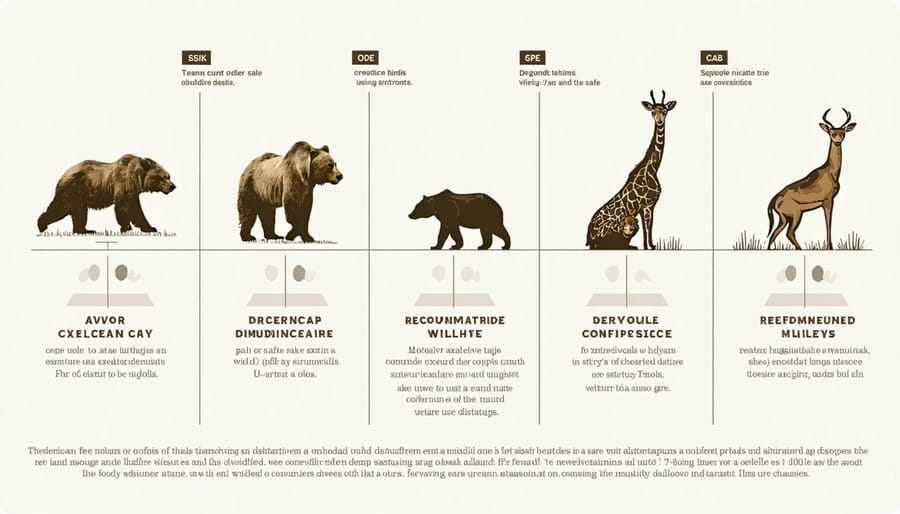
When it comes to observing Ontario’s magnificent wildlife, distance is your best friend. As a general rule of thumb, maintain at least 100 meters (about the length of a football field) from large animals like moose, bears, and wolves. For smaller mammals like foxes and deer, stay at least 30 meters away. Bird enthusiasts should keep a minimum distance of 20 meters from nesting areas or feeding spots.
A helpful way to gauge safe distances is the “thumb rule”: hold your thumb up at arm’s length – if your thumb doesn’t completely cover the animal, you’re too close! Remember, these are minimum distances. If an animal changes its behavior because of your presence – like stopping eating or looking alert – you should back away slowly.
For photographing wildlife, invest in a good zoom lens rather than getting closer. Not only does this keep you safe, but it also prevents animals from becoming stressed or habituated to human presence. When viewing from your vehicle, always stay inside and never feed or approach wildlife, even if they seem friendly. These distances aren’t just guidelines – they’re essential for both your safety and the animals’ well-being.
Wildlife Photography Tips
Capturing Ontario’s wildlife through your lens can be incredibly rewarding, but it’s essential to prioritize both your safety and the animals’ well-being. Always maintain a respectful distance using a telephoto lens (300mm or longer) to avoid disturbing wildlife. For those interested in nocturnal wildlife observation, invest in a camera with good low-light performance and a sturdy tripod.
Pack weather-sealed equipment when possible, as Ontario’s weather can be unpredictable. A UV filter not only protects your lens but also cuts through haze on bright days. Keep your movements slow and deliberate, and wear earth-toned clothing to blend with your surroundings.
Pro tip: Research your subject’s behavior patterns before heading out. Many animals are most active during dawn and dusk, offering the bonus of beautiful golden-hour lighting. Always carry spare batteries and memory cards, and never use flash photography with wildlife – it can startle and disorient them.
Remember to photograph from designated viewing areas when available, and never bait or lure animals for a shot. The best wildlife photos capture natural, undisturbed behavior.
What to Do in Close Encounters
If you encounter wildlife unexpectedly, stay calm and remember these essential steps. First, maintain a safe distance – at least 100 meters from large animals like bears and moose, and 30 meters from smaller wildlife. Never run, as this might trigger a chase response. Instead, slowly back away while facing the animal.
Make yourself appear larger by raising your arms and standing tall. Speak in a firm, calm voice to let the animal know you’re human. This is especially important with bears and cougars, who might be less likely to approach when they recognize human presence.
If you’re with others, stay together as a group. This makes you appear more intimidating to wildlife and provides safety in numbers. Keep children close and dogs on a leash at all times.
Never feed or approach wildlife, even if they seem friendly. This can lead to dangerous habituation and puts both you and the animals at risk. If an animal appears aggressive, use bear spray if you have it, aiming slightly downward in front of the animal.
Remember to scan your surroundings for escape routes or safe spaces like buildings or vehicles. Once you’re at a safe distance, report any concerning wildlife encounters to park staff or conservation officers. This helps them monitor animal behavior and protect both visitors and wildlife.
Best Wildlife Viewing Spots in Ontario Parks
Seasonal Hotspots
Ontario’s wildlife viewing opportunities transform dramatically with each passing season, offering unique encounters throughout the year. In spring, the Algonquin Provincial Park comes alive with black bears emerging from hibernation and migratory birds returning to their breeding grounds. The wetlands of Long Point Provincial Park become a symphony of waterfowl activity, perfect for early morning wildlife photography.
Summer brings excellent opportunities to spot moose in the northern regions, particularly around sunrise at Killarney Provincial Park. The warm months also welcome active beaver colonies in Bon Echo Provincial Park, where evening canoe trips often yield close-up viewing experiences.
When autumn arrives, take advantage of exceptional fall wildlife viewing opportunities in Frontenac Provincial Park, where white-tailed deer gather in clearings and wild turkeys forage in open areas. The Presqu’ile Provincial Park becomes a crucial stopover for thousands of migrating monarch butterflies and birds.
Winter transforms the landscape into a tracker’s paradise. Bruce Peninsula National Park offers perfect conditions for spotting snow-loving species like foxes and owls, while their tracks tell stories in the fresh snow. For a truly unique experience, visit Pinery Provincial Park to observe winter-active wildlife like cardinals and white-tailed deer against the stunning snow-covered backdrop.
Pro tip: Visit park websites before your trip to check recent wildlife sightings and seasonal programming schedules. Dawn and dusk typically offer the best viewing opportunities across all seasons.
Hidden Gems
While popular parks like Algonquin draw crowds, Ontario harbors several under-the-radar locations perfect for intimate wildlife encounters. The Frontenac Provincial Park, just north of Kingston, offers some of the best wildlife viewing trails where you might spot elusive creatures like fisher cats and black bears without the tourist bustle.
MacGregor Point Provincial Park along Lake Huron’s shore is a hidden sanctuary for bird enthusiasts. During spring and fall migrations, you can observe dozens of warbler species and shorebirds from secluded viewing blinds. The park’s lesser-known inland trails often reveal white-tailed deer and foxes during dawn hours.
Local’s tip: Visit the Minesing Wetlands near Barrie during early morning hours. This pristine ecosystem hosts river otters, rarely seen in other parts of Ontario. Bring your binoculars and paddle quietly through the waterways for the best chance of spotting these playful creatures.
The Bruce Peninsula’s lesser-known inland trails, particularly around Lion’s Head, offer excellent opportunities to spot porcupines and barred owls. Time your visit for weekdays when fewer hikers are around, and you’ll have these magical moments all to yourself. Remember to maintain respectful distances and never feed or approach the wildlife.
Pack Like a Pro
Must-Have Equipment
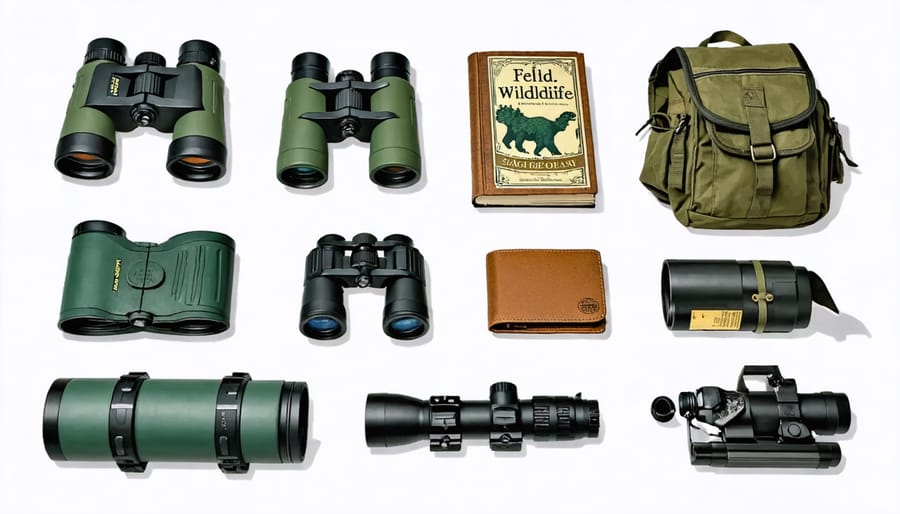
Before heading out for your wildlife viewing adventure, make sure you’re properly equipped. A good pair of binoculars is essential – they’ll let you observe animals from a safe distance without disturbing them. Pack a weather-appropriate jacket in neutral colors to blend with your surroundings and stay comfortable.
Don’t forget your camera with a zoom lens to capture those magical moments safely. A field guide or wildlife identification app on your phone can help you identify different species you encounter. Always carry plenty of water and some trail mix or snacks for energy.
For your safety, bring bear spray when in bear country, and keep it easily accessible. A basic first-aid kit is another must-have. Pack a flashlight or headlamp with extra batteries, even for daytime trips – wildlife viewing is often best at dawn and dusk.
Consider bringing a small notebook to record your sightings and experiences. A detailed trail map of your chosen area and a fully charged cell phone (though service may be limited) are crucial for navigation and emergency situations.
Pro tip: Keep all your gear in a quiet, non-rustling backpack to avoid startling wildlife.
Food Storage and Safety
Proper food storage is your first line of defense against unwanted wildlife encounters in Ontario’s wilderness. Always store your food in airtight, odor-proof containers and keep them in your vehicle or hang them at least 4 meters high between two trees (and 2 meters away from each trunk). This includes not just obvious food items, but also toiletries, pet food, and garbage – bears can smell these from kilometers away!
Never store food in your tent or leave it unattended at your campsite. Even seemingly innocent crumbs can attract smaller animals, who in turn might attract larger predators. When cooking, keep your food preparation area at least 50 meters away from your sleeping area, and clean up thoroughly immediately after meals.
A handy tip from experienced campers: bring separate clothes for cooking and sleeping. Food odors can cling to fabric, and you don’t want those scents in your tent. Remember to dispose of garbage properly in designated wildlife-proof bins, or pack it out if none are available. Clean dishes immediately after use, and never dump food scraps or wash water near your campsite – use designated washing stations or scatter washing water at least 50 meters from camp.
As we wrap up our journey through Ontario’s incredible wildlife encounters, let’s remember that these precious moments come with great responsibility. Every time we step into nature, we’re guests in the home of countless amazing creatures. The key to meaningful wildlife experiences lies in our commitment to respectful observation and conservation.
Remember to maintain safe distances, never feed wild animals, and always follow park guidelines. These simple actions help preserve natural behaviors and protect both wildlife and visitors. Pack out what you pack in, stick to designated trails, and consider joining local conservation efforts to give back to the wilderness that provides us with such extraordinary experiences.
Take photos, but make memories your priority. Sometimes the most magical moments happen when we put down our cameras and simply observe. Share your experiences with others, especially children, to foster a new generation of wildlife enthusiasts who understand the value of conservation.
As you plan your next wildlife adventure in Ontario, think about how you can make it more sustainable. Consider visiting during off-peak seasons, supporting eco-friendly tour operators, and learning about the specific challenges facing local wildlife. Your choices matter, and every responsible wildlife encounter helps ensure these magnificent creatures will continue to thrive for generations to come.
Together, we can enjoy Ontario’s incredible wildlife while helping to protect and preserve their natural habitats. After all, the best wildlife encounters are those that leave no trace – except in our hearts and memories.









+ There are no comments
Add yours