
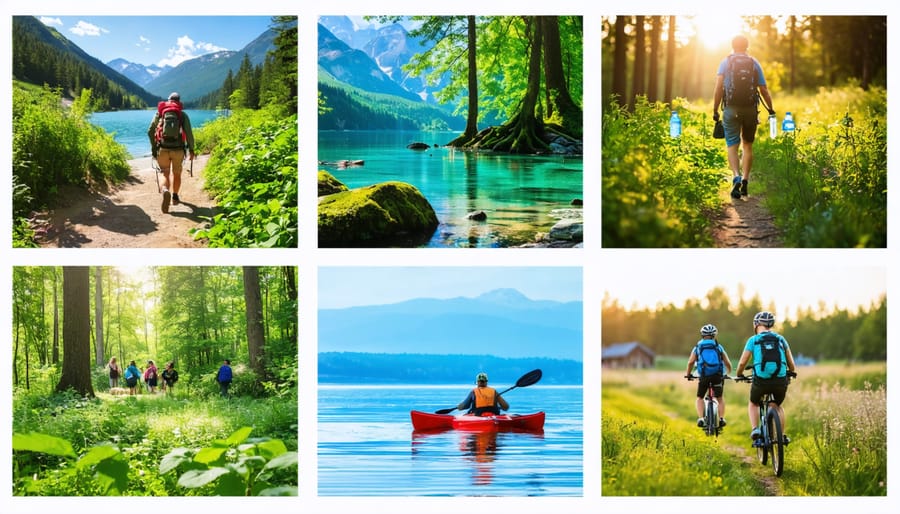
Transform your daily routines into powerful environmental actions by adopting simple yet impactful eco-friendly adventure practices. Install a smart thermostat to automatically adjust your home’s temperature, reducing energy consumption by up to 15% annually. Replace single-use plastics with durable alternatives like stainless steel water bottles, bamboo utensils, and cloth shopping bags. Create a backyard composting system to divert food waste from landfills while producing rich soil for your garden. These sustainable choices not only protect our natural resources but also save money and inspire others to join the movement toward a greener future.
By focusing on these practical steps, you’ll contribute to environmental conservation while building habits that naturally integrate into your lifestyle. Whether you’re exploring Ontario’s magnificent parks or managing your household, these sustainable practices demonstrate how small changes can create lasting positive impacts on our environment.
Leave No Trace: The Foundation of Sustainable Park Visits
Pack In, Pack Out
Remember that golden rule we all learned as kids: leave a place better than you found it? That’s exactly what “Pack In, Pack Out” is all about when exploring Ontario’s beautiful wilderness. Every wrapper, bottle, and scrap of trash you bring into nature needs to make the return journey with you.
Before heading out, pack your supplies in reusable containers and bags instead of disposable ones. Keep a dedicated trash bag handy during your adventure – I like using a sturdy zip-lock bag that I can seal to prevent any smells from attracting wildlife. For longer trips, consider bringing a collapsible container for collecting recyclables separately.
Here’s a pro tip: Take a quick photo of your campsite when you arrive. This gives you a reference point to ensure you haven’t left anything behind when it’s time to leave. Always do a final sweep of your area, checking for micro-trash like twist ties or fruit peels – yes, even biodegradable items should come home with you!
Remember, what might seem like just one wrapper to you can add up when multiplied by thousands of visitors. Let’s keep our trails and campsites pristine for everyone to enjoy.
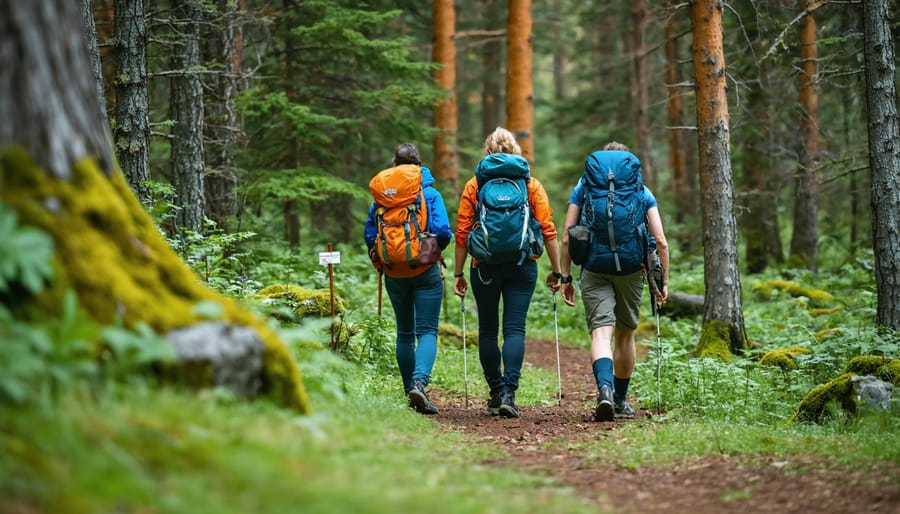
Stick to Marked Trails
When exploring Ontario’s stunning natural spaces, one of the simplest yet most impactful ways to protect our environment is by sticking to marked trails. Think of these designated paths as nature’s highways – they’re carefully designed to let us experience the wilderness while keeping delicate ecosystems safe.
I’ve seen firsthand how wandering off-trail can crush delicate wildflowers and disturb hidden animal homes. Even what looks like “just grass” might be home to ground-nesting birds or rare plant species that took years to establish. Those well-worn paths aren’t just for our convenience; they’re thoughtfully planned to protect sensitive areas while giving us the best views and experiences.
Here in Ontario, our trail systems are particularly special because they often connect different ecosystems. By staying on them, you’re helping preserve everything from ancient forest floors to fragile wetland edges. Plus, you’ll be safer – marked trails keep you away from hazardous areas and make sure you don’t accidentally trespass on protected or private land.
Remember my favorite trail tip: if you can’t see a clear path, you probably shouldn’t be there. Take only pictures, leave only footprints, and make sure those footprints stay where they belong – on the marked trail!
Smart Transportation Choices
Carpooling and Public Transit Options
Making smart transportation choices is one of the easiest ways to reduce your environmental impact while exploring Ontario. Consider joining local carpooling groups or using ride-sharing apps to connect with fellow travelers heading to the same destinations. This not only cuts down on emissions but also makes safe travel planning more social and cost-effective.
Ontario’s public transit system offers excellent alternatives for eco-conscious travelers. The GO Transit network connects major cities and recreation areas, while local shuttle services often run to popular parks during peak seasons. For instance, the Park Bus service provides direct transportation from Toronto to various provincial parks, making car-free adventures entirely possible.
Pro tip: Many Ontario parks offer bike rentals near their entrance points, allowing you to combine public transit with cycling for the ultimate low-impact exploration. Some communities even organize seasonal group shuttle services to popular hiking trails and camping spots, so be sure to check local tourism websites before your trip. By choosing these greener transportation options, you’ll not only minimize your carbon footprint but also get to experience Ontario’s natural beauty from a fresh perspective.

Human-Powered Exploration
There’s something magical about exploring Ontario’s wilderness under your own power. Whether you’re hiking through the vibrant autumn colors of Algonquin Park, paddling the crystal-clear waters of Georgian Bay, or cycling along the waterfront trails in Toronto, human-powered adventures offer the purest way to connect with nature while leaving minimal impact.
Hiking lets you truly immerse yourself in Ontario’s diverse landscapes at your own pace. Pack a reusable water bottle, stick to marked trails, and remember the “leave no trace” principles. Many provincial parks offer well-maintained trails for all skill levels, from gentle nature walks to challenging backcountry routes.
Cycling is another fantastic eco-friendly option, especially for exploring urban areas and connecting with nearby nature spots. Many Ontario cities have extensive bike-sharing programs and dedicated cycling paths. Consider bringing your own bike on vacation – most regional trains and buses accommodate cyclists.
Kayaking and canoeing are quintessential Ontario experiences that let you explore while staying green. Local outfitters often offer rentals with all the necessary gear, making it easy to paddle without investing in equipment. Just remember to clean your gear between water bodies to prevent spreading invasive species.
Supporting Local Communities
Shop Local, Stay Local
Supporting local businesses isn’t just good for the community – it’s a powerful way to reduce your environmental footprint while traveling. When you connect with local communities, you’re helping to create a more sustainable tourism ecosystem.
Start by choosing locally-owned accommodations over large chain hotels. Many Ontario B&Bs and eco-lodges are leading the way in sustainable practices, from using renewable energy to serving locally-sourced breakfasts. Look for places that proudly display their green initiatives and partnerships with local suppliers.
When it comes to dining, seek out restaurants that source ingredients from nearby farms and producers. Many Ontario eateries now showcase seasonal menus featuring produce from within a 100-kilometer radius. This not only reduces transportation emissions but also supports local farmers and food artisans.
Shopping local crafts and products makes a difference too. Instead of mass-produced souvenirs, consider purchasing handmade items from local artisans. Visit farmers’ markets, craft fairs, and indigenous art galleries to find unique pieces that truly represent the region.
For activities and tours, opt for locally-owned operators who understand and respect the environment they work in. These guides often have deep connections to the area and can share authentic insights about local ecology and conservation efforts.
Remember to use local transportation services when possible. Many communities offer bike rentals, shuttle services, or guided walking tours that help reduce individual vehicle use while supporting local businesses. This approach not only minimizes your carbon footprint but also provides a more immersive travel experience.
Wildlife-Friendly Practices
Safe Distance Photography
Getting that perfect wildlife shot doesn’t mean disturbing nature’s delicate balance. In Ontario’s parks and wilderness areas, responsible photography starts with keeping your distance. A good rule of thumb is to stay at least 100 meters away from large animals like moose and bears, and about 30 meters from smaller creatures.
Invest in a good telephoto lens – it’s your best friend for wildlife photography. This way, you can capture stunning close-ups while giving animals their much-needed space. I’ve found that early mornings and late afternoons not only offer the best lighting but also tend to be when wildlife is most active.
Remember, if an animal changes its behavior because of your presence, you’re too close. Watch for warning signs like ears pinning back, sudden stops in feeding, or direct stares. These are your cues to slowly back away.
Some practical tips: stay low and quiet, avoid using flash photography, and never bait or call animals to get a better shot. Consider hiding behind natural barriers like trees or rocks, and always stick to designated trails. The best wildlife photos tell a story while respecting the subject’s natural behavior – and that’s exactly what makes them so special.

Food Storage and Waste Management
Proper food storage isn’t just about keeping your snacks fresh – it’s crucial for wildlife protection and campsite safety. Always pack your food in airtight, odor-proof containers and store them in your vehicle or a designated food locker. Never keep food in your tent, as the scent can attract curious critters, from tiny chipmunks to bigger visitors like bears.
When meal planning, bring only what you’ll realistically eat to minimize waste. Pack foods with minimal packaging and transfer items into reusable containers before your trip. Consider bringing a small compost bag for fruit peels and coffee grounds – just remember to empty it in designated composting areas, not in the wilderness.
After meals, clean your dishes immediately using biodegradable soap at least 200 feet away from any water sources. Strain your dishwater through a fine-mesh strainer to catch food particles, and pack these out with your trash. Speaking of trash, always follow the “pack it in, pack it out” principle. Keep a dedicated garbage bag and secure it in your vehicle or food storage area overnight.
Pro tip: Before leaving your campsite, do a final sweep for any forgotten food scraps or wrappers – even the tiniest crumbs can attract wildlife and alter their natural behaviors.
Embracing sustainable practices isn’t just good for our beautiful Ontario parks – it’s essential for ensuring future generations can enjoy these natural wonders too. By following simple steps like packing reusable water bottles, choosing eco-friendly transportation options, and properly disposing of waste, we can all make a significant difference in protecting our environment.
Remember, sustainable travel is about making mindful choices that add up to create positive change. Whether you’re camping in Algonquin Park or hiking the Bruce Trail, consider carpooling with friends, supporting local businesses, and choosing environmentally conscious accommodations. These small actions help preserve Ontario’s natural beauty while often enhancing your outdoor experience.
Let’s all do our part to keep Ontario’s parks and natural areas pristine. Pack out what you pack in, stay on marked trails, and respect wildlife from a safe distance. By practicing these sustainable habits, we’re not just being responsible travelers – we’re becoming stewards of Ontario’s magnificent landscapes and ensuring these special places remain vibrant and healthy for years to come.
Start your sustainable journey today. Every eco-friendly choice counts, and together, we can protect the natural treasures that make Ontario such an amazing place to explore.








+ There are no comments
Add yours