

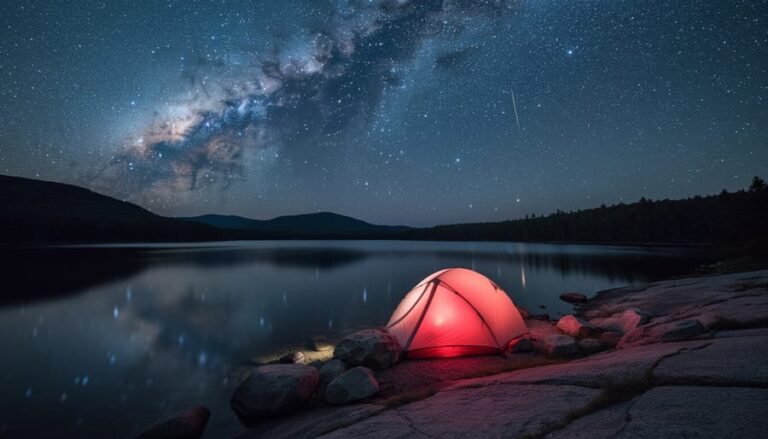
Escape light pollution by targeting Ontario’s designated Dark Sky Preserves like Killarney Provincial Park or Torrance Barrens, where you’ll witness the Milky Way’s brilliant arc stretching overhead and potentially catch meteor showers during peak seasons like the Perseids in August or Geminids in December. Book backcountry campsites at these top camping destinations well in advance, especially for new moon weekends when celestial viewing reaches its peak.
Pack a red-light headlamp to preserve your night vision while navigating camp after dark, download astronomy apps like SkySafari or Star Walk 2 before you lose cell service, and bring binoculars as your secret weapon for viewing Jupiter’s moons, the Andromeda Galaxy, and countless star clusters without the bulk of a telescope. Layer warm clothing even in summer since clear skies that make stargazing magical also mean temperatures can plummet after sunset.
Arrive at your campsite with enough daylight to set up completely before darkness falls, giving you time to organize gear and identify any tripping hazards. Position your tent entrance facing south or east to catch celestial action without leaving your sleeping bag during those chilly 3 AM viewing sessions.
The combination of pristine wilderness camping and jaw-dropping astronomy creates an experience that reconnects you with nature’s grandest spectacle. Whether you’re a seasoned stargazer or just beginning your cosmic journey, Ontario’s parks offer front-row seats to the universe’s most stunning light show.
Why Ontario Parks Are Astronomy Goldmines
Picture this: you’re lying on your camping pad, gazing upward, and suddenly the Milky Way stretches across the sky like a luminous river. This isn’t some faraway destination requiring a passport—it’s right here in Ontario, where our provincial parks offer some of the darkest, most spectacular skies in eastern North America.
Ontario is home to several officially designated Dark Sky Preserves, a recognition given by the Royal Astronomical Society of Canada to areas that meet strict criteria for darkness and commit to protecting their night skies. These aren’t just marketing gimmicks. The designation means the park has measurably low light pollution levels and actively works to keep it that way through lighting policies and educational programs.
What makes this special for you? In a Dark Sky Preserve, you can see between 2,000 and 5,000 stars with your naked eye, compared to maybe 200 in a typical suburban setting. The difference is absolutely breathtaking. You’ll spot celestial objects that most people only see in textbooks—the Andromeda Galaxy, star clusters, nebulae, and during meteor showers, up to 100 shooting stars per hour.
Currently, parks like Killarney, Lake Superior, Torrance Barrens, and Lennox and Addington County hold this coveted designation. Their remote locations naturally shield them from urban glow, while their commitment to dark-sky-friendly lighting ensures the experience keeps improving.
Here’s an insider tip: even parks without official designation can offer incredible stargazing. Look for parks located far from major cities, particularly in northern Ontario. Check light pollution maps online before booking—aim for sites showing deep blue or black on these maps.
The strategic positioning of Ontario’s parks also matters. Many sit on elevated terrain or beside large lakes, giving you unobstructed horizons perfect for watching celestial events rise and set. That combination of protected darkness, natural geography, and accessibility makes Ontario parks absolute astronomy goldmines.

Best Ontario Parks for Camping Under the Stars

Killarney Provincial Park
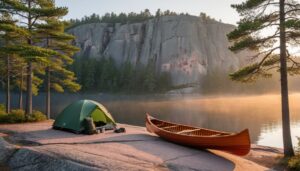
Killarney Provincial Park earned its Dark Sky Preserve designation in 2018, making it one of Ontario’s premier stargazing destinations. Located along Georgian Bay’s stunning white quartzite ridges, this park offers both backcountry and car camping options for astronomy enthusiasts of all experience levels.
For those new to overnight adventures, the park’s frontcountry campgrounds at George Lake provide convenient access to dark skies without sacrificing comfort—perfect for camping for beginners. The real magic happens at backcountry sites like Three Narrows Lake and Balsam Lake, where zero light pollution reveals the Milky Way stretching from horizon to horizon.
The best viewing spot? Head to the rocky shores along any of the interior lakes after sunset. Bring a red-light headlamp to preserve your night vision while navigating the granite landscape. From late spring through early fall, you’ll spot the Summer Triangle constellation, Jupiter’s moons through binoculars, and during peak season, up to 50 shooting stars per hour during meteor showers.
Insider tip: Camp during the new moon phase in August or September when the skies are darkest and the weather most stable. The park’s rugged terrain keeps crowds manageable, giving you plenty of solitude under the stars. Book backcountry sites well in advance, as they fill quickly during prime stargazing months.
Torrance Barrens Dark-Sky Preserve
As Ontario’s first designated dark-sky preserve, established in 1999, Torrance Barrens holds a special place in the hearts of astronomy enthusiasts. Located near Gravenhurst in Muskoka, this 4,700-acre site sits on ancient granite bedrock that was scraped bare by glaciers, creating a unique landscape of exposed rock, shallow wetlands, and scattered pine forests. This sparse vegetation means minimal light obstruction and maximum sky visibility – exactly what you need for incredible stargazing.
Unlike traditional campgrounds, Torrance Barrens offers a primitive camping experience. There are no facilities, no fire pits, and no amenities beyond a parking area. Think of it as backcountry camping that you can access with just a short walk from your vehicle. Bring everything you need, including water, and plan to pack out all your waste. The preserve prohibits fires and white lights after dark to protect the pristine viewing conditions.
Here’s an insider tip: arrive before sunset to scout your camping spot along the various rock outcrops and flatter areas. The terrain can be tricky to navigate in darkness, even with a red flashlight. Many regulars bring foam sleeping pads to cushion the hard granite and set up low-profile tents that don’t interfere with sightlines.
The astronomy community here is wonderfully welcoming. On clear weekends, you’ll often find amateur astronomers sharing telescope views with curious newcomers, creating an impromptu stargazing party under Ontario’s darkest skies.
Bruce Peninsula National Park
Bruce Peninsula National Park offers a truly magical combination: dramatic limestone cliffs by day and spectacularly dark skies by night. Perched between Georgian Bay and Lake Huron, this park’s relative isolation from major cities creates excellent stargazing conditions, particularly during new moon phases.
The park offers both backcountry and front-country camping options to suit your comfort level. For the ultimate stargazing experience, consider the backcountry sites along the Bruce Trail—especially High Dump and Stormhaven. These elevated clifftop locations provide unobstructed views of the horizon, perfect for catching meteor showers and watching constellations rise over the water. Front-country campers at Cyprus Lake will find the beach area offers surprisingly dark skies once fellow campers settle in for the night.
Here’s an insider tip: visit in September or early October. You’ll avoid summer crowds, enjoy crisp clear nights with less humidity (which means sharper star views), and might even catch the northern lights dancing over Georgian Bay. The autumn air also means fewer bugs to distract from your celestial observations.
Remember to practice Leave No Trace principles—use red-filtered flashlights to preserve both your night vision and the experience for other stargazers. The park’s rocky terrain can be challenging in darkness, so scout your viewing location during daylight hours.
Lake Superior Provincial Park
Tucked away along the rugged northeastern shores of Lake Superior, this provincial park offers one of Ontario’s most spectacular stargazing experiences. The remote location, far from major population centers, provides exceptionally dark skies that amateur astronomers dream about. I’ll never forget camping here in September and watching the Milky Way stretch across the entire sky like a cosmic river—it was so vivid I could actually see its texture and color variations.
The park’s greatest claim to fame for night sky enthusiasts? Regular northern lights displays. Between late August and early October, you have a decent shot at catching the aurora borealis dancing over the lake, especially during periods of high solar activity. The combination of dark skies meeting the massive expanse of water creates an almost surreal viewing experience.
Camping right along the lakeshore at sites like Agawa Bay Campground puts you in prime position for both sunset and stargazing sessions. Here’s an insider tip: Lake Superior creates its own weather systems, and fog can roll in unexpectedly, particularly in summer. Check the marine forecast in addition to regular weather reports. Early fall typically offers clearer, more stable conditions—plus fewer bugs! The cold lake waters mean cooler evenings year-round, so pack extra layers even in July.
What You’ll See in Ontario’s Night Sky
Year-Round Wonders
I’ll never forget my first night camping away from Toronto’s glow. As twilight faded at our campsite, something extraordinary happened—the sky exploded with stars I’d never known existed. The Milky Way stretched overhead like a luminous river, and I actually gasped out loud.
The beauty of Ontario’s dark skies? You don’t need to wait for special events to experience magic. Every clear night delivers wonders. The Big Dipper and Orion become old friends, guiding you through the darkness with their familiar patterns. Venus often steals the show as the brilliant “evening star,” while Jupiter and Saturn reveal their steady, non-twinkling glow that distinguishes them from surrounding stars.
Watch for satellites tracing silent paths across the heavens—those moving dots aren’t planes but human-made moons circling Earth. You’ll spot several each hour once you know what to look for.
The Milky Way remains your headline attraction from spring through fall, that cloudy band revealing our galaxy’s spiral arm. Position yourself away from your campfire (give your eyes 20-30 minutes to adjust to darkness), lie back on a blanket, and simply look up. No telescope needed—your eyes are perfect instruments for drinking in these year-round celestial gifts that urban dwellers rarely witness.
Seasonal Highlights and Special Events
Ontario’s camping season coincides beautifully with some of the year’s most spectacular celestial events. The Perseid meteor shower in mid-August is a personal favorite—I’ve counted over 60 shooting stars per hour from Algonquin Park’s backcountry sites. Plan your trip around the shower’s peak (usually August 11-13) for an unforgettable light show streaking across the Milky Way.
Winter campers shouldn’t miss the Geminids in mid-December, which rivals the Perseids in intensity and offers crisp, cold air for exceptionally clear viewing. Bundle up and bring a quality sleeping bag rated for the season.
If you’re heading to northern parks like Killarney or Lake Superior Provincial Park between September and March, keep an eye out for the aurora borealis. Solar activity apps can alert you when northern lights might dance overhead—it’s truly magical when it happens.
Planetary alignments create special viewing opportunities throughout the year. Jupiter and Saturn are particularly stunning through binoculars during summer months.
Here’s an eco-friendly insider tip: always check the lunar calendar before booking your trip. New moon phases (when the moon is barely visible) provide the darkest skies and best stargazing conditions. This simple planning step maximizes your experience while helping you appreciate natural darkness—something increasingly rare in our light-polluted world.

Packing Your Astronomy Camping Kit

Essential Gear for Comfort and Viewing
The right gear transforms a chilly night under the stars into pure magic. Start with a red-light headlamp or flashlight—trust me on this one. Red light preserves your night vision while white light can take up to 30 minutes to recover from. I learned this the hard way during my first stargazing trip when I kept fumbling with a regular flashlight and missing meteor after meteor!
Your sleeping bag should be rated at least 10 degrees lower than the expected nighttime temperature. Ontario summer nights can dip surprisingly cool, especially in northern parks. Layer with a cozy fleece blanket for extra warmth during extended viewing sessions outside your tent.
Reclining camp chairs are absolute game-changers—no more neck strain from looking straight up for hours. Pair these with essential camping gear like insulated mats and you’ll stay comfortable all night.
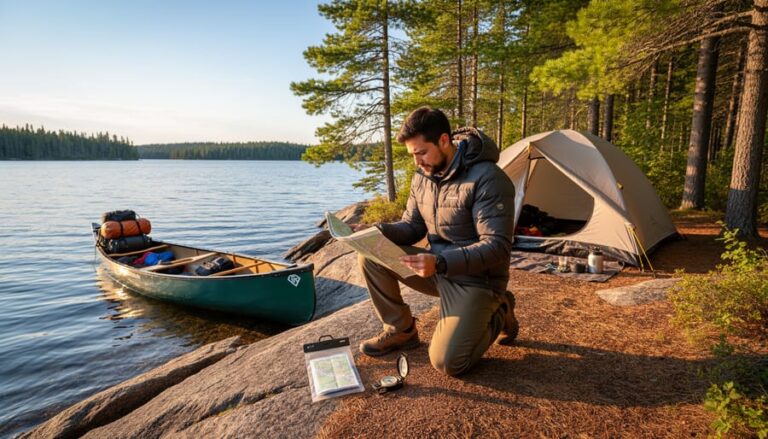
For navigation, download apps like SkySafari or Star Walk before you arrive (cell service can be spotty). Paper star charts make excellent backups and never run out of battery.
Beginners often ask about binoculars versus telescopes. Start with 7×50 or 10×50 binoculars—they’re portable, intuitive, and reveal stunning details of the moon, star clusters, and even Jupiter’s moons. Telescopes require more setup and learning but offer incredible views once you’ve mastered the basics.
When shopping, look for gear from companies committed to sustainable manufacturing. Rechargeable battery systems, recycled materials, and durable construction align perfectly with eco-friendly camping practices that protect these pristine dark-sky locations for future stargazers.
Stay Warm and Comfortable All Night
I learned this lesson the hard way during my first August camping trip to Killarney Provincial Park. I figured summer meant warm nights, right? Wrong. I woke up at 3 a.m. absolutely shivering, watching the Milky Way through chattering teeth. Here’s the truth about Ontario nights: even in July and August, temperatures can plummet to 5-10°C, especially in northern parks. September and October? We’re talking near-freezing.
Your sleeping system makes or breaks a stargazing trip. Start with an insulated sleeping pad with an R-value of at least 3.5, which creates a barrier between you and the cold ground. Layer your sleeping bag with a liner for extra warmth, and keep a warm hat nearby because you lose tremendous heat through your head.
For clothing, think layers. I wear moisture-wicking base layers, an insulating fleece mid-layer, and keep a puffy jacket within arm’s reach. Never sleep in the clothes you wore during the day since they hold moisture.
Here’s my favorite insider tip: fill a Nalgene bottle with hot water before bed and tuck it into your sleeping bag. It’s like a personal heater! Speaking of hot beverages, bring a quality thermos filled with tea or hot chocolate for those midnight sky-watching sessions. There’s something magical about sipping something warm while watching meteors streak overhead.
Trust me, staying warm transforms stargazing from an endurance test into pure enjoyment.
Making the Most of Your Astronomy Camping Trip
Timing Your Visit Right
Timing is everything when it comes to camping under the stars. The absolute best stargazing happens during new moon phases when the sky is darkest—usually a five-day window centered around the new moon. Mark your calendar and plan your trip accordingly, as this simple choice dramatically improves visibility of the Milky Way and fainter celestial objects.
Here’s an insider tip: skip the weekends if you crave solitude and darker skies. Midweek camping means fewer fellow campers with flashlights and campfires competing with your stargazing. Plus, you’ll have better luck securing campsites at popular parks without the typical Friday rush.
Seasonally, late spring through early fall offers the most comfortable temperatures for overnight stargazing in Ontario, though winter camping rewards hardy adventurers with incredibly crisp, clear skies. Summer brings warmer nights but also more humidity, which can reduce visibility. Autumn strikes a beautiful balance with clear skies and manageable temperatures.
For popular parks like Killarney or Algonquin, book campsites 4-5 months in advance. If you’re heading to northern Ontario parks, check aurora forecasts through websites like AuroraWatch or the Space Weather Prediction Center—catching the northern lights adds magical unpredictability to your stargazing adventure. Sign up for aurora alerts to maximize your chances of witnessing this breathtaking phenomenon.
Stargazing Etiquette and Tips
Last summer at Killarney Provincial Park, I stumbled upon an impromptu stargazing gathering where a veteran camper gently reminded someone about their headlamp. “Red light only after sunset, friend,” he said with a smile. That moment taught me everything about campground astronomy etiquette in one simple exchange.
Your eyes need about 30 minutes to fully adapt to darkness, and a single blast of white light can reset everyone’s night vision instantly. Before heading out after dark, cover your flashlight with red cellophane or switch your headlamp to red mode. It’s a small courtesy that makes a huge difference when you’re sharing the night sky with fellow stargazers.
Keep noise levels down during prime viewing hours, typically between 10 PM and 2 AM. Whispered conversations are part of the magic, but loud music or shouting disrupts both wildlife and other campers seeking that peaceful connection with the cosmos.
Position your tent and campfire away from popular stargazing spots. Even dying embers create light pollution that diminishes the view. I always extinguish my fire completely by 9 PM during astronomy-focused trips.
Pack out everything you pack in, including those tiny glow sticks kids love. Choose rechargeable batteries for your equipment and avoid single-use items whenever possible.
The campground astronomy community in Ontario is incredibly welcoming. At Torrance Barrens, I’ve watched strangers become friends over shared telescope views, passing around star charts and trading stories. Respect these spaces, follow Leave No Trace principles, and you’ll find yourself part of something special under Ontario’s magnificent night skies.
There’s something profoundly transformative about lying beneath a canopy of stars, far from the glow of city lights, with nothing but the whisper of wind through pine trees and the occasional call of a night bird. Camping and stargazing together create an experience that reminds us we’re part of something infinitely larger than our daily routines and digital notifications.
When you disconnect from screens and step into the darkness of Ontario’s parks, you’re not just escaping the ordinary—you’re reconnecting with the same cosmos that inspired countless generations before us. Whether you’re spotting your first satellite streak across the Milky Way or identifying Jupiter’s moons through binoculars, these moments stay with you long after you’ve packed up your tent.
The beauty of astronomy camping in Ontario is that it’s genuinely accessible to everyone. You don’t need expensive equipment or expert knowledge to feel the wonder of a meteor shower or the satisfaction of finding Polaris on your own. Start simple, stay curious, and let the night sky be your guide.
Ready to experience the magic for yourself? Ontario’s dark sky preserves and provincial parks are waiting with open skies and incredible camping facilities for all comfort levels. Book your astronomy camping adventure today and discover why some of life’s most memorable moments happen when we look up.





+ There are no comments
Add yours