

Reserve your backcountry permit 5-6 months in advance for popular parks like Algonquin, where prime campsites disappear within hours of the reservation window opening. Set calendar reminders for the exact date and time reservations become available, and have backup route options ready since your first choice may already be claimed.
Check whether your destination requires day-use permits in addition to overnight camping permits—many parks charge separate fees that catch first-timers by surprise. Some Ontario parks charge $12-15 per person per night for backcountry camping, while others bundle the cost into a single group fee. Always verify current pricing directly through the park’s reservation system rather than relying on outdated blog posts.
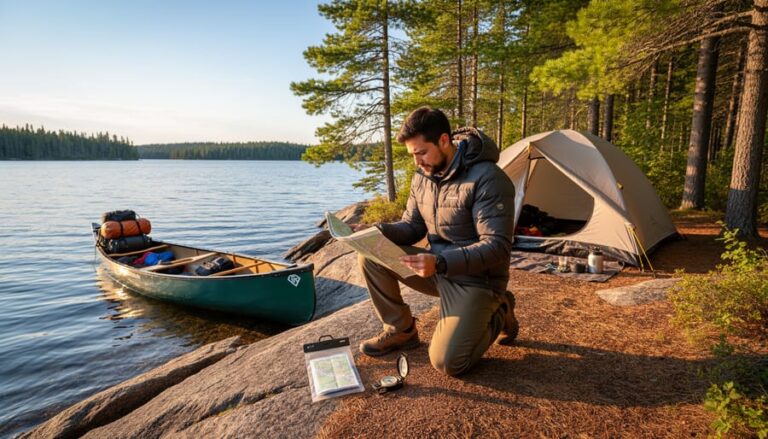
Print physical copies of your permit confirmation and carry them in a waterproof bag, even if the park uses digital systems. Rangers conduct regular backcountry patrols, and you’ll need proof of reservation to avoid fines up to $500. Download offline maps before your trip since cell service vanishes once you hit the trail.
Consider visiting during shoulder seasons—late May or September—when permits are easier to secure and you’ll encounter fewer mosquitoes and crowds. The permit system exists to protect fragile ecosystems from overuse, so respecting your designated campsite and scheduled dates helps preserve these wilderness areas for future adventurers.
Understanding the permit process transforms a potentially stressful booking experience into a straightforward first step toward your backcountry adventure. Once you’ve mastered the reservation system, you can focus on what really matters—planning meals, testing gear, and anticipating that first glimpse of your remote campsite.
Why Ontario Parks Require Backcountry Permits
If you’ve ever wondered why you need to jump through hoops just to pitch a tent in the woods, you’re not alone! But here’s the thing – those backcountry permits you’re booking aren’t just bureaucratic red tape. They’re actually working hard behind the scenes to protect the wild spaces we all love.
Think of permits as a conservation tool rather than a hassle. When Ontario Parks limits the number of campers on any given trail or lake, they’re preventing the kind of overuse that can damage fragile ecosystems. I’ve seen firsthand what happens when too many boots trample the same path – erosion, damaged vegetation, and wildlife that becomes stressed or displaced. By managing visitor numbers, permits help keep these areas genuinely wild.
Here’s an insider tip: the money from your permit fee doesn’t disappear into a black hole. It directly funds trail maintenance, wildlife monitoring programs, and the installation of eco-friendly facilities like composting toilets and bear-proof food lockers. You’re literally investing in the places you love to explore.
Safety is another huge factor. When park staff know exactly who’s out there and where they’re headed, they can respond quickly if someone needs help. That registration information you provide? It could be a lifeline in an emergency situation.
The permit system also creates a better experience for everyone. There’s something magical about paddling into a campsite and having it all to yourself, knowing you won’t be competing with five other groups for the same spot. That sense of solitude and connection with nature is exactly what backcountry camping is all about.
By requiring permits, Ontario Parks ensures these incredible wilderness areas will still be around for your kids and grandkids to enjoy.

How Much Do Backcountry Permits Actually Cost?
Understanding the Fee Structure
Let’s break down what you’ll actually pay when you head into Ontario’s backcountry. Most provincial parks charge a per-person, per-night fee for backcountry camping, and it’s pleasantly affordable compared to frontcountry sites.
At Algonquin Park, expect to pay around $13.50 per person, per night for backcountry camping. You’ll also need a valid vehicle permits (typically $21.50 daily) to access the park, though this can be waived if you’re already staying in the frontcountry. Killarney Provincial Park follows a similar structure with per-person nightly fees hovering around the same range.
Here’s an insider tip: Frontenac Provincial Park often comes in slightly lower, making it an excellent budget-friendly option for beginners. The smaller park size also means shorter portages, which is easier on your wallet and your back.
Additional costs to consider include reservation fees, usually around $12 per booking regardless of party size. If you’re bringing a canoe or kayak, some parks charge a small watercraft permit fee. Groups larger than nine people typically need special permits with adjusted rates.
An eco-friendly money-saving suggestion: consider carpooling to split vehicle permit costs, and if you’re planning multiple trips throughout the season, invest in an annual park pass. It pays for itself after just three or four visits and helps support conservation efforts. Always check the specific park’s website before booking, as fees can vary slightly and some parks offer mid-week or shoulder-season discounts.
Are There Any Fee Exemptions or Discounts?
Good news for budget-conscious adventurers and families! Ontario Parks offers several ways to reduce your backcountry camping costs. If you’re a frequent park visitor, consider investing in an Ontario Parks annual passes. While the pass doesn’t eliminate backcountry permit fees entirely, it does waive the daily vehicle permit charge when you arrive at the park, saving you around $15-$20 per trip. That adds up quickly if you’re planning multiple excursions throughout the season!
Here’s an insider tip: children under six years old camp free and don’t require their own backcountry permit, making family adventures more affordable. Some parks also participate in special free admission days during the year, though these typically apply to day use rather than overnight camping permits.
Keep an eye on the Ontario Parks website and social media channels for occasional promotions, especially during shoulder seasons. Early spring and late fall sometimes feature discounted rates to encourage visitation during quieter periods. From an eco-friendly perspective, camping during these off-peak times also reduces your environmental impact by spreading visitor pressure throughout the year.
The Complete Step-by-Step Booking Process
When to Book (Timing Is Everything)
Here’s my insider secret: the early bird really does get the campsite. Most Ontario parks open their reservation windows exactly five months in advance at 7 a.m., and popular spots like Algonquin’s Canoe Lake routes can fill up within hours. I’ve learned to set my alarm, have my coffee ready, and log in right at opening time for those prime summer weekends.
If you’re flexible with dates, you’ve got a huge advantage. Mid-week departures (Tuesday or Wednesday) face far less competition than Friday starts. Similarly, early June and September offer incredible weather with half the booking pressure compared to July and August. I’ve scored last-minute permits for stunning fall colour trips simply by checking midweek availability.
Here’s another tip: if your dream site is booked, don’t give up. Cancellations happen regularly, especially as trip dates approach. I check availability every few days leading up to my preferred dates, and I’ve snagged permits others released after their plans changed.
For walk-up permits at first-come, first-served parks, arrive before the office opens on weekday mornings. You’ll dramatically improve your chances while everyone else sleeps in. Remember, a little planning and flexibility goes a long way toward securing your backcountry adventure.
What You’ll Need to Complete Your Reservation
Before you jump into booking, gather a few essentials to make your reservation smooth and stress-free. You’ll need basic details like your planned arrival and departure dates, the specific campsite or zone you’re eyeing, and your vehicle’s license plate number if you’re driving to the trailhead.
Most parks limit party sizes to six people per site, though this varies by location, so double-check your destination’s rules. You’ll also need to provide accurate headcounts for both adults and children, as this affects your total cost.
Payment-wise, have a credit or debit card ready. Most reservation systems accept major cards like Visa and Mastercard, making the process quick and easy.
Here’s an insider tip: snap screenshots of your confirmation email and save any reference numbers to your phone before hitting the trail. Cell service disappears fast in the backcountry, and park staff at checkpoints will need to verify your permit. You’ll typically receive a confirmation email with your reservation number, site details, and a permit document to print or save digitally.
Pro eco-friendly suggestion: download your permit to your phone instead of printing to reduce paper waste. Just make sure your device is fully charged before departure, or bring a portable battery pack as backup.
What Your Permit Actually Allows You to Do
Think of your backcountry permit as your personal passport to wilderness adventure, but with some important guidelines to follow. Here’s what you’re actually allowed to do once you’ve got that permit in hand.
First off, your permit designates specific campsites or camping zones where you can pitch your tent. Unlike frontcountry camping where you might have some wiggle room, backcountry permits are typically tied to exact locations. Some parks use a designated campsite system where you’ll camp at numbered sites with established fire rings and tent pads. Others operate on a zone system, giving you more flexibility to choose your spot within a larger area. Always check which system your park uses because setting up camp outside your permitted area can result in fines.
Your permit also locks in your route and itinerary. If you’ve planned a multi-day canoe trip through Algonquin’s interior, for example, you can’t suddenly decide to take a different chain of lakes without potentially bumping into someone else’s reserved campsite. That said, many parks allow same-day route changes if you check in with park staff and alternative sites are available.
Group size restrictions are strictly enforced, usually capping at six to nine people depending on the park. This isn’t just bureaucracy – larger groups create more impact on fragile ecosystems and diminish the wilderness experience for others. Here’s an insider tip: if you have a larger group, consider booking adjacent campsites when available rather than trying to squeeze everyone into one spot.
Length of stay limits typically range from one to fourteen consecutive nights per campsite, preventing any one group from monopolizing popular locations during peak season. Some parks also enforce seasonal quotas, so even if your permit allows seven nights, you might need to move campsites midway through your trip to accommodate these regulations.
Day of Your Trip: Permit Pick-Up and Check-In
The big day is here! Arrive at the park office or visitor center at least 30-60 minutes before you plan to hit the trail. This buffer time is your friend—it allows for parking, locating the right building, and handling any unexpected hiccups without feeling rushed.
Bring your confirmation email or booking number, along with valid photo ID for everyone in your group. Some parks require all permit holders to be present during check-in, so coordinate with your camping companions ahead of time. Don’t forget a credit card if you need to pay any outstanding fees or make last-minute campsite additions.
At the desk, you’ll receive your physical permit—usually a sturdy tag that needs to be displayed at your campsite. Park staff will review important safety information, including current trail conditions, wildlife activity (yes, those bear sightings everyone talks about), weather forecasts, and water source reliability. This briefing is gold—take notes! Ask about any recent trail closures or detours that might affect your route.
Here’s an insider tip: be flexible. If staff suggest an alternative campsite due to weather or maintenance issues, trust their local knowledge. They’re not trying to ruin your plans—they’re keeping you safe and ensuring the best possible experience.
Before leaving, double-check that you understand the park’s waste disposal requirements, campfire regulations, and emergency contact procedures. Many parks now offer eco-friendly bear canisters for rent right at the office—grab one if you haven’t packed your own food protection system.

Backcountry Camping Rules You Need to Follow
Getting your permit is just the first step—now comes the fun part of being a responsible backcountry explorer! Your permit comes with important regulations designed to protect Ontario’s wilderness for generations to come, and honestly, following these rules makes your trip better too.
Leave No Trace principles are the backbone of backcountry etiquette. Pack out everything you pack in, including food scraps and toilet paper. I learned this the hard way on my first trip when I thought orange peels were “biodegradable enough”—they’re not! Camp on durable surfaces at least 30 meters from water sources to prevent erosion and contamination. When nature calls, dig a cathole 15-20 centimeters deep and at least 70 meters from water.
Fire restrictions vary by season and location, so check current conditions before you go. Many Ontario parks now require portable fire pans or stoves only, especially during dry periods. An eco-friendly tip: bring a lightweight camp stove instead of building fires—it’s faster, leaves zero trace, and you won’t smell like smoke all week.
Food storage requirements are non-negotiable bear country rules. Use the bear cables or poles provided at designated sites, or bring an approved bear canister. Never keep food, toiletries, or scented items in your tent. Even that fruity lip balm counts! Hanging food between trees isn’t allowed in most Ontario parks anymore—those bears are smarter than you think.
For wildlife encounters, maintain distance and never feed animals. Store garbage in sealed containers until you can pack it out. A friend once left granola bar wrappers in his backpack pocket—a curious raccoon family redecorated his entire campsite overnight. Learn from his mistake and stay vigilant about every scented item.

Common Permit Questions (From Real Campers)
Let’s tackle those burning questions I hear around the campfire all the time!
Can I get my money back if plans change? Here’s the tough love: Ontario Parks has strict cancellation policies, and refunds are rare. My insider tip? Consider trip cancellation insurance if you’re booking months ahead—it’s saved my bacon more than once.
What about changing dates or routes? You can sometimes modify your reservation if there’s availability, but expect to pay a change fee. Call the park directly rather than struggling with the online system—staff are genuinely helpful and can often work magic.
Can I transfer my permit to a friend? Generally no. Permits are non-transferable, though some parks allow name changes with proper notice. Always check specific park policies.
What if I arrive late or leave early? Most parks have grace periods, but notify staff if you’re running behind. Arriving after dark without warning might mean losing your site to walk-ins.
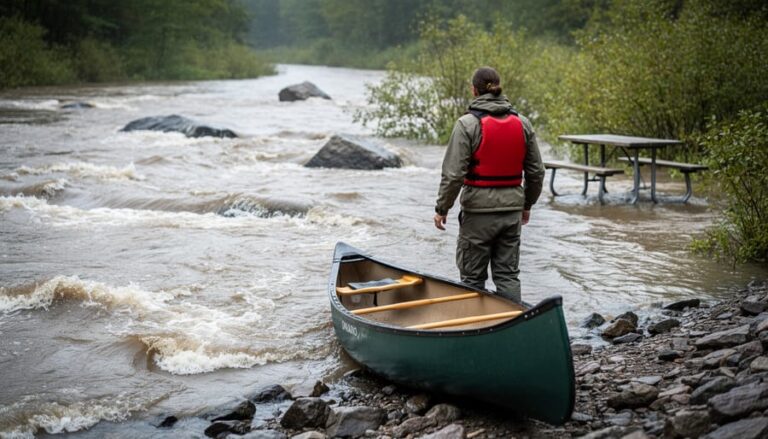
What about weather-related issues? Storms happen, but they rarely qualify for refunds. Pack properly and embrace the adventure—some of my best stories come from weathering unexpected squalls!
In genuine emergencies, contact park staff immediately. They’re trained to handle everything from injuries to forest fires and will work with you on permit concerns once everyone’s safe.
So there you have it—everything you need to know about securing your backcountry camping permit in Ontario. The process really is straightforward once you’ve done it, and trust me, that moment when you paddle away from the access point with nothing but wilderness ahead of you makes every click during the booking process worthwhile.
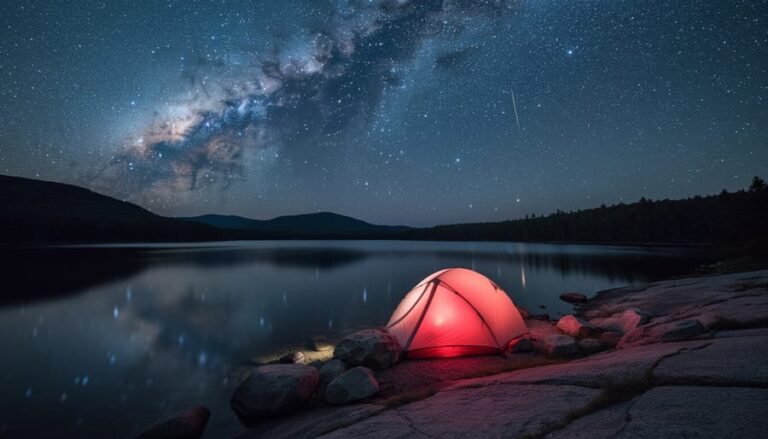
Don’t let permit logistics hold you back from experiencing the magic of backcountry camping. Whether you’re watching the sunrise paint the sky over a glassy lake, listening to loons call across the water, or falling asleep under more stars than you knew existed, these are the moments that stay with you forever. Ontario’s parks are waiting, and they’re absolutely spectacular.
Here’s one final insider tip: while everyone flocks to Algonquin and Killarney (and rightfully so—they’re stunning), consider exploring lesser-known gems like Obabika River Provincial Park or the backcountry areas of Woodland Caribou. You’ll find incredible solitude, pristine landscapes, and often easier permit availability. The wilderness experience is just as profound, sometimes even more so because you might have entire lakes to yourself. Happy trails, and remember to practice Leave No Trace principles wherever your adventure takes you!



+ There are no comments
Add yours