
Native rehabilitation programs across Ontario are revolutionizing how we protect and restore our wild habitats through innovative, community-driven initiatives. From healing injured wildlife to rebuilding damaged ecosystems, these programs serve as vital bridges between human development and natural preservation. Local volunteers, indigenous knowledge keepers, and conservation experts work together daily to nurse injured animals back to health, restore native plant species, and maintain the delicate balance of Ontario’s diverse ecosystems. Whether you’re a concerned citizen, nature enthusiast, or aspiring conservationist, these programs offer unique opportunities to make a tangible difference in your community while learning invaluable skills from experienced rehabilitators. By combining traditional ecological knowledge with modern conservation techniques, these initiatives not only save individual animals but also strengthen the resilience of entire ecosystems for future generations.
Current Native Species Recovery Projects
Woodland Caribou Recovery
The woodland caribou, an iconic symbol of Ontario’s northern wilderness, faces significant challenges in our changing landscape. Through dedicated recovery efforts, conservation teams are working tirelessly to protect these magnificent creatures and their habitat. Key initiatives include establishing protected areas in the Far North, implementing careful forest management practices, and monitoring caribou movements using GPS collars.
One of the most successful approaches has been the creation of caribou nursery areas, where mothers can safely raise their calves away from predators. These sanctuary spaces, carefully selected based on historical caribou patterns, provide the perfect mix of lichen-rich forests and undisturbed terrain that caribou need to thrive.
Local communities and Indigenous partners play a crucial role in these recovery efforts, sharing traditional knowledge that helps guide conservation strategies. Visitors can support caribou recovery by staying on marked trails, maintaining distance from any caribou they encounter, and participating in citizen science programs that help track caribou populations.
Recent monitoring shows promising results, with several herds showing signs of stability in protected areas. However, continued support and vigilance are essential for ensuring these magnificent animals remain a part of Ontario’s natural heritage for generations to come.

Peregrine Falcon Rehabilitation
One of Ontario’s most remarkable wildlife conservation success stories is the recovery of the Peregrine Falcon population. In the 1960s, these magnificent birds were nearly extinct in Ontario due to DDT pesticide use. Through dedicated rehabilitation efforts, careful monitoring, and the ban of harmful pesticides, these incredible raptors have made an astounding comeback.
Local rehabilitation centers, working alongside Ontario Parks, have played a crucial role in this recovery. They’ve successfully treated and released injured falcons, monitored nesting sites, and educated the public about these amazing birds. Today, you can spot Peregrine Falcons soaring above urban areas and cliff faces throughout the province, particularly along the Niagara Escarpment.
The success of this program has inspired similar initiatives across North America. Visitors can now participate in falcon watching programs, where trained naturalists share fascinating insights about these remarkable birds. Keep an eye out for special events during migration seasons, when you might catch sight of these aerial acrobats reaching speeds of up to 390 kilometers per hour during their spectacular hunting dives!
Native Plant Restoration
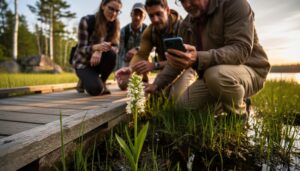
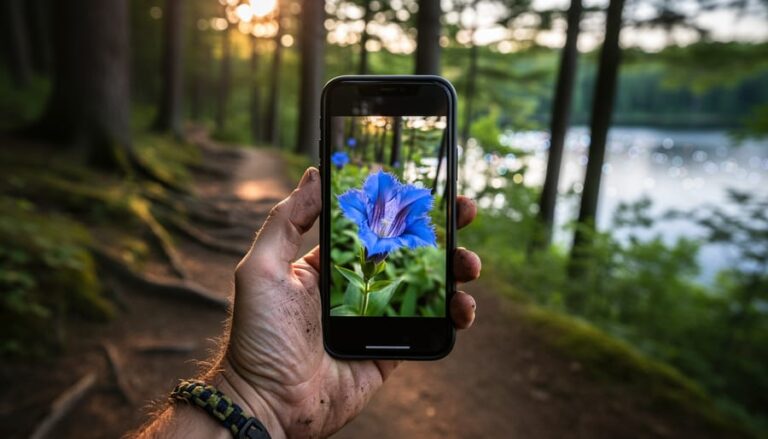
Ontario’s parks are making incredible strides in bringing back our native plant species, one seedling at a time. Park naturalists work tirelessly to reintroduce indigenous plants like the striking cardinal flower, hardy Canada wild rye, and delicate trilliums to their natural habitats. These restoration efforts not only beautify our parks but also provide essential food and shelter for local wildlife.
Visitors can spot restoration areas marked by small signs throughout various parks, where teams carefully nurture young plants and remove invasive species. Many parks offer seasonal volunteer opportunities where you can help plant native species or collect seeds for future restoration projects. It’s amazing to see how these replanted areas transform over time, gradually returning to their natural state and creating resilient ecosystems that will thrive for generations to come.
Want to support native plant restoration? Consider joining a planting day or starting your own native garden at home using locally sourced plants!
Behind the Scenes: How Rehabilitation Works

Wildlife Health Assessment
When an injured or distressed animal arrives at a rehabilitation center, a thorough health assessment begins immediately. Wildlife specialists start with careful observation, noting the animal’s behavior, movement patterns, and visible injuries without causing additional stress. This hands-off approach allows them to gauge the severity of the situation before direct intervention.
Once it’s safe to proceed, rehabilitators conduct a detailed physical examination, checking vital signs, body condition, and searching for less obvious injuries or illnesses. They use specialized equipment like thermal cameras to detect inflammation and portable x-ray machines to identify fractures or internal issues. Each animal receives a unique treatment plan based on their specific needs.
Daily monitoring is essential throughout the rehabilitation process. Staff track feeding patterns, weight changes, and recovery progress using detailed charts and photographs. Blood tests and other diagnostic procedures help ensure the animal is responding well to treatment and isn’t developing secondary complications.
One of the most crucial aspects of wildlife health assessment is maintaining a stress-free environment. Rehabilitation centers use specially designed enclosures that minimize human contact while allowing staff to observe and treat animals effectively. They also employ enrichment activities that help maintain natural behaviors and prevent the animals from becoming too accustomed to human presence.
Before release, animals undergo a final health check to confirm they’ve regained their strength and can survive independently in the wild. This includes testing their mobility, hunting or foraging abilities, and ensuring they maintain an appropriate fear of humans – all essential factors for successful reintegration into their natural habitat.
Habitat Restoration
When it comes to rebuilding natural environments in Ontario, our parks and conservation areas use a fascinating mix of traditional wisdom and modern science. Picture dedicated teams carefully removing invasive species by hand while using satellite mapping to track restoration progress – it’s truly a blend of old and new approaches working together.
A key technique you’ll spot in action is the reintroduction of native plants. Teams collect local seeds, nurture them in greenhouses, and strategically replant them in areas that need healing. This process might look simple, but it’s actually carefully orchestrated to match the right plants with the right soil conditions and seasons.
Water management plays a huge role too. By redirecting water flow and creating natural barriers, restoration teams help prevent erosion while maintaining crucial wetland areas. You might notice these efforts in action through newly constructed ponds or strategically placed logs and rocks in streams.
One of the most heartening aspects is the focus on wildlife corridors. These are specially designed pathways that connect fragmented habitats, allowing animals to move safely between protected areas. Next time you’re hiking, keep an eye out for these natural highways – they might look like simple undergrowth, but they’re actually vital links in our ecosystem.
Controlled burns, while seemingly destructive, are another essential tool in the restoration toolkit. These carefully managed fires actually help certain native species thrive and maintain healthy forest conditions. Don’t worry though – these are always conducted by experts with plenty of advance notice to park visitors!
Best of all, many parks offer volunteer opportunities where you can help with these restoration efforts. It’s a fantastic way to learn about our local ecosystems while making a real difference.
Visitor Experiences and Education
Educational Programs
Discover the wonders of wildlife rehabilitation through our engaging conservation education programs designed for all ages and interests. Whether you’re a curious student, nature enthusiast, or someone looking to make a difference, our programs offer unique hands-on learning experiences.
Our popular “Wildlife Warriors” workshop introduces participants to basic rehabilitation techniques, animal behavior, and habitat conservation. You’ll learn directly from experienced rehabilitators who share real-world stories and practical insights about helping injured or orphaned wildlife.
For families, our “Junior Naturalist” program offers interactive sessions where children can learn about local species, their habitats, and simple ways to protect wildlife. Weekend workshops include activities like building bird houses, identifying animal tracks, and understanding the importance of maintaining natural ecosystems.
Photography enthusiasts will love our “Lens on Wildlife” sessions, where you’ll learn to capture stunning images of rehabilitated animals while respecting their space and natural behaviors. These workshops also cover the ethics of wildlife photography and best practices for responsible nature documentation.
Want to get more involved? Our volunteer orientation program provides comprehensive training for those interested in supporting our rehabilitation efforts. You’ll learn essential skills like proper handling techniques, feeding protocols, and how to assist in daily care routines.
Pro tip: Book your educational sessions at least two weeks in advance, as programs often fill up quickly, especially during summer months!

Responsible Wildlife Viewing
When visiting rehabilitated wildlife, it’s crucial to follow responsible wildlife viewing practices to ensure both your safety and the animals’ wellbeing. Keep a respectful distance of at least 50 meters from most species, and never attempt to feed or touch the animals, even if they appear friendly. This helps maintain their natural behaviors and prevents them from becoming dependent on humans.
Use binoculars or a zoom lens for better viewing while staying at a safe distance. Dawn and dusk are typically the best times to observe wildlife, but remember to speak quietly and move slowly to avoid startling the animals. Wearing earth-toned clothing can help you blend in with the environment and increase your chances of successful wildlife viewing.
If you’re lucky enough to spot a recently rehabilitated animal, resist the urge to approach it. These creatures are still adjusting to life back in the wild and need space to rebuild their confidence. Always stay on marked trails and viewing platforms – this protects both the wildlife and their habitat.
Remember that rehabilitation success depends on minimal human interference. If you notice an animal showing signs of stress, such as stopping normal activities or moving away, that’s your cue to step back. By respecting these guidelines, you’re contributing to the long-term success of Ontario’s wildlife rehabilitation efforts.
How You Can Help
There are plenty of meaningful ways you can support Ontario’s native wildlife rehabilitation efforts, whether you have a little time or a lot to give. One of the most direct ways to help is by volunteering at a rehabilitation center. Many facilities welcome dedicated volunteers to assist with feeding animals, cleaning enclosures, and maintaining the grounds. Even a few hours a week can make a huge difference!
If you can’t commit to regular volunteering, consider making a one-time or monthly donation. Rehabilitation centers rely heavily on public support to cover food, medical supplies, and facility maintenance costs. Every donation, no matter how small, helps provide care for injured and orphaned wildlife.
You can also help by becoming a wildlife sponsor. Many centers offer programs where you can “adopt” an animal, receiving updates about their recovery journey while your contribution supports their care. It’s a wonderful way to create a personal connection with wildlife conservation.
For those who love to shop, many rehabilitation centers have gift shops or online stores where proceeds directly support their programs. From t-shirts to stuffed animals, these purchases help fund essential care while spreading awareness about wildlife conservation.
Perhaps the most important way to help is by being a responsible visitor when enjoying Ontario’s natural spaces. Keep your distance from wildlife, properly dispose of trash, and never feed wild animals. If you spot an injured animal, contact the nearest rehabilitation center rather than attempting to help it yourself.
You can also become an ambassador for wildlife by sharing your knowledge with friends and family. Follow local rehabilitation centers on social media, share their posts, and help spread the word about their important work. The more people who understand and support these programs, the better chance our native wildlife has of thriving.
Remember, every action counts when it comes to protecting Ontario’s wildlife. Whether you’re volunteering, donating, or simply being a mindful visitor, you’re contributing to the vital work of wildlife rehabilitation.
Native rehabilitation programs in Ontario’s parks and wildlife centers represent a vital bridge between our communities and the natural world. These programs not only help injured and orphaned wildlife return to their natural habitats but also play a crucial role in educating the public about conservation and environmental stewardship.
As we look to the future, these programs are becoming increasingly important in the face of climate change, habitat loss, and human-wildlife conflicts. The success stories we’ve seen – from rehabilitated raptors soaring once again to rescued turtles returning to their wetland homes – demonstrate the remarkable impact these initiatives have on preserving Ontario’s biodiversity.
The growing public interest in wildlife conservation is encouraging, with more volunteers stepping forward and donations supporting these essential programs. Looking ahead, rehabilitation centers are expanding their facilities, implementing new treatment techniques, and strengthening their educational outreach. Many are also incorporating indigenous knowledge and traditional practices, creating more holistic approaches to wildlife care.
You can make a difference by supporting these programs through volunteering, donations, or simply spreading awareness about their important work. Remember, every successful rehabilitation story contributes to maintaining the delicate balance of Ontario’s ecosystems for future generations to enjoy. Whether you’re a local resident or a visitor to our province, these programs offer unique opportunities to connect with and protect our precious wildlife heritage.





+ There are no comments
Add yours