
Transform your high school curriculum requirements into unforgettable outdoor learning experiences by mapping Ontario’s provincial park programs directly to your course expectations. Science teachers can fulfill biology standards through wetland ecology programs where students identify species, collect water samples, and analyze ecosystem health in real time. Geography classes align perfectly with geological interpretation hikes that bring textbook concepts about glaciation, rock formations, and watershed management into three-dimensional reality.
Connect with park naturalists six to eight weeks before your planned visit to customize programs that match your specific curriculum outcomes, whether that’s Indigenous history for social studies, environmental chemistry for sciences, or landscape sketching for arts programs. Most parks offer complimentary educator preview visits, allowing you to walk the trails, meet staff, and ensure the experience delivers exactly what your students need to achieve their learning goals.
Budget between fifteen and thirty dollars per student for guided programs, though many parks waive fees for curriculum-connected visits when booked during shoulder seasons. Request detailed program outlines that list specific curriculum expectations addressed, assessment suggestions, and pre-visit preparation materials that help students arrive ready to engage deeply with the content.
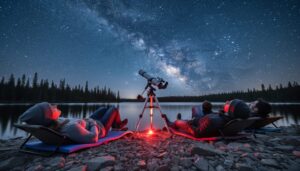
Consider multi-day residency programs at parks with group camping facilities, where students participate in dawn bird surveys, nighttime astronomy sessions, and full-day field studies that create lasting memories while fulfilling multiple course requirements across disciplines. These immersive experiences consistently produce higher engagement and retention than classroom-based learning alone.
Why High School Teachers Are Choosing Parks Over Classrooms
Picture this: a biology teacher trading in the fluorescent-lit classroom for a sun-dappled forest, where students can actually touch the ecosystem they’re studying. It’s happening more often than you might think, and the results are pretty remarkable.
Across Ontario, high school teachers are discovering that parks aren’t just for field trips anymore—they’re becoming genuine extensions of the classroom. “My students remembered more from one day exploring wetland habitats than they did from three weeks of textbook study,” shares Jennifer Matthews, a Grade 11 biology teacher from Burlington. “There’s something about getting your hands muddy while collecting water samples that just clicks.”
The shift toward interactive outdoor programs makes perfect sense when you look at the numbers. Studies show students retain up to 75% more information through hands-on experiences compared to traditional lectures. But it’s not just about memory—it’s about connection.
“When students map hiking trails, they’re doing real math that matters,” explains David Chen, who teaches Grade 10 geography. “They’re using GPS coordinates, calculating elevation changes, and understanding why communities developed where they did. It’s curriculum that breathes.”
The environmental connection runs even deeper. Students who learn in natural settings develop stronger relationships with their local landscapes. They’re not just studying watersheds—they’re standing in them, understanding how their own actions impact the places they’ll inherit.
Teachers also appreciate the flexibility. Many park programs can be adapted across subjects, from creative writing inspired by forest sounds to physics experiments with natural materials. Plus, there’s an unexpected bonus: students who struggle with traditional classroom settings often thrive outdoors, finding focus and confidence among the trees.
The transformation is genuine, measurable, and increasingly impossible to ignore.

Subject-Specific Programs That Match Your Curriculum
Science Comes Alive: Biology, Chemistry, and Environmental Studies
Forget textbook diagrams—Ontario’s parks transform science into something students can touch, test, and actually experience. During ecology park workshops, high school students become field scientists, conducting real investigations that check off multiple curriculum boxes while getting their hands dirty.
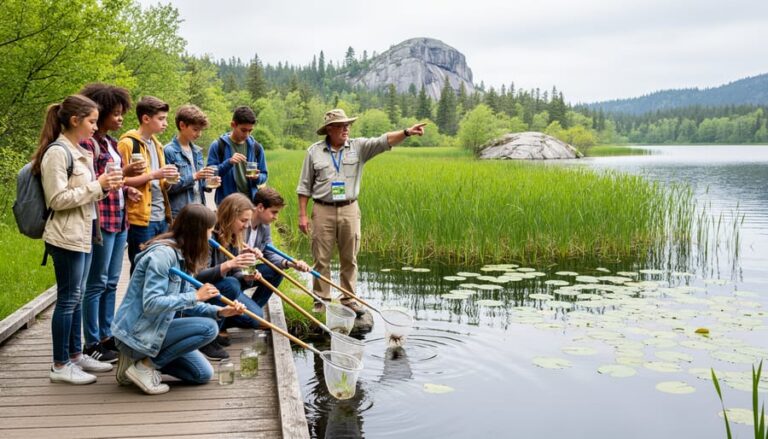
In biology-focused sessions, students don’t just read about ecosystems—they map them. Picture your class wading into wetlands with hip waders, collecting macroinvertebrates, and using dichotomous keys for species identification. These tiny creatures tell the story of water quality better than any lab equipment. Students learn sampling techniques, create biodiversity inventories, and understand how indicator species reveal environmental health. One teacher told me her students remembered every organism they found that day, months later—something that never happened with textbook memorization.
Chemistry comes alive through water testing workshops where students analyze pH levels, dissolved oxygen, turbidity, and nutrient content from actual lakes and streams. They’re not following cookbook lab instructions; they’re gathering data that matters, comparing results across different sites, and drawing conclusions about human impact on aquatic systems.
Environmental studies programs tackle climate science head-on. Students examine tree cores to study growth patterns related to historical climate data, investigate how invasive species alter native ecosystems, and explore geological formations that tell stories spanning thousands of years. Rock identification becomes a detective game when students understand what those layers reveal about Ontario’s ancient past.
The insider tip? Schedule these programs during shoulder seasons (May or September) when parks are less crowded, giving your students more personalized attention from naturalists and better access to prime study sites along shorelines and trails.
Geography and Earth Sciences in the Field
Ontario’s provincial parks transform abstract geography concepts into hands-on learning adventures that’ll have your students actually excited about contour lines and geological time scales. Instead of staring at textbook diagrams, they’ll be reading real topographic maps while hiking actual terrain, connecting those squiggly elevation lines to the slopes beneath their feet.
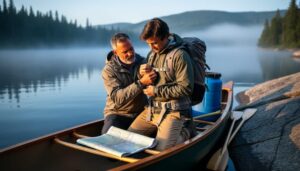
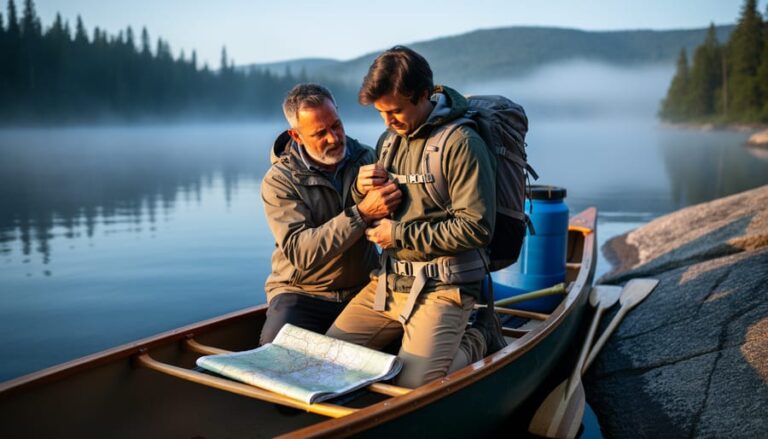
Many park programs offer orienteering challenges where students navigate using compasses and maps, developing spatial reasoning skills that go far beyond the classroom. At parks like Killarney and Algonquin, students can examine billion-year-old Canadian Shield rock formations up close, tracing glacial striations with their fingers and understanding how ice sheets carved our landscape. It’s one thing to memorize that Ontario was under glaciers during the last ice age—it’s entirely another to stand in a glacially-carved valley and see the evidence yourself.
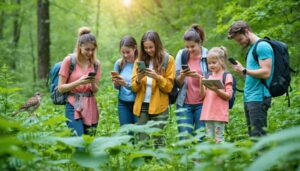
Human-environment interaction comes alive through land use studies. Students might compare historical Indigenous land management with current conservation practices, or analyze how recreational development impacts ecosystems. GPS mapping activities let tech-savvy teens use modern tools to create their own digital maps, tracking trail systems or documenting wildlife habitats.
Insider tip: bring waterproof notebooks for field journaling—students can sketch geological formations, record coordinates, and document observations that become valuable study materials back home. These outdoor sessions naturally integrate multiple curriculum expectations while giving students memorable experiences that actually stick. Who knew meeting graduation requirements could involve this much fresh air?

History and Indigenous Studies Through the Landscape
Ontario’s parks are outdoor classrooms where stones, trees, and waterways hold centuries of human stories. Your students can explore how Indigenous peoples have shaped and been shaped by these lands for thousands of years, learning directly from knowledge keepers and educators who share traditional teachings about sustainable living and deep connections to place.
Many parks offer cultural heritage workshops that meet curriculum expectations while fostering respectful understanding of diverse perspectives. Students might examine archaeological sites, interpret historical artifacts, or learn about traditional plant uses and seasonal migration patterns. These experiences teach critical thinking as learners question whose stories are told and how landscapes preserve memory.
Insider tip: Before your visit, connect with park educators about incorporating Indigenous methodologies like land-based learning and storytelling circles. Many programs include protocols for respectful engagement, teaching students how to approach cultural knowledge with humility.
Walking historic portage routes or examining old-growth forests that witnessed fur trade activity transforms textbook lessons into tangible experiences. Students discover how geography influenced settlement patterns, why certain locations held strategic importance, and how environmental changes reveal human impact over time. This approach naturally integrates multiple subjects while building environmental citizenship and cultural awareness that extends far beyond graduation.
Physical Education and Outdoor Recreation Credits
Getting students moving outdoors isn’t just about ticking off phys-ed credits—it’s about transforming how they see themselves and their capabilities. Ontario’s parks offer programs where canoeing across sparkling lakes builds upper body strength while teaching rhythm and coordination. Students who’ve never pitched a tent discover they’re actually pretty handy with guy-lines and ground sheets, boosting confidence through practical skills.
Hiking programs naturally incorporate cardiovascular fitness, but here’s an insider tip: look for trails with varied terrain where students navigate roots and rocks, developing balance and spatial awareness without even realizing they’re exercising. Leadership modules often pair older students with younger ones, fostering mentorship while they learn group safety protocols and decision-making in real-world settings.
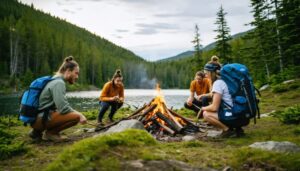
The teamwork component runs deeper than typical gym class activities. When your group needs to portage canoes or set up a weather-resistant campsite before dark, everyone contributes their strengths. That student who struggles in traditional sports might become the fire-building expert or the one who spots the perfect lunch spot. These outdoor credits meet ministry requirements while creating capable, confident young people who’ve discovered abilities they didn’t know they had.

Planning Your School Trip: What You Need to Know
Insider Tips for a Smooth Experience
Timing your visit can make all the difference in creating a memorable learning experience. Book programs for weekday mornings during shoulder seasons—late April to early June or September to October—when trails are quieter and wildlife more active. You’ll have better access to park staff and more elbow room for hands-on activities.
Pack smart for the day: reusable water bottles for every student, weather-appropriate layers (Ontario’s microclimates can surprise you!), sturdy closed-toe shoes, and clipboards with recycled paper for field notes. A small first-aid kit and hand sanitizer are essentials. Encourage students to bring their own trash bags—leaving no trace teaches environmental responsibility while minimizing your group’s impact.
Before the trip, share learning objectives with students so they arrive curious and engaged. Review basic outdoor etiquette: staying on marked trails, respecting wildlife by observing from a distance, and using quiet voices near sensitive habitats. Consider dividing larger groups into smaller teams to reduce congestion and enhance the intimate learning experience.
Maximize educational value by connecting program content to upcoming classroom units. Many educators use pre-visit worksheets and follow-up projects that deepen understanding. Don’t forget to capture photos for future presentations—just ensure parent permissions are secured beforehand.
Making It Affordable
Here’s the good news: accessing quality youth outdoor education programs doesn’t have to drain your school budget. Many Ontario parks offer subsidized rates for Title I schools or those serving economically diverse communities. Start by connecting with your local conservation authority—they often have education grants specifically earmarked for field trips and curriculum-based programs.
School councils and parent associations can be fantastic fundraising partners. We’ve seen creative approaches work wonders: cookie sales, community fun runs, and even partnerships with local businesses eager to support environmental education. Some parks also offer “pay-what-you-can” days or waive fees entirely for schools demonstrating financial need.
Don’t overlook government funding opportunities through the Ministry of Education’s Experiential Learning grants or EcoSchools Ontario initiatives. Many parks can help you navigate the application process—just ask when you’re booking.
Pro tip: Bundle your visit with other schools to share transportation costs, or consider shorter half-day programs if full-day experiences stretch your budget too thin. The educational value remains incredibly high, and your students still get that transformative outdoor experience that brings textbooks to life.
Top Ontario Parks for High School Programs
Ontario’s provincial parks offer incredible learning laboratories, and several stand out for their exceptional high school programming. Here’s where your students will get the most bang for their educational buck.
Frontenac Provincial Park leads the pack for science-focused programs. Its complex ecosystem of lakes, granite ridges, and mixed forests makes it perfect for biology and environmental science studies. Students can examine aquatic ecosystems up close, study geological formations dating back millions of years, and observe wildlife in their natural habitats. The park’s biodiversity is remarkable—you might spot everything from painted turtles to black bears, giving students real-world examples of concepts they’ve only seen in textbooks.
Algonquin Provincial Park offers outstanding programs for geography and earth sciences. The park’s massive size means diverse ecosystems to explore, and their expert-led programs dive deep into topics like forest succession, watershed management, and climate adaptation. Insider tip: book their wolf howling experience for an unforgettable lesson in predator-prey relationships and conservation challenges.
For Canadian history and Indigenous studies, Petroglyphs Provincial Park is unmatched. Students can view ancient rock carvings while learning about Anishinaabe culture and traditions from knowledgeable interpreters who bring these stories to life in meaningful ways.
Killarney Provincial Park shines for visual arts programs, with its famous white quartzite ridges and crystal-blue lakes inspiring countless paintings by the Group of Seven. Students can sketch landscapes while learning about how art shapes our understanding of place and identity.
Charleston Lake Provincial Park offers excellent multi-subject programs at a smaller, more intimate scale—perfect for schools wanting personalized attention and easier logistics for their first outdoor education experience.
Taking your students into Ontario’s parks isn’t just another field trip—it’s an investment in their future that ripples far beyond graduation day. These outdoor classrooms spark curiosity, build confidence, and create those breakthrough moments that students carry with them for life. The connections they make with nature often become catalysts for career paths, environmental stewardship, and a lifelong love of learning that no textbook can replicate.
Ready to bring your curriculum to life? Booking a program is simpler than you might think, and park staff are eager to help customize experiences that fit your teaching goals and schedule. Whether you’re planning a single-day adventure or a multi-day immersive experience, the impact on your students will be undeniable.
I’ll never forget watching a quiet student who struggled in traditional classroom settings absolutely light up while identifying rock formations at a provincial park. By the end of the day, she was leading her peers through geological explanations with confidence I’d never seen before. That transformation—from hesitant to empowered—is what outdoor education does best. Your students are ready for their own breakthrough moments. Give them the chance to discover what they’re capable of beyond four walls.


+ There are no comments
Add yours