

Every time you spot a monarch butterfly fluttering through a meadow or hear a chorus of spring peepers near a wetland, you’re witnessing something worth documenting. You’re not just a visitor in Ontario’s parks—you’re a potential scientist, a guardian of natural spaces, and part of a growing movement of engaged citizens who are transforming how we understand and protect our environment.
Engaged citizenship in parks isn’t about attending meetings or signing petitions. It’s about pulling out your phone to photograph that unusual mushroom on the trail, recording the date you first heard wood frogs calling, or counting how many turtles you see basking on a log. These simple observations, when collected by hundreds or thousands of people like you, create powerful datasets that help researchers track wildlife populations, monitor ecosystem health, and respond to environmental changes in real time.
Right now, park ecologists are making critical decisions about habitat restoration, invasive species management, and conservation priorities—and they need your eyes on the ground. Whether you visit parks every weekend or once a year, whether you can identify every bird by its call or you’re just beginning to notice the natural world around you, your observations matter. The question isn’t whether you’re qualified to participate. It’s whether you’re ready to see your park visits as something more: as contributions to science, as acts of environmental stewardship, and as your personal stake in protecting Ontario’s wild spaces for generations to come.
What Does It Mean to Be an Engaged Citizen in Ontario Parks?
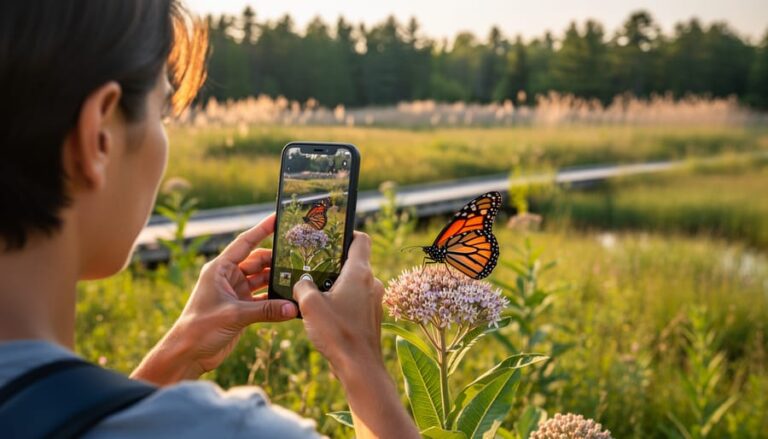
Picture this: you’re hiking through a sun-dappled trail in one of Ontario’s stunning provincial parks when you spot an unusual butterfly you’ve never seen before. Most visitors might snap a quick photo and move on. But as an engaged citizen, you pause, record what you’ve observed, and contribute that information to help scientists track species populations and migration patterns. That small action transforms you from a spectator into a vital part of conservation efforts.
Being an engaged citizen in Ontario Parks means shifting from simply enjoying nature to actively participating in its protection and study. It’s about recognizing that your observations, no matter how small they seem, hold real scientific value. Every plant you identify, every bird call you record, and every water quality reading you submit helps build a clearer picture of our province’s ecological health.
Here’s the beautiful thing: you don’t need a biology degree or fancy equipment to get started. Engaged citizenship meets you wherever you are. Maybe you’re sharing wildlife sightings through a smartphone app during your morning walk, or perhaps you’re joining volunteer opportunities to monitor turtle nesting sites on weekends. Some engaged citizens commit hours each week, while others contribute observations whenever their schedule allows.
The key difference lies in intention. Passive park enjoyment is wonderful—there’s absolutely nothing wrong with simply soaking in nature’s beauty. But active engagement adds another layer of meaning to your outdoor experiences. You become part of something bigger, connecting your personal adventures to broader conservation goals that protect these wild spaces for future generations.

The Real Impact: Why Your Observations Matter
Species at Risk: Eyes on the Ground
You don’t need a biology degree to become a guardian for Ontario’s most vulnerable wildlife. Across the province, everyday park visitors are becoming crucial allies in protecting species at risk simply by keeping their eyes open and reporting what they see.
Programs like the Ontario Reptile and Amphibian Atlas transform casual hikers into conservation heroes. Spotted a Blanding’s turtle crossing a trail? Heard the distinctive call of a Whip-poor-will at dusk? These observations, when logged through iNaturalist or Ontario Parks’ reporting systems, help scientists track population trends and identify critical habitats needing protection.
Here’s an insider tip: download species identification apps before your visit. They make reporting quick and accurate, even for beginners. Many programs provide field guides specific to Ontario Parks, so you’ll know exactly what to watch for during different seasons.
The impact is real. Citizen reports have helped identify previously unknown populations of endangered Five-lined Skinks and Eastern Foxsnakes, directly influencing habitat management decisions. Some parks even host special “bio-blitz” events where volunteers work alongside experts to document as many species as possible in 24 hours.
Remember, observation doesn’t mean interaction. Keep a respectful distance, never disturb nests or basking sites, and always stay on designated trails. Your watchful eyes combined with mindful behaviour create the perfect recipe for species protection.
Climate Change Monitoring from the Trail
Have you noticed the trilliums blooming earlier each spring, or wondered why certain birds seem to arrive at different times than they used to? You’re observing phenology—nature’s calendar—and your observations are actually valuable scientific data.
Citizen scientists across Ontario’s parks are becoming climate change detectives, tracking these seasonal shifts through simple but powerful observations. When you note the first maple leaf turning red, spot migrating monarch butterflies, or record ice-out dates on lakes, you’re contributing to a growing database that helps researchers understand how our environment is changing.
Programs like Nature’s Notebook make it easy to document what you see during your regular hikes. Simply download the app, choose a few species to monitor, and record when you observe flowering, leafing, or wildlife activity. Many parks now have designated phenology trails where you can follow the same route seasonally, watching patterns unfold.
Here’s an insider tip: photographing the same scenic viewpoint throughout the year creates a visual timeline of change. Tag your location and date, and share with park naturalists who compile these community observations.
The beauty of this citizen science? It fits perfectly into activities you’re already doing. Whether you’re an avid hiker or casual weekend visitor, your eyes on the trail multiply scientific understanding exponentially. Every observation matters, creating a collective picture of our changing climate that no single researcher could capture alone.
Getting Started: Your First Steps as a Citizen Scientist
Popular Citizen Science Programs in Ontario Parks
Ontario Parks offers several fantastic citizen science programs that welcome nature enthusiasts of all experience levels. The beauty of these initiatives is that you don’t need a biology degree to make meaningful contributions—just curiosity and a smartphone.
iNaturalist stands out as the perfect starting point for beginners. This free app turns every hike into a discovery mission. Simply snap photos of plants, insects, birds, or fungi you encounter, and the app’s AI suggests identifications while connecting you with a community of experts who can confirm your findings. I’ve found that even my blurry mushroom photos have sparked helpful conversations with mycologists across the province.
eBird appeals to bird lovers and is surprisingly addictive once you start. Recording the species you spot during your park visits contributes to a massive global database that tracks migration patterns and population trends. The app even shows you what other birders have recently seen in your area—an insider tip that’s helped me locate rare species more than once.
FrogWatch Ontario offers a unique evening adventure. Spring and summer nights become interactive as you listen for frog and toad calls near wetlands. The program provides audio guides so you can distinguish a spring peeper from a chorus frog, making it accessible even if you’ve never paid attention to amphibians before.
Many individual parks also run specialized monitoring projects, from tracking butterfly migrations to documenting rare orchids. Check with park staff when you arrive—they’re always excited to share current initiatives and might even lend you specialized equipment.
Essential Tools You Already Have
You probably have everything you need right in your pocket or backpack. Your smartphone is your most powerful tool—it’s your camera, GPS, data recorder, and field guide all rolled into one. Download apps like iNaturalist or eBird before you hit the trails (pro tip: do this at home on WiFi to save data and battery life). A small notebook and pencil make excellent low-tech backups when you want to minimize screen time or conserve battery.
If you’re keen on reducing your digital footprint, consider a rechargeable portable charger powered by solar panels for longer excursions. Traditional paper field guides are wonderful alternatives to apps—they never need charging, work in any weather, and many Ontario libraries lend them out for free. Binoculars aren’t essential but transform birdwatching experiences; check local outdoor groups for equipment swaps or rentals.
Already carrying a water bottle and reusable snack containers? Perfect. Citizen science works best when you’re comfortable and prepared for a few hours outdoors. The key is starting with what you have rather than buying specialized gear. Most observations happen during regular park visits, not expedition-style adventures.
Stories from the Field: Ontario’s Engaged Citizens in Action
Meet the Johnsons, a busy Toronto family who stumbled into citizen science quite by accident. During a camping trip to Killarney Provincial Park last summer, their nine-year-old daughter spotted a bright orange salamander near their campsite. “We had no idea what it was,” laughs Sarah Johnson, “so we downloaded iNaturalist right there and then.” That single observation sparked a family obsession. Now, every park visit becomes a treasure hunt for species to document. “The kids actually want to go hiking now,” Sarah says. “They’re racing to see who can identify the most species.”
Then there’s Malcolm Chen, a recently retired engineer from Ottawa who traded spreadsheets for field notebooks. After attending a moth monitoring workshop at Presqu’ile Provincial Park, he discovered a passion he never knew existed. “I was always someone who thought nature was just a nice backdrop,” Malcolm admits. “Now I understand I’m helping track real environmental changes.” He’s logged over 500 observations in his first year alone, even discovering a moth species previously unrecorded in his region.
At the other end of the spectrum, university student Aisha Patel treats citizen science as both study break and resume builder. Between classes, she photographs pollinators at local parks near Kingston. “It’s like meditation, but productive,” she explains. “Plus, I’m building a portfolio of environmental work that’ll help my career applications.” Her observations have contributed to pollinator health studies across Eastern Ontario.
What strikes you about these stories is their ordinariness. These aren’t professional scientists or hardcore naturalists—they’re people who found their entry point and discovered something meaningful. Whether you’ve got fifteen minutes or a full afternoon, whether you’re eight or eighty, there’s a way to contribute. The barrier to entry is simply curiosity and a willingness to look a little closer at the world around you. That salamander, that moth, that bee—they’re all waiting for someone to notice them.
Making It Part of Your Park Experience

Citizen Science Activities for Families and Kids
Getting kids involved in citizen science transforms ordinary park visits into thrilling discovery missions. Start simple: hand your child a nature journal and ask them to sketch what they see—a mushroom, bird tracks in mud, or interesting leaves. These observations can later be uploaded to iNaturalist, where experts help identify species and add data to global research databases.
Younger children love scavenger hunts with purpose. Create a checklist of creatures to spot, then photograph your finds together. Apps like eBird make recording bird sightings feel like collecting digital trading cards, and kids take pride knowing real scientists use their contributions.
Many Ontario parks offer structured programs that make participation even easier. The Junior Park Ranger Programs guide children through activities like monitoring wildlife, testing water quality, and documenting plant species—all while earning badges and certificates.
Insider tip: bring a magnifying glass and small containers for close-up observations. Let kids lead the exploration pace, following their curiosity rather than rushing through trails. When they discover a salamander under a log or notice monarch butterflies clustering on milkweed, you’re nurturing both scientific thinking and environmental stewardship that lasts a lifetime.
Solo Adventures with Purpose
You don’t need a group to make a difference. Some of my most rewarding citizen science moments have happened during quiet solo hikes when I spotted something worth documenting. Start simple: download the iNaturalist app before your next park visit and photograph interesting plants, insects, or wildlife you encounter. Each observation you upload helps researchers map species distribution across Ontario.
Insider tip: early morning walks offer the best lighting for photography and more active wildlife. I’ve found that spending just ten minutes at a trailhead identifying and recording species feels meditative rather than like work. Consider adopting a specific trail and visiting seasonally to track changes over time. Your repeated observations from the same location become especially valuable for detecting ecological shifts. Pack a small notebook to jot down observations about blooming times, animal behavior, or weather conditions. These personal records, when shared through park programs, contribute to long-term environmental monitoring while deepening your own connection to the landscape you love exploring.
Building Community: Connecting with Fellow Engaged Citizens
You don’t have to journey alone on your citizen science adventure! One of the most rewarding aspects of becoming an engaged citizen is building community connections with people who share your passion for nature and discovery.
Start by exploring online communities dedicated to Ontario’s natural heritage. Facebook groups like “Ontario Nature Enthusiasts” and iNaturalist’s regional projects connect you with fellow observers year-round. These digital spaces are perfect for asking identification questions, sharing exciting finds, and getting insider tips about upcoming BioBlitz events.
Speaking of BioBlitzes, these intensive species-counting events are like treasure hunts meets community festival. Parks across Ontario host them throughout the warmer months, bringing together amateur naturalists, families, and expert scientists for 24-hour biodiversity marathons. You’ll find yourself identifying dragonflies alongside PhD researchers or discovering fungi with folks who were complete strangers just hours before.
For regular face-to-face connection, check your local park’s event calendar for guided nature walks, citizen science workshops, and evening programs. Many parks host monthly interpretive events where you can meet regular attendees who’ve become unofficial community leaders.
Insider tip: Arrive early to park programs and linger afterward. That’s when the best conversations happen and you’ll discover informal hiking groups, carpool buddies for remote locations, and mentors who can accelerate your learning journey. The friendships you forge while crouched over a vernal pool examining salamander eggs often last far beyond the season.

Becoming an engaged citizen isn’t about having a PhD in biology or spending hours behind a microscope. It’s about showing up, paying attention, and sharing what you see. Whether you snap a photo of a butterfly during your morning hike, record bird songs while you’re setting up your picnic, or simply take a moment to notice which wildflowers are blooming along your favorite trail, you’re contributing to something meaningful.
Here’s my insider tip: start small on your very next park visit. Download one citizen science app before you leave home, and commit to logging just three observations. That’s it. Three butterflies, three bird calls, three plants. You’ll be surprised how quickly this simple practice transforms the way you experience nature—suddenly, you’re not just walking through the woods, you’re truly seeing them.
When thousands of us participate, those individual moments create a powerful wave of knowledge that protects the places we love. Together, we’re not just visitors to Ontario’s parks—we’re their guardians, their storytellers, and their future. The trail is calling, and your observations matter more than you think. Will you answer?





+ There are no comments
Add yours