
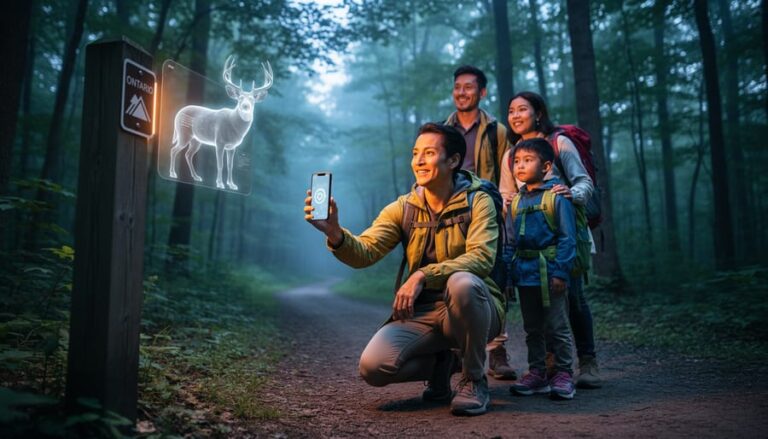
Transform your teen’s summer into an unforgettable adventure of discovery and purpose through Ontario Parks’ Junior Volunteer Program. Young nature enthusiasts aged 14-17 can actively shape our natural heritage while developing leadership skills and environmental stewardship. Working alongside experienced park naturalists, junior volunteers participate in hands-on conservation projects, lead interpretive programs for park visitors, and gain valuable experience in wildlife monitoring and habitat restoration.
From tracking turtle populations at Algonquin Provincial Park to maintaining hiking trails at Killarney, these programs offer meaningful ways to contribute to Ontario’s natural spaces while building impressive credentials for college applications. Whether your teen dreams of a career in environmental science or simply wants to make a difference in their local community, our structured volunteer opportunities provide the perfect blend of outdoor adventure and purposeful action.
Join a vibrant community of young conservationists making real impacts in parks near you. Programs run throughout summer months, with flexible scheduling options to accommodate busy teenage lives.
Popular Junior Volunteer Programs in Ontario Parks
Junior Park Ranger Program
The Junior Park Ranger Program is our flagship initiative for young nature enthusiasts aged 12-16 who want to make a real difference in Ontario’s parks. This immersive program combines hands-on conservation work with exciting outdoor adventures, creating unforgettable experiences for participants.
Young rangers engage in various activities throughout their volunteer commitment, including trail maintenance, wildlife habitat monitoring, and visitor education. They might help count bird species one day and assist with guided nature walks the next. The program also includes exciting activities like learning outdoor survival skills, identifying local flora and fauna, and participating in citizen science projects.
Each junior ranger receives an official vest, badge, and field notebook – essential tools for their conservation journey. The program runs during summer months, typically from July to August, with flexible scheduling options available to accommodate family plans.
What makes this program special is its perfect balance of learning and fun. While participants contribute meaningfully to park conservation, they also form lasting friendships with other nature-loving peers and develop valuable leadership skills under the guidance of experienced park staff.
Tip: Spots fill up quickly, so we recommend applying early in the spring for the best chance of securing a place in this popular program!

Youth Naturalist Program
The Youth Naturalist Program offers aspiring young environmentalists an exciting opportunity to discover Ontario’s diverse ecosystems while developing valuable conservation skills. Participants aged 12-17 work alongside experienced park naturalists to monitor wildlife, conduct species surveys, and learn about local flora and fauna.
Throughout the program, junior volunteers assist with important tasks like bird counting, butterfly monitoring, and plant identification. They’ll learn to use field guides, binoculars, and other scientific tools while contributing to real conservation research. One week they might be helping to track turtle nesting sites, and the next they could be cataloging wildflower species!
The program runs during summer months, with flexible scheduling options available. Morning sessions typically focus on wildlife observation and data collection, while afternoon activities include nature interpretation training and helping to lead educational programs for park visitors.
Not only do participants gain hands-on experience in environmental science, but they also develop leadership skills and make lasting friendships with other nature enthusiasts. It’s a perfect stepping stone for teens interested in future careers in conservation or environmental education.
How to Join and What to Expect
Application Process
Ready to join our junior volunteer team? The application process is straightforward and designed to help you find the perfect park volunteer opportunities that match your interests and availability.
To apply, you’ll need to submit:
– A completed application form (available online or at your local park office)
– Parent/guardian consent form if you’re under 18
– Two reference letters from teachers, coaches, or community leaders
– Your current school schedule or availability calendar
– A brief letter explaining why you’d like to volunteer
Applications are accepted year-round, but summer positions typically fill up quickly. We recommend applying by March 1st for summer programs and August 1st for fall opportunities. Winter program deadlines vary by location.
Got questions? Reach out to our volunteer coordinators:
Email: junior.volunteers@ontarioparks.ca
Phone: 1-888-ONT-PARK (668-7275)
Visit: Your nearest Ontario Parks office
Pro tip: Join our volunteer orientation sessions held monthly at various park locations. These informal meet-and-greets are perfect for learning more about available positions and connecting with current volunteers. Plus, attending an orientation session gives your application a boost!
Remember, spaces are limited, so don’t wait to start your adventure in nature conservation!
Training and Orientation
Before jumping into their volunteer roles, junior volunteers receive comprehensive training that sets them up for success. The orientation typically begins with an introduction to Ontario’s natural environment, including local flora, fauna, and ecosystems. Young volunteers learn about park conservation principles and the importance of protecting our natural spaces for future generations.
Safety comes first in all activities, so participants undergo thorough safety training, including proper trail etiquette, wildlife awareness, and emergency procedures. They’re taught how to use any necessary equipment and tools safely, whether it’s for trail maintenance or habitat restoration projects.
Team building exercises are a key part of the training process, helping junior volunteers develop leadership skills and learn to work effectively with others. Through fun group activities and ice-breakers, participants quickly form friendships with fellow volunteers who share their passion for nature.
The orientation also covers visitor interaction skills, as many junior volunteers assist with educational programs and visitor services. They learn how to communicate effectively, answer common questions, and provide helpful information to park visitors.
Pro tip: Come prepared with a notebook and lots of enthusiasm! While the training might seem extensive, it’s designed to be engaging and interactive. Many past volunteers say the training period was one of their favorite parts of the program, as it helped them discover new interests and build confidence in their abilities.

Benefits and Skills Development
Environmental Education
Through junior volunteer programs, young nature enthusiasts gain invaluable knowledge about Ontario’s diverse ecosystems and wildlife. Participants learn to identify local plant species, understand animal habitats, and discover the delicate balance of our natural world. Under the guidance of experienced naturalists, junior volunteers explore topics like forest ecology, wetland conservation, and the impact of climate change on local environments.
These programs often include hands-on activities like water quality testing, bird counting, and native plant identification. Young volunteers develop a deep understanding of conservation challenges and solutions while participating in real environmental research projects. They learn about invasive species management, habitat restoration, and sustainable practices that help preserve our natural spaces for future generations.
The educational component extends beyond traditional learning, as junior volunteers engage in citizen science projects, collect important environmental data, and contribute to ongoing conservation efforts. This practical experience helps create a new generation of environmental stewards who understand the importance of protecting our natural heritage and taking action in their communities.
Leadership Experience
Junior volunteer programs are fantastic opportunities for young people to develop essential leadership qualities while making a positive impact in their communities. Through guided mentorship and hands-on experience, participants learn to take initiative, make decisions, and work effectively in team settings. Whether leading nature walks for younger children, organizing conservation projects, or helping with visitor programs, young volunteers gain confidence with each new responsibility they tackle.
Many of our volunteers start out shy and uncertain but blossom into capable leaders as they progress through the program. They learn valuable skills like public speaking, project planning, and problem-solving in a supportive environment. The program’s structured mentorship approach ensures that responsibilities increase gradually, allowing volunteers to build their capabilities at a comfortable pace.
What makes these leadership experiences particularly special is their real-world impact. Young volunteers don’t just practice leadership – they actively shape their community and environment while inspiring others to do the same. This combination of responsibility and purpose creates confident, environmentally conscious leaders who often continue their commitment to community service well into adulthood.

Parent’s Corner: What You Need to Know
As your child embarks on their volunteering journey, we want to ensure you feel confident about their safety and well-being. Our junior volunteer programs are designed to provide meaningful experiences while helping strengthen family bonds through nature.
All junior volunteers are supervised by trained park staff who have completed thorough background checks and safety certifications. We maintain a maximum ratio of 1 staff member to 8 volunteers to ensure proper oversight during activities. Parents can rest assured that their children are in capable hands while contributing to our parks’ conservation efforts.
Scheduling is flexible and family-friendly. Most programs run during daylight hours, typically from 9 AM to 3 PM, with breaks for lunch and rest periods. We understand that families have busy schedules, so we offer both weekday and weekend opportunities. You can choose between regular weekly commitments or occasional participation based on your availability.
Emergency protocols are clearly communicated to all participants, and we maintain direct contact with parents through our dedicated volunteer coordinator. All volunteers receive proper safety equipment and training before starting their activities.
We encourage parents to attend the initial orientation session with their children to familiarize themselves with the program structure and meet the staff. You’re also welcome to observe or participate in select activities, making it a wonderful opportunity for family bonding while giving back to nature.
Remember to pack weather-appropriate clothing, water, and sun protection. We provide all necessary tools and safety equipment for program activities.
Getting involved in a junior volunteer program is an enriching experience that shapes young minds and hearts while making a real difference in our communities. Whether it’s helping at local nature centers, assisting with park cleanup initiatives, or supporting wildlife conservation efforts, these programs offer invaluable life lessons in leadership, environmental stewardship, and community service. The friendships formed and skills developed during these volunteer experiences often last a lifetime, creating memories that will be cherished for years to come. Ready to start your volunteering journey? Contact your local parks and recreation department, nature center, or community organization today to discover exciting opportunities near you. Together, we can nurture the next generation of environmental leaders while having fun and making a positive impact on our natural world.






+ There are no comments
Add yours