

Check Ontario’s flood warning systems before heading out—the province’s Conservation Authorities issue three alert levels that directly impact whether your camping trip or paddling adventure should proceed. A Flood Watch means conditions are favorable for flooding, a Flood Warning indicates flooding is imminent or happening, and a Watershed Conditions Statement provides general updates about water levels and flows.
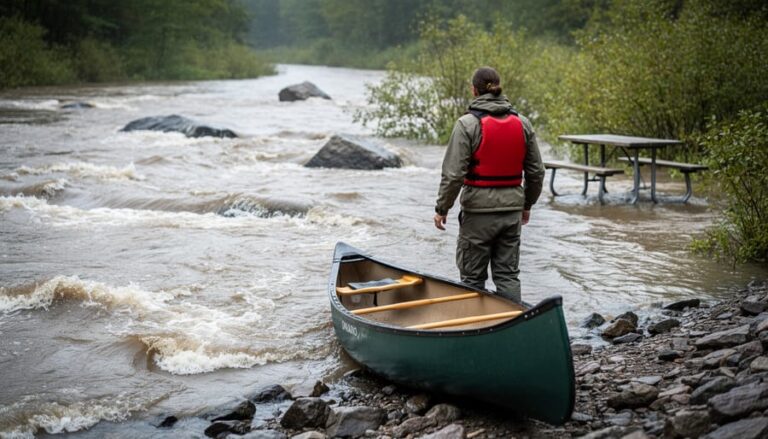
Picture this: You’ve packed your canoe, loaded the camping gear, and driven two hours to your favorite put-in spot, only to find the river transformed into a churning brown torrent that’s swallowed the usual shoreline. This scenario happens more often than you’d think, especially during spring melt and after heavy rainfall when Ontario’s waterways can change dramatically within hours.
Understanding flood warning zones isn’t about killing your adventure—it’s about making smart choices that keep you safe while still getting outdoors. These warnings come from local Conservation Authorities who monitor rainfall, snowmelt, and water levels across their watersheds. They’re your insider source for real-time conditions that weather apps simply can’t provide.
The good news? A flood warning doesn’t mean staying home. It means adjusting your plans. Maybe you swap that whitewater section for a calmer lake paddle, or move your riverside campsite to higher ground. Ontario’s vast landscape always offers alternatives, and knowing how to read these warnings means you’ll spend more time enjoying nature and less time dealing with dangerous situations or emergency rescues.
Understanding Flood Warning Zones in Ontario Waterways

The Three Levels of Flood Alerts
Think of flood alerts as a traffic light system for the waterways you love exploring. Each level gives you progressively more urgent information about what’s happening with water levels, helping you make smart decisions about your outdoor adventures.
A flood outlook is your green light with caution. This is the most general alert, issued when conditions might lead to flooding within the next few days. Maybe there’s heavy rain forecast or rapid snowmelt expected upstream. For paddlers and campers, this means stay aware and keep checking updates. You can usually proceed with your plans, but bookmark those official flood websites on your phone.
When a flood watch gets issued, consider it your yellow light. Conditions are developing that will likely cause flooding in specific areas within the next 24 to 72 hours. Water levels are rising, and riverbanks might become unstable. I remember ignoring a watch once before a camping trip near the Credit River – let’s just say we spent more time moving our gear to higher ground than enjoying the scenery. If you see a watch for your destination, seriously reconsider your timing or choose an alternative location.
A flood warning is your red light. Flooding is already happening or will occur imminently in identified zones. This isn’t the time for adventure. Water levels are dangerous, currents are unpredictable, and access roads might be compromised. Postpone your trip, plain and simple. Ontario’s waterways will be there waiting when conditions improve, and you’ll be safe to enjoy them properly.
Why These Zones Matter for Your Adventure
Hidden Dangers You Might Not See
Floodwaters transform familiar waterways into unpredictable environments hiding serious dangers beneath the surface. Let me share what you need to watch for when conditions change.
Strong currents pose the biggest threat during flooding. Water that looks calm on top can have powerful underwater currents capable of sweeping away even experienced swimmers. I’ve watched seemingly gentle creeks become raging torrents after heavy rainfall, moving three times faster than usual. Here’s an insider tip: if you see debris moving quickly across the water’s surface, those currents are way too strong for any recreational activity.
Submerged debris creates another invisible hazard. Floods carry branches, logs, shopping carts, and even larger objects downstream. These obstacles hide just below the murky surface, ready to damage boats, injure paddlers, or create dangerous entanglements. During high water events, familiar swimming spots become obstacle courses you simply can’t navigate safely.
Water levels can change dramatically and without warning. A discharge from upstream dams or a sudden downpour miles away can raise water levels within minutes. What starts as a pleasant shoreline walk can quickly become a scramble to higher ground.
Compromised shorelines represent another sneaky danger. Flooding saturates and weakens riverbanks, creating unstable edges that collapse without warning. That solid-looking bank you’re standing on might give way beneath your feet. Always maintain a safe distance from eroded or undercut banks, and choose established trails over shortcuts near the water’s edge.
Where to Check Before You Head Out

Insider Tip: Setting Up Alerts
I learned this lesson the hard way during a weekend camping trip to Algonquin Park a few years back. We’d packed everything, driven three hours, and arrived to find our launch site completely submerged. If only I’d set up flood alerts beforehand!
Here’s how to avoid my mistake. Start by downloading the Government of Canada’s WeatherCAN app, which sends push notifications for flood warnings in your selected regions. It’s free and incredibly reliable. I also recommend Environment Canada’s alert system – simply visit their website, enter your postal code, and subscribe to email notifications for your area.
For paddlers and anglers, the Ontario Rivers Alliance offers specialized water level alerts for specific waterways. Create an account, select your favorite rivers or lakes, and you’ll receive updates whenever conditions change significantly.
My go-to routine now? I set up alerts two weeks before any trip and check them daily starting three days out. This saved my Georgian Bay kayaking adventure last spring when forecasted rainfall triggered an early warning. We postponed by just four days and enjoyed perfect conditions instead of battling dangerous currents.
Pro tip: Don’t rely on a single source. Cross-reference multiple apps and websites for the most accurate picture of current conditions.
Making Smart Decisions When Warnings Are Active
Alternative Adventures Worth Exploring
When flood warnings have your waterfront plans on hold, Ontario still offers countless adventures that aren’t at the mercy of rising water levels. Consider exploring the Canadian Shield’s rocky terrain on trails that remain accessible year-round, rain or shine. The upland hiking routes in places like Killarney Provincial Park provide stunning vistas without the waterway concerns.
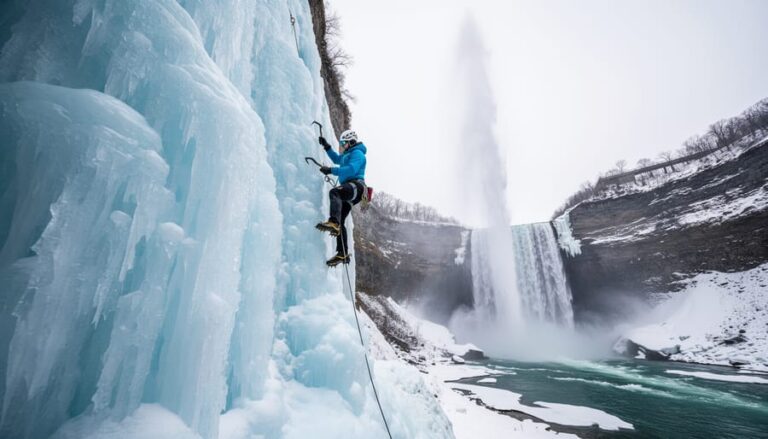
Rock climbing enthusiasts will find the limestone cliffs of the Niagara Escarpment particularly appealing as backup destinations during flood conditions. These elevated adventures keep you safely above any flood zones while delivering that adrenaline rush you’re craving.
Mountain biking trails on higher ground offer another fantastic option. Many inland trail networks feature well-drained paths that remain rideable even after heavy rainfall. The forests of central Ontario provide excellent tree cover and natural drainage.
Here’s an insider tip: cave exploration at sites like Bonnechere Caves gives you an underground adventure completely independent of surface water conditions. It’s a unique way to stay active while waiting for waterways to return to normal levels. Plus, you’re supporting eco-friendly tourism that doesn’t stress sensitive flood-affected ecosystems during their recovery period.
Safety First: What to Do If You’re Already Out There
Picture this: you’ve set up camp beside a peaceful river, and suddenly the sky darkens and rain starts falling steadily. The water’s rising faster than you expected. What now?
First things first – stay calm and trust your instincts. If conditions are changing rapidly, it’s time to pack up and move to higher ground immediately. Don’t wait to see if things improve. I learned this lesson on a canoe trip near Algonquin when we noticed debris floating downstream faster than usual – nature was telling us something important.
Call local conservation authorities right away. Keep their numbers saved in your phone before heading out. In Ontario, you can reach emergency services at 911, but also contact the provincial parks office or local municipality for specific waterway updates. They’ll have real-time information about conditions downstream that you might not see from your location.
Here’s an insider tip: download offline maps before your trip. Cell service can be spotty in remote areas, and you’ll need navigation if you’re evacuating quickly. Mark the nearest roads and high ground on your map during trip planning.
Never attempt to drive or walk through flooded areas – just six inches of moving water can knock you off your feet. If you’re paddling, head to shore at the first safe opportunity and secure your gear away from the waterline.
Remember, canceling plans beats creating rescue scenarios. Your adventure will wait for safer conditions.
Eco-Friendly Considerations During High Water Events
Here’s something many paddlers don’t realize: flooding doesn’t just affect our plans—it dramatically impacts the creatures who call these waterways home. When water levels surge, fish spawning beds can be destroyed, turtles nesting along shorelines may lose their eggs, and delicate riverside vegetation gets uprooted or buried in sediment.
I learned this firsthand after a major spring flood on the Grand River. What looked like “back to normal” water levels within a week actually masked months of ecosystem recovery happening beneath the surface. Submerged plants needed time to re-establish, and fish populations were adjusting to altered habitats.
During high water events and the recovery period afterward, practicing eco-friendly habits becomes extra important. Avoid disturbing newly exposed shorelines where wildlife might be rebuilding nests or burrows. If you’re fishing once it’s safe, consider catch-and-release to give populations time to stabilize. Stick to established trails and launch sites rather than trampling recovering vegetation.
Pack out everything you pack in—debris from flooding often accumulates in natural areas, so resist adding to the cleanup burden. And here’s an insider tip: some conservation areas actually need volunteers for post-flood habitat restoration. Check with local environmental groups about giving back while you wait for conditions to improve.
Here’s the truth: Ontario’s waterways are absolutely magical when you catch them at the right time. I’ve had some of my most memorable outdoor experiences on these rivers and lakes, from sunrise paddle sessions where the mist lifts off the water to lazy afternoons fishing with friends. The key is respecting what nature’s telling you and planning accordingly.
Checking flood warnings isn’t about letting fear stop your adventure—it’s about being smart so you can have many more adventures to come. Think of it as part of your pre-trip ritual, just like packing your gear or checking the weather forecast. Most of the time, you’ll get the green light and be ready to explore with confidence.
When conditions aren’t ideal, remember that postponing isn’t canceling. That perfect camping spot or fishing hole will still be there next weekend, probably even better once water levels stabilize. Use the extra time to scout new locations, repair gear, or plan an even more ambitious trip.
Ontario’s waterways offer incredible opportunities year-round for those who approach them with preparation and respect. Stay informed, stay flexible, and you’ll create countless stories worth sharing around the campfire for years to come.








+ There are no comments
Add yours