
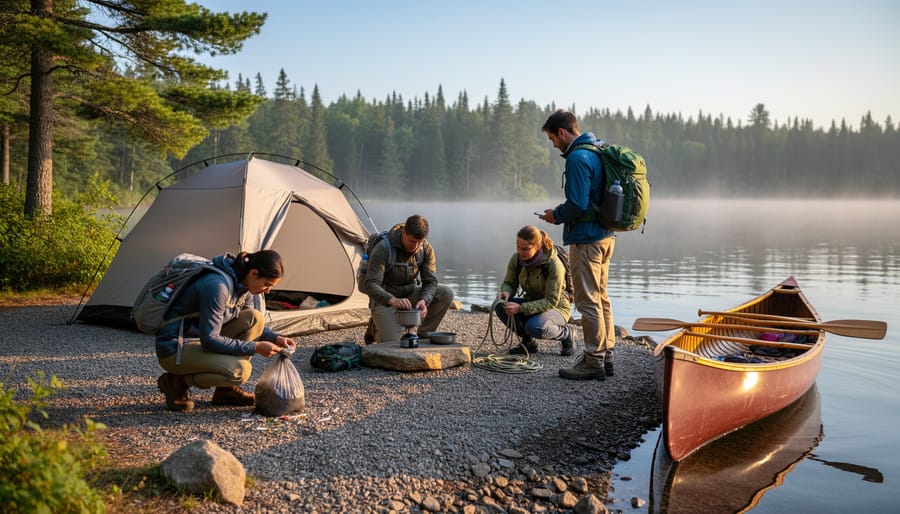
Picture this: you’re standing at the edge of a pristine Ontario lake, morning mist rising off the water, when you spot candy wrappers tucked beneath a rock and a fire pit scarred into the forest floor. Your heart sinks. We’ve all been there, witnessing how careless outdoor practices chip away at the wild spaces we cherish.
Leave No Trace courses transform how you interact with nature, teaching you the seven core principles that protect Ontario’s wilderness for generations to come. Whether you’re a weekend camper exploring Algonquin Park or a backcountry enthusiast tackling the Bruce Trail, these training programs provide hands-on skills that go far beyond “pack out your trash.” You’ll learn proper waste disposal techniques for human waste in remote areas, discover how to set up camp on durable surfaces without damaging vegetation, and master low-impact fire practices that keep our forests safe.
The best part? These courses aren’t stuffy classroom lectures. Most involve outdoor workshops where you practice real-world scenarios, like navigating fragile ecosystems and wildlife encounters. You’ll gain certification that demonstrates your commitment to environmental stewardship, making you a more responsible adventurer and role model for fellow outdoor lovers.
In Ontario, where our natural spaces face increasing pressure from growing visitor numbers, taking a Leave No Trace course isn’t just educational—it’s essential. It’s your chance to become part of the solution, ensuring that the forests, lakes, and trails we love today remain wild and wonderful tomorrow.
What Actually Happens in a Leave No Trace Course
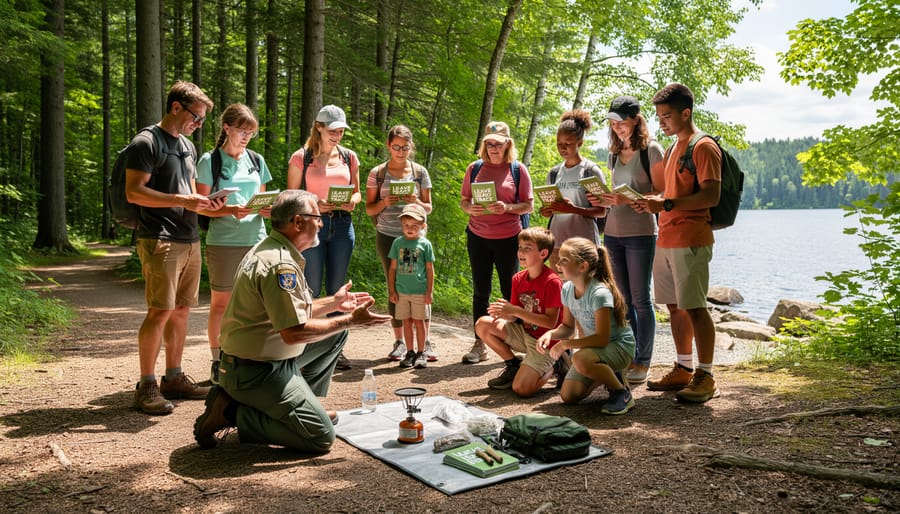
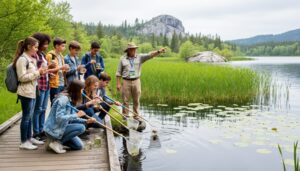
If you’re picturing a stuffy classroom with PowerPoint presentations, think again! Leave No Trace courses are refreshingly hands-on and genuinely fun. These outdoor workshops bring environmental ethics to life through interactive experiences that stick with you long after the course ends.
Most courses run anywhere from two hours for introductory sessions to full-day or weekend immersive programs. You’ll find both in-person and online options, though the in-person experiences truly shine. Imagine learning proper campfire techniques by actually building and managing fires, or practicing minimum-impact camping by setting up tents in various terrain types while instructors explain why placement matters.
The teaching approach feels more like learning from an experienced friend than sitting through a lecture. Instructors typically use real-world scenarios and case studies from local parks. You might analyze photos of campsites and discuss what went wrong, or participate in scavenger hunts that highlight human impact on trails. One popular activity involves examining different types of waste and determining proper disposal methods, which sounds simple but reveals surprising insights about decomposition rates and wildlife interactions.
Online courses offer convenience and cover the seven principles thoroughly through videos, quizzes, and virtual discussions. However, in-person sessions let you feel the difference between walking on established trails versus cutting across fragile vegetation, or see firsthand how improperly hung food bags attract wildlife.
Insider tip: Many courses incorporate local examples specific to Ontario’s ecosystems, making the lessons immediately applicable to your favourite hiking spots. You’ll learn about regional challenges like protecting the Canadian Shield’s delicate lichens or managing waste in backcountry areas without bear-proof containers.
Expect plenty of Q&A time, group discussions, and take-home resources. Most participants leave feeling empowered rather than overwhelmed, armed with practical skills they can implement on their very next outdoor adventure.
The Seven Principles You’ll Master
Plan Ahead and Prepare (Without Overpacking)
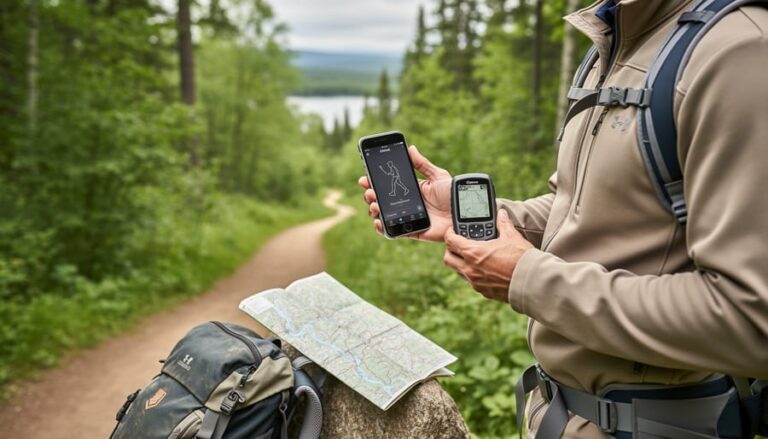
Before heading into Ontario’s backcountry, a little planning goes a long way in protecting our parks. Start by booking your backcountry permits early, especially for popular spots like Algonquin or Killarney during summer weekends. Check Ontario Parks’ website for specific regulations, as each park has unique rules about campfires, food storage, and designated camping areas.
Here’s an insider tip: check the weather forecast three days before your trip, but pack for conditions one degree colder and wetter than predicted. Ontario weather can surprise you, even in July! Layer your clothing and bring essentials like rain gear and a warm fleece.
Smart packing means bringing what you need without excess. Create a checklist based on basic wilderness skills – shelter, water, food, navigation, and first aid. Choose reusable containers over single-use items, and opt for biodegradable soap. Remember, every item you carry in, you’ll carry out, so pack thoughtfully. A well-planned trip means less environmental impact and more time enjoying Ontario’s stunning natural beauty.
Travel and Camp on Durable Surfaces
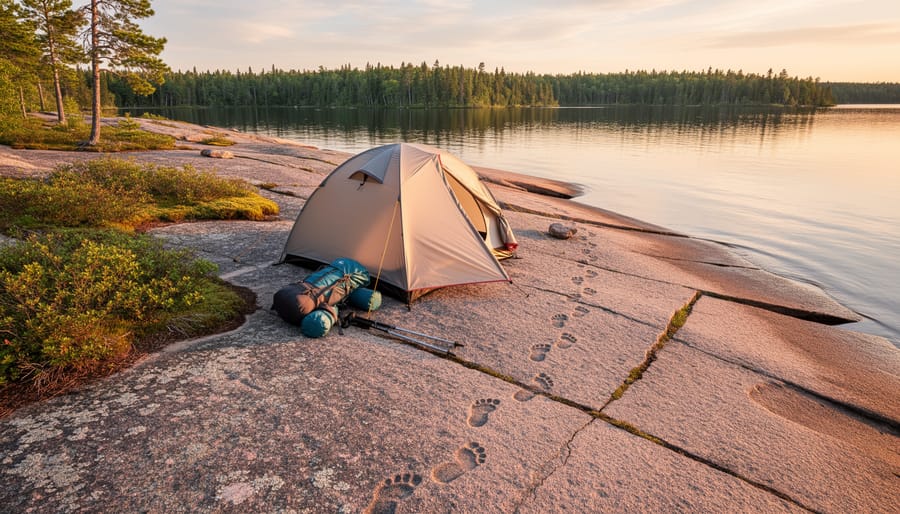
Ontario’s landscape demands different approaches depending on where you’re exploring. In the rugged Canadian Shield, stick to rock surfaces and established trails – those ancient granite slabs can handle your footsteps far better than delicate vegetation struggling to grow in thin soil pockets. When camping on the Shield, look for sites that show signs of previous use rather than creating new impact in pristine areas.
Along sandy beaches like those on Lake Huron or Georgian Bay, camp above the high-water mark on already disturbed ground. Here’s an insider tip: those established fire rings are your friend – resist the urge to build new ones just because you want a different view.
In forested areas, choose sites with a durable layer of pine needles or leaves rather than trampling fragile undergrowth. During spring and early summer when soils are waterlogged, consider postponing your trip or selecting rock-based sites to avoid creating muddy ruts that take years to recover. Remember, a well-chosen campsite shows you were there through memories and photos, not permanent scars on the landscape.
Dispose of Waste Properly (Yes, Even That)
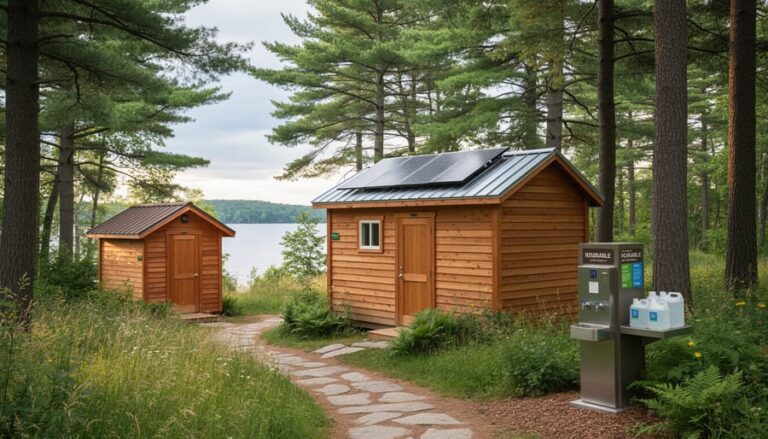
Let’s be real: dealing with waste in the backcountry isn’t glamorous, but it’s crucial. Pack out everything you pack in – yes, including that orange peel (it takes up to two years to decompose!). For human waste, dig a cathole 15-20 centimeters deep and at least 70 meters from water sources. Here’s an insider tip: bring a lightweight trowel and biodegradable toilet paper, or better yet, pack it out in a sealed bag. For grey water from dishes, scatter it widely away from camp and water sources after straining out food particles. Pro move? Use a small mesh strainer and pack out those bits with your garbage. Remember, soap residue – even biodegradable kinds – can harm aquatic life, so keep it minimal and far from lakes and streams. Your future camping self will thank you for maintaining these pristine Ontario wilderness areas.
Leave What You Find
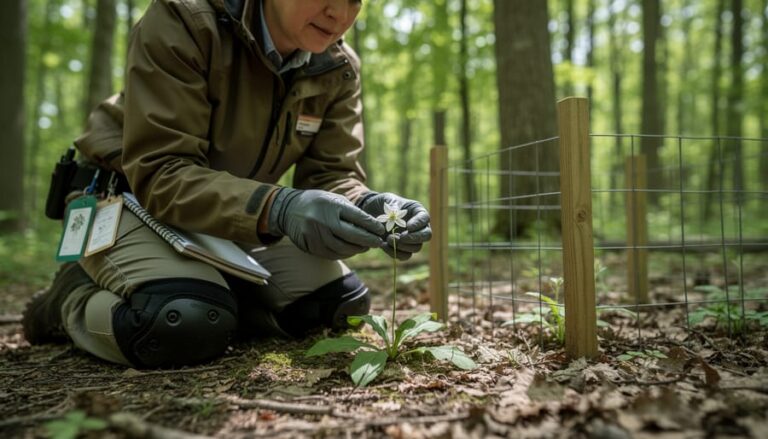
I once watched a hiker pocket a beautiful pink granite stone from Bruce Trail, casually saying “just one won’t hurt.” Here’s the thing—over 400,000 people hike that trail annually. If everyone took just one rock, we’d lose the trail’s character within months. The same goes for wildflowers along Algonquin’s trails. That trillium you’re tempted to pick? It takes up to 17 years to bloom from seed. When we leave natural objects where we find them, we’re giving thousands of future visitors the same magical discovery we experienced. Think of it as paying forward the wonder you felt when you first spotted that perfect heart-shaped rock or vibrant flower.
Minimize Campfire Impacts
Here’s a campfire tip that changed my camping game: bring a portable camp stove instead! Not only does it leave zero trace, but you’ll avoid Ontario’s strict fire bans during hot, dry summers (typically May through September in many regions). If you do build a fire, use existing fire rings, keep flames small, and burn wood completely to white ash. I learned the hard way that partially burned logs are an eyesore for the next camper. Always check Ontario Parks’ website before your trip, as regulations vary by season and location. Pro tip: those collapsible silicone fire pits are fantastic alternatives that contain ash beautifully and pack down flat.
Respect Wildlife
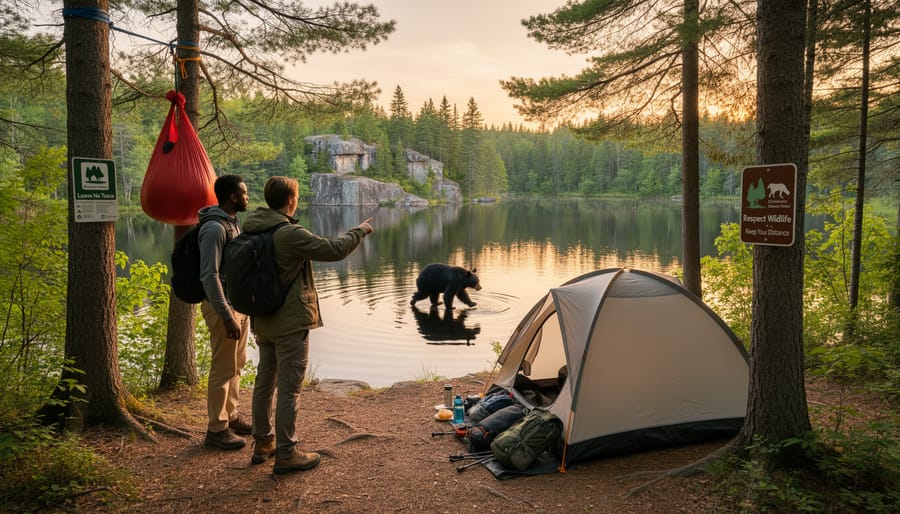
Ontario’s wilderness is home to black bears, curious raccoons, and those adorably persistent chipmunks who’ve made begging an art form. The golden rule? Never feed wildlife, no matter how cute those whiskers look. Food-conditioned animals become dangerous animals, often ending in relocation or worse.
Store all food, toiletries, and scented items in bear-proof containers or hang them at least 4 meters high and 1.5 meters from tree trunks. Many Ontario parks provide designated food lockers at campsites. Keep your cooking area at least 100 meters from your tent. Pro tip: I learned this the hard way when a raccoon unzipped my backpack for granola bars. Observe wildlife from a distance, resist the urge to approach for selfies, and remember that respecting their space keeps both you and them safe for future adventures.
Where to Take Your Leave No Trace Training in Ontario
You’ll find Leave No Trace training opportunities scattered across Ontario’s spectacular parks system, making it easier than ever to become a responsible outdoor steward. Ontario Parks partners with Leave No Trace Canada to deliver workshops at various locations throughout the province, with availability typically running from May through October when weather conditions are most favorable.
Popular training locations include Algonquin Provincial Park, Killarney Provincial Park, and Bruce Peninsula National Park, where you can combine your course with incredible backcountry experiences. Here’s an insider tip: signing up for courses at less-visited parks like Quetico or Lake Superior Provincial Park often means smaller class sizes and more personalized instruction from trainers who really know their stuff.
Registration is straightforward through the Ontario Parks website or directly through Leave No Trace Canada’s online portal. Most workshops fill up quickly during peak summer months, so booking 4-6 weeks ahead is smart planning. Courses typically run as single-day workshops (around $75-95) or more comprehensive two-day trainer courses ($200-250), with group discounts often available.
Beyond provincial parks, several outdoor organizations offer Leave No Trace training throughout Ontario. The Haliburton Highlands Outdoor Association, MEC (Mountain Equipment Co-op), and local hiking clubs frequently host workshops in partnership with certified trainers. Many universities and colleges have also integrated these principles into their outdoor recreation programs, making it accessible for students.
Schools can arrange customized programs through Ontario Parks’ education services, bringing Leave No Trace principles directly into classroom settings or organizing field trips. Scout and Guide groups particularly benefit from these partnership programs, often receiving reduced rates for youth-focused training sessions. Check with your local conservation authority too, as many run seasonal workshops that complement their existing environmental education initiatives.
Who Should Take This Course (Hint: Almost Everyone)
Here’s the thing about Leave No Trace training: it’s not just for hardcore wilderness experts. I’ve seen seasoned campers with twenty years of experience have genuine “aha” moments during these courses, right alongside enthusiastic beginners.
Families planning their first camping adventure at Algonquin Provincial Park absolutely benefit from these principles. You’ll learn practical skills like proper food storage (because nobody wants a midnight raccoon visitor) and how to teach kids to respect wildlife from a safe distance. One mom I met said the course transformed her family’s camping trips – her kids now proudly act as “nature protectors” and remind other campers about proper waste disposal.
Solo backpackers and hiking groups gain confidence knowing they’re minimizing their environmental impact while staying safe. School groups and scout troops particularly love these courses because they blend education with hands-on learning that sticks with young people for life.
Even experienced outdoor enthusiasts discover surprising gaps in their knowledge. A friend who’d been camping for fifteen years told me he’d always thought burying organic waste like apple cores was fine – until he learned how even biodegradable items disrupt local ecosystems and attract animals to human-use areas.
Whether you’re planning a weekend getaway or a month-long backcountry expedition, these courses provide insider tips that protect Ontario’s stunning natural spaces while enhancing your outdoor experience. Plus, you’ll join a community of like-minded nature lovers committed to preserving our wilderness for future generations.
What You’ll Actually Use After the Workshop
Ask any Leave No Trace course graduate what surprised them most, and you’ll hear the same thing: it’s the small changes that make the biggest difference. Sarah, who completed her certification last spring before a week-long canoe trip in Algonquin, says her biggest revelation was about campsite selection. “I used to think setting up on that perfect flat spot by the water was harmless. Now I realize I was probably camping on fragile vegetation that takes years to recover.”
The most commonly adopted practices? Course participants say they now pack microfiber towels for washing dishes away from water sources, use established fire rings instead of building new ones, and properly disperse grey water. Mike from Toronto mentions he invested in a portable camp stove after learning how campfire scars impact ecosystems. “I thought I was an experienced camper, but I had no idea about the 200-foot rule for waste disposal or why burying toilet paper isn’t actually helpful.”
What really sticks with people are the insider tips about waste management. Graduates report they now carry separate bags for different types of garbage, actually pack out orange peels and apple cores (yes, they don’t decompose as quickly as you’d think!), and have mastered the art of the cat hole. These sustainability practices become second nature surprisingly fast.
The aha moment most people share? Understanding that “leave no trace” doesn’t mean you can’t enjoy the outdoors—it means everyone gets to enjoy it forever. As one participant put it, “Now when I leave a campsite, I actually feel proud instead of just tired.”
Beyond the Basics: Advanced Training and Certification
Ready to take your outdoor ethics knowledge to the next level? Becoming a certified Leave No Trace trainer opens doors to meaningful conservation work while sharing your passion with others. The Leave No Trace Center for Outdoor Ethics offers comprehensive trainer certification programs, including the popular two-day Master Educator course. These intensive workshops equip you with teaching skills, deeper environmental knowledge, and resources to lead your own interactive outdoor programs.
Here’s an insider tip: many Ontario parks actively seek certified trainers for their educational initiatives, creating fantastic volunteer opportunities. You might lead guided hikes, school programs, or campground talks. Parks Canada and Ontario Parks both have volunteer programs where your certification becomes incredibly valuable.
Beyond formal training, consider joining local conservation groups or trail maintenance teams. These hands-on experiences deepen your connection to the land while making tangible differences. Many participants find that volunteering evolves into something more – friendships with like-minded nature lovers, discoveries of hidden trails, and the profound satisfaction of protecting the places you cherish. Whether you’re teaching families about proper waste disposal or restoring damaged campsites, your involvement helps ensure Ontario’s wilderness remains pristine for future adventurers.
Becoming a steward of Ontario’s incredible wilderness starts with a single step, and taking a Leave No Trace course is one of the most meaningful choices you can make as an outdoor enthusiast. These principles aren’t just guidelines—they’re a shared commitment to preserving the forests, lakes, and trails we all cherish for generations to come.
Ready to deepen your connection with nature while learning how to protect it? Search for upcoming workshops through Leave No Trace Canada or reach out to your local conservation authority to find courses near you. Many outdoor retailers and provincial parks also host regular training sessions, especially during spring and summer months.
Here’s an insider tip: don’t wait until you’ve planned your next big adventure. The best time to learn is now, so these practices become second nature before you hit the trail. Start small by practicing at home—proper waste disposal, minimizing your impact, and respecting wildlife begins in your own backyard.
Ontario’s natural spaces are counting on us to be thoughtful visitors and passionate advocates. Whether you’re a weekend hiker or a seasoned backcountry camper, your actions matter. Sign up for a course today and join thousands of Ontarians committed to leaving our wild places better than we found them.









+ There are no comments
Add yours