
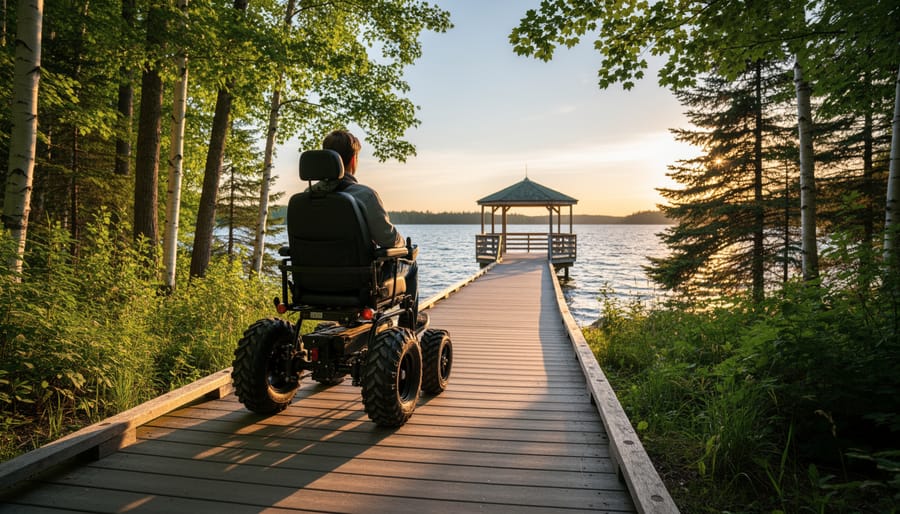
Ontario’s provincial and national parks have transformed accessibility in recent years, offering mobility assistive equipment that opens wilderness experiences to everyone. Beach wheelchairs with oversized balloon tires glide across sand at Sandbanks Provincial Park, while track chairs navigate rugged terrain at Algonquin Park’s interpretive trails. Many parks now stock all-terrain wheelchairs free of charge through reservation systems, though availability varies by season and location.
Planning ahead makes all the difference. Call park offices directly to confirm equipment availability, as online listings don’t always reflect real-time inventory. Ask specific questions about trail surfaces—crushed limestone packs firm for standard wheelchairs, while wood-chip paths often require tracked equipment. Staff members have insider knowledge about which routes offer the smoothest experiences and where accessible viewing platforms provide the best wildlife sightings.
The shift toward inclusive outdoor recreation means you’ll find adaptive kayak launches, roll-in fishing docks, and paved lookout points throughout Ontario’s park system. These aren’t afterthoughts—they’re thoughtfully designed spaces that deliver authentic nature experiences. Whether you’re using your own mobility device or park-provided equipment, Ontario’s trails welcome you with practical solutions that turn outdoor dreams into achievable adventures.
What Mobility Assistive Equipment Actually Means for Park Visitors
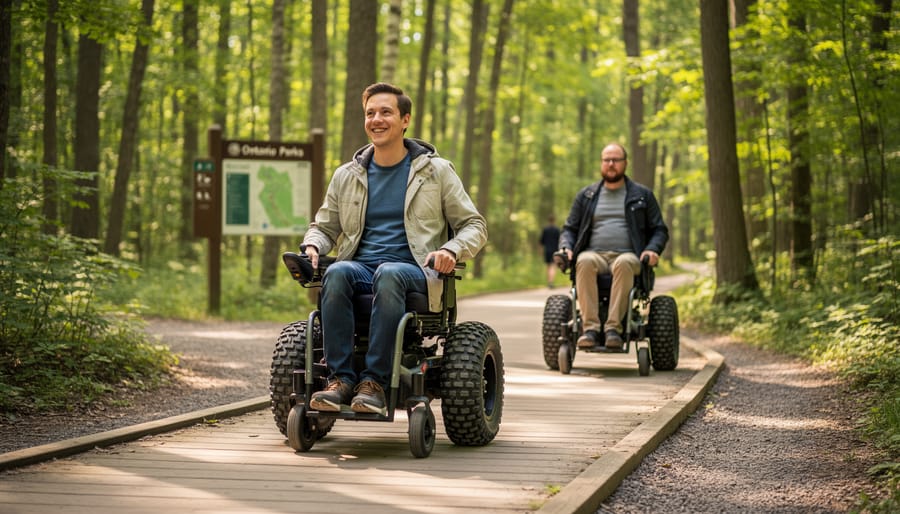
Manual vs. Powered Equipment: What Works Where
Let’s talk about matching your equipment to the right terrain, because not all mobility aids are created equal when it comes to tackling Ontario’s diverse landscapes.
Manual wheelchairs work beautifully on paved trails and boardwalks. I’ve watched families explore the flat, smooth pathways at Point Pelee National Park with ease, stopping whenever they want to birdwatch or enjoy the views. These chairs give you complete control on hard surfaces, but here’s the reality check: they require significant upper body strength on longer outings, and gravel or woodchip trails can feel like you’re pushing through sand.
Powered wheelchairs and scooters are game-changers for distance and stamina. They handle paved trails effortlessly and can manage firm, compact gravel paths pretty well too. The catch? Weight matters. Some park bridges have load limits, and softer surfaces like loose gravel or sandy areas can bog down wheels. Always check trail conditions before heading out.
All-terrain wheelchairs are the adventure seekers of mobility equipment. These wide-wheeled wonders can tackle beach sand, forest trails, and even moderately rocky terrain. Several Ontario parks now offer these as free loans, opening up experiences that seemed impossible just a few years ago. Think beach access at Sandbanks or forested trails at Algonquin.
Here’s my insider tip: call the park directly before visiting. Staff know exactly which trails work best for your specific equipment, current surface conditions, and any seasonal challenges like spring mud or fall leaves that might affect traction. They want you to succeed and will steer you toward the best experience possible.
Ontario Parks Leading the Way in Accessible Trails
Trail Surface Secrets: What ‘Accessible’ Really Means
Not all accessible trails are created equal, and the surface beneath your wheels or walking aid makes all the difference between a delightful outing and a frustrating struggle. Let me break down what you’ll actually encounter on Ontario’s trails.
Paved asphalt surfaces are the gold standard for wheelchairs, scooters, and walkers. They’re smooth, predictable, and work beautifully in all weather conditions. Presqu’ile Provincial Park’s Marsh Boardwalk Trail features sections of perfectly maintained pavement that even manual wheelchair users can navigate independently. The firm surface means minimal rolling resistance and no surprises.
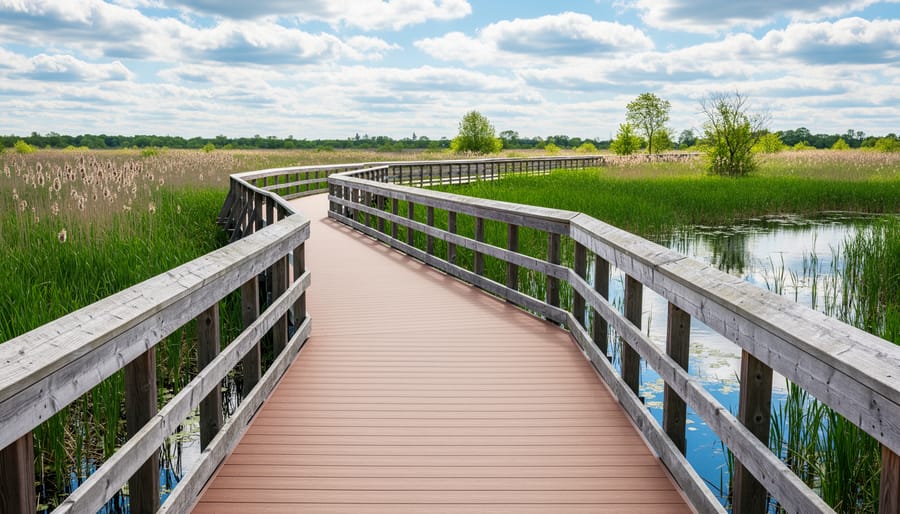
Boardwalks offer another excellent option, though quality varies. Wide planks with minimal gaps work wonderfully for all mobility equipment. Algonquin Provincial Park’s Spruce Bog Boardwalk exemplifies this perfectly—its sturdy construction handles electric scooters without rattling, and the smooth wood doesn’t catch walker feet or narrow wheelchair wheels.
Here’s where it gets tricky: packed gravel and crushed stone. When properly maintained and tightly compacted, these surfaces can work for many users. I’ve watched visitors successfully navigate Awenda Provincial Park’s Baker Trail in all-terrain wheelchairs on their well-maintained gravel paths. However, after heavy rain or spring thaw, these same trails become challenging. Always call ahead to check current conditions.
Wood chips? Skip them if you’re using wheels. They’re soft, shift underfoot, and create exhausting resistance for wheelchairs and walkers alike. Save your energy for trails with solid surfaces.
Hidden Gems: Lesser-Known Accessible Trails Worth the Trip
While popular trails like Algonquin’s Spruce Bog Boardwalk get plenty of attention, some of Ontario’s most peaceful accessible experiences hide in plain sight. I discovered one such treasure at Petroglyphs Provincial Park, where the accessible pathway leads through a tranquil hardwood forest to ancient Indigenous rock carvings. The smooth, wide trail means you can focus entirely on the spiritual atmosphere without worrying about terrain challenges.
Another insider favorite is the Marsh Boardwalk at Pinery Provincial Park. Most visitors rush to the beaches, leaving this stunning wetland trail blissfully quiet even on summer weekends. The elevated boardwalk provides incredible bird-watching opportunities, and I’ve spotted everything from painted turtles to great blue herons during early morning visits.
For those seeking waterfront serenity, Balsam Lake Provincial Park offers a lesser-known accessible fishing platform and shoreline trail. The gentle path winds through pine forests with lake glimpses that rival more famous destinations. Local park staff mentioned it’s particularly magical during fall colours.
Eco-friendly tip: These quieter trails experience less wear, so visiting them helps distribute impact across the park system while giving you a more intimate nature experience. Always check current conditions before visiting, as seasonal maintenance schedules vary.
Adaptive Equipment Available for Rent at Ontario Parks
All-Terrain Wheelchairs: Your Ticket to Beach and Forest Adventures
Imagine rolling your wheelchair right onto the sandy shores of Lake Huron or gliding through forest trails where you never thought possible. All-terrain wheelchairs are absolute game-changers, featuring oversized balloon tires that float over sand, gravel, and uneven paths like a dream.
Presqu’ile Provincial Park leads the way with free all-terrain wheelchair loans at their beach area – yes, completely free! Just call ahead to reserve during peak season. The wide-tired TrackChairs let you cruise right down to the waterline, feeling the spray on your face while watching stunning sunsets over Lake Ontario. Sandbanks Provincial Park also offers beach wheelchairs, perfect for exploring those famous dunes everyone raves about.
For forest adventures, Algonquin Provincial Park’s Barron Canyon Trail provides an all-terrain chair option that tackles the lookout path’s packed gravel surface beautifully. The massive tires distribute weight evenly, preventing that frustrating sinking feeling traditional wheelchairs experience on softer terrain.
Here’s an insider tip: reserve your equipment at least two weeks before visiting during summer months, but you’ll often find same-day availability in spring and fall. Most parks require a quick orientation session – usually just 10 minutes – to familiarize you with the controls and safety features.
What makes these chairs truly special? Independence. You’re not waiting for someone to push you through challenging terrain; you’re exploring at your own pace, choosing your own adventure. Pack your sense of exploration and prepare for places you’ve been dreaming about visiting.
Planning Your Visit: Practical Tips from Seasoned Accessible Travelers
Questions to Ask Before You Go
Before heading out to enjoy Ontario’s beautiful parks, take a few minutes to contact park staff with some key questions. Start by asking what specific mobility equipment is available for loan or rent, and whether reservations are needed, especially during peak summer weekends. Find out about trail surface conditions—some paths may be compacted gravel while others feature boardwalks, and recent weather can make a big difference in accessibility.
Here’s an insider tip: ask about maintenance schedules for beach mats and accessible trails. You’ll want to know if any equipment is temporarily out of service or if pathways are undergoing seasonal repairs. Don’t forget to inquire about accessible parking proximity to trailheads and whether drop-off points are available near key facilities.
Seasonal conditions matter too. Spring melt can create muddy patches, while fall leaves might obscure pathway edges. Ask staff about current conditions and the best times to visit for optimal accessibility. These conversations help you plan confidently and ensure your outdoor adventure goes smoothly from start to finish.
Weather and Seasonal Considerations for Mobility Equipment
Here’s something I learned the hard way: winter in Ontario parks isn’t just about packing extra layers. When planning to use mobility equipment, seasonal conditions dramatically change what’s accessible and what stays safely tucked away until spring.
Spring brings the notorious “mud season” from late March through May. Trails that accommodate all-terrain wheelchairs in summer can become impassable quagmires. Many park staff recommend calling ahead during this unpredictable period, as conditions change weekly. One ranger told me she’s seen accessible boardwalks perfectly clear one day, then covered in frost heave debris the next.
Summer and early fall offer peak accessibility, with most paved paths and maintained trails in excellent condition. Beach wheelchairs perform best during these months, though morning beach visits mean firmer, easier-to-navigate sand.
Winter presents unique challenges. Most all-terrain wheelchairs aren’t designed for snow and ice, though some parks now offer adaptive ski equipment and tracked mobility devices. Algonquin Park’s Visitor Centre maintains heated, accessible paths year-round, but backcountry trails become off-limits for wheeled equipment.
My insider tip? Visit in September or early October. You’ll enjoy comfortable temperatures, stunning fall colours, trails in pristine condition after summer maintenance, and fewer crowds competing for accessible parking spots. Always check current trail conditions before heading out, as weather can shift accessibility overnight.
Beyond Trails: Accessible Camping and Facilities
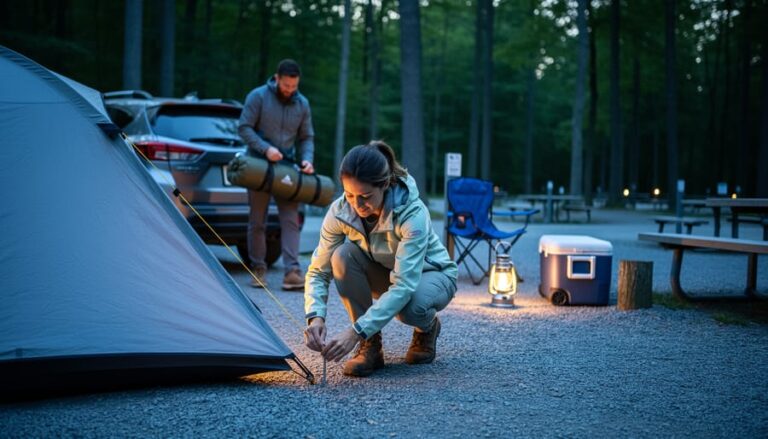
A truly accessible outdoor experience extends far beyond the trails themselves. Many Ontario parks have transformed their accessible camping facilities into welcoming spaces where everyone can enjoy the full camping experience.
Presqu’ile Provincial Park leads the pack with fully accessible campsites featuring level, hard-packed surfaces, extended concrete pads, and accessible picnic tables with extended tops. Their washrooms include spacious accessible stalls, roll-in showers with grab bars, and lowered sinks. What really impressed me during my visit was the attention to detail, like accessible water taps positioned at wheelchair-friendly heights throughout the campground.
Sandbanks Provincial Park offers similar amenities, plus accessible beach mats that roll right down to the waterfront. Their park visitor centers feature automatic doors, accessible counters, and tactile exhibits that engage all visitors.
Insider tip: Always call ahead to reserve accessible campsites, as they’re limited and book quickly during peak season. Ask specific questions about the site’s proximity to facilities and whether paved pathways connect everything.
Many parks now provide accessible picnic shelters with extended tables, accessible fire pits at comfortable heights, and even adaptive cooking equipment available for loan. These thoughtful touches transform a simple camping trip into a genuinely inclusive adventure where mobility considerations don’t limit the magic of sleeping under the stars.
Making Nature Inclusive: The Eco-Friendly Side of Accessible Design
Here’s something wonderful that many visitors discover: accessible design often goes hand-in-hand with environmental protection. When parks create boardwalks and designated accessible trails, they’re actually doing double duty for nature. These pathways protect delicate wetland ecosystems, prevent soil erosion, and keep fragile plant species from being trampled.
I’ve noticed this particularly along Ontario’s accessible boardwalks through marsh areas. These structures allow everyone to experience sensitive habitats up close while keeping human impact minimal. The bog at Algonquin Provincial Park’s Spruce Bog Boardwalk is a perfect example – the accessible pathway protects centuries-old plant growth that would be irreversibly damaged by foot traffic.
Many accessible facilities now incorporate recycled materials and sustainable building practices. Those smooth composite deck surfaces you’ll find on modern accessible trails? They’re often made from recycled plastics and wood fibers, giving new life to materials that might otherwise end up in landfills.
Here’s an insider eco-tip: when you use accessible pathways instead of creating your own routes, you’re actively participating in conservation. You’re helping concentrate human activity in designated areas, allowing surrounding ecosystems to thrive undisturbed. It’s a beautiful example of how inclusive design benefits absolutely everyone – including the natural world we’ve come to explore.
Ontario’s incredible parks truly are for everyone, and that includes you. Whether you’re rolling along paved trails in a manual wheelchair, exploring boardwalks with a walker, or using a track chair to venture into the backcountry, these outdoor spaces welcome visitors of all abilities. The growing availability of mobility assistive equipment across provincial and municipal parks means you can experience stunning waterfalls, peaceful forests, and vibrant lakeshores with confidence.
Before your adventure, take a few minutes to check the park’s accessibility information online or give them a quick call. Staff can answer specific questions about trail conditions, equipment availability, and reservation details. Many parks offer insider tips about the best accessible routes and quieter times to visit for a more peaceful experience.
Pack your sense of adventure and get ready to create amazing memories in Ontario’s great outdoors. The trails are waiting, the views are spectacular, and the welcome is genuine. Your next accessible outdoor adventure starts now.








+ There are no comments
Add yours