
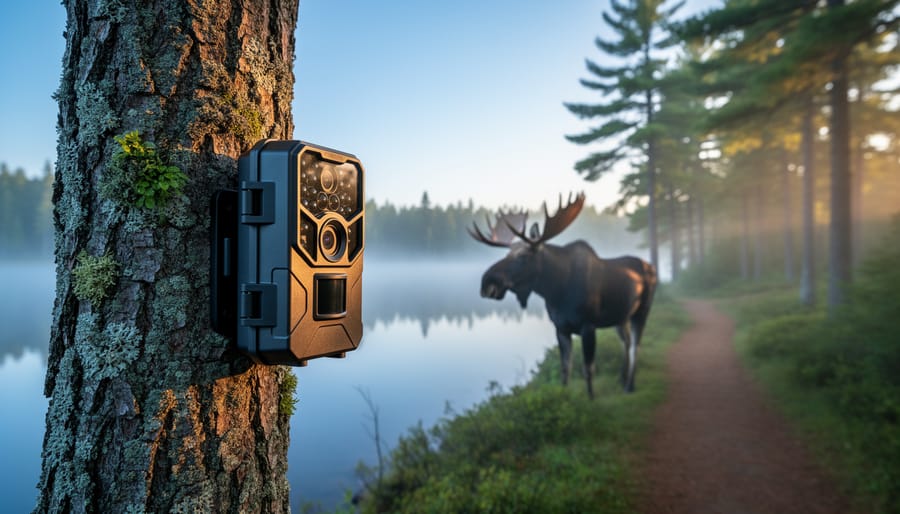
Picture this: You’re hiking through Algonquin Park at dawn when your guide pulls out a tablet showing real-time data about a wolf pack’s movements nearby. This isn’t science fiction—it’s happening right now in Ontario’s wilderness areas, where artificial intelligence is revolutionizing how we observe, protect, and experience wildlife.
AI-powered animal monitoring systems use smart cameras, acoustic sensors, and machine learning algorithms to track wildlife without human interference. These technologies identify individual animals, monitor their behaviors, and alert conservationists to potential threats—all while keeping visitors informed and safe. For you as a park explorer, this means richer wildlife encounters, reduced environmental impact from your visit, and the satisfaction of supporting cutting-edge conservation simply by choosing monitored destinations.
Ontario’s parks are leading this innovation. Motion-activated cameras capture thousands of images daily, while AI instantly sorts through them to identify species, count populations, and even detect injured animals. Acoustic monitors pick up bird songs and animal calls that human ears might miss, creating detailed soundscapes that reveal ecosystem health. The result? Park staff know exactly where wildlife congregates, which trails to recommend for sightings, and how to direct visitors away from sensitive breeding areas.
This technology transforms your outdoor adventures from chance encounters into informed, responsible experiences. You’ll discover where to find that elusive moose, understand seasonal wildlife patterns, and explore with confidence knowing your presence supports rather than disrupts the natural world around you.
What’s Actually Watching the Wildlife in Ontario Parks
The Smart Cameras That Never Sleep
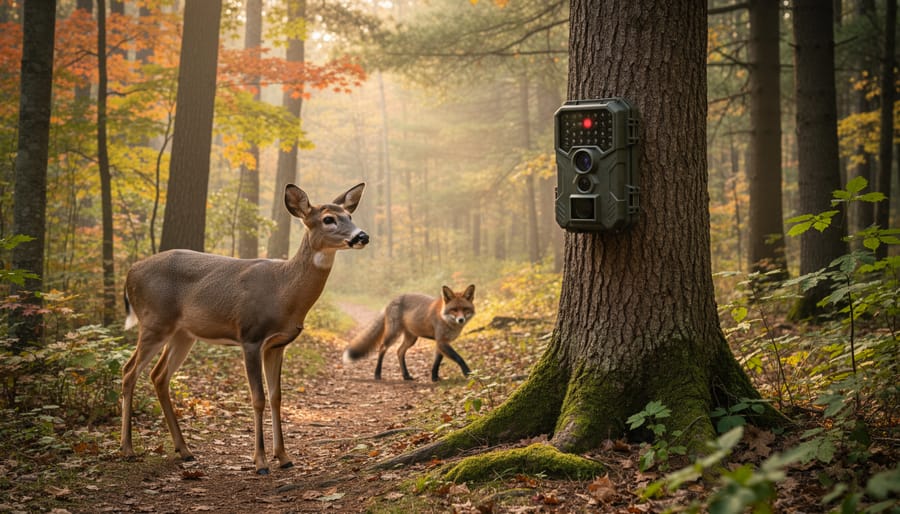
Picture this: while you’re sleeping soundly in your tent, tireless digital sentinels are wide awake, quietly documenting the nocturnal world around you. These AI-powered cameras work around the clock, capturing every creature that crosses their field of view. Unlike traditional trail cameras that simply snap photos, these smart systems instantly identify what they’re seeing, whether it’s a black bear ambling past at 3 AM or a rare species of owl returning to its roost.
Here’s the magic part: the cameras use smart sensors and tracking to automatically count individual animals, monitor population trends, and even recognize behavioral patterns. When you visit Ontario parks equipped with these systems, you might notice subtle benefits like better trail closures during sensitive wildlife activities or more accurate information about recent animal sightings at visitor centers. Rangers receive real-time alerts about wildlife movements, helping them guide you toward safe, rewarding viewing opportunities while keeping both you and the animals protected. It’s conservation science working behind the scenes to enhance your outdoor adventures.
From Thousands of Photos to Real Insights
Picture this: a team of researchers with thousands upon thousands of camera trap photos spread across their desks. Sorting through them manually could take months or even years. But here’s where AI becomes a game-changer for wildlife conservation in Ontario’s parks.
Modern animal monitoring systems can process massive photo collections in just days, identifying species, counting individuals, and spotting behavioral patterns faster than any human team could manage. Think of it as having a tireless assistant who never gets bleary-eyed from staring at photos of empty trails or tree branches.
What makes this truly exciting for park visitors is how quickly this technology transforms raw data into real conservation action. When AI detects a declining population or identifies a new wildlife corridor, park managers can respond immediately—adjusting trail locations, creating protected zones, or updating visitor guidelines to minimize disturbance.
This rapid analysis means the parks you explore today benefit from insights gathered just weeks ago, not years. Your park entrance fees and eco-conscious visits directly support this cutting-edge technology, helping protect the very wildlife you hope to spot on your adventures.
Why This Technology Matters for Your Park Experience
Safer Trails Through Smart Tracking
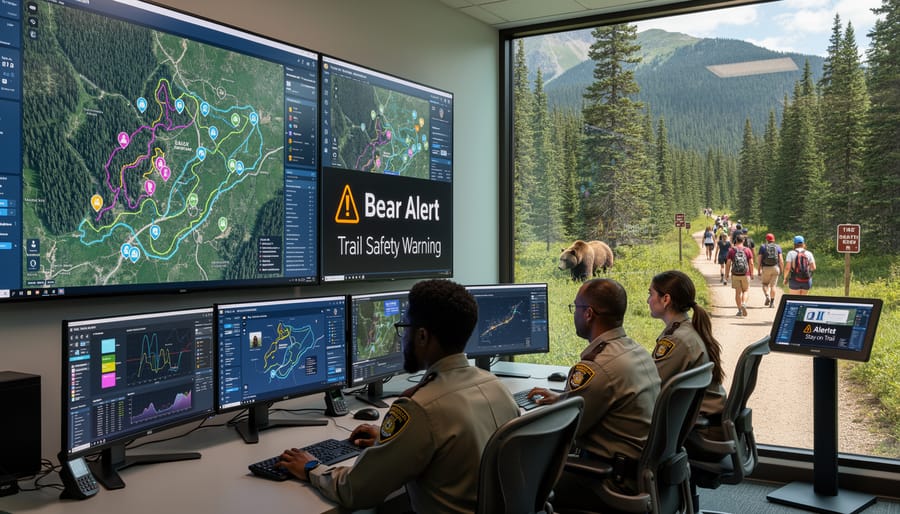
Ever wondered how park rangers know exactly when to close that favorite hiking trail because a mama bear and her cubs are nearby? Ontario’s parks now use sophisticated AI-enhanced GPS tracking systems that send real-time alerts about wildlife movements directly to park staff. When sensors detect unusual animal activity near popular trails, rangers can immediately post warnings at trailheads or update park apps with specific locations to avoid.
This smart tracking means you’ll receive timely notifications about moose sightings on morning trails or bear activity near campsites before you even lace up your boots. Park staff can reroute visitors to equally beautiful alternative paths, ensuring everyone stays safe while wildlife gets the space they need. It’s like having an invisible safety net that works around the clock, letting you explore confidently knowing that technology and experienced rangers are watching out for both you and the animals.
Better Wildlife Spotting Tips from Real Data
Here’s the insider scoop: AI monitoring systems have transformed how parks share wildlife viewing tips with visitors like you. Instead of relying on guesswork, these systems track animal movement patterns, feeding times, and favorite hangout spots with incredible accuracy. Park staff can now tell you that your best chance of spotting moose at Algonquin Provincial Park is between dawn and 9 AM along specific trails, or that beavers are most active near certain wetlands just before sunset. Some parks even offer real-time wildlife activity updates based on recent sensor data, helping you plan your day around the highest probability sightings. This data-driven approach means fewer hours of waiting and more successful wildlife encounters. Plus, you’ll learn fascinating details about animal behavior—like seasonal migration routes or preferred weather conditions—that make each sighting more meaningful. The technology essentially gives you access to knowledge that field biologists have spent years gathering, turning every visitor into a more informed wildlife observer.
Ontario Parks Leading the Way
Frontenac Provincial Park’s Hidden Tech Network
Deep in the granite ridges and maple forests of Frontenac Provincial Park, a sophisticated network of motion-triggered cameras and acoustic sensors quietly watches over some of Ontario’s most fascinating wildlife. Park researchers are tracking everything from black bears and white-tailed deer to the elusive eastern wolf, species that call this 5,355-hectare wilderness home.
What makes Frontenac’s monitoring program special is how it directly protects the authentic backcountry experience you’re seeking. When researchers identify which trails bears frequent during berry season, park staff can update advisories so you can plan your route accordingly. The data also helps maintain those pristine camping experiences by revealing which lakes see the most wildlife activity at dawn and dusk, perfect intel for photography enthusiasts.
Here’s an insider tip: the monitoring system has confirmed that Frontenac’s wolf population uses specific travel corridors. By keeping these areas minimally developed, the park preserves those spine-tingling moments when you might spot wolf tracks on your portage trail. The technology works behind the scenes so your wilderness adventure feels genuinely wild, while ensuring both you and the animals stay safe. It’s conservation that enhances rather than diminishes your connection to nature.
Success Stories Worth Celebrating
The results coming from Ontario’s parks are nothing short of remarkable, and you’re part of this conservation success just by visiting mindfully.
At Algonquin Provincial Park, AI camera systems helped researchers document a 30% increase in eastern wolf populations over five years. Rangers now use this data to create seasonal visitor guidelines that protect den sites while still offering incredible viewing opportunities. That means when you spot wolves during your autumn camping trip, you’re witnessing a genuine comeback story.
Along Lake Superior’s shoreline, AI monitoring reduced human-bear conflicts by 45% in just two seasons. Smart alerts warn park staff when bears approach campgrounds, allowing them to redirect both wildlife and people before encounters turn dangerous. Campers appreciate the peace of mind, and bears get to forage naturally without negative associations with humans.
Rondeau Provincial Park combined AI monitoring with bio-GPS tracking technology to protect nesting prothonotary warblers, a species at risk. By identifying critical habitat zones, park managers adjusted trail access during breeding season, contributing to a 22% population increase.
Here’s your insider tip: many Ontario parks now offer conservation talks where rangers share real-time monitoring insights. Ask at visitor centers about these programs to deepen your connection to the wildlife you’re helping protect.
How You Can Support Wildlife Monitoring
Be a Responsible Wildlife Observer
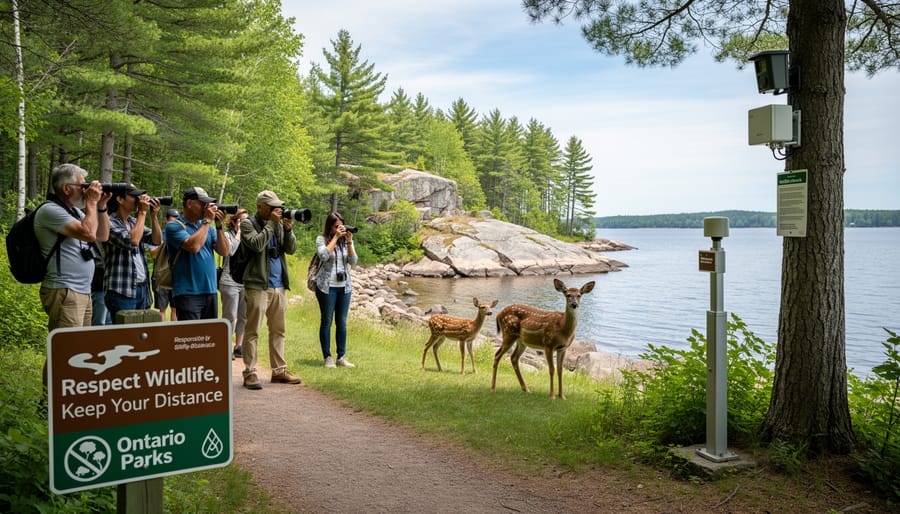
Your wildlife encounters can actually contribute to conservation science when done thoughtfully. Think of yourself as a citizen scientist rather than just a spectator—your observations matter, but only if they’re collected respectfully.
First, distance is your friend. Those monitoring cameras are strategically positioned to capture natural animal behavior, and getting too close disrupts both the wildlife and the data being collected. Keep at least 30 meters from most animals (that’s about three school bus lengths). I learned this the hard way when my excitement over spotting a fox family in Algonquin sent them scattering—potentially affecting their recorded activity patterns.
Stay on marked trails whenever possible. Wandering off-path can damage habitat and interfere with camera placements or sensor equipment. Plus, animals follow predictable routes that researchers track, and human scent on unofficial paths can alter their movements.
Silence truly is golden. Loud conversations or sudden noises don’t just scare animals away—they create gaps in monitoring data. Bring binoculars instead of relying on zoom lenses that tempt you closer.
Here’s an insider tip: download apps like iNaturalist before your trip. When you spot wildlife, you can log the sighting with location and time stamps. Park researchers often use this crowdsourced data to complement their automated systems, giving them a fuller picture of animal movements. Your casual observation during a morning hike might reveal a species expanding its range or using new corridors.
Simple Ways to Minimize Your Impact
When you’re exploring parks with animal monitoring systems, a few mindful choices can make a world of difference for the wildlife you’ve come to observe. Start with the basics: store your food in bear-proof containers or hang it properly from a tree. Animals have incredible noses, and even granola bar crumbs can disrupt their natural foraging behaviors and put them at risk.
If you spot camera traps during your hikes, give them a wide berth. These devices are carefully positioned to capture natural wildlife behavior, and human interference throws off the data scientists rely on. Resist the urge to investigate or adjust them—your curiosity is understandable, but researchers need undisturbed footage to track animal health and movement patterns accurately.
Pay attention to seasonal closures, too. They’re not arbitrary rules meant to spoil your fun; they protect vulnerable wildlife during critical times like breeding seasons or migration periods. An insider tip: many parks post closure information online weeks in advance, so you can plan alternative routes that still offer incredible views.
Finally, stick to marked trails. Wandering off-path might seem adventurous, but it damages habitat and stresses animals that the monitoring systems are working hard to protect. Your footsteps matter more than you think.
The Future of Wildlife and Your Park Adventures
Picture this: within the next few years, you might arrive at your favorite Ontario park and receive real-time notifications on your phone about moose spotted on the northern trail or a rare bird species nesting near the visitor center. AI monitoring systems are evolving rapidly, and the innovations on the horizon promise to make your park adventures even more extraordinary.
Researchers are developing systems that can predict animal movement patterns, helping you plan visits during peak wildlife activity times. Imagine knowing the best hour to catch beavers building their dam or when deer typically gather at specific clearings. Some parks are experimenting with combining AI monitoring with AR wildlife tours, creating immersive educational experiences that reveal the hidden lives of creatures sharing these spaces.
Here’s an insider tip: these technological advances work best when wild spaces remain healthy and protected. The data collected helps justify conservation funding and park expansion, so your entrance fees and eco-conscious choices directly support these innovations.
As monitoring systems become more sophisticated, they’ll deepen our connection to nature rather than replace hands-on experiences. You’ll still need to venture into the woods, breathe the fresh air, and embrace the unpredictability of wildlife encounters. Technology simply helps us appreciate and protect these magical places better. The future of Ontario’s parks looks bright, wild, and wonderfully worth exploring.
The next time you wander through an Ontario park and spot a deer disappearing into the forest or hear the distant call of a loon across a lake, take a moment to appreciate what’s happening beyond what you can see. Somewhere, an AI-powered monitoring system might be quietly recording that same encounter, adding another piece to the puzzle of how our wildlife thrives and what they need to flourish for generations to come.
These invisible guardians represent something remarkable: our ability to protect nature without intruding on it. Technology and wilderness aren’t opposing forces—they’re partners in a mission that matters deeply to all of us who love these wild spaces. Every camera trap image analyzed, every migration pattern mapped, every habitat trend identified brings us closer to understanding the creatures we share this province with.
Here’s my insider tip: when you visit Ontario’s parks, you’re not just a tourist. You’re part of this conservation story. The trails you respectfully stick to, the wildlife you observe from a distance, the “leave no trace” principles you follow—all of these actions support the very systems working to protect what you came to see.
So pack your curiosity along with your hiking boots. Stay on marked trails, respect wildlife boundaries, and maybe even ask park staff about monitoring efforts in the area. The more we understand about these conservation technologies, the more we can appreciate the incredible wildlife sharing our province. Explore responsibly, wonder boldly, and know that your presence in these parks matters.










+ There are no comments
Add yours