

Discover Ontario’s natural wonders, regardless of mobility or accessibility needs. Recent accessibility initiatives in Ontario Parks have transformed the outdoor experience for visitors of all abilities, making wilderness adventure truly inclusive. From wheelchair-accessible trails and beach mats to adaptive camping equipment and barrier-free facilities, our parks system prioritizes universal access to nature’s beauty. Whether you’re planning a day trip or an extended stay, understanding the available accessibility features helps ensure a comfortable, memorable visit. This guide answers your essential questions about navigating Ontario’s parks, from parking and washroom facilities to specialized programs and support services, empowering everyone to embrace the therapeutic benefits of the great outdoors.
Essential Park Accessibility Questions to Ask Before You Go
Parking and Trail Access
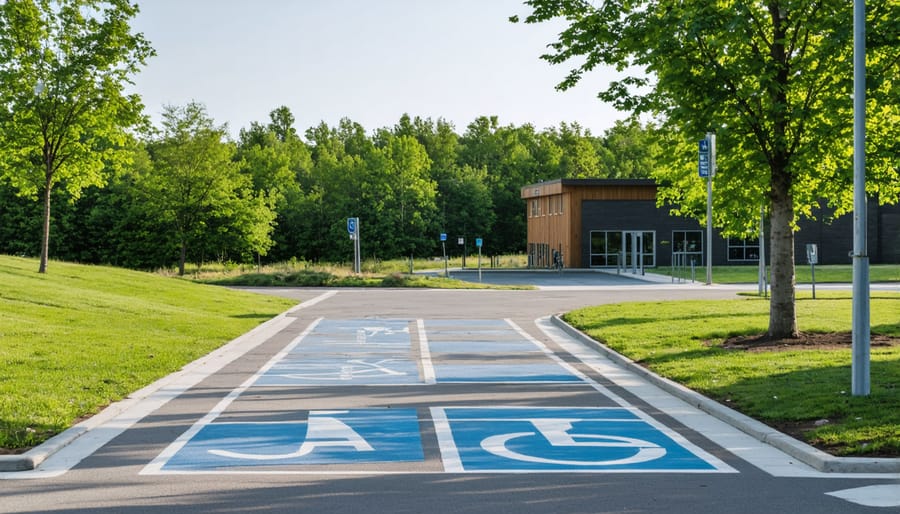
Most Ontario Parks provide dedicated accessible parking spots located close to visitor centers, comfort stations, and major trail access points. These spots are clearly marked with the international accessibility symbol and typically offer extra space for mobility equipment.
For trail access, many parks have designed their main entrances with gentle grades and firm surfaces to accommodate wheelchairs and mobility devices. You’ll find that popular trails like those at Algonquin’s Visitor Centre are equipped with paved or boardwalk sections near the parking areas.
A helpful tip: call ahead to your chosen park to confirm the exact distance from accessible parking to specific trail entrances or facilities. Park staff can provide up-to-date information about current conditions and suggest the most suitable access points for your needs.
Many parks also offer drop-off zones near main attractions, allowing companions to help visitors reach their destination before parking. During peak season, arrive early to ensure availability of accessible spots, especially at popular destinations like Killarney and Bruce Peninsula National Park.
Remember that winter conditions may affect accessibility, so it’s always best to check seasonal updates before your visit.
Facility Accessibility
Ontario Parks strives to provide inclusive facilities for all visitors. Most popular parks feature accessible washrooms in day-use areas and visitor centers, equipped with wider doorways, grab bars, and lowered sinks. Many comfort stations in campgrounds also offer accessibility features like wheelchair-friendly showers and changing areas.
Visitor centers typically include ramps or level entrances, automatic doors, and spacious interior layouts. Display areas and interpretive exhibits are designed with varying heights to accommodate different viewing angles. Staff members are trained to assist visitors with diverse needs and can provide detailed information about specific facility accommodations.
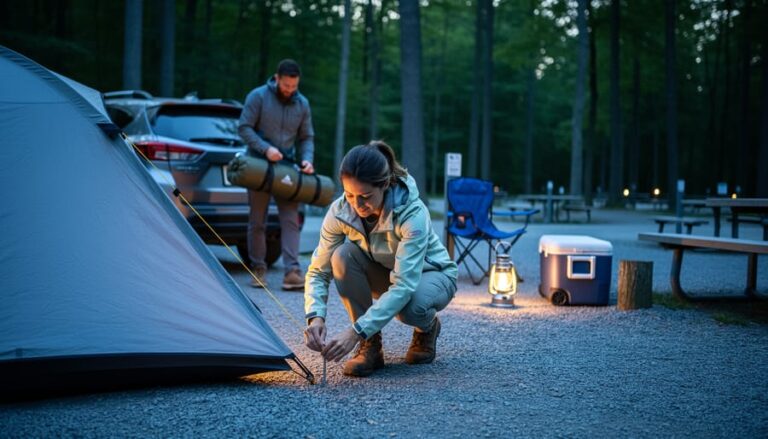
For overnight stays, several parks offer accessible campsites located close to comfort stations. These sites feature level, firm surfaces, raised fire pits, and accessible picnic tables. Some parks also provide electrical hookups for medical equipment. It’s recommended to book these sites in advance, as availability can be limited during peak season.
Remember to check individual park websites or contact park offices directly for detailed information about specific facilities, as amenities may vary between locations.
Trail-Specific Accessibility Information
Surface Types and Conditions
Trail surfaces and conditions are key factors when planning your visit to Ontario Parks. Most visitor centers and main facilities are connected by paved or well-maintained gravel paths that accommodate wheelchairs, walkers, and strollers. However, trail conditions can vary significantly depending on the season and recent weather.
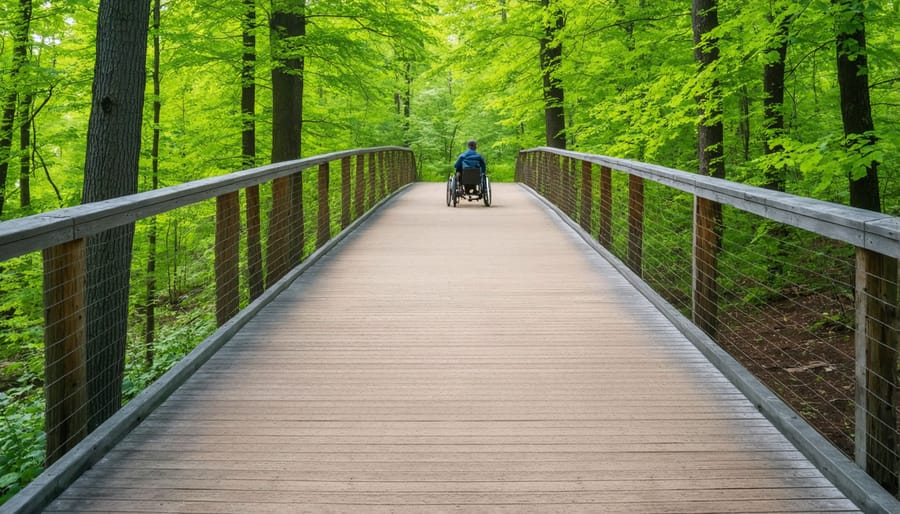
Many parks feature boardwalks and hard-packed trails that provide stable surfaces for mobility devices. For example, Pinery Provincial Park offers several accessible trails with smooth, level surfaces and adequate width for side-by-side walking or wheeling. During spring and after heavy rains, even accessible trails may have wet or muddy sections, so it’s wise to check current conditions before your visit.
Trail width typically ranges from 1 to 3 meters on accessible paths, allowing comfortable passage for mobility devices and families walking together. Some parks provide detailed trail ratings that indicate surface type, width, and grade changes. Look for trails marked as “accessible” or “barrier-free” on park maps and information boards.
Common terrain challenges include:
– Root systems creating uneven surfaces
– Natural erosion causing dips or bumps
– Seasonal flooding in low-lying areas
– Sandy sections on beach access paths
– Slight grades on viewing platforms
Pro tip: Contact the park directly or check their website for the most up-to-date trail conditions, especially during shoulder seasons or after significant weather events. Many parks also offer all-terrain wheelchairs for loan, making it easier to explore more challenging trails.
Distance and Rest Areas
Ontario’s trails and viewpoints are designed with various distances and rest options to accommodate different comfort levels and abilities. Most parks offer a mix of short, medium, and longer trails, with many featuring accessible sections under 1 kilometer for easier exploration.
You’ll find plenty of thoughtfully placed benches and rest areas along popular trails, typically spaced every 100-200 meters. These rest spots aren’t just practical – they often offer some of the best views in the park! Many viewing platforms and rest areas are equipped with back supports and armrests, making them comfortable for extended breaks.
Pro tip: If you’re visiting during peak season (July-August), try hitting the trails early in the morning when it’s cooler and less crowded. This makes it easier to take breaks at your own pace without feeling rushed.
Most visitor centers and main attractions feature covered rest areas with picnic tables, perfect for taking a breather or enjoying a packed lunch. Look for the blue accessibility symbols on park maps – they indicate routes with the most frequent rest stops and viewing platforms.
Remember to check the specific trail information before setting out. Some parks offer detailed accessibility guides that include distances between rest areas and bench locations. Don’t hesitate to ask park staff about the most suitable routes for your needs – they’re always happy to help you plan the perfect route with appropriate rest stops.
Seasonal Accessibility Considerations
Winter Access
Winter brings its own set of accessibility considerations to Ontario Parks, but with proper planning, you can still enjoy the stunning snowy landscapes. Many parks maintain accessible parking spaces and pathways year-round, with regular snow clearing to ensure safe access. However, it’s important to note that some trails and facilities may have limited accessibility during winter months due to snow accumulation.
For wheelchair users and those with mobility devices, several parks offer specialized winter equipment rentals, including track chairs and sit-skis. These adaptive devices allow visitors to explore winter trails and participate in seasonal activities. We recommend calling ahead to check equipment availability and reserve in advance.
Comfort stations and visitor centers that remain open during winter are heated and maintain their accessibility features. However, some outdoor washroom facilities may be closed seasonally. Accessible warming stations are available at most winter-operational parks, providing a cozy space to take breaks from outdoor activities.
Before visiting, check the park’s winter status online or call directly, as services and trail maintenance can vary depending on weather conditions. Park staff are always happy to provide specific information about winter accessibility and can help plan your visit according to your needs.

Summer Modifications
During the summer months, Ontario Parks experiences some changes in accessibility services to accommodate the higher number of visitors. Many parks offer additional accessibility features from June to September, including beach mobility devices like water wheelchairs and Mobi-Mats for easier shoreline access. These items are available on a first-come, first-served basis, so it’s recommended to reserve them in advance when possible.
Park staff levels increase during peak season, which means more assistance is available for visitors requiring help. However, this also means popular accessible facilities like adapted comfort stations and barrier-free campsites tend to fill up quickly. Booking well ahead of time is essential, especially for weekend visits.
Some trails that are typically accessible may become more challenging during busy periods due to increased foot traffic and seasonal maintenance. Check with park staff about current trail conditions and temporary modifications to accessibility features. Many parks also offer additional interpretive programs during summer, with specific accommodations available upon request.
Remember that parking areas near accessible facilities can get crowded during peak times, so arriving early in the day is recommended. Some parks provide designated accessible parking spaces closer to beach areas and visitor centers during the summer season.
Getting Help and Additional Resources
Ontario Parks staff are dedicated to making your visit enjoyable and accessible. Park wardens and information desk personnel are trained to assist visitors with accessibility needs and can provide detailed information about facilities, trails, and accessible lodging options.
For immediate assistance during your visit, stop by the park office or look for staff members wearing Ontario Parks uniforms. They can help with everything from wheelchair-accessible route recommendations to arranging special accommodations.
Before your trip, we recommend:
– Calling the park directly to discuss specific accessibility requirements
– Checking the Ontario Parks website for detailed accessibility information
– Joining the Ontario Parks Accessibility Facebook group to connect with other visitors
– Downloading the park’s accessibility guide (available in multiple formats)
Key Contact Information:
Ontario Parks Information: 1-888-ONT-PARK (668-7275)
TTY Service: 1-866-686-6072
Email: ontarioparks@ontario.ca
Remember that many parks offer adaptive equipment rentals, such as beach wheelchairs and accessible kayaks, but availability varies by location. It’s best to reserve these in advance, especially during peak season.
Our parks are continuously improving accessibility features based on visitor feedback, so don’t hesitate to share your suggestions or concerns with park staff.
Ontario’s parks and natural spaces are for everyone to enjoy, and with proper planning and information, outdoor adventures can be accessible to visitors of all abilities. By understanding the available facilities, trail conditions, and support services, you can make informed decisions that enhance your park experience.
Remember that each provincial park offers unique accessibility features, from barrier-free campsites to adaptive equipment rentals. Don’t hesitate to reach out to park staff for detailed information about specific accommodations or to request assistance during your visit. They’re there to help ensure your experience is comfortable and enjoyable.
Whether you’re planning a day trip or an extended stay, Ontario’s commitment to inclusive outdoor recreation means there are options for everyone. Consider starting with parks that offer the highest level of accessibility features and gradually explore others as you become more comfortable with outdoor experiences.
Share your experiences with others in the accessibility community and help build a more inclusive outdoor recreation culture in Ontario. Together, we can ensure that the natural wonders of our province can be appreciated by all who wish to experience them.










+ There are no comments
Add yours