

Descend into a hidden world of wonder 650 feet beneath the Earth’s surface at Ontario’s most extraordinary wildlife sanctuary. Nestled within a former mining complex, this subterranean marvel showcases the remarkable adaptability of nature in the most unexpected places. Among the underground wonders of Ontario, this unique ecosystem hosts an array of fascinating creatures who’ve made their home in the darkness, from hibernating bats to rare blind salamanders.
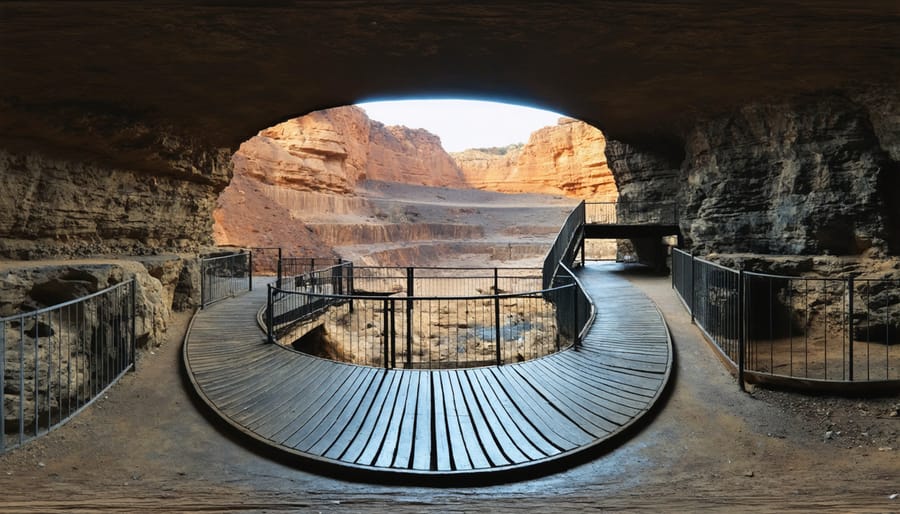
Unlike traditional zoos, this underground sanctuary offers an intimate glimpse into how wildlife thrives in complete darkness, maintaining a constant temperature of 13°C year-round. Visitors traverse carefully lit tunnels that were once bustling mining corridors, now transformed into viewing galleries where nature and industrial history intertwine. This extraordinary attraction not only preserves a vital piece of Ontario’s mining heritage but also provides crucial habitat for species that depend on these subterranean spaces for survival.
The Natural History Behind Ontario’s Underground Zoo
From Industrial Past to Wildlife Paradise
What was once a bustling iron ore mine has transformed into one of Ontario’s most fascinating wildlife sanctuaries. After mining operations ceased in the late 1980s, nature began reclaiming these underground spaces in remarkable ways. The abandoned mine’s constant temperature and shelter from extreme weather created perfect conditions for various species to establish their homes.
Similar to other cases of exploring Ontario’s natural formations, the mine’s transformation happened gradually. Bats were among the first residents, finding the cave-like environment ideal for roosting. Soon after, smaller mammals like foxes and raccoons discovered the mine’s entrance chambers made excellent dens.
What makes this site truly special is how the underground ecosystem developed naturally, without human intervention. Groundwater seepage created small pools where amphibians thrive, while mineral deposits form stunning crystalline structures that add to the cave’s otherworldly atmosphere. Today, this accidental sanctuary serves as a reminder of nature’s resilience and ability to adapt, turning what was once an industrial site into a thriving habitat for Ontario’s wildlife.
Meet the Underground Residents
Step into a fascinating world where nature has adapted to life beneath the surface. Here, you’ll encounter remarkable creatures that have made these underground spaces their home. Cave salamanders, with their distinctive pale coloring and slightly translucent skin, are frequent residents, often spotted near water droplets along the tunnel walls.
Look carefully, and you might spot the delicate cave crickets, whose extra-long antennae help them navigate in complete darkness. These resourceful insects play a crucial role in the underground ecosystem by breaking down organic matter that finds its way below ground.
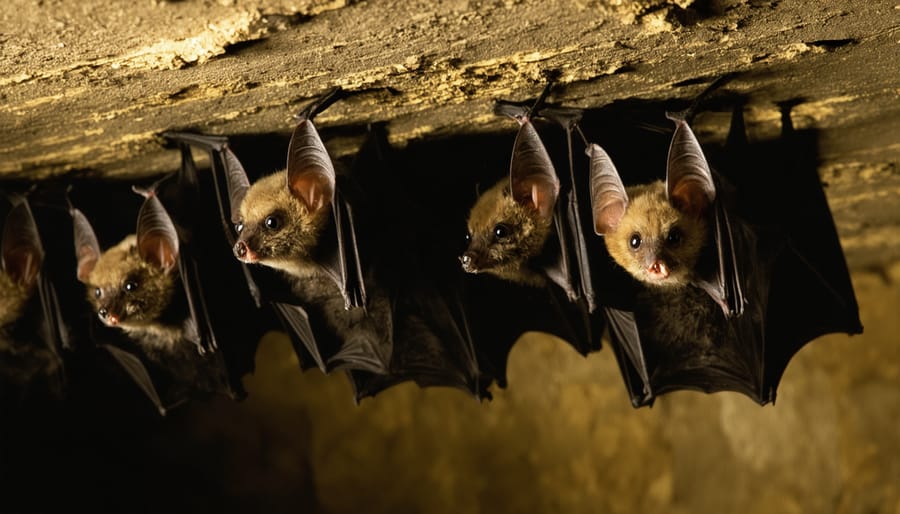
Various species of bats, including the Little Brown Bat and Northern Long-eared Bat, use these underground spaces as winter hibernation spots. During guided tours, you might see them roosting peacefully in ceiling crevices – but don’t worry, they’re sound sleepers!
Perhaps most fascinating are the blind cave fish, which have evolved without eyes in the darkness, and the unique species of spiders that have adapted to life without sunlight. These remarkable creatures remind us of nature’s incredible ability to thrive in even the most unusual environments.
Remember to keep your voice down and avoid touching any wildlife – these are their homes we’re visiting!
Planning Your Underground Wildlife Adventure
Best Times to Visit
Planning your visit to Ontario’s underground wildlife viewing tunnels requires careful timing to maximize your chances of spotting active animals. During spring and early summer (April to June), you’ll witness fascinating courtship behaviors and catch glimpses of newborn animals taking their first steps in the carefully maintained habitats.
Summer months bring extended daylight hours and warmer temperatures, making it an ideal time for families with children. The viewing areas are comfortably climate-controlled year-round, maintaining a steady 15°C (59°F), which provides welcome relief on hot summer days.
Fall presents unique opportunities as many species become more active in preparation for winter. September and October are particularly exciting months when you can observe animals storing food and adapting their behaviors for the coming cold season.
While winter might seem counterintuitive for wildlife watching, it’s actually one of the most magical times to visit. Many animals that are typically shy during warmer months become more visible as they seek warmth in the underground spaces. Early morning (8-10 AM) and late afternoon (3-5 PM) typically offer the best viewing opportunities, as these are peak activity periods for most species.
Pro tip: Book your visit during weekdays to avoid crowds and enjoy a more intimate wildlife viewing experience. Special dawn and dusk tours are available by reservation, offering unique perspectives on nocturnal animal behaviors.
Safety and Equipment Essentials
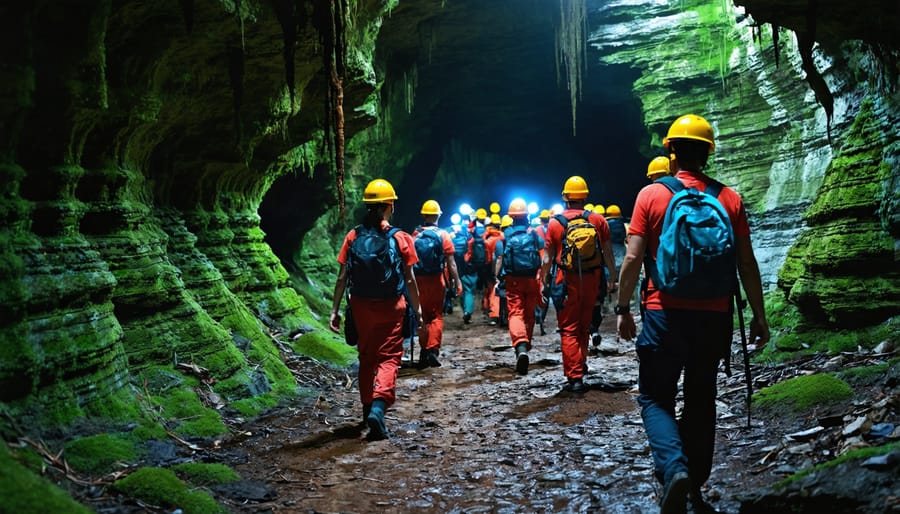
Before venturing into the underground zoo experience, it’s crucial to come prepared with the right essential safety equipment and follow proper protocols. You’ll need a hard hat, which is non-negotiable and provided by the facility. Wear sturdy, closed-toe boots with good grip – trust me, those underground passages can be slippery!
Bring along a light jacket or sweater, as the temperature stays consistently cool underground, usually around 10-13°C (50-55°F), regardless of the weather above. While the main pathways are well-lit, I always recommend bringing a small flashlight or headlamp as backup – it’s better to have it and not need it!
The facility provides safety briefings before each tour, where experienced guides demonstrate proper underground etiquette and emergency procedures. You’ll learn about designated safe zones, communication signals, and how to move through the tunnels safely.
For photographers, remember that flash photography is permitted but must be used mindfully to avoid disturbing the wildlife. Bring a camera with good low-light capabilities if possible. Keep your belongings in a small backpack that won’t bump against narrow passages.
Pro tip: Leave valuable jewelry at home – rings and necklaces can catch on rock formations. And don’t forget to bring a reusable water bottle; staying hydrated is important, even underground!
Guided Tour Options
Experience the underground zoo through our carefully curated guided tours, each designed to offer unique perspectives of this extraordinary subterranean wildlife sanctuary. Our most popular option, the “Wildlife Explorer Tour,” runs twice daily and includes expert commentary on the various species’ adaptations to underground life. Perfect for families, this 90-minute journey provides ample opportunities for wildlife photography tips from our experienced guides.
For those seeking a more immersive experience, the “Deep Discovery Tour” extends to three hours and includes access to exclusive viewing areas and behind-the-scenes glimpses of our conservation efforts. Early birds can join our “Dawn Patrol,” where you might catch nocturnal animals returning from their nighttime activities.
Small group tours (maximum 8 people) are available for a more personalized experience, while educational tours for school groups focus on wildlife biology and cave ecosystems. Photography enthusiasts will appreciate our specialized tours with extended time at prime viewing locations and professional lighting assistance.
Each tour includes safety equipment, a trained guide, and access to our interactive learning center. For the best experience, we recommend booking at least two weeks in advance, especially during peak summer months. Don’t forget to ask about our seasonal specialty tours, which highlight different aspects of underground wildlife throughout the year.
Conservation and Eco-Tourism Impact
Protecting Underground Ecosystems
As we venture underground to witness these remarkable cave-dwelling creatures, it’s crucial that we tread lightly and respect their delicate habitat. Our underground friends have adapted to specific conditions over thousands of years, and maintaining these environments is essential for their survival.
Visitors to our underground zoo follow strict guidelines to protect these unique ecosystems. We ask everyone to stay on marked pathways, avoid touching cave formations, and never feed or disturb the wildlife. Flash photography is limited to specific areas to minimize disturbance to light-sensitive species.
Our conservation team works year-round to monitor environmental conditions, including temperature, humidity, and air quality. We’ve installed special lighting systems that minimize impact on cave-dwelling creatures while allowing visitors to observe them safely. Regular scientific surveys help us track population health and habitat conditions.
Did you know that even the oils from our hands can harm delicate cave formations? That’s why we’ve implemented a “look but don’t touch” policy throughout the facility. We also maintain careful control over the number of daily visitors to prevent overcrowding and ensure sustainable tourism practices.
You can join our conservation efforts too! We offer educational programs where visitors learn about underground ecosystems and participate in citizen science initiatives. Many of our guests become passionate advocates for cave conservation after experiencing these remarkable environments firsthand.
Remember, every small action counts. By following our guidelines and sharing knowledge about these fascinating underground habitats, you’re helping preserve them for future generations to discover and enjoy.
Supporting Wildlife Research
Every visit to Ontario’s underground zoo plays a vital role in supporting crucial wildlife research and conservation efforts. Your admission ticket does more than just grant you access to this unique subterranean experience – it helps fund ongoing scientific studies that are expanding our understanding of how native species adapt to underground environments.
A portion of all visitor fees directly supports research teams who monitor the health and behavior of the animals, track population changes, and study the fascinating ways wildlife has adapted to life in these former mining tunnels. These studies have already led to groundbreaking discoveries about how certain species thrive in low-light conditions and maintain their natural rhythms despite being underground.
The facility partners with several Canadian universities, providing students and researchers with unprecedented access to study underground ecosystems. This research helps develop better conservation strategies not just for the animals in the underground zoo, but for similar species across Ontario’s natural habitats.
By visiting, you’re also supporting educational programs that teach thousands of school children each year about wildlife conservation and the importance of preserving natural habitats. The facility’s citizen science program even allows visitors to contribute to ongoing research by recording their wildlife observations during their tours.
Want to contribute more? Consider joining the “Adopt an Underground Animal” program, where your donation directly supports the care and study of specific animals. You can also participate in seasonal wildlife counting events, where visitors help researchers track population numbers and movement patterns throughout the underground network.
Remember, every photo you take and share helps raise awareness about these remarkable creatures and the importance of protecting their unique habitat for future generations.
The underground zoo offers a truly one-of-a-kind adventure that seamlessly blends Ontario’s rich mining heritage with wildlife conservation. As you emerge from this subterranean sanctuary, you’ll carry with you not just memories of unique animal encounters, but also a deeper appreciation for the innovative ways we can repurpose our industrial spaces for environmental benefit.
To make the most of your visit while helping preserve this special place for future generations, remember to book your tours in advance, especially during peak seasons. Follow your guide’s instructions carefully, keep your voices low when near the animals, and resist the urge to use flash photography, which can disturb the wildlife.
Consider visiting during off-peak hours or shoulder seasons when the animals are most active and the crowds are thinner. This not only enhances your experience but also helps distribute visitor impact throughout the year. If possible, opt for public transportation or carpool with other visitors to reduce your carbon footprint.
By supporting the underground zoo, you’re contributing to both wildlife conservation and the preservation of Ontario’s mining history. Share your experience with others, but remember to emphasize responsible tourism practices. This extraordinary attraction shows us that with creativity and care, we can transform industrial spaces into havens of education and conservation.
Plan your visit today and become part of this remarkable story where heritage meets habitat. Your adventure awaits beneath the surface!










+ There are no comments
Add yours