
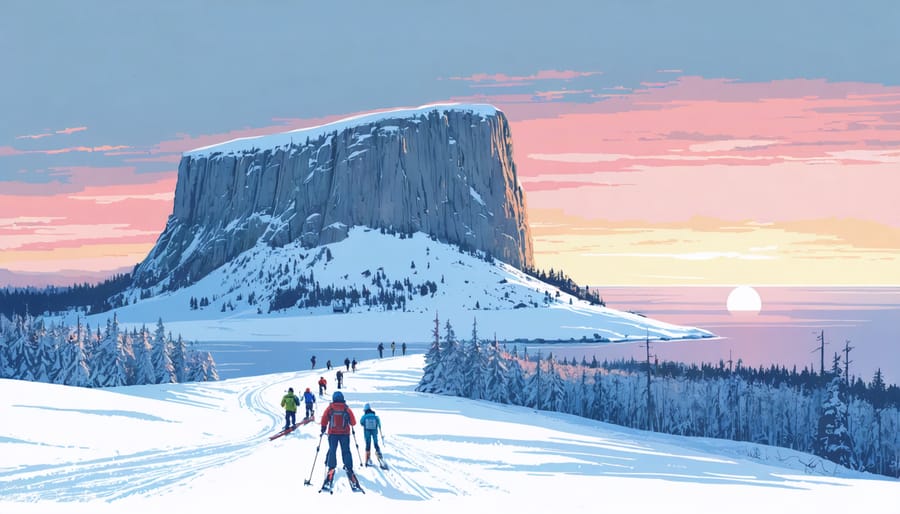
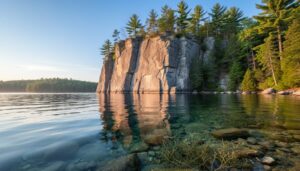
Looming majestically over Lake Superior’s northern shores, the Sleeping Giant formation stands as one of Ontario’s most iconic natural landmarks. This massive rock formation, resembling a giant lying on its back, isn’t just a spectacular sight—it’s the guardian of some of the most breathtaking wilderness experiences in Thunder Bay. Rising 750 feet above the world’s largest freshwater lake, the formation anchors Sleeping Giant Provincial Park, where rugged cliffs meet pristine wilderness across 244 square kilometers of untamed beauty.
The park’s dramatic landscape tells an ancient story, one woven into Indigenous folklore as the petrified form of Nanabijou, the Spirit of Deep Water, who was turned to stone for revealing silver deposit locations to European settlers. Today, this sleeping sentinel watches over a four-season playground where hikers, cross-country skiers, and nature enthusiasts discover world-class trails, hidden coves, and wildlife encounters that make every visit an adventure into Ontario’s wild heart.
The Majestic Sleeping Giant: Nature’s Winter Playground
The Legend Behind the Giant
According to Ojibwe legend, the legendary Sleeping Giant formation represents Nanabozho, a powerful spirit who was turned to stone for revealing the location of precious silver deposits to European settlers. The giant’s silhouette, eternally resting on its back in Lake Superior’s waters, serves as a reminder of this ancient tale.
The formation’s striking resemblance to a sleeping figure has captured imaginations for centuries. Indigenous peoples believed the area was sacred ground, telling stories of how Nanabozho protected Silver Islet, keeping its rich mineral deposits safe from those who might exploit them. When he was betrayed and the silver’s location revealed, the Great Spirit transformed him into stone as punishment, creating the magnificent mesa we see today.
Local elders still share these stories, passing down the cultural significance of this natural wonder from generation to generation. The formation’s enduring presence continues to inspire both respect for the land and appreciation for Indigenous heritage among visitors and residents alike.
Winter’s Canvas: Lake Superior’s Frozen Beauty
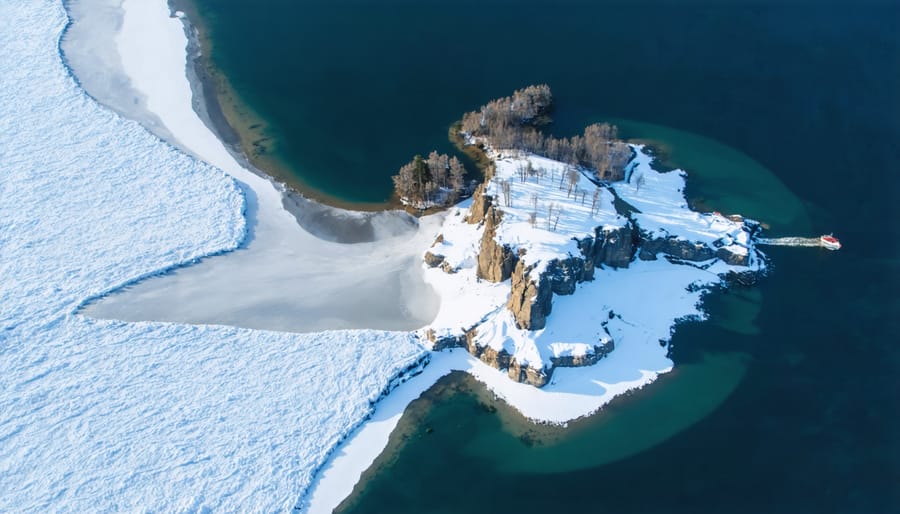
As winter descends upon Lake Superior, nature orchestrates a breathtaking transformation of the landscape around Sleeping Giant. The world’s largest freshwater lake becomes a canvas for winter’s artistry, with ice formations creating spectacular sculptures along the shoreline. Sheets of ice stretch toward the horizon, while steam rises from patches of open water in a phenomenon known as “sea smoke.”
The lake’s influence on the surrounding area creates a unique microclimate, delivering generous amounts of lake-effect snow that blankets the terrain in pristine white. This natural snow factory ensures ideal conditions for winter activities throughout the season, with an average snowfall of 2.5 meters annually.
Sunrise and sunset paint the frozen landscape in surreal hues of pink and gold, casting long shadows across the crystalline surface. The silent beauty is punctuated only by the occasional crack of shifting ice or the whisper of wind through frost-covered trees. Even on the coldest days, hardy locals say there’s no such thing as bad weather – only inappropriate clothing choices for experiencing this winter wonderland.
The Sleeping Giant Loppet Experience
Trail Options and Difficulty Levels
The Sleeping Giant trail system offers routes for every skill level, from casual hikers to seasoned adventurers. The Top of the Giant trail, while challenging with its 22-kilometer round trip, rewards hikers with breathtaking views of Lake Superior from 250 meters above the water. For beginners, the easier Sifting Lake trail provides a gentle 4-kilometer loop through peaceful boreal forest.
Intermediate hikers will enjoy the Thunder Bay Lookout trail, a moderate 9-kilometer trek offering stunning vistas without the steep climbs of more difficult routes. The South Kabeyun trail follows the shoreline for 12 kilometers, providing relatively flat terrain with frequent access to peaceful pebble beaches.
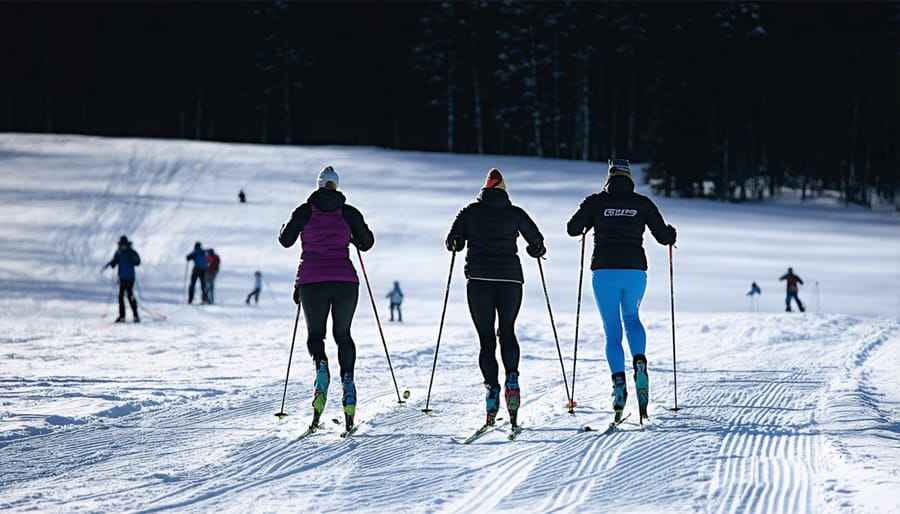
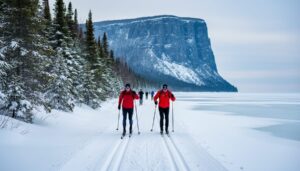
For the most experienced hikers, the Head trail combines steep terrain and technical sections across its 15-kilometer length. During winter months, many of these trails transform into excellent cross-country skiing routes, with the Talus Lake loop being particularly popular among winter sports enthusiasts.
Remember to always check trail conditions before setting out, especially during shoulder seasons when weather can be unpredictable. Each trail is clearly marked with difficulty ratings and distance markers to help you plan your adventure accordingly.
Spectacular Views Along the Route
As you trek along the Sleeping Giant’s trails, prepare to be captivated by some of Lake Superior’s most breathtaking vistas. The Top of the Giant Trail rewards hikers with a sweeping panorama from atop 250-meter cliffs, offering unobstructed views of Thunder Bay, the surrounding wilderness, and the vast expanse of Lake Superior stretching to the horizon.
The Sea Lion formation, accessible via a well-marked trail, provides excellent photo opportunities, especially during sunrise when the morning light bathes the distinctive rock formation in golden hues. Thunder Bay Lookout, reached by car or bike, offers a thrilling perspective from its glass-floored platform extending over the cliff edge.
For wildlife enthusiasts, the Kabeyun Trail along the peninsula’s western shore presents countless opportunities to spot local fauna against the backdrop of crystal-clear waters. During winter, the snow-draped landscape transforms into a photographer’s paradise, with ice formations along the shoreline creating natural sculptures that change daily with the weather.
Pro tip: The best photography lighting occurs during the “golden hours” – just after sunrise or before sunset – when the cliffs take on a warm, ethereal glow.
Planning Your Loppet Adventure
Getting There and Where to Stay
Reaching Sleeping Giant Provincial Park is a scenic journey that begins with a 60-kilometer drive east of Thunder Bay along Highway 11/17. Turn onto Highway 587 and follow it to the park entrance. For those flying in, Thunder Bay International Airport offers regular connections to major Canadian cities, with car rentals available on-site.
The park offers diverse accommodation options to suit every outdoor enthusiast. Marie Louise Lake Campground provides over 200 campsites, ranging from electrical serviced to basic tent spots, open from May to October. For year-round comfort, consider booking one of the park’s cozy cabins, which come equipped with heating and basic amenities.
For visitors seeking additional amenities, Silver Islet, a charming historic community near the park entrance, offers bed and breakfast options. Thunder Bay also provides numerous hotels and motels just an hour’s drive away. Pro tip: Book accommodations well in advance, especially during peak summer months and winter weekends when the Sleeping Giant Loppet draws crowds of ski enthusiasts.
Eco-conscious travelers can opt for the park’s backcountry camping spots, accessible via hiking trails, offering a more immersive natural experience with minimal environmental impact.
Essential Gear and Preparation Tips
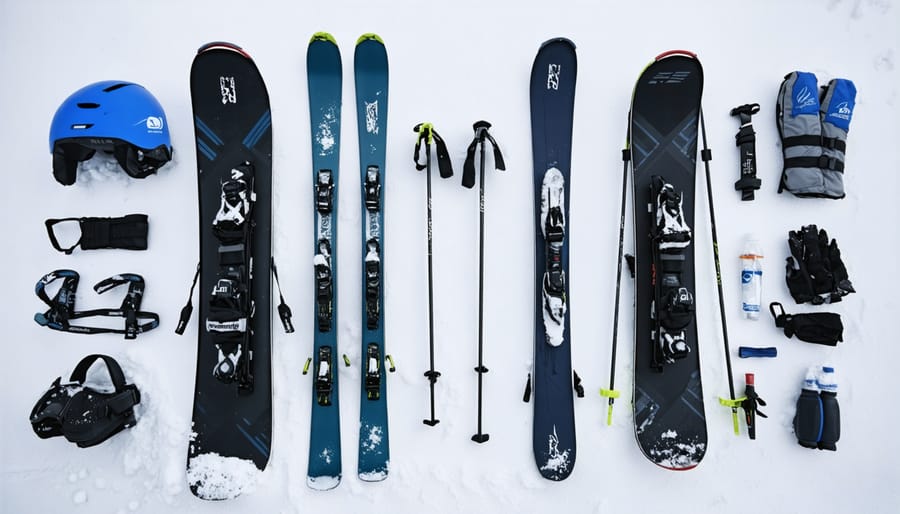
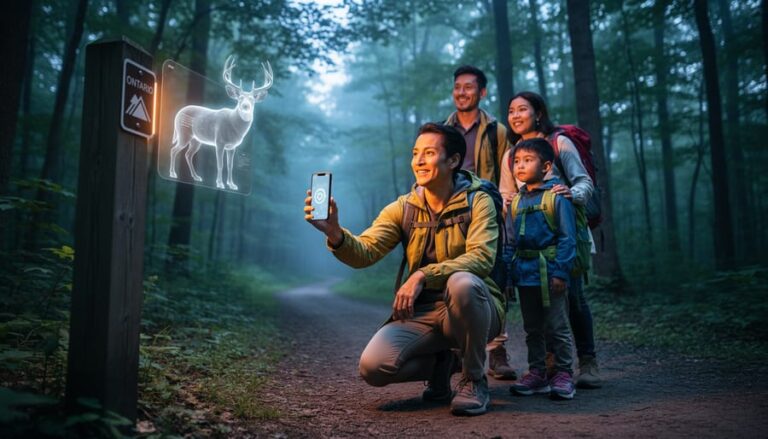
For a comfortable and safe experience at Sleeping Giant, pack layers of moisture-wicking clothing suitable for changing weather conditions. Essential gear includes sturdy hiking boots, rain gear, sunscreen, insect repellent, and plenty of water. A detailed trail map, compass, and fully charged phone are crucial for navigation. Don’t forget your camera to capture stunning Lake Superior vistas!
Pro tip: Pack high-energy snacks and a basic first-aid kit. During winter visits, bring ice cleats and warm accessories like thermal socks and hand warmers. Consider bringing binoculars for wildlife viewing and a reusable water bottle to minimize environmental impact. Early morning visitors should pack a headlamp or flashlight for dawn hikes.
Always check weather forecasts before your visit and inform someone about your hiking plans.
Participating in the Sleeping Giant Loppet offers a unique blend of athletic challenge and natural wonder that’s hard to find anywhere else. As you glide through the pristine winter landscape, surrounded by towering cliffs and snow-laden trees, you’ll understand why this event draws hundreds of skiing enthusiasts each year. Whether you’re a first-timer in the recreational category or an experienced racer tackling the 50km route, the sense of community spirit is palpable throughout the event. The post-race celebration, complete with hot chocolate and local treats, provides the perfect opportunity to share stories with fellow skiers and already start planning next year’s return. The Sleeping Giant Loppet isn’t just a ski race – it’s a celebration of winter, community, and the magnificent natural beauty that makes this corner of Lake Superior truly special.







+ There are no comments
Add yours