
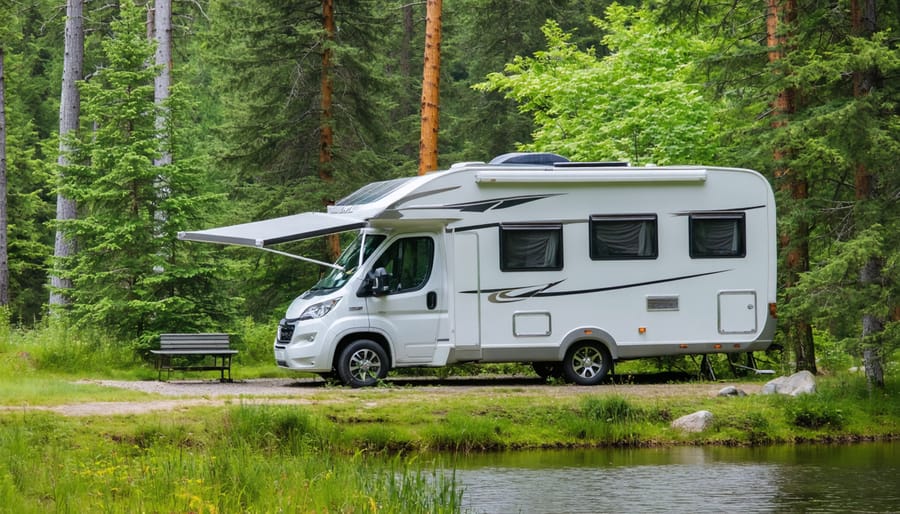
Transform your RV adventures into earth-friendly journeys across Ontario’s stunning parks with smart, sustainable choices that protect our natural spaces. Modern eco-friendly RVs combine solar power systems, energy-efficient appliances, and lightweight materials to minimize environmental impact while maximizing comfort. Whether you’re upgrading your existing rig or shopping for a new model, going green doesn’t mean sacrificing the comforts of home-on-wheels living.
Innovative features like composting toilets, LED lighting, and advanced insulation systems have revolutionized how we approach sustainable RV travel. These technologies not only reduce your carbon footprint but also enhance your camping experience by providing greater independence from hookups and lowering operating costs. Plus, with Ontario Parks’ commitment to environmental stewardship, eco-friendly RVing aligns perfectly with the province’s conservation goals while allowing you to explore its pristine wilderness responsibly.
Join the growing community of environmentally conscious RV enthusiasts who prove that luxury and sustainability can go hand in hand on the open road.
Choosing an Eco-Friendly RV
Fuel-Efficient Models
For eco-conscious travelers wanting to minimize their carbon footprint while enjoying RV camping basics, several fuel-efficient options are making waves in Ontario’s camping scene. Class B motorhomes and compact travel trailers lead the pack in fuel efficiency, typically achieving 18-25 miles per gallon compared to larger RVs that average 8-13 MPG.
Keep an eye out for innovative hybrid RVs hitting the market, like the Winnebago e-RV concept, which combines electric power with traditional fuel systems. Some manufacturers are also incorporating lightweight materials and aerodynamic designs to boost fuel economy without sacrificing comfort.
For budget-conscious campers, consider lightweight travel trailers under 3,500 pounds, which can be towed by many fuel-efficient SUVs and crossovers. Popular options include the Airstream Bambi and Winnebago Micro Minnie, both offering excellent fuel economy while providing all the essential amenities for a comfortable camping experience.
Pro tip: When selecting your RV, factor in both the initial purchase price and long-term fuel costs. A more fuel-efficient model might cost more upfront but could save you thousands in fuel expenses over time.
Solar-Ready Features
Embracing solar power is one of the best ways to make your RV more eco-friendly, and modern RVs are making this easier than ever. Many new models come pre-wired for solar installation, with dedicated roof mounting points and internal conduits for clean cable management. Look for units featuring solar-ready packages that include charge controllers and battery monitoring systems.
A typical solar setup might include 200-400 watts of panels for basic power needs, but you can easily expand this based on your energy requirements. Consider installing a combination of fixed roof panels and portable ground panels for maximum flexibility. The portable units are especially handy when parking in shaded Ontario campgrounds while still wanting to catch those sunny spots.
Pro tip: Start with a professional energy audit of your RV to determine your actual power needs. Many Ontario RV dealers offer this service and can help design a solar system that matches your camping style. Don’t forget to consider battery storage options – lithium batteries, though pricier upfront, offer better long-term performance and are more environmentally friendly than traditional lead-acid batteries.

Sustainable RV Modifications
Water Conservation Systems
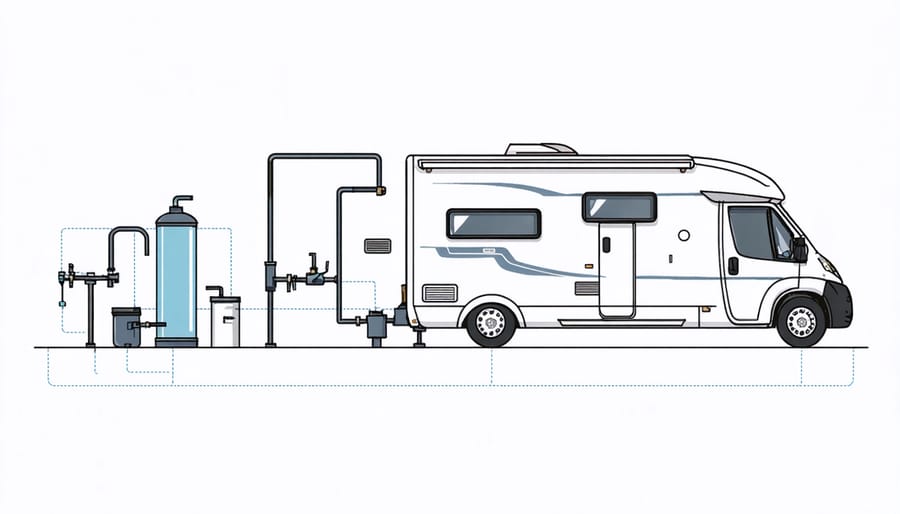
Water is precious, especially when you’re out exploring Ontario’s beautiful parks in your RV. Implementing smart water conservation systems not only helps the environment but also extends your camping adventures. Here’s how to make every drop count!
Start with a low-flow showerhead and faucet aerators – these simple upgrades can reduce water usage by up to 50% without sacrificing pressure. Install a water pressure regulator to prevent excessive flow and potential damage to your RV’s plumbing system.
Grey water recycling is a game-changer for eco-conscious RVers. Use biodegradable soaps and collect grey water from your sinks and shower in a portable tank. This water is perfect for flushing toilets or cleaning outdoor equipment. Just remember to dispose of it properly at designated dump stations.
Consider installing a water filtration system with a dual-stage filter. This allows you to safely use water from various sources and reduces the need for bottled water. Some savvy RVers I’ve met even collect rainwater using simple gutter systems on their awnings!
Monitor your usage with a water flow meter, and fix leaks immediately – even a small drip can waste gallons over time. Keep your fresh water tank only partially full when traveling to improve fuel efficiency, and use collapsible containers for backup water storage.
My favorite tip? Use a spray bottle for dishes instead of running water continuously. You’ll be amazed at how little water you actually need to get things clean!
Energy-Efficient Upgrades
Making your RV more energy-efficient isn’t just good for the environment – it’ll also save you money on your camping adventures across Ontario’s beautiful parks. Let’s start with lighting: switching to LED bulbs is a game-changer. They use about 90% less energy than traditional bulbs and last much longer, meaning fewer replacements and less waste.
Insulation is another crucial upgrade that pays off big time. Adding thermal curtains, especially in Ontario’s chilly seasons, helps maintain comfortable temperatures while reducing heating needs. Consider installing reflective window films to keep the heat out in summer and in during winter. Don’t forget about door and window seals – replacing worn weatherstripping can make a huge difference in energy efficiency.
Smart power management systems are worth the investment, helping you monitor and control energy usage. Installing a solar power system, even a small one, can reduce your reliance on generator power – perfect for those peaceful mornings in Algonquin Park when you want your coffee maker running without disturbing the wildlife.
For water efficiency, low-flow faucet aerators and showerheads can cut water usage by up to 50%. Consider upgrading to a tankless water heater – they’re more efficient and provide hot water on demand. Remember, every drop counts when you’re dry camping!
Pro tip: Start with small upgrades and monitor their impact. You might be surprised how much difference these changes make to both your carbon footprint and camping budget.
Green Camping Practices
Zero-Waste Camping Tips
Planning ahead is key to achieving a zero-waste camping experience in your RV. Start by packing reusable containers, cloth napkins, and washable dishes instead of disposable options. Bring along a set of mesh produce bags for shopping at local markets, and always keep a few reusable water bottles filled for your adventures.
Set up a simple sorting system in your RV with separate bins for recyclables, compostables, and trash. Many Ontario Parks have recycling facilities, but it’s worth checking ahead which materials they accept. For food scraps, use a sealed compost container and dispose of it properly at designated composting sites.
Consider creating a “leave no trace” kit with environmentally friendly cleaning supplies, like biodegradable soap and reusable cleaning cloths. When shopping for supplies, choose products with minimal packaging and opt for bulk items when possible.
Remember to properly dispose of grey water at designated dump stations, and never release it directly onto the ground. Before leaving your campsite, do a final sweep to ensure you haven’t left any trace behind – even small bits of trash can harm wildlife and take years to decompose.
Eco-Friendly Site Selection
When choosing your campsite, remember that being eco-conscious starts before you even park your RV. Look for designated RV sites within established campgrounds that follow Ontario Parks camping guidelines. These spots are specifically designed to minimize environmental impact while providing necessary hookups.
Always park on durable surfaces like gravel pads rather than grass or natural areas. This helps prevent soil compaction and protects native vegetation. Keep your RV within the designated parking area and avoid expanding your “living space” into surrounding natural areas.
When setting up camp, use existing fire rings and picnic areas instead of creating new ones. Consider using solar-powered lighting for your campsite to reduce energy consumption. Place a mat outside your RV door to catch dirt and prevent tracking it inside, reducing the need for excessive cleaning with harsh chemicals.
Before leaving, thoroughly inspect your site for trash, even tiny bits like bottle caps or food wrappers. Remember, proper site selection and maintenance not only preserves nature but also ensures future campers can enjoy the same pristine experience you did.
Sustainable Supplies
When stocking your RV for your Ontario adventures, choosing the right eco-friendly camping gear makes a huge difference. Start with reusable water bottles and containers instead of disposable ones – they’re perfect for storing drinking water and keeping leftovers fresh. Consider bamboo or stainless steel utensils and dishes rather than plastic versions, as they’re more durable and environmentally friendly.
Solar-powered lanterns and LED lights are fantastic alternatives to traditional battery-operated lighting. They’re energy-efficient and perfect for those starlit Ontario evenings. Pack biodegradable soap and cleaning products to minimize your impact on the local ecosystem, especially when you’re near lakes and rivers.
Don’t forget to bring cloth shopping bags, reusable food wraps, and washable cleaning cloths instead of paper towels. A good quality cooler with excellent insulation will reduce your need for ice and help conserve energy. For outdoor cooking, look into portable solar ovens or efficient propane stoves that minimize fuel consumption while still letting you enjoy those classic camping meals under the Ontario sky.
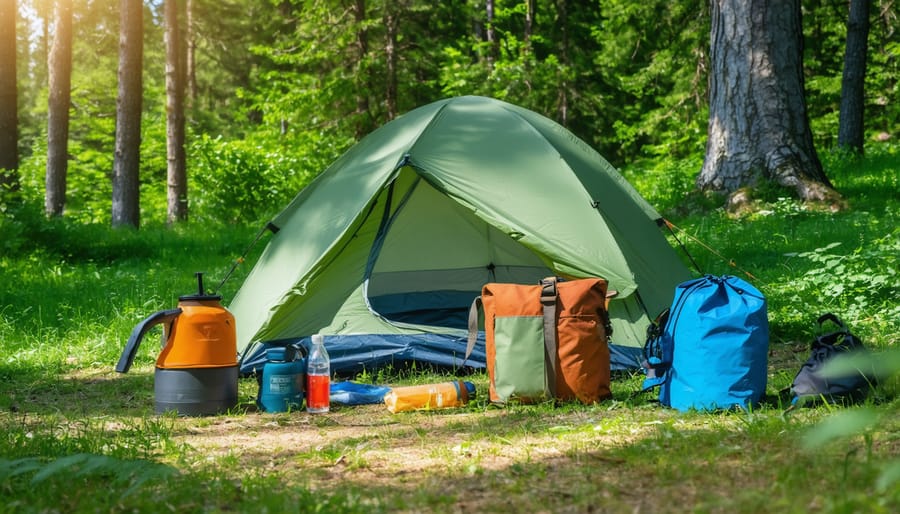
Embracing eco-friendly RVing isn’t just a trend – it’s a meaningful way to preserve the natural beauty we all love to explore. By making conscious choices in our RV adventures, from solar panels to water-saving fixtures, we’re helping protect Ontario’s magnificent parks and wilderness areas for future generations to enjoy.
Remember, every small step counts. Whether you’re upgrading to LED lights, using biodegradable cleaning products, or simply being mindful of your waste, you’re contributing to a more sustainable camping culture. The beauty of eco-friendly RVing lies in its ability to combine comfort with conservation, allowing us to experience nature without compromising it.
As more RV enthusiasts adopt green practices, we’re seeing a positive shift in camping culture. Campgrounds are becoming cleaner, wildlife is thriving, and our carbon footprint is shrinking. Plus, many eco-friendly modifications can save you money in the long run through reduced energy and water consumption.
So, as you plan your next RV adventure, consider how you can make it a little greener. Pack reusable items, maintain your RV properly, and always follow Leave No Trace principles. Remember, the great outdoors is our shared home away from home – let’s treat it with the respect it deserves. Happy eco-friendly camping!










+ There are no comments
Add yours