
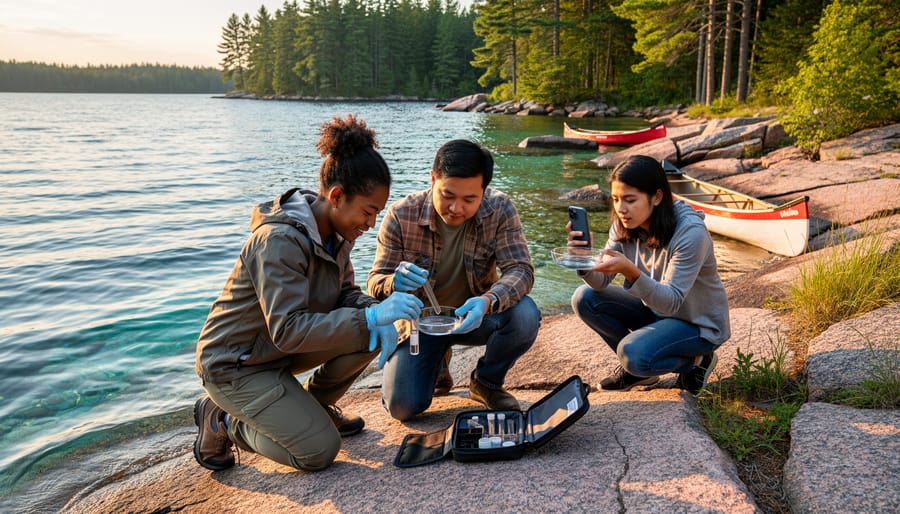
Picture yourself kneeling beside a crystal-clear stream in Algonquin Park, test tube in hand, watching tiny aquatic insects swirl in the current. You’re not just enjoying nature—you’re becoming a guardian of one of Earth’s most precious resources. Freshwater habitats, from the mighty Great Lakes to hidden forest creeks, cover less than 1% of our planet’s surface yet support nearly half of all fish species and provide drinking water for billions of people. These delicate ecosystems face mounting pressures from pollution, climate change, and habitat loss, making their protection more urgent than ever.
Here’s the exciting part: you don’t need a PhD to make a real difference. Citizen scientists across Ontario are already collecting data that helps researchers track water quality, identify threatened species, and detect environmental changes years before they become crises. Armed with simple tools—a thermometer, pH strips, or even just your smartphone camera—you can contribute valuable observations that fill critical gaps in scientific knowledge. Whether you’re a curious parent seeking educational adventures with your kids, a nature enthusiast eager to deepen your connection with local waterways, or a recreational paddler who wants to give back to the places you love, citizen science transforms ordinary outdoor excursions into meaningful conservation work. Every measurement you take, every creature you identify, helps paint a clearer picture of freshwater health across our province.
What Is Freshwater Habitat (And Why It Matters More Than You Think)

The Building Blocks of Healthy Freshwater
Think of freshwater habitat health like reading the vital signs of a living, breathing ecosystem. Just as a doctor checks your pulse and temperature, scientists look at specific indicators that tell the story of how well a lake, river, or wetland is doing.
Water quality sits at the heart of it all. Clear water that looks clean isn’t always healthy, though. Scientists measure things like oxygen levels (fish need to breathe too!), temperature, and pH balance. They also check for nutrients like phosphorus and nitrogen. Too much of these nutrients can trigger algae blooms that turn water green and murky, stealing oxygen from fish and other creatures.
Aquatic plants act as nature’s filters and nurseries. When you spot healthy beds of underwater vegetation swaying in the current, that’s a great sign. These plants produce oxygen, provide hiding spots for young fish, and help keep shorelines stable. I’ve watched minnows dart between pondweed stems in Algonquin Park, a perfect example of this underwater dance.
Fish populations tell us whether the whole system is working. A diverse mix of species, from tiny darters to larger bass, indicates a balanced food web. Scientists count fish and look for signs of disease or deformities that might signal pollution problems.
The insect world matters more than you might think. Mayflies, dragonflies, and caddisflies spend their youth underwater. Some species can only survive in pristine conditions, so finding them is like discovering nature’s gold star of approval.
Physical features round out the picture. Natural shorelines with rocks and logs, varied depths, and cool-water springs all contribute to habitat diversity. These elements create the complex neighborhoods where freshwater communities thrive.
Threats Lurking in Our Waterways
Ontario’s freshwater habitats face some real challenges, but here’s the encouraging part: when folks like you keep their eyes open during lake visits and paddling trips, problems get spotted before they spiral out of control.
Invasive species top the list of concerns. Zebra mussels, spiny water fleas, and aggressive aquatic plants like Eurasian watermilfoil can muscle out native species and throw entire ecosystems off balance. The good news? Early detection makes a huge difference. When cottagers and kayakers report unusual plants or creatures through aquatic invasive species tracking programs, resource managers can respond quickly.
Pollution remains an ongoing issue, from agricultural runoff causing algae blooms to microplastics finding their way into remote lakes. Even small contributions matter here – picking up litter during your beach day or using phosphate-free products helps protect water quality.
Climate change is reshaping our waterways too, with warmer temperatures affecting fish populations and water levels fluctuating more dramatically. Participating in climate change monitoring helps scientists understand these shifts in real-time.
Development pressures near shorelines can disrupt natural filtration systems and wildlife corridors, making undeveloped park areas increasingly precious.
Here’s my insider tip: snap photos of anything that looks out of place during your water adventures. That simple act of observation, combined with a quick report, contributes valuable data that helps protect these special places for future generations.
Citizen Science: Your Chance to Make Real Impact
Programs You Can Join Right Now
Ready to roll up your sleeves and make a real difference in Ontario’s freshwater ecosystems? Great news – there are fantastic programs waiting for you right now, and most require nothing more than curiosity and a willingness to explore our beautiful waterways.
FreshWater Watch is a perfect starting point if you’re new to citizen science. This global initiative has a strong presence in Ontario, where volunteers collect water samples from local streams, rivers, and lakes. You’ll measure nitrate and phosphate levels using simple test kits that anyone can master in about fifteen minutes. Sign up through their website, request a free testing kit, and you’re ready to go. I love this program because you can do it during a regular park visit – just fifteen minutes of sampling while the kids skip stones nearby.
The Ontario BioBlitz events are my personal favorite for families. These intensive 24-hour biological surveys happen throughout the summer at various provincial parks. You’ll join expert naturalists and fellow nature lovers to document every species you can find. From dragonflies to water beetles to aquatic plants, everything counts. Check the Ontario Parks website for upcoming dates, and register early because spots fill quickly. Insider tip: bring headlamps for the evening moth and bat surveys – they’re absolutely magical.
For early risers, the Marsh Monitoring Program coordinates frog call surveys each spring. You’ll visit assigned wetland locations three times between April and July, listening for different frog species and recording what you hear. The training is free and conducted online, making it incredibly accessible. There’s something special about standing beside a marsh at dawn, coffee in hand, distinguishing between spring peepers and chorus frogs.
Stream Health Monitoring programs operate through various conservation authorities across Ontario. These hands-on initiatives teach you to identify benthic macroinvertebrates – the tiny creatures living in stream beds that indicate water quality. Finding mayfly nymphs means excellent water quality, while lots of aquatic worms suggest problems. Connect with wildlife conservation groups in your region to find local programs.
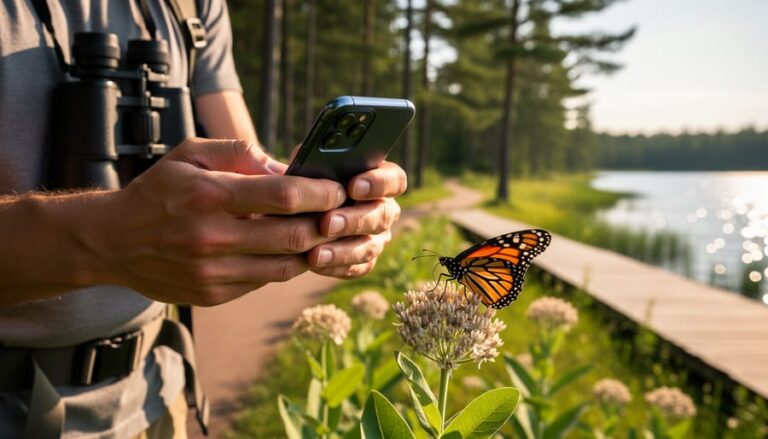
If you’re interested in biodiversity mapping programs or invasive species monitoring, iNaturalist is your go-to app. Download it free, photograph aquatic plants and animals, and the community helps identify species while contributing valuable distribution data. It’s perfect for casual participants who want to contribute during camping trips or cottage weekends.
What You’ll Actually Be Doing
Here’s the good news: you don’t need a biology degree or fancy equipment to get started. Most freshwater monitoring programs simply ask you to observe and record what you see during your regular park visits.
On a typical monitoring day, you might collect a small water sample using a provided kit (think filling a bottle from the shore, nothing complicated). You’ll record basic observations like water clarity, temperature, and whether you spot any visible algae or debris. Many programs use smartphone apps that walk you through each step, making it as simple as answering a few questions and snapping photos.
Species identification sounds intimidating, but it’s actually quite fun. You’re usually looking for indicator species like certain frogs, dragonflies, or fish that tell scientists about water quality. Most programs provide picture guides or apps with photo recognition, so you’re essentially playing a matching game with nature. I’ve watched complete beginners confidently identify their first northern leopard frog within minutes.
Photography is your best friend here. Can’t identify that turtle? Snap a clear photo and upload it. The program coordinators or fellow volunteers can help you figure it out later.
Insider tip: Early morning visits between May and September give you the best action. The water is calmer, wildlife is more active, and you’ll beat the crowds at popular spots like Algonquin’s lakes or the shores along Lake Ontario. Plus, the lighting is perfect for those identification photos. Most monitoring takes just 30 minutes once you get the hang of it.

Your First Freshwater Monitoring Adventure: A Step-by-Step Experience
Gear and Prep (Keep It Simple)
Good news: you probably have everything you need already! Most monitoring activities require just the basics—a notebook or smartphone for recording observations, a camera (your phone works great), comfortable walking shoes, and weather-appropriate clothing. If you’re checking water clarity, a simple white disc tied to a string does the trick. Many programs provide field guides or apps to help identify species, so you won’t need to be an expert botanist.
Here’s an insider tip: bring a reusable water bottle and pack out everything you pack in. Freshwater habitats are incredibly sensitive to pollution, so even small bits of trash can impact the ecosystem you’re there to help. Consider using reef-safe sunscreen if you’ll be near the water, as conventional sunscreens contain chemicals that harm aquatic life.
A lightweight, waterproof bag protects your gear during lakeside observations, and a small first-aid kit is always smart for outdoor adventures. Some citizen scientists love bringing binoculars for bird watching along shorelines—it’s not required, but it adds another layer of enjoyment to your monitoring visits. The beauty of this hobby is its accessibility. You don’t need expensive equipment or specialized training to make meaningful contributions to freshwater conservation.
Tips from Seasoned Volunteer Monitors
Veteran monitor Sarah Chen has been testing water at her local creek for five years, and her biggest tip? “Start small and be consistent. Pick one nearby spot you already visit regularly—maybe where you walk your dog or have morning coffee—and monitor it monthly. You’ll notice seasonal patterns you’d completely miss with random visits.”
The most common beginner mistake? Getting too ambitious with equipment. “People buy expensive test kits their first time out, then feel overwhelmed,” explains Tom Rodriguez, who coordinates a group in Muskoka. “Start with simple temperature checks and visual observations. You can always add complexity later.”
Engaging kids turns out to be surprisingly easy. Michelle Park discovered her daughter loved “being a water detective” once she could record findings in her own field journal. “Let them get muddy! Kids naturally want to turn over rocks and catch critters. Channel that curiosity by teaching them what they’re finding.”
Making monitoring part of your routine is key to long-term participation. James Wu brings his test kit on canoe trips. “I already paddle most weekends. Taking ten minutes to collect samples doesn’t change my plans—it enhances them. I feel more connected to these waterways now.”
The veterans all agree: don’t stress about perfection. “Your data matters even if you miss a month or make a mistake,” Sarah emphasizes. “Scientists expect variability in citizen science. What matters is you’re out there, paying attention, and contributing to the bigger picture of freshwater health across Ontario.”

Combining Monitoring with Your Ontario Adventures

Best Parks for Citizen Scientists
Ready to turn your nature explorations into meaningful science? Ontario’s provincial parks offer some of the best opportunities to combine stunning scenery with hands-on conservation work. Here are my top picks for parks where you can make a real difference while enjoying incredible freshwater environments.
Frontenac Provincial Park stands out as a citizen scientist’s dream destination. Located in the scenic Frontenac Arch, this park hosts regular water quality monitoring programs that welcome volunteers year-round. The park’s 22 pristine lakes provide diverse sampling opportunities, and park staff are genuinely excited to teach you proper testing techniques. I love that you can paddle out to your monitoring site in the morning, collect your samples, then spend the afternoon hiking the park’s beautiful granite ridges. The park’s FrogWatch program is particularly active here, making spring evenings filled with chorus frog calls an ideal time to visit.
Algonquin Provincial Park, Ontario’s iconic wilderness destination, runs one of the province’s longest-running lake monitoring programs. With over 2,400 lakes within its boundaries, there’s always a waterbody needing attention. The park’s Lake Partner Program makes it easy to adopt a lake during your camping trip. Park naturalists lead weekly workshops at the visitor centre, teaching identification skills for aquatic insects and plants. Insider tip: visit during the shoulder seasons in May or September when the lakes are less crowded but monitoring is just as crucial.
Bon Echo Provincial Park offers a unique blend of dramatic landscapes and accessible science. The park’s partnership with local universities means you might find yourself working alongside professional researchers, learning advanced techniques while contributing to real studies. The park’s distinctive Mazinaw Rock provides a stunning backdrop for your waterside data collection.
Here’s the truth: you don’t need a science degree to become a guardian of Ontario’s waterways. Every time you dip a test strip into a lake, photograph a species, or log your observations, you’re contributing to something much bigger than yourself. You’re part of a growing community of water stewards who care deeply about the places they love.
The beauty of freshwater monitoring is that it meets you where you are. Maybe you start by downloading an app during your next cottage weekend. Perhaps you join a local stream cleanup that includes water testing. Or you might discover that those early morning canoe trips become even more meaningful when you’re collecting data for conservation. Each small action ripples outward, creating real change.
And the rewards? They’re immediate and personal. You’ll notice things you never saw before—the dragonfly nymphs that indicate clean water, the seasonal changes in clarity, the intricate web of life beneath the surface. You’ll meet neighbors and fellow nature lovers who share your passion. Most importantly, you’ll carry the deep satisfaction of knowing your time outdoors matters to science and conservation.
So here’s your invitation: become a water guardian. Choose one monitoring activity that sparks your curiosity. Reach out to a local organization. Take that first step. Ontario’s lakes, rivers, and wetlands need you, and honestly, you might just find that you need them too. The water is waiting—and so is your adventure in citizen science.









+ There are no comments
Add yours