
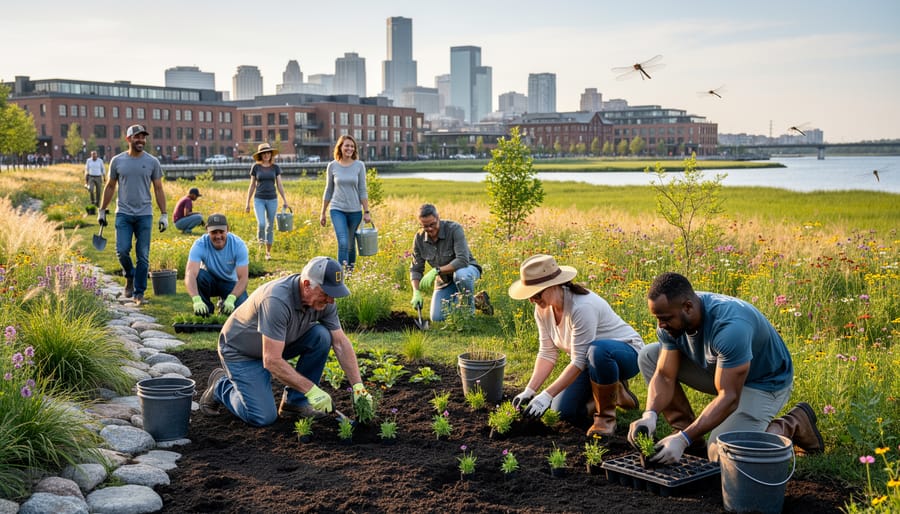
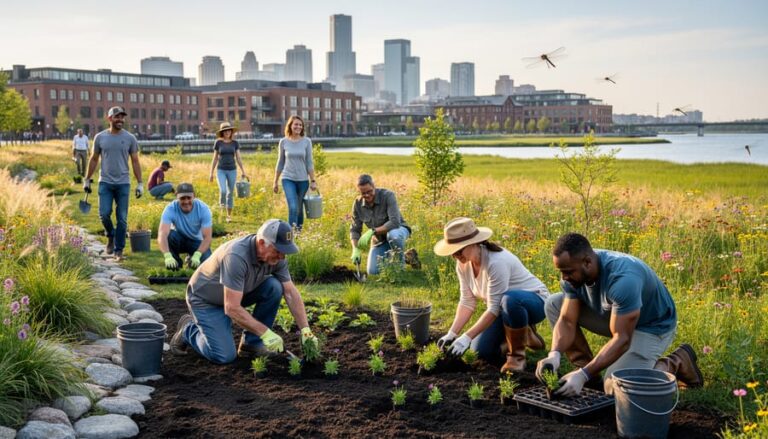
Abandoned lots transformed into butterfly meadows. Crumbling industrial waterfronts reborn as thriving wetlands. Forgotten urban corners buzzing with native pollinators. Across Ontario, volunteers are rolling up their sleeves to reclaim neglected city spaces and turn them into vibrant natural habitats that welcome both wildlife and people.
These aren’t your typical conservation projects tucked away in remote wilderness. Urban habitat revitalization brings nature directly into neighborhoods, creating green oases where concrete once dominated. From Toronto’s pocket prairies to Ottawa’s community rain gardens, these volunteer-driven initiatives are reshaping how we experience nature in cities, proving you don’t need to drive hours to find authentic outdoor experiences.
What makes these projects especially compelling for visitors is their dual identity. They’re simultaneously conservation success stories and accessible tourist destinations where you can witness ecological transformation firsthand. Walk through a restored ravine that was once filled with invasive species. Watch dragonflies hover over bioswales that capture stormwater. Photograph migrating birds resting in urban meadows planted by local volunteers.
The beauty of urban habitat projects lies in their approachability. Whether you’re an Ontario resident looking for weekend nature escapes close to home or a visitor wanting authentic environmental experiences beyond traditional parks, these revitalized spaces offer something remarkable: the chance to see nature actively reclaiming our cities, one volunteer workday at a time.
What Urban Habitat Revitalization Really Means
The Natural Connection to Ontario’s Parks
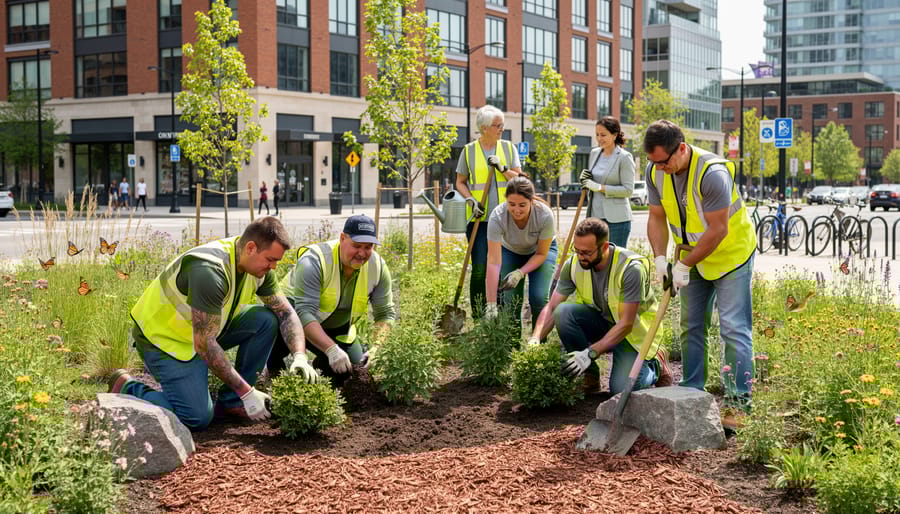
Just as Ontario Parks protects and showcases our natural heritage across the province, volunteer-driven urban projects bring that same spirit of conservation right to our city neighborhoods. Think of these green spaces as mini-parks woven into the urban fabric—each one a testament to what happens when communities roll up their sleeves.
These urban oases mirror what you’ll find in provincial parks, just on a more intimate scale. Native wildflowers that thrive in Frontenac or Algonquin also flourish in revitalized Toronto ravines and Hamilton hillsides. The same wildlife conservation groups working to protect species in remote regions are helping city dwellers create pollinator corridors and bird sanctuaries between buildings.
Here’s an insider tip: visit these urban habitats during early morning hours, just as you would a traditional park. You’ll spot migrating songbirds, busy bees collecting pollen, and maybe even catch volunteers tending to native plantings. It’s the same authentic nature experience, minus the highway drive. These spaces prove that Ontario’s outdoor adventure doesn’t end at city limits—it simply transforms, becoming accessible to anyone who can hop on a bus or bike.
Ontario Cities Leading the Charge
Toronto’s Ravine Revival Stories
Every weekend, groups like the Friends of Toronto Ravines head into the city’s network of green valleys armed with gloves, native plant seedlings, and remarkable determination. These grassroots heroes have transformed neglected ravine spaces into thriving wildlife corridors that feel worlds away from urban streets.
Take the Taylor Creek restoration project, where volunteers spent five years removing invasive buckthorn and replanting 10,000 native trees and shrubs. Today, the ravine buzzes with birdsong and attracts hundreds of nature photographers each spring. Local volunteer Sarah Chen shares an insider tip: “Visit early morning in May when wildflowers carpet the forest floor—it’s absolutely magical.”
The Don Valley restoration teams focus on invasive species control while creating accessible trails that welcome everyone. Their work has opened previously impenetrable areas to hikers, making Toronto’s ravine system a genuine eco-friendly attraction. Many restored sections now feature interpretive signs explaining the ecological comeback story you’re walking through—a powerful reminder that community action creates real change you can experience firsthand.
Ottawa’s Urban Pollinator Gardens
What started as a modest community project has blossomed into something quite extraordinary across Ottawa’s downtown core. Local volunteers have transformed formerly neglected pocket parks and vacant lots into thriving pollinator gardens that now rival some of the city’s official attractions for Instagram-worthy moments.
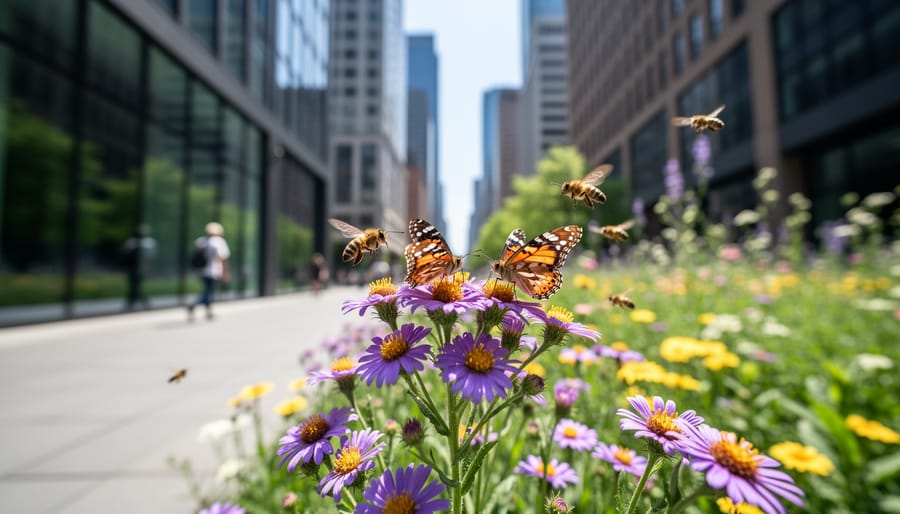
The ByWard Market Pollinator Corridor, stretching along York Street, features native milkweed, black-eyed Susans, and purple coneflowers that attract thousands of monarch butterflies during migration season. I’ve watched tourists stumble upon these gardens accidentally and spend an hour photographing bees working their magic among the blooms. The best time to visit? Early morning in July and August, when the light is perfect and the gardens are buzzing with activity.
Over in Hintonburg, the Parkdale Butterfly Garden has become a surprise favourite with families and nature photographers. Volunteers host free identification walks on Saturday mornings, teaching visitors about native species while sharing their journey of converting a former dump site into this flourishing habitat.
Insider tip: bring a macro lens or use your phone’s close-up setting to capture incredible bee portraits. These gardens prove that urban nature spaces don’t need grand budgets, just dedicated communities willing to get their hands dirty.
Smaller Communities Making Big Impact
You don’t need to live in Toronto to experience incredible urban nature transformations. Mid-sized Ontario cities are punching above their weight when it comes to volunteer-driven habitat projects, and they’re creating some truly special places worth a visit.
Kingston’s community volunteers have transformed former industrial waterfront sites into thriving bird-watching corridors along Lake Ontario. Local nature enthusiasts meet every weekend to plant native species and maintain trails that now attract migratory waterfowl by the thousands. The best part? These intimate spaces feel like secret gardens compared to busier urban parks.
In Peterborough, volunteers have turned neglected creek beds into urban salmon habitat. You can actually watch fish migrations right downtown now, thanks to hundreds of hours of community effort restoring stream banks and removing invasive plants. It’s become a popular spot for families and photographers alike.
Guelph’s community gardens program has woven pollinator pathways throughout residential neighborhoods, creating a connected network of butterfly and bee habitats. Walking these routes feels like following a living treasure map through the city.
These smaller communities prove that big impact doesn’t require big budgets—just dedicated people willing to get their hands dirty.
How to Experience These Urban Nature Gems
Insider Tips for Urban Nature Exploration
Want to make the most of your urban nature adventures? Here’s the inside scoop to help you discover these hidden green gems like a local.
Timing is everything when exploring volunteer-driven habitats. Early mornings on weekdays offer the quietest experience – you’ll often have pollinator gardens and wetlands practically to yourself, plus the light is perfect for photos. Weekend afternoons bring a livelier atmosphere when volunteer groups are actively working, giving you the chance to chat with passionate locals who know every corner of these spaces.
Pack light but smart: bring a reusable water bottle, your phone or camera for capturing wildlife moments, and comfy walking shoes that can handle unpaved trails. I always tuck a small notebook in my pocket to jot down plant names or sketch interesting features – it makes the experience more memorable and helps you learn as you go.
For photography enthusiasts, these revitalized spaces are absolute treasures. Focus on macro shots of native wildflowers, capture bees and butterflies in action, or document the striking contrast between natural habitats and urban skylines. Golden hour transforms these spaces into something magical.
Finding lesser-known projects takes a bit of detective work, and that’s part of the fun. Check municipal park websites, follow local conservation groups on social media, and don’t hesitate to ask park staff about nearby restoration areas. Community Facebook groups and neighbourhood associations often share updates about new habitat projects before they hit mainstream tourism guides. Sometimes the best discoveries happen when you simply wander residential streets and follow the sound of birdsong to unexpected pocket parks.
Connecting Urban Projects with Park Adventures
Here’s the thing about urban habitat projects—they make perfect pit stops on your way to bigger Ontario adventures. Planning a weekend getaway to Algonquin or heading north to explore the Shield? Consider weaving in a morning visit to a revitalized urban wetland or community forest along your route.
I love combining a dawn bird walk at a city nature preserve with an afternoon hike in a provincial park. The contrast is eye-opening. You’ll spot different species adapted to urban life, then compare their wilderness cousins just hours later. Many urban projects actually partner with larger conservation areas, creating ecological corridors you can literally follow from downtown green spaces to wilder terrain.
Try this insider tip: Start your day with biodiversity mapping at an urban habitat site, then picnic at a nearby provincial park. You’ll contribute meaningful data while enjoying two completely different ecosystems in one memorable day.
Several urban projects offer weekend workshops that pair beautifully with camping trips. Check community calendars before you head out—you might catch a native plant sale or guided nature walk that adds unexpected richness to your itinerary without derailing your main adventure.
Join the Movement: Volunteering While You Visit
Eco-Friendly Tourism Through Volunteering
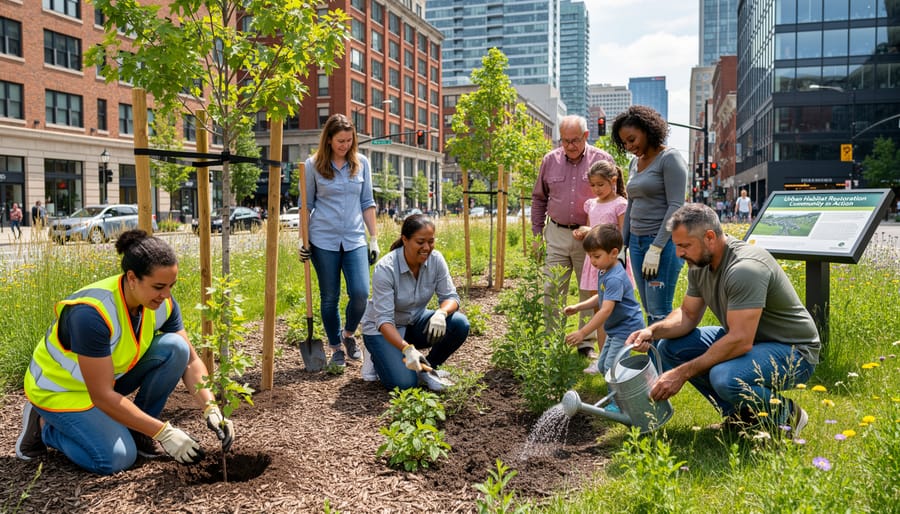
Choosing to volunteer with urban habitat projects transforms your travels from simple sightseeing into meaningful contribution. You’re not just snapping photos of green spaces—you’re actively creating them. This approach resonates deeply with eco-conscious travelers who want their footprints to leave positive impacts rather than just carbon emissions.
When you roll up your sleeves to plant native wildflowers in a community garden or help maintain a pollinator pathway, you’re instantly connected to locals who share your values. These aren’t scripted tour-group interactions; they’re genuine relationships built through shared purpose. You’ll swap stories over garden tools, learn insider secrets about the neighborhood’s best coffee shops, and discover hidden natural gems that guidebooks miss entirely.
The beauty of volunteer tourism lies in its authenticity. You experience cities as residents do, understanding the challenges and triumphs of creating green spaces in urban environments. Plus, it’s budget-friendly—most volunteer opportunities are free, and you’re contributing to long-term sustainability rather than short-term commercial tourism. Many projects welcome drop-in volunteers, making it easy to dedicate just a morning or afternoon during your Ontario travels while still making a real difference.
What to Expect When You Volunteer
Ready to roll up your sleeves? Urban habitat revitalization projects welcome volunteers of all skill levels, and no green thumb is required. You’ll typically spend your time planting native wildflowers and trees, removing invasive species like garlic mustard, building pollinator gardens, or helping construct rain gardens that manage stormwater naturally. Most projects run weekend sessions lasting two to four hours, making them perfect additions to your Ontario travel itinerary.
Dress practically in clothes you don’t mind getting dirty, sturdy closed-toe shoes, and layers that suit the weather. Bring work gloves, a reusable water bottle, and sunscreen. Many organizations provide tools, but check ahead. Groups like Green Venture in Hamilton and Toronto Urban Growers often host drop-in sessions requiring no advance commitment.
Insider tip: Time your visit during spring or fall planting seasons when projects are most active. Check local conservation authorities and municipal websites for volunteer restoration opportunities near your destination. Many projects combine volunteering with educational walks, giving you deeper insight into urban ecosystems while contributing meaningfully to Ontario’s green spaces. You’ll leave with dirt under your nails and stories worth sharing.
Ontario’s urban habitat revitalization projects beautifully bridge the gap between city living and wilderness experiences, proving that incredible nature encounters aren’t always found far from home. These community-driven spaces represent an exciting evolution in how we think about outdoor adventure—they’re not just parks, but living classrooms where residents become stewards of the land while creating welcoming havens for both wildlife and people.
What makes these urban nature spaces truly special is their accessibility and the passionate communities behind them. Whether you’re watching butterflies dance through a meadow that was once a parking lot, or walking trails maintained by neighbours who genuinely care about sharing nature’s wonders, you’re experiencing something authentically Ontario. These projects show us that conservation doesn’t require pristine wilderness—sometimes the most meaningful environmental work happens right in our own backyards.
Next time you’re planning an Ontario getaway, consider adding these hidden urban gems to your itinerary. Bring your binoculars, your curiosity, and maybe even a few hours to volunteer. You’ll discover a different kind of outdoor experience—one where adventure meets community, where nature reclaims forgotten spaces, and where every visitor becomes part of the story. These revitalized habitats are waiting to surprise you.








+ There are no comments
Add yours