
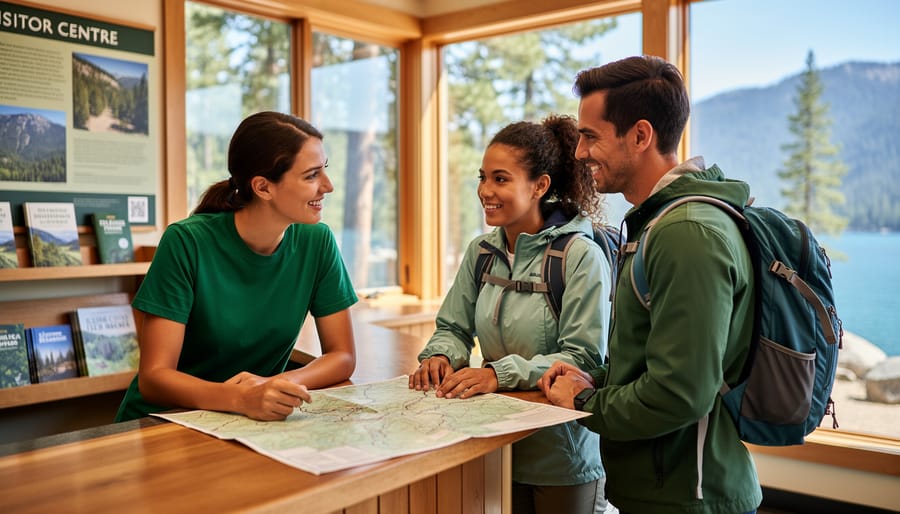
Stop at the visitor centre before heading to your campsite or trailhead—you’ll save time, avoid wrong turns, and discover hidden gems most people miss. These welcoming hubs serve as your gateway to Ontario’s stunning provincial parks, offering everything from day-use permits and backcountry camping registrations to trail condition updates and wildlife sighting reports. The friendly staff behind the counter aren’t just there to process transactions; they’re passionate local experts who know which beaches are less crowded on weekends, where to spot moose at dawn, and which portage routes to avoid after heavy rain.
Think of your visitor centre stop as getting the inside scoop from a knowledgeable friend. You’ll find detailed park maps that highlight accessibility features, current trail closures, and seasonal points of interest that standard GPS apps won’t show you. Many centres also feature interpretive displays about the park’s ecology, Indigenous history, and conservation efforts—perfect for families wanting to enrich their outdoor experience. Whether you’re a first-time visitor needing firewood bundles and ice or a seasoned adventurer seeking advice on remote fishing spots, these centres transform your park visit from good to exceptional. That five-minute stop could mean the difference between a frustrating day and an unforgettable adventure.
Your First Stop Should Be the Welcome Centre
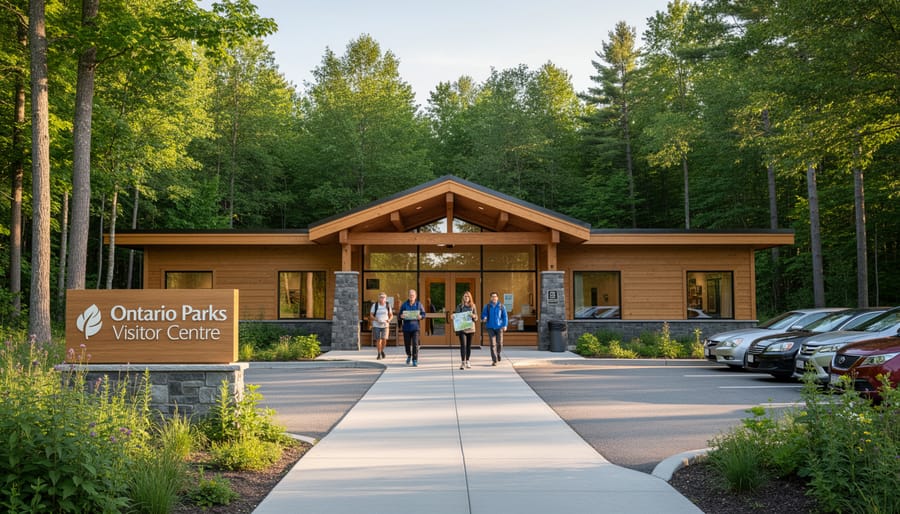
Picture this: you’ve just driven through the entrance gate of your chosen Ontario Park, and there it is – the visitor centre, usually positioned right near the park entrance or main gathering area. This isn’t just convenient placement; it’s intentional. These centres serve as your gateway to everything the park has to offer, and trust me, starting your adventure here will set you up for success.
Think of the visitor centre as your park’s living guidebook. The friendly staff behind the counter aren’t just there to check you in – they’re locals who know these trails like the back of their hand and can point you toward hidden gems most visitors miss. I’ve picked up some of my best hiking tips just from chatting with these folks for five minutes.
The atmosphere inside is refreshingly welcoming. You’ll often find interactive displays showcasing the park’s wildlife, seasonal maps highlighting current trail conditions, and yes, those essential permits you might need for camping or backcountry adventures. But beyond the practical stuff, these centres embody Ontario Parks’ visitor-first philosophy. Whether you’re a first-timer feeling overwhelmed or a seasoned explorer looking for something new, the staff genuinely want to enhance your experience.
Here’s an insider tip: visit the centre before setting up camp or hitting the trails. Grab a current trail map, ask about wildlife sightings, and check if any special conservation programs are running during your visit. That five-minute stop could transform your entire park experience.
Everything You Can Do at a Visitor Centre
Get Your Permits and Passes Sorted
Getting your paperwork in order might not sound thrilling, but trust me, the visitor centre makes this process surprisingly painless. Here’s where you’ll snag all those essential permits and passes that keep Ontario’s parks accessible and well-maintained.
For day-use visits, you can grab your vehicle permit right at the centre. While many seasoned park-goers purchase their permits online beforehand (which I definitely recommend during peak summer weekends), the on-site option works beautifully for spontaneous adventures. Staff can explain the different permit types and help you choose what fits your plans.
Planning to camp? The visitor centre handles camping permits and can show you available sites on detailed maps. Backcountry enthusiasts will appreciate the expertise staff bring when discussing route options and issuing those coveted wilderness permits. Here’s an insider tip: weekday mornings typically mean shorter lines, so if you’re flexible with timing, you’ll breeze through faster.
Fishing fans, this is your one-stop shop for licenses. Staff can explain local regulations, seasonal restrictions, and even recommend promising spots based on recent catches reported by other anglers.
My advice? Purchase seasonal or annual passes online if you’re a frequent visitor, but save specialized permits like backcountry passes for in-person purchases. Why? Because staff insights about trail conditions, wildlife activity, and weather patterns are genuinely invaluable. They’ll help you make informed decisions about which permits you actually need, potentially saving you money while ensuring you’re properly prepared for your Ontario adventure.
Maps, Trail Info, and Current Conditions
Here’s where visitor centres truly shine. While you can pull up trail maps online before your trip, the staff at welcome centres offer something your phone can’t replicate: real-time intel from people who actually know what’s happening out there right now.
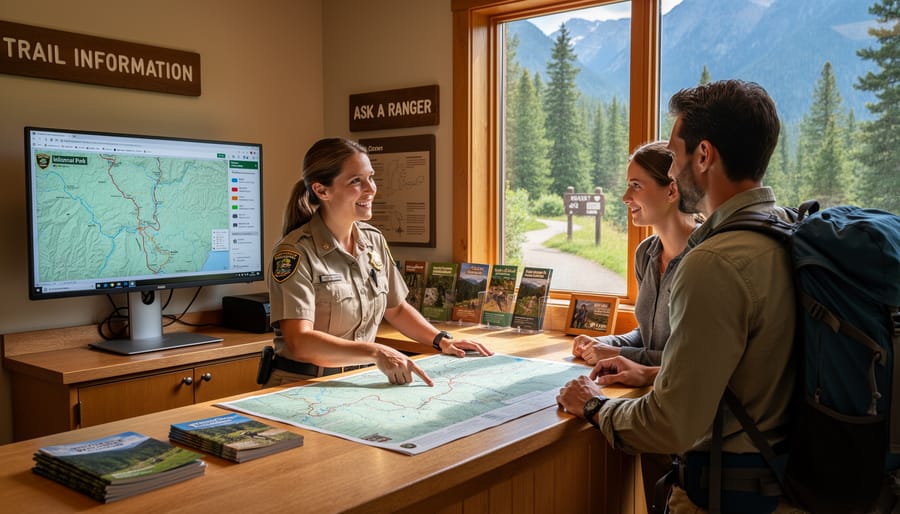
Think of them as your personal trail scouts. They’ll mark up paper maps showing which routes are muddy after yesterday’s rain, where a fallen tree might require a detour, or which lookout points are currently offering the best views. With Ontario’s parks often having limited cell service, having accurate physical maps and current conditions becomes essential rather than optional.
The wildlife sighting boards are particularly exciting. Staff update these regularly with recent animal activity—maybe a moose was spotted near the northern loop this morning, or loons are nesting at the far end of the lake. These tips help you position yourself for better wildlife viewing while respecting safe distances.
Weather can shift quickly in Ontario’s diverse landscapes, and centre staff monitor local conditions closely. They’ll warn you about incoming storms, temperature drops, or high winds that might affect your plans. Seasonal considerations matter too—spring means blackfly season, fall brings slippery leaves, and winter conditions vary dramatically week to week.
Insider tip: Ask about lesser-known trails or quiet spots. Staff often reveal hidden gems that aren’t prominently featured online, giving you a more authentic, crowd-free experience.
Ask Questions Only Locals Can Answer
This is where visitor centres truly shine. The staff members aren’t just handing out maps—they’re passionate locals who know the parks like their own backyards. I’ve had rangers redirect me from a crowded trail to a spectacular hidden waterfall that barely gets a dozen visitors a day, simply because I mentioned I was traveling with young kids who needed frequent rest stops.
Don’t hesitate to share your fitness level, time constraints, or specific interests. Planning a proposal? They’ll tell you the most romantic sunset spot. Worried about your aging dog’s ability to handle rough terrain? They’ll suggest gentler trails with equally stunning views. The staff can also solve those annoying logistical puzzles—where to park if you’re arriving late afternoon, which beaches have the calmest waters for nervous swimmers, or how to time your visit to avoid weekend crowds.
Here’s an insider tip: ask about recent wildlife sightings or seasonal highlights. Staff track these details daily and can point you toward the best spots for spotting moose at dawn or finding wildflowers in peak bloom. They’ve helped countless visitors avoid wasting precious vacation time on trails that are temporarily flooded or viewpoints obscured by construction.
Educational Displays and Local History
Here’s where your park visit transforms from good to unforgettable. Many welcome centres feature thoughtfully designed displays showcasing the area’s Indigenous heritage, telling stories that stretch back thousands of years before the park’s official designation. You’ll discover which First Nations traditionally stewarded these lands and learn about their ongoing connections to the territory.
The ecological exhibits are genuinely fascinating—touch tables let kids examine animal pelts and track castings, while interpretive panels explain why that particular lake looks turquoise or how the forest regenerates after fire. I always spend a few minutes at these displays before hitting the trails; understanding the geology and wildlife patterns makes every sighting more meaningful.
Insider tip: Check the bulletin boards for advertised interpretive programs like guided nature walks, astronomy nights, or Junior Ranger activities. These ranger-led experiences are often free or low-cost and provide expert insights you simply can’t get from signs alone. Some centres also feature rotating art exhibits from local artists, adding cultural richness to your visit while supporting the creative community.
The Permits You Might Need (And How to Get Them)
Let’s talk permits – because nobody wants to discover they’re missing paperwork after driving all the way to your dream campsite!
The good news? Ontario Parks keeps things refreshingly straightforward. Most day visitors need a vehicle permit, which typically runs between $13-$22 per vehicle depending on the park and season. Planning to camp? You’ll need both a camping permit and that vehicle pass. Backcountry adventurers require separate interior camping permits, usually priced around $13-$16 per person per night.
Here’s where visitor centres become your secret weapon. Sure, you can book permits online ahead of time (often the smartest move for popular summer weekends), but on-site centres offer flexibility that digital booking can’t match. Changed your mind about which trail to tackle? Want to extend your stay an extra night? The staff can adjust permits on the spot, subject to availability.
I’ve personally avoided headaches by stopping at the visitor centre first. During one spring trip to Algonquin, I discovered my backcountry route was still snow-covered. The centre staff quickly helped me switch to an accessible alternative and updated my permit – all in ten minutes.
Insider tip: Some parks offer seasonal passes if you’re planning multiple visits. A single-season permit can pay for itself after just 3-4 trips, and staff at the welcome centre can calculate whether it makes financial sense for your plans.
The centres also handle fishing licenses, which many visitors forget they need. Rather than scrambling online with spotty cell service, you can grab everything in one transaction. Plus, staff often know which lakes are currently hot spots – information worth far more than the permit itself.
Beyond the Basics: Extra Services Worth Knowing About
Here’s something most visitors don’t realize: your local welcome centre is basically a one-stop problem-solver that goes way beyond handing out maps. I’ve personally rescued more than one camping trip thanks to these hidden gems.
Let’s start with the practical stuff. Many centres offer equipment rentals – think canoe paddles, life jackets, and even fishing rod replacements when you’ve accidentally left yours at home (we’ve all been there). Several locations also sell firewood, which is a huge convenience since bringing your own from outside the park can spread invasive pests. Pro tip: buying local firewood isn’t just easier; it’s an eco-friendly choice that protects Ontario’s forests.
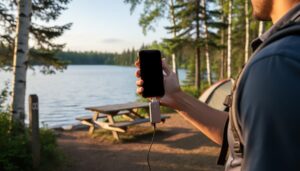
Phone died mid-adventure? Most welcome centres now feature charging stations where you can juice up while browsing their gift shops. Speaking of which, these aren’t your typical touristy stores – they’re treasure troves of locally-made products, Indigenous crafts, and field guides that actually enhance your experience. I’ve picked up some incredible maple syrup and handcrafted items that make perfect gifts.
The washroom facilities are typically cleaner and more accessible than you’d expect, with many centres offering full accessibility services including mobility device assistance and accessible parking right at the entrance.
Here’s an insider tip: staff can provide emergency contact information and serve as your connection point if cell service is spotty. They’re genuinely there to help, so don’t hesitate to ask about anything – they’ve heard it all.
Making the Most of Your Visitor Centre Stop
Timing is everything when it comes to visitor centres. I’ve learned the hard way that showing up between 11 am and 2 pm on summer weekends means you’ll be sharing the space with dozens of other eager adventurers. My insider tip? Arrive right when doors open in the morning or swing by after 3 pm when things quiet down. You’ll get unhurried conversations with staff who can share their best-kept secrets about hidden trails and wildlife viewing spots.
Come prepared with specific questions that’ll unlock valuable local knowledge. Ask about recent wildlife sightings, current trail conditions, and which campsites offer the best sunset views. Don’t forget to inquire about weather patterns, especially given the phone connectivity challenges in many parks. Bring a notepad to jot down recommendations since you won’t always have cellular service to reference later.
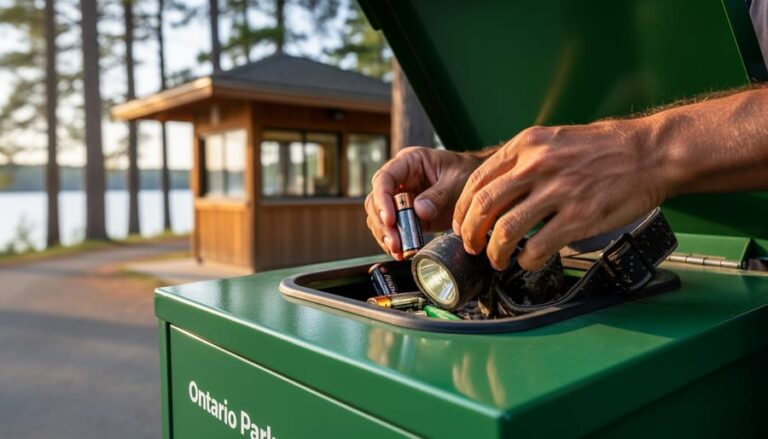
Pack reusable water bottles and shopping bags, as many centres have eliminated single-use plastics. Most facilities now feature recycling stations and educational displays about conservation efforts. Take a moment to browse these exhibits before hitting the trails.
Here’s a money-saving trick: grab free park maps and trail guides instead of buying them elsewhere. Many centres also offer junior ranger activity booklets for kids that turn your visit into an educational adventure. And always check the bulletin boards for upcoming guided hikes or special events you might want to join during your stay.
When the Centre Isn’t Open: Your Backup Plan
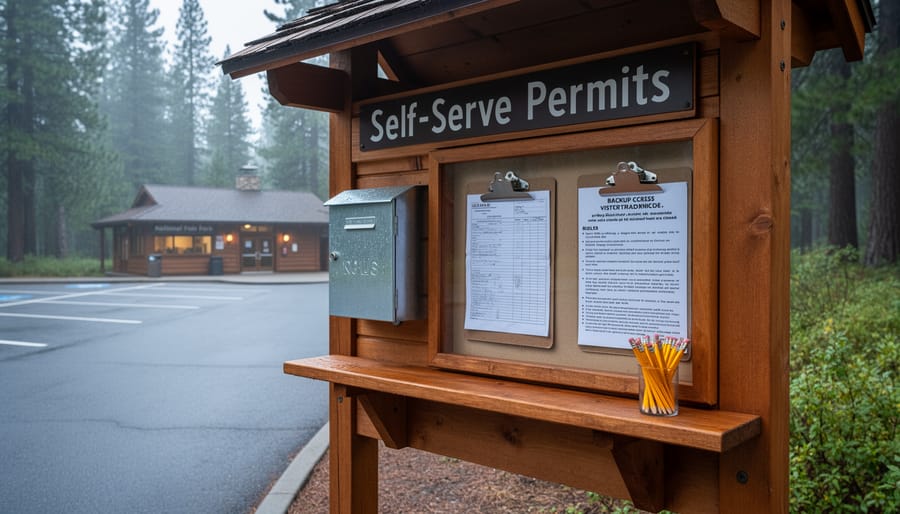
Arriving outside visitor centre hours doesn’t mean you’re out of luck, though it does require a bit more preparation. Many Ontario Parks have self-serve permit stations near park entrances where you can purchase day-use or camping permits using a credit card machine, even when the centre is closed. These stations typically include maps and basic park information in weatherproof displays.
However, here’s the catch: you’ll miss out on trail recommendations, wildlife updates, and those insider tips that can transform your visit. That’s why savvy park-goers download the Ontario Parks app before they arrive, which lets you purchase permits digitally and access essential information from anywhere.
Keep in mind that many parks operate on reduced hours during shoulder seasons (April-May and September-October) and some visitor centres close entirely during winter months, even when the park remains accessible. A quick phone call or website check before your trip can save frustration.
My insider tip? If you’re planning a weekend visit during peak season, stop by the visitor centre on Friday afternoon when it’s quieter. You’ll get better face-time with staff and can explore the park refreshed on Saturday morning, permit already in hand. Planning ahead isn’t just practical—it’s the difference between a good visit and an unforgettable one.
Think of your visitor centre stop as the smartest fifteen minutes you’ll spend all day. Sure, you could skip it and head straight to the trails, but you’d be missing out on the local knowledge that transforms a good park visit into an unforgettable adventure. That trail the staff member mentions? It might become your new favourite spot. That weather tip? It could save your entire camping trip.
These centres exist because parks want you to have the best possible experience, and sometimes that means learning from people who know these landscapes intimately. Yes, digital alternatives are convenient, but they can’t tell you that the loons have been especially active on the north lake this week or that yesterday’s storm created perfect mushroom foraging conditions.
Before your next Ontario park adventure, check what visitor services are available at your destination. Download any apps ahead of time, but keep an open mind about stopping in. Those few minutes connecting with knowledgeable staff and gathering local intel aren’t a delay in your adventure—they’re the beginning of it. Your future self, standing at that hidden viewpoint or spotting that elusive bird, will thank you for taking the time.









+ There are no comments
Add yours