
Making a park “reservation” refers to a single booking, while “reservations” encompasses multiple bookings or the broader system of securing spots. Master stress-free campground reservations by understanding this key distinction when planning your outdoor adventures.
Consider this practical scenario: You might say “I made a reservation for campsite A12,” but you’d use “reservations” when discussing the overall booking process, as in “The park’s reservations system opens five months in advance.” This seemingly small grammatical difference impacts how you navigate booking platforms, communicate with park staff, and plan multi-site stays.
For Ontario Parks enthusiasts, this knowledge proves especially valuable during peak seasons when securing multiple sites or planning group camping experiences. Whether you’re booking a single night under the stars or coordinating a week-long adventure across different parks, understanding these terms ensures smoother planning and helps avoid common booking confusions that can derail your outdoor plans.
Single Reservation vs. Multiple Reservations: What’s the Deal?
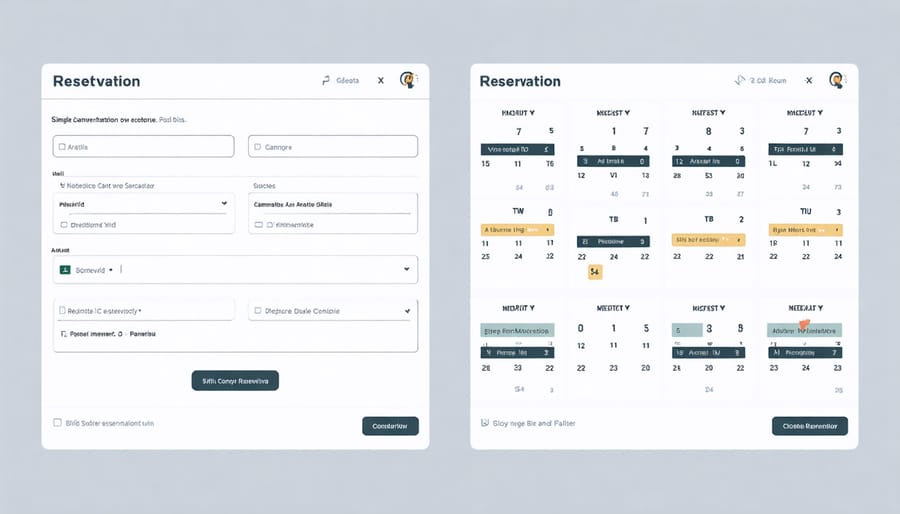
When to Use ‘Reservation’ (Singular)
The singular form “reservation” is most appropriate when referring to a single booking or the general concept of securing a spot. For example, when you’re making a single campsite booking at Algonquin Park, you’d say “I need to make a reservation for next weekend.” Similarly, if you’re discussing the process itself, you’d use the singular form: “The reservation system opens at 7 AM.”
Use “reservation” when talking about specific booking details, like “My reservation number is 12345” or “I need to modify my reservation date.” It’s also correct when using it as part of a compound term, such as “reservation fee” or “reservation window.”
Think of it this way: if you’re focused on one specific booking or the general concept, stick with the singular form. For instance, “Don’t forget to print your reservation confirmation” or “The reservation process is straightforward.” This applies whether you’re booking a campsite, a day-use permit, or a roofed accommodation.
Remember, if you’re talking about a single booking, even if it’s for multiple nights, it’s still one reservation!
When to Use ‘Reservations’ (Plural)
Use ‘reservations’ when referring to multiple booking arrangements or different types of bookings made at once. For instance, if you’re planning a week-long camping trip across Ontario and need to book spots at different provincial parks, you’d say “I need to make camping reservations at Algonquin and Killarney.”
The plural form is also appropriate when discussing various booking types for the same trip. Let’s say you’re organizing a family reunion at a park – you might need campsite reservations, picnic shelter reservations, and canoe rental reservations all for the same event.
Another common scenario is when talking about booking systems or services in general. For example, “Ontario Parks accepts reservations up to five months in advance” or “The park’s reservations desk handles both camping and day-use permits.”
Pro tip: When planning group activities, it’s helpful to make all your reservations at once to ensure everyone can stay together. This is especially important during peak season when popular parks fill up quickly. Remember that separate reservations might be needed for different facilities or activities within the same park.
Smart Booking Strategies for Ontario Parks
Campsite Booking Tips
Securing your ideal campsite in Ontario’s beautiful parks requires strategy and timing. To master Ontario park reservations, start by booking five months in advance for the most sought-after spots, especially during peak season.
Pro tip: Set up your account and create a wishlist before the booking window opens. Have multiple devices ready at 7:00 AM EST sharp when new spots become available. Keep flexible dates in mind – midweek bookings often have better availability than weekends.
Consider less popular but equally stunning campgrounds as alternatives to hotspots like Algonquin or Killarney. Look for sites marked as “radio-free” for a more serene experience, or choose walk-in sites for extra privacy. These hidden gems often remain available longer and offer a more authentic wilderness experience.
Don’t forget to check the cancellation page regularly – prime spots often pop up last minute when other campers change their plans. Setting up email notifications can give you an edge in snagging these unexpected openings.
For backcountry camping, always have a backup route planned. Popular access points fill up quickly, but alternative entry points often lead to equally spectacular destinations with fewer crowds.
Day-Use and Special Activity Bookings
Beyond overnight camping, Ontario’s parks offer a variety of day-use and special activity options that require different types of reservations. Whether you’re planning a family picnic, a group hike, or a special event, understanding these booking types can make your experience smoother.
Day-use reservations are perfect for activities like swimming, hiking, or simply enjoying a peaceful afternoon in nature. Pro tip: During peak summer weekends, especially at popular parks like Sandbanks or Wasaga Beach, securing a day-use reservation in advance can save you from disappointment when parking lots fill up early.
Special activity bookings cover unique experiences like guided tours, educational programs, and facility rentals. Want to host a wedding in a rustic pavilion? Planning a school field trip? These specialized reservations often require more lead time and may have different booking processes than standard camping spots.
Some parks also offer roofed accommodation reservations for yurts, cabins, and cottages. These cozy options are ideal for those who want to experience nature without pitching a tent. Just remember, these book up quickly, especially during fall colors and winter ski seasons.
Eco-friendly reminder: When making any reservation, consider carpooling with friends or choosing off-peak times to reduce your environmental impact. Many parks offer discounted rates during shoulder seasons, making it a win-win for both your wallet and the environment.
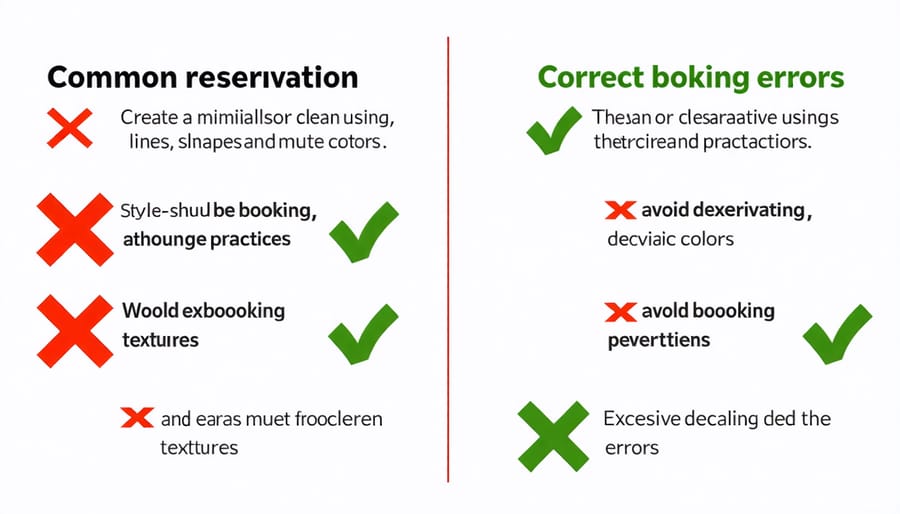
Common Reservation Mistakes (And How to Avoid Them)
We’ve all been there – trying to book that perfect campsite only to encounter frustrating setbacks. Let’s explore some common reservation mistakes and their solutions to ensure your next outdoor adventure goes smoothly.
One frequent error is waiting too long to book popular sites. During peak season, campsites at sought-after locations like Algonquin can fill up months in advance. Set calendar reminders five months ahead, which is when the Ontario Parks booking rules allow you to make reservations.
Another mishap is not double-checking your dates. I once met a family who arrived a day early for their booking – an uncomfortable situation! Always review your confirmation email and consider setting up a camping checklist that includes verification of dates, site numbers, and park locations.
Overlooking cancellation policies is also common. While life happens and plans change, failing to cancel within the required timeframe can result in losing your reservation fee. Pro tip: save the cancellation policy information with your booking confirmation.
Many campers also forget to account for equipment size when booking. Nothing’s worse than arriving with a 30-foot RV only to discover your site can only accommodate a 20-foot trailer. Always check site specifications and measurements before confirming your reservation.
Lastly, not considering seasonal conditions can lead to disappointment. Some parks have different accessibility during shoulder seasons, and facilities might be limited. Research park-specific seasonal information and pack accordingly to ensure a comfortable stay.
Whether you’re booking a single reservation or multiple reservations, understanding the park booking system is key to a successful outdoor adventure in Ontario. Remember that ‘reservation’ refers to a single booking, while ‘reservations’ covers multiple bookings – but don’t let the terminology intimidate you! The most important thing is planning ahead and being prepared when booking your park visits.
For the best experience, always book your campsite or day-use permit well in advance, especially during peak seasons. Keep your confirmation numbers handy, and don’t forget to check the specific requirements for each park you plan to visit. Consider making multiple reservations if you’re planning a multi-park adventure or want to secure spots for different seasons.
Pro tip: Sign up for Ontario Parks’ newsletter to stay informed about booking windows and special events. And here’s an eco-friendly reminder: whether you’re making one reservation or several, always practice the “leave no trace” principle during your visit. Happy camping, and see you in the parks!




+ There are no comments
Add yours