
Check accessibility features before booking by calling parks directly and asking specific questions about trail surfaces, washroom facilities, and parking proximity. Park websites often provide general information, but staff can share real-world details about terrain conditions, recent upgrades, and whether adaptive equipment like beach wheelchairs are available for loan.
Request detailed maps showing accessible routes, rest areas, and elevation changes. Many Ontario parks now offer digital accessibility maps that highlight paved pathways, gentle slopes, and accessible viewpoints, helping you plan routes that match your mobility needs rather than discovering barriers on arrival.
Book accommodations with verified accessibility certifications rather than relying solely on property descriptions. Look for features like roll-in showers, wider doorways, visual fire alarms, and accessible cooking facilities. Some parks offer accessible yurts and cabins specifically designed with mobility devices in mind.
Connect with accessibility advocacy groups and online communities who share first-hand experiences about specific locations. Fellow travelers often provide invaluable insights about hidden obstacles, helpful staff members, and workarounds that make seemingly inaccessible attractions manageable.
Travel during shoulder seasons when crowds are thinner and staff have more time to provide assistance. Popular trails and attractions become significantly more navigable when you’re not competing with peak-season traffic, and you’ll find parking closer to entrances.
The reality is that Ontario’s tourism landscape is evolving, with many destinations making genuine progress toward inclusivity while others lag behind. Understanding what’s truly accessible versus what’s marketed as accessible empowers you to advocate for your needs and helps the industry recognize where improvements matter most. Whether you’re planning your first accessible outdoor adventure or you’re a tourism operator seeking to welcome all visitors, the journey toward universal accessibility starts with honest conversations about what works, what doesn’t, and what’s possible.
What Accessible Tourism Actually Means (Beyond Wheelchair Ramps)
The Invisible Barriers Nobody Talks About
When we talk about accessibility, it’s easy to focus on ramps and wider pathways. But here’s what many travelers don’t realize: some of the biggest barriers are completely invisible to the eye.
I’ve spoken with visitors who described feeling overwhelmed the moment they stepped into a bustling visitor center during peak season. The echo of voices, fluorescent lighting, unfamiliar sounds, and crowds moving in every direction can trigger anxiety or sensory overload for neurodiverse travelers, people with PTSD, or anyone who finds busy environments challenging. Yet parks rarely advertise quiet spaces or provide sensory maps that help visitors prepare mentally for what they’ll encounter.
Navigation anxiety is another hidden struggle. Confusing signage, lack of clear wayfinding, or apps that don’t work offline can leave visitors feeling lost and stressed. When you’re already managing mobility challenges or cognitive differences, figuring out where the nearest washroom is shouldn’t feel like solving a puzzle.
Here’s an insider tip: timing makes all the difference. Visiting during weekday mornings or shoulder seasons dramatically reduces crowds and sensory stimulation. Looking for less crowded park experiences can transform your visit from overwhelming to rejuvenating.
Some parks offer designated quiet zones or sensory-friendly hours, though they’re not widely promoted. Don’t hesitate to call ahead and ask staff about calmer times to visit or quieter trail options. Parks like Frontenac have naturally peaceful corners where you can experience nature without the overwhelming buzz of peak-time tourism.
Ontario Parks Leading the Way: Real Changes Happening Now
Trails and Pathways You Can Actually Navigate
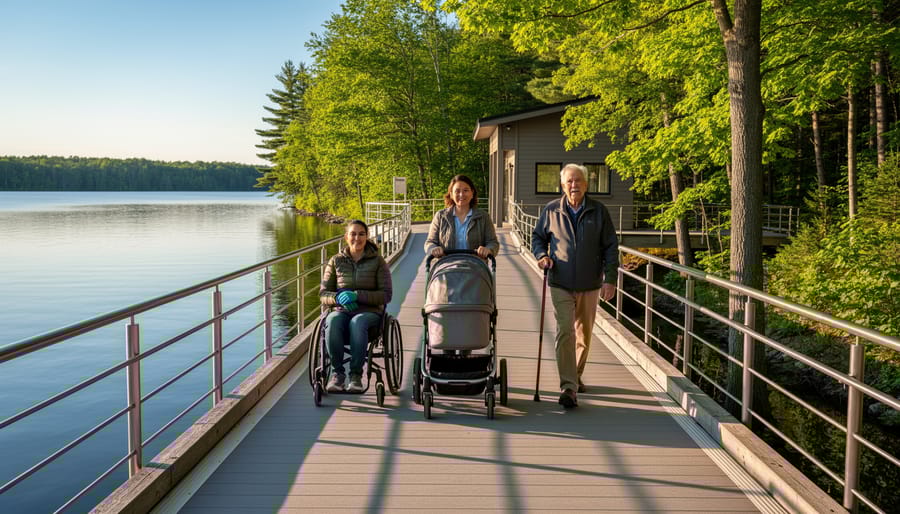
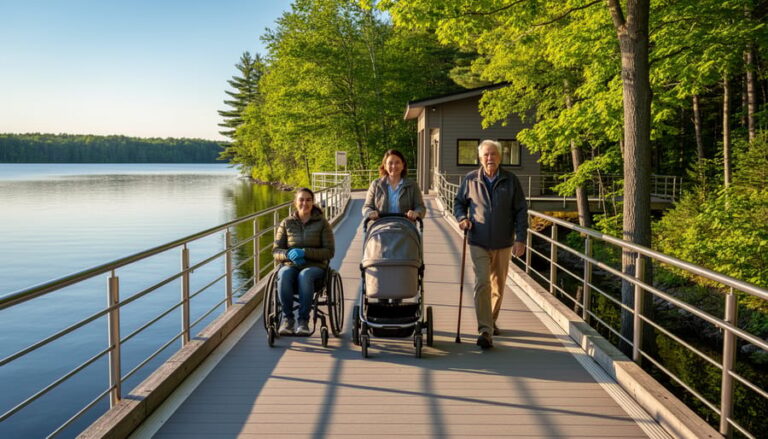
Ontario’s park system has made real strides in creating trails that welcome everyone. At Presqu’ile Provincial Park, the Marsh Boardwalk Trail stretches for over a kilometre with a firm, level surface that’s perfect for wheelchairs and strollers. I watched a family navigate it last summer with their grandfather using a walker, stopping at benches to spot turtles sunbathing below.
Algonquin Park’s Spruce Bog Boardwalk offers similar accessibility with its 1.5-kilometre loop featuring gentle grades and rest areas every few hundred metres. The packed-gravel surface at Awenda Provincial Park’s Nipissing Trail gives wheeled mobility devices excellent traction while winding through gorgeous pine forests.
Before heading out, check the park’s website for accessibility maps showing exact trail widths, surface types, and gradient percentages. Most Ontario parks now list these details prominently. Here’s an insider tip: call the park office directly and ask about recent weather impacts. That beautifully maintained crushed limestone path can become challenging after heavy rain.
Pack essentials like extra water, sun protection, and charged phones. Many accessible trails include emergency call boxes, but cellular coverage varies. Download offline maps beforehand.
Consider visiting midweek during shoulder seasons when trails are less crowded, making navigation easier for everyone. Spring and fall also bring incredible wildlife viewing opportunities without summer’s heat.
Remember that accessible doesn’t mean identical experiences. Some parks offer beach wheelchairs for sandy areas, while others provide audio guides for those with visual impairments. The key is researching beforehand and communicating your specific needs when you arrive.
Camping Without the Struggle
Picture this: you’re nestled under towering pines, morning coffee in hand, watching the mist lift off a nearby lake. Sounds perfect, right? The good news is that camping in Ontario parks doesn’t have to be off-limits if you have mobility challenges.
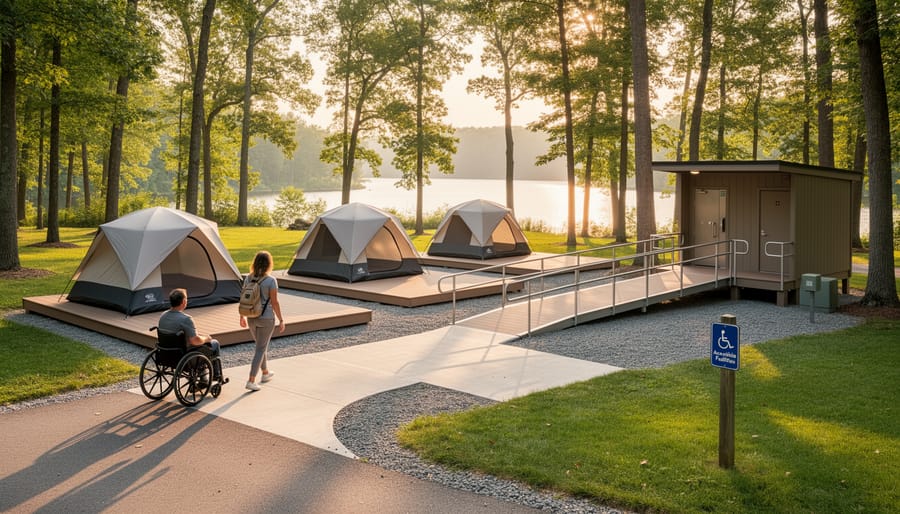
Many provincial parks now offer thoughtfully designed accessible campsites that go beyond basic requirements. These sites typically feature level, compacted gravel platforms that accommodate wheelchair users and make setting up camp significantly easier. You’ll find wider pathways between the parking spot and camping area, and the best sites place your vehicle just steps from your tent or RV pad.
The washroom facilities at accessible sites have come a long way. Expect spacious stalls with grab bars, roll-in showers, and proper clearance for maneuvering. Some parks even include accessible outdoor showers for rinsing off after beach days.
Here’s an insider tip: when booking accessible sites, call the park directly after making your online reservation. Staff can provide specific details about the site’s features and suggest which accessible campsite best suits your needs. Each one varies slightly in terrain and proximity to amenities.
Another pro move? Book early in the season when you have better selection, and don’t hesitate to ask about accessible backcountry options. Some parks offer canoe-in accessible sites with boardwalk access, bringing wilderness experiences within reach for everyone.
How Tourism Operators Are Getting It Right (And What Still Needs Work)
The Training That Makes All the Difference
Here’s what really transforms an accessible park from merely compliant to genuinely welcoming: staff who get it. Ontario’s leading parks have invested heavily in disability awareness training, and visitors notice the difference immediately.
Take Sarah’s recent visit to Algonquin Park. When she arrived with her mobility scooter, a park interpreter didn’t just point toward accessible trails—he shared insider knowledge about which routes offered the best wildlife viewing from seated height and mentioned that beaver activity was particularly visible near the boardwalk that week. “He treated me like any other nature enthusiast,” Sarah recalls, “not like someone who needed special handling.”
This kind of thoughtful engagement stems from comprehensive training programs that go beyond basic accessibility requirements. Staff learn to communicate naturally with visitors who have various disabilities, understand how to assist without assuming help is needed, and recognize that accessibility isn’t one-size-fits-all.
The ripple effect is remarkable. When front-line workers understand mobility challenges, sensory sensitivities, and cognitive differences, they become problem-solvers rather than gatekeepers. They’ll suggest quieter hours for visitors with autism, offer detailed verbal descriptions for those with visual impairments, and proactively share eco-friendly accessible options like electric mobility aids for trail exploration.
These trained ambassadors don’t just improve individual visits—they build loyalty and spread word-of-mouth recommendations that bring families back year after year.
Adaptive Equipment You Didn’t Know Existed
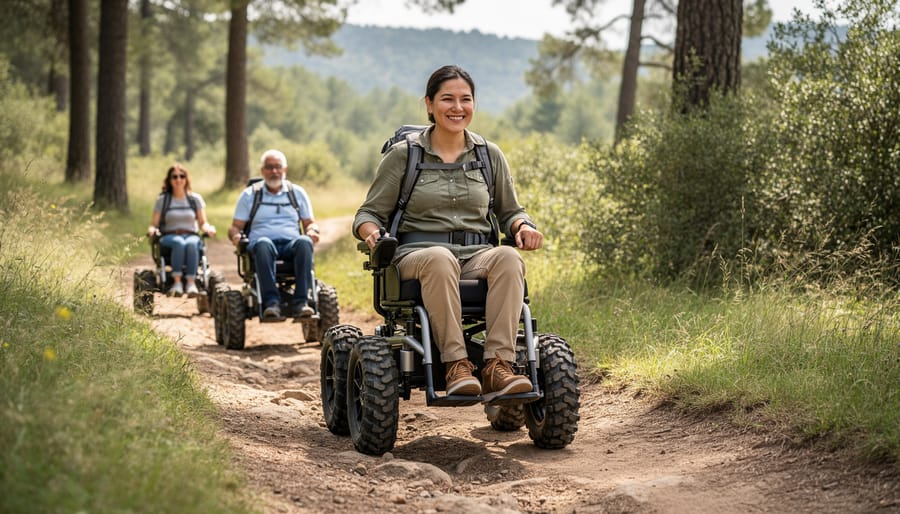
Ontario’s attractions are quietly revolutionizing accessibility with equipment you might not expect to find. Many provincial parks now offer all-terrain wheelchairs with oversized balloon tires that glide over sand, gravel, and forest trails. I’ve watched families explore beaches together that would have been impossible to navigate with standard wheelchairs – it’s genuinely game-changing.
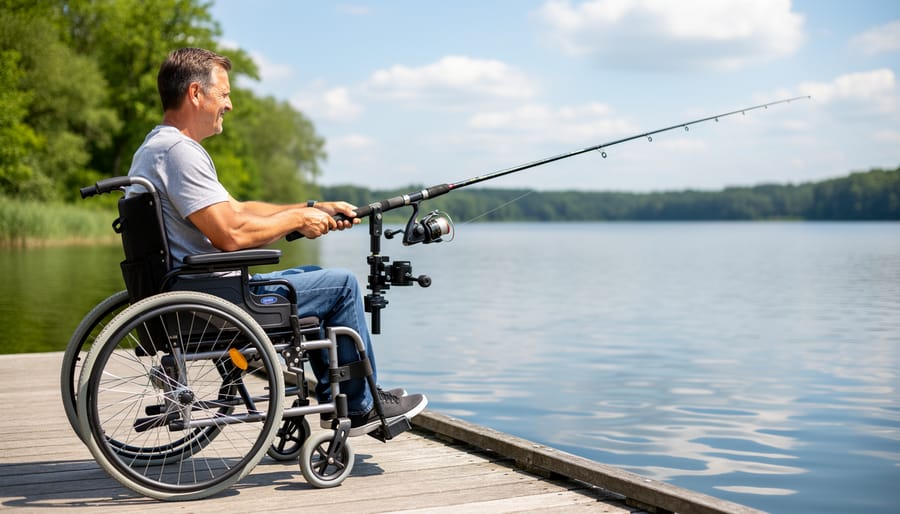
Several fishing spots provide adaptive fishing rod holders that mount to wheelchairs or benches, plus weighted rods designed for limited hand mobility. Bon Echo Provincial Park and Presqu’ile have these available through their visitor centers, though calling ahead ensures availability during busy weekends.
Audio description devices have moved beyond museums. Parks like Algonquin now offer them for self-guided trails, describing landscapes, wildlife, and points of interest in rich detail. Some attractions also provide vibrating pagers for visitors who are deaf or hard of hearing, alerting them when tours begin or exhibits change.
Here’s an insider tip: most parks don’t advertise this equipment prominently on their websites. Call the accessibility coordinator directly or ask at the visitor center upon arrival. Conservation authorities often share equipment between locations too, so if one park has what you need, nearby sites likely do as well. The Ontario Parks website maintains an accessibility features database worth checking before your visit.
Planning Your Accessible Ontario Adventure: The Practical Stuff
Questions to Ask Before You Book
Before you head out on your Ontario adventure, grab your phone and make a quick call to your destination—it’ll save you potential headaches and help you plan the perfect day. Start with the basics: ask about accessible parking spots and how close they are to main entrances. You’ll want to know if pathways are paved, gravel, or natural terrain, and whether wheelchairs or mobility devices can navigate them easily.
Here’s an insider tip: don’t just ask if washrooms are accessible—get specific about grab bars, door widths, and whether they’re positioned along accessible routes. Inquire about whether trails have rest areas with seating and if water fountains are at wheelchair-accessible heights. For those visiting beaches or waterfront areas, ask if beach wheelchairs are available for loan.
Safety matters too, so find out about emergency procedures and whether staff are trained in accessibility support. If you’re bringing service animals, confirm they’re welcome everywhere you plan to explore. Ask about sensory-friendly hours if crowds or noise are concerns. Finally, get the real story on terrain changes—are there steep grades, stairs, or alternative routes? Many Ontario attractions have knowledgeable staff who genuinely want to help you have an amazing experience, so don’t hesitate to ask detailed questions. A five-minute conversation can transform a stressful outing into a memorable adventure.
The Insider’s Checklist for Stress-Free Visits
Before you pack the car, take a moment to run through this quick checklist that’ll help ensure smooth sailing on your adventure. Trust me, a little preparation goes a long way toward creating that stress-free experience you’re hoping for.
Start by checking the weather forecast a few days ahead. Ontario’s climate can be unpredictable, so having a backup indoor activity or rain plan never hurts. If you’re planning your first camping trip, this becomes even more important.
Reach out to park staff before your visit. They’re genuinely helpful folks who can share insights about current trail conditions, accessibility features, and any temporary closures. Don’t be shy about asking specific questions about your needs.
Pack smart and green. Bring reusable water bottles, biodegradable soap, and cloth bags instead of plastic. Consider packing extra mobility aids or assistive devices as backups. A portable phone charger can be a lifesaver when you need GPS or emergency assistance.
Time your visit strategically. Weekday mornings typically mean fewer crowds and easier parking access. Spring and fall offer cooler temperatures and stunning scenery, making outdoor activities more comfortable for everyone.
Finally, keep a digital copy of your accessibility information, medical details, and emergency contacts on your phone. Share your itinerary with someone back home. These simple steps mean you can focus on making memories instead of worrying about what-ifs.
Marketing Accessibility: Why It Matters and How to Do It Right
The Information Gap That Keeps People Home
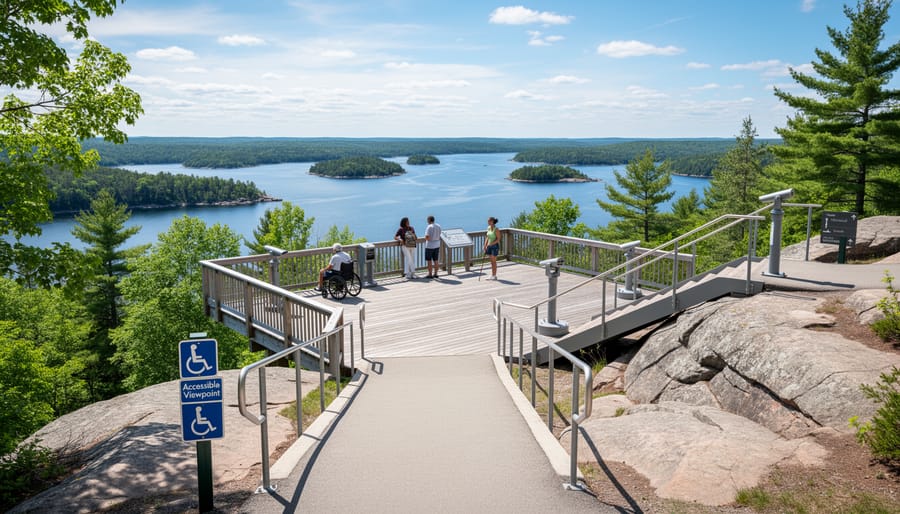
Here’s the thing that really gets people: when a website says “wheelchair accessible” but doesn’t tell you what that actually means. I’ve heard from so many travelers who’ve shown up at a park only to discover the accessible trail is a half-kilometer paved loop, when they were hoping to reach that stunning waterfall view another two kilometers in.
Vague claims create anxiety, and anxiety keeps people home. When a tourism operator says they’re “accessible” without specifics, visitors with disabilities can’t properly plan. Does the boardwalk have railings? Are there benches every hundred meters? What’s the actual grade of that “gentle slope”? These details matter enormously.
Here’s what good communication looks like: “Our 1.2-kilometer Marsh Trail features a packed limestone surface, maximum grade of 4%, benches every 200 meters, and a viewing platform with 32-inch-high railings.” Compare that to “accessible trail available” and you can see the difference immediately.
The best operators I’ve encountered include measurements, surface types, rest area locations, and honest assessments of challenging sections. They post photos showing actual width clearances and turning radiuses. One park even created short video walkthroughs of their trails. That’s the kind of transparency that builds trust and helps people confidently say “yes, I can do this” instead of staying home wondering.
Making Ontario’s incredible natural spaces truly accessible is an ongoing journey, not a destination. While we’ve seen remarkable progress with wheelchair-accessible trails, adaptive equipment programs, and thoughtfully designed facilities, there’s always room for growth and innovation. The great news? This evolution is happening right now, driven by passionate park staff, forward-thinking operators, and feedback from visitors who share their experiences.
If you’re planning your next Ontario adventure and wondering about accessibility, don’t hesitate to reach out directly to parks and attractions. Rangers and staff are genuinely helpful and can provide detailed information about specific trails, facilities, and accommodations that might suit your needs. Many have discovered that Ontario’s accessible offerings far exceed their expectations, from boardwalks overlooking stunning waterfalls to adaptive kayaking programs that open up new waterways.
For tourism operators and park managers, remember that accessibility improvements benefit everyone. Paved paths help parents with strollers, smooth transitions assist travelers with luggage, and clear signage guides all visitors. Every enhancement you make creates ripple effects of inclusivity.
Here’s my insider tip: the most magical travel moments happen when barriers disappear and we can simply focus on the wonder around us. Whether you’re gazing at autumn foliage, listening to loons call across a lake, or breathing in fresh forest air, these experiences belong to everyone. Let’s keep working together to ensure Ontario’s natural treasures remain welcoming, accessible, and unforgettable for all who seek them out.










+ There are no comments
Add yours