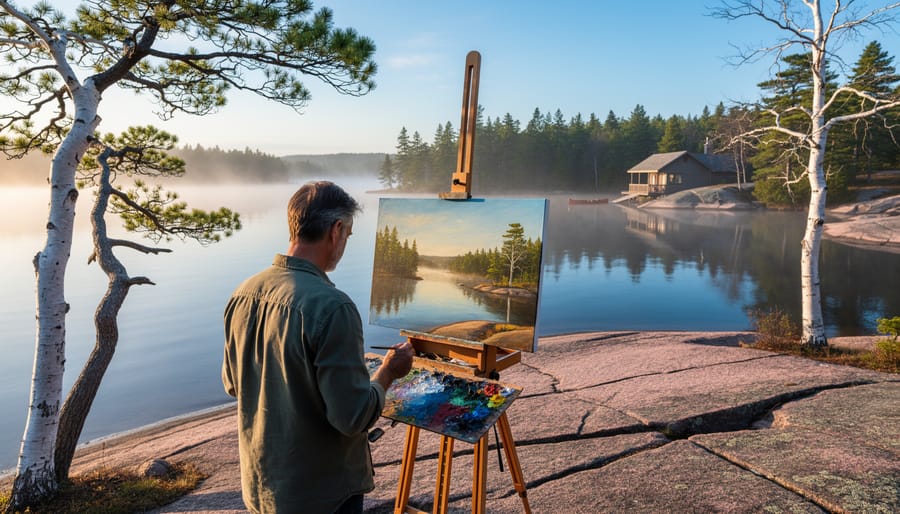
Imagine waking up in a cabin surrounded by ancient pines, spending your mornings painting the mist rising off a pristine lake, and your afternoons sketching wildlife trails through old-growth forests. Artist residency programs transform Ontario’s spectacular parks into creative sanctuaries where painters, writers, sculptors, and photographers exchange their skills for something priceless: uninterrupted time in nature’s studio.
These programs aren’t just retreats—they’re working opportunities that provide artists with free or subsidized accommodation, studio space, and direct access to some of Canada’s most breathtaking landscapes. In return, artists create work inspired by their surroundings and often engage with park visitors through workshops, exhibitions, or talks, making art accessible in unexpected places.
Whether you’re an emerging artist seeking your first residency or a visitor who stumbles upon a sculptor working beneath the trees, these programs weave creativity into Ontario’s outdoor experience in remarkable ways. Parks become galleries, hiking trails turn into inspiration corridors, and campfire circles host poetry readings under star-filled skies.
The beauty of artist residencies lies in their diversity. Some programs focus on environmental themes, encouraging artists to explore conservation through their medium. Others prioritize community engagement, connecting artists with local stories and Indigenous perspectives. Many welcome artists across disciplines—from plein air painters capturing sunrise over Georgian Bay to composers recording the symphony of forest sounds.
For artists, these residencies offer what’s increasingly rare: dedicated creative time away from daily distractions. For visitors, they provide unexpected encounters with art-in-progress, transforming a simple park visit into a cultural experience. It’s where Ontario’s natural heritage meets human creativity, and both emerge richer for the connection.
What Makes Ontario’s Artist Residencies Different
The Wilderness Studio Experience
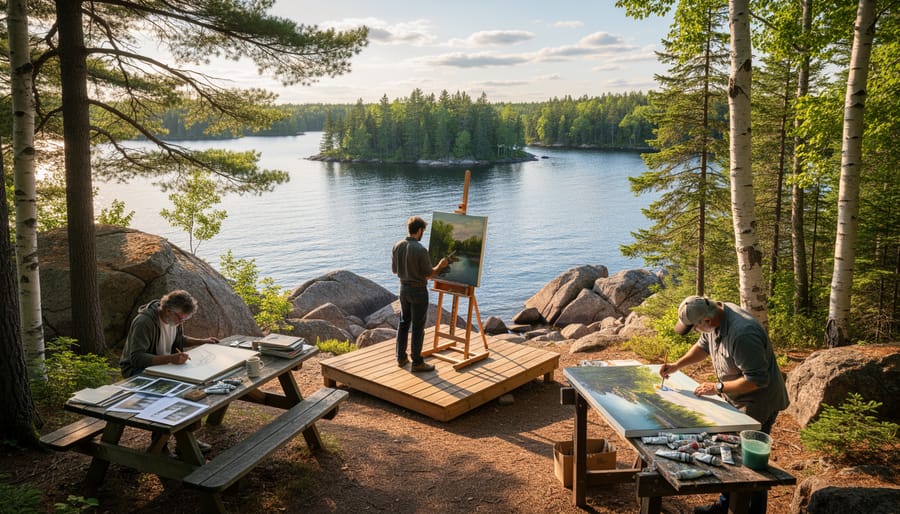
Picture waking up to the sound of loons calling across a misty lake, then walking just steps from your cabin to a dedicated studio space surrounded by towering pines. That’s the magic of park-based artist residencies in Ontario. Most programs provide artists with comfortable accommodations ranging from rustic cabins to modern facilities, ensuring you can focus entirely on your creative work without the distractions of daily life.
Your studio space typically comes equipped with natural lighting, work tables, and plenty of room to spread out your materials. Many residencies offer flexible spaces that adapt to different artistic practices, whether you’re painting large canvases, writing poetry, or crafting sculptures from found materials. The best part? Your “office view” might include a pristine shoreline, dramatic rock formations, or a forest teeming with wildlife.
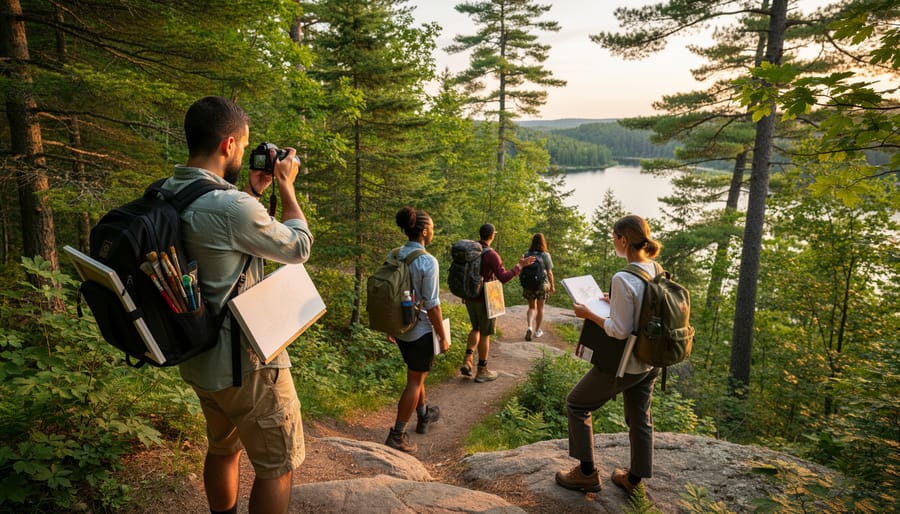
Daily life follows your own rhythm. Some artists rise at dawn to capture the golden light, while others work late into the evening when the park grows quiet. You’ll have access to hiking trails, waterways, and natural landmarks that most visitors only glimpse during day trips. Here’s an insider tip: bring weather-appropriate gear for all seasons, as you’ll want to explore your surroundings in every condition to truly understand the landscape you’re documenting.
Most residencies provide basic amenities like kitchen facilities and Wi-Fi, though connection speeds can be slower than city standards. Think of it as a feature, not a bug – the digital disconnect often sparks unexpected creative breakthroughs. Pack eco-friendly supplies when possible, respecting the pristine environments that inspire your work.
Who These Programs Serve
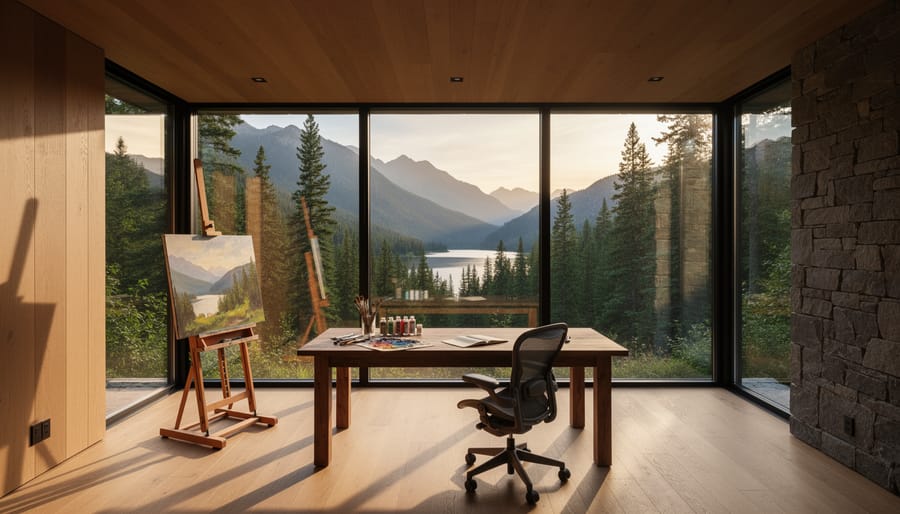
Nature-based artist residency programs welcome a beautifully diverse range of creative practitioners, each finding unique inspiration in Ontario’s wilderness settings. Visual artists—from landscape painters capturing the ever-changing light on Canadian Shield rock to sculptors working with found natural materials—thrive in these environments where their subject matter literally surrounds them.
Writers and poets consistently report breakthroughs during residencies, with the quietude of forests and lakeshores providing the mental space needed for deep creative work. One novelist I met at a residency described finishing three chapters in a week—something that would have taken months in her city apartment.
Photographers find endless opportunities, whether documenting wildlife, experimenting with long exposures of star-filled skies, or capturing intimate details of forest ecosystems. Mixed-media artists particularly flourish here, combining traditional techniques with natural elements like birch bark, stones, or pressed wildflowers.
These programs strengthen Ontario’s creative community by bringing together practitioners at various career stages—from emerging artists seeking focused time to established creators wanting to push their practice in new directions. Whether you’re a ceramicist, printmaker, or experimental sound artist, there’s likely a residency program designed with your creative needs in mind.
Notable Artist Residency Programs in Ontario Parks
Killarney Provincial Park’s Artist-in-Residence Program
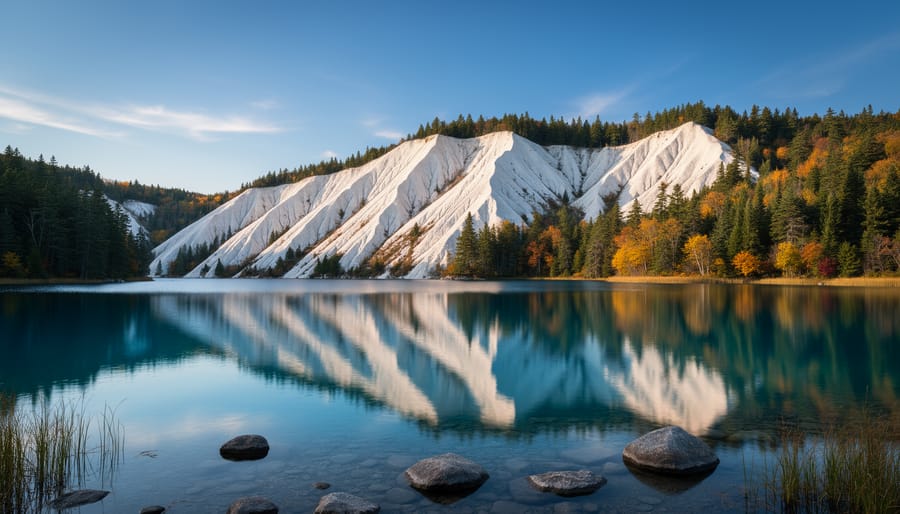
Nestled along the rugged shores of Georgian Bay, Killarney Provincial Park holds a special place in Canadian art history. This is the landscape that captivated the Group of Seven in the 1920s, and today, you can follow in their footsteps through one of Ontario’s most prestigious Artist-in-Residence programs.
The program runs from May through October, offering artists week-long stays in a dedicated cabin with stunning views that inspired Franklin Carmichael and A.Y. Jackson nearly a century ago. Your accommodation includes basic amenities—think rustic charm rather than luxury—with a wood stove, propane lighting, and a loft sleeping area. There’s no electricity, which means you’ll be painting by natural light and truly disconnecting from the digital world.
Applications open each January, and the competition is fierce. The selection committee looks for artists working in various mediums who demonstrate a genuine connection to landscape and wilderness themes. You’ll need to submit a portfolio, artist statement, and proposal outlining what you hope to accomplish during your residency.
Here’s an insider tip: park staff appreciate artists who engage with visitors. Consider hosting an informal open studio session during your stay—it’s not mandatory, but it enriches the experience for everyone and strengthens future applications.
The program is surprisingly affordable, with minimal fees covering your accommodation. Bring supplies for backcountry conditions and pack eco-friendly materials, as you’ll be working in a protected wilderness area. The white quartzite ridges and crystal-blue waters await your interpretation.
Frontenac Provincial Park Opportunities
Nestled among the rugged beauty of the Canadian Shield, Frontenac Provincial Park offers a unique setting for artists seeking inspiration from wilderness landscapes. While the park doesn’t currently host a formal artist residency program, it remains a cherished destination for self-directed creative retreats, particularly among painters, photographers, and nature writers.
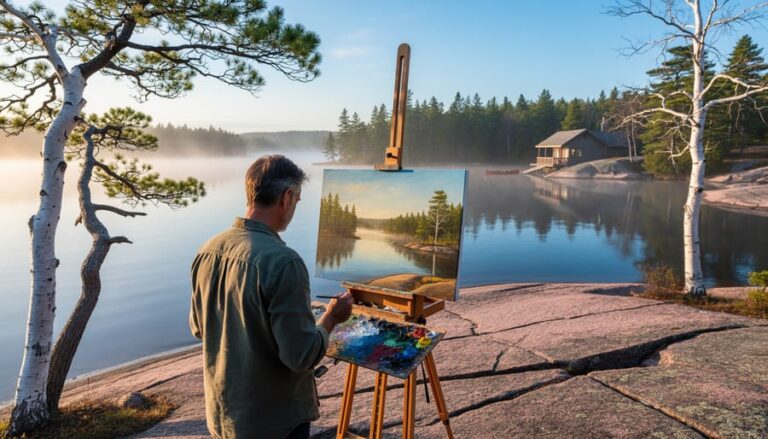
The park’s backcountry camping system provides an affordable way to immerse yourself in creative work. Picture setting up your easel beside one of the 48 pristine lakes, where morning mist dances across the water and granite outcrops frame your compositions. Many artists visit during shoulder seasons—late May or early September—when the trails are quieter and the light quality is exceptional for both painting and photography.
Here’s an insider tip: contact Ontario Parks directly to inquire about educational permits if you’re planning a photography project or teaching workshop. They’re often supportive of creative endeavors that align with environmental stewardship.
Pack light but smart for your creative retreat. Waterproof containers protect sketches and supplies during portages, and a lightweight camp stool beats balancing on rocks all day. The park’s 100 kilometers of hiking trails offer endless subject matter, from ancient rock formations to beaver ponds teeming with wildlife.
Consider timing your visit around wildlife activity—spring bird migrations or fall foliage—to capture nature’s most dramatic moments while supporting the park’s conservation mission through your art.
Other Ontario Parks Supporting Artists
Beyond the major provincial parks, several smaller conservation areas and regional parks across Ontario are embracing artist residencies with fresh approaches. The Bruce Peninsula area, for instance, occasionally hosts pop-up residency opportunities during shoulder seasons when the summer crowds have dispersed—insider tip: these quieter months offer incredible storm-watching inspiration along the limestone cliffs.
Conservation authorities like the Kawartha Conservation have piloted short-term artist programs that focus on watershed awareness and environmental storytelling. These emerging initiatives often welcome interdisciplinary artists working in digital media, performance, or installation art, expanding beyond traditional landscape painting.
Rouge National Urban Park near Toronto has begun exploring artist partnerships that document the intersection of urban and natural environments—perfect for artists interested in eco-friendly themes and biodiversity in urban settings. Their proximity to the city makes them accessible for artists who can’t commit to remote residencies.
Several smaller parks like Pinery Provincial Park and Awenda Provincial Park offer informal artist support through discounted camping permits or special access permits for plein air painters. While not formal residencies, these programs recognize the value artists bring to park interpretation.
Keep an eye on Ontario Parks’ seasonal newsletters and individual park websites, as new opportunities pop up regularly, especially as parks recognize how artist perspectives can deepen visitor connections to these cherished landscapes.
Community-Based Residencies Near Natural Areas
Beyond the established park programs, several grassroots initiatives bring artists closer to Ontario’s natural wonders. Local art centers and municipalities partner with conservation areas to offer affordable residency options that feel more like joining a creative community than attending a formal program.
The Haliburton Highlands, known for their stunning fall colours and pristine lakes, host several artist-run residencies where participants share communal studios overlooking the water. These programs typically run shorter sessions (one to three weeks) and cost significantly less than park-based alternatives. You’ll find yourself working alongside local artists who know every hidden swimming spot and sunset viewpoint.
Insider tip: Many community residencies operate on sliding-scale fees or work-exchange models. Don’t hesitate to inquire about flexible payment options, especially during shoulder seasons when spaces are more available.
Municipal galleries near Bruce Peninsula and along Lake Huron sometimes offer micro-residencies connected to Ontario’s artisan festivals, giving you both creative time and opportunities to showcase work. These shorter programs (three to seven days) work perfectly if you’re testing whether residency life suits you before committing to longer stays.
How to Apply and What to Expect
Application Essentials
Ready to apply? Most artist residency programs in Ontario look for similar core materials, though each has its own quirks. You’ll typically need a portfolio showcasing 10-20 images of recent work—think quality over quantity here. Choose pieces that tell a story about your artistic vision and demonstrate why you’re drawn to working in natural spaces.
Your project proposal is where you really shine. Programs want to see how their specific location inspires your work. Instead of generic statements, get specific: “I plan to create a series of watercolors capturing dawn light on Georgian Bay’s windswept pines” beats “I want to paint landscapes.” Research the park thoroughly before writing, and mention particular trails, ecosystems, or features that excite you.
Most applications require a timeline showing how you’ll use your residency period, a CV highlighting relevant experience, and references from arts professionals. Some programs ask for an artist statement—keep it conversational and genuine rather than overly academic.
Here’s an insider tip: programs love artists who engage with visitors. If you’re comfortable leading workshops, nature walks, or informal studio visits, mention it. Many residencies seek artists who can share their creative process with park guests, enriching the visitor experience.
Apply early—seriously. Popular programs fill up 6-12 months ahead. Double-check submission requirements; missing a simple detail like image resolution specifications can knock you out of consideration. And finally, let your enthusiasm for Ontario’s natural spaces shine through every page of your application.
Planning Your Residency Stay
Getting ready for an artist residency in Ontario’s wilderness is half the adventure! Start by checking the specific season when your program runs. Spring and fall offer stunning colour palettes and comfortable working temperatures, though spring can be buggy (pack eco-friendly insect repellent). Summer brings long daylight hours perfect for extended creative sessions, while winter residencies offer magical solitude for those willing to bundle up.
Pack layers, always. Weather in Ontario’s parks can shift dramatically, even in summer. Bring sturdy, comfortable footwear for exploring trails and reaching remote sketching spots. Most residencies provide basic accommodations, but confirm what’s included. You’ll typically need to bring your own art supplies, so plan carefully since restocking mid-residency might mean a lengthy drive to the nearest town.
Here’s an insider tip: bring more supplies than you think you’ll need. The creative energy of these natural spaces often inspires artists to work more prolifically than expected. Consider eco-friendly materials where possible, like sustainably sourced sketchbooks or water-based paints that won’t harm the environment if you’re working outdoors.
Transportation matters too. Most residencies are remote, so having a vehicle gives you flexibility to explore different areas of the park. If you’re flying in, some programs can help arrange carpools with other artists. Stock up on groceries before arriving, as nearby stores may be limited. Think of it as preparing for a creative camping trip where your studio happens to have an incredible view.
Making the Most of Your Time
Former residents say the secret to a successful residency is finding your rhythm early on. Plan your most intensive creative work for mornings when inspiration strikes fresh, then dedicate afternoons to exploring trails and engaging with visitors who are genuinely curious about watching art unfold in real-time. These spontaneous conversations often spark unexpected directions in your work.
Keep a daily journal alongside your art practice—not just sketches, but notes about weather patterns, wildlife encounters, and overheard snippets from families passing by. These details become gold when you’re back in your studio months later. Don’t feel pressured to produce finished pieces every day. Sometimes the residency’s greatest gift is permission to experiment without the pressure of gallery-ready results.
Insider tip: Bring a small backup project for rainy days when plein air work isn’t possible, and always pack your camera or phone fully charged. The light at dawn near the shoreline creates magical documentation opportunities you’ll treasure forever.
Why Artists and Parks Are Natural Partners
There’s something magical that happens when creative minds meet wild spaces. Artist residency programs in Ontario’s parks create a beautiful symbiosis where both parties walk away enriched. It’s a partnership that might seem unexpected at first, but when you dig deeper, it makes perfect sense.
Think about it: when artists help visitors see familiar landscapes through fresh eyes, they’re opening doorways to deeper appreciation. A watercolor capturing the delicate morning mist over a lake or a sculpture crafted from fallen branches invites us to slow down and notice details we’d otherwise rush past. These artistic interpretations become powerful tools for conservation awareness, transforming abstract environmental concepts into tangible, emotional experiences that resonate with visitors long after they’ve left the park.
For artists, parks offer an invaluable gift: uninterrupted time in nature’s studio. Away from urban distractions, they find inspiration in the rhythm of seasons, the textures of bark and stone, and the symphony of bird calls at dawn. Many resident artists I’ve chatted with describe their park time as transformative, not just for their work but for their entire creative approach.
Here’s an insider tip: many residency programs actively encourage eco-friendly artistic practices. Artists often use natural pigments, sustainable materials, and leave-no-trace techniques that honor their temporary home. This mindful approach creates a beautiful feedback loop where the art itself becomes a demonstration of environmental stewardship.
Parks also benefit from the economic and cultural boost these programs provide. Artist-led workshops, gallery exhibitions, and open studio days draw diverse audiences who might not typically visit, expanding the park’s community reach. It’s a win-win that strengthens both our cultural landscape and our commitment to protecting these precious natural spaces for future generations.
Beyond Traditional Visual Arts
The scope of artist residencies in Ontario’s natural spaces extends far beyond painters and sculptors. These programs increasingly welcome writers seeking quiet solitude for their next novel, musicians composing symphonies inspired by loon calls echoing across lakes, and dancers exploring movement in meadows rather than studios.
Picture a poet spending dawn hours at the edge of a wetland, notebook in hand, translating the morning chorus into verse. Or imagine a jazz musician recording improvisations that respond to wind patterns through pine forests. These aren’t hypothetical scenarios—they’re happening right now in parks across Ontario, where the definition of “artist” keeps expanding.
Digital artists have found particularly fertile ground in nature-based residencies. One program participant told me she created an entire augmented reality installation inspired by lichen patterns on granite outcrops, blending cutting-edge technology with ancient geological formations. Video artists, sound designers, and installation creators are discovering that nature offers both subject matter and collaboration partner.
Dancers and movement artists might seem an unexpected fit for wilderness residencies, but many programs specifically recruit them. The uneven terrain, natural soundscapes, and ever-changing light conditions provide challenges and inspirations impossible to replicate in urban studios. Contemporary and traditional forms both flourish in these settings.
Craft artisans—from ceramicists to textile artists to woodworkers—benefit tremendously from immersion in natural environments. Working directly with local materials or simply absorbing the colours, textures, and patterns of the landscape enriches their practice in tangible ways.
Insider tip: When applying, emphasize how your specific discipline connects with natural environments. Program coordinators love seeing applicants think creatively about that relationship, regardless of their medium.
Whether you’re an artist seeking inspiration or a nature lover exploring Ontario’s parks, artist residency programs offer something truly special. These initiatives create unique opportunities to witness creativity unfolding in real-time—you might stumble upon a painter capturing the golden hour at Killarney or a sculptor working with driftwood along Lake Superior’s shores. As a visitor, these chance encounters add unexpected richness to your park experience and remind us that natural spaces inspire more than just recreation.
For artists, these programs provide invaluable time away from daily distractions, surrounded by landscapes that have moved people for generations. The combination of solitude, natural beauty, and dedicated creative time can be transformative.
Here’s an insider tip: many parks host public presentations or exhibitions where resident artists share their work and process. Check park websites or visitor centers for scheduled events during your visit. Supporting these programs—whether through attending exhibitions, spreading the word, or simply respecting artists’ workspace when you encounter them on trails—helps ensure they continue enriching Ontario’s parks for years to come. These residencies deepen our collective connection to wild places, showing us new ways to see and appreciate the natural world we’re fortunate to explore.







+ There are no comments
Add yours