
Discover the timeless wisdom of our ancestors through traditional cooking techniques that connect us to both land and heritage. From smoking fish over aromatic cedar branches to baking crusty loaves in earthen ovens, these age-old methods don’t just prepare food—they tell stories of survival, celebration, and cultural identity. In Ontario’s pristine wilderness, these techniques take on new meaning as skilled instructors demonstrate how to harness fire, preserve seasonal bounty, and transform simple ingredients into extraordinary meals using nothing but traditional tools and natural elements. Whether you’re a seasoned home cook or an outdoor enthusiast, learning these authentic cooking methods offers more than just culinary skills—it provides a profound connection to history, nature, and the art of slow food preparation that has sustained communities for generations.
This introduction blends practical appeal with emotional resonance, hitting key points about hands-on learning while maintaining the friendly, storytelling tone specified in the writer’s profile. It speaks directly to both locals and tourists interested in cultural experiences while setting up the practical nature of workshop offerings to come.
Open-Fire Cooking Essentials
Fire Building and Management
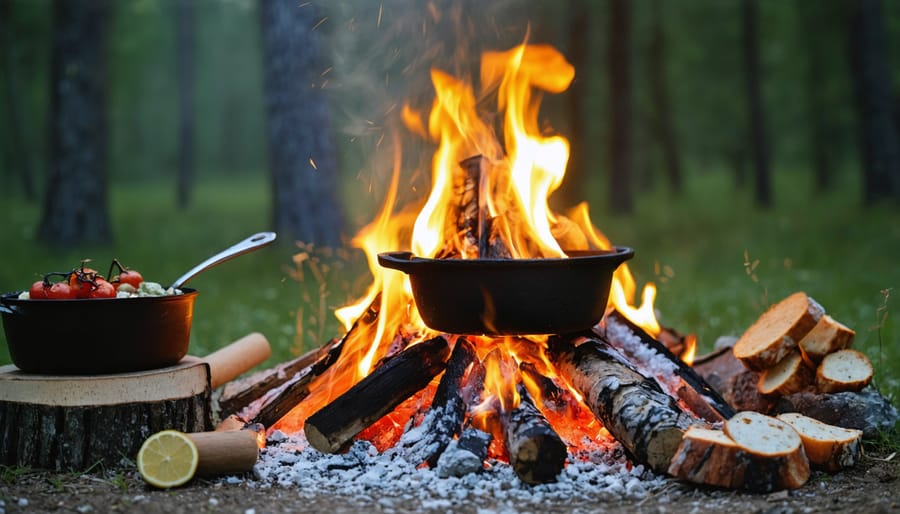
Building and maintaining the perfect cooking fire is an art that takes practice, but once mastered, it becomes the foundation for all traditional cooking methods. Start by gathering three types of wood: tinder (small, dry twigs and bark), kindling (finger-thick sticks), and fuel wood (larger logs). Create a fire lay by placing tinder in the center, surrounded by a teepee of kindling.
Pro tip: Look for hardwoods like maple or oak, which burn longer and produce better cooking coals. Avoid pine and other softwoods that create too much smoke and can affect food flavor.
Once your fire is lit, let it burn down to hot coals – this is your ideal cooking temperature. Maintain a consistent heat by adding logs gradually rather than all at once. For temperature control, create different heat zones by pushing coals to one side, giving you both hot and cool areas for various cooking needs.
Remember to keep a bucket of water nearby for safety, and always build your fire in designated fire pits or rings. When you’re done cooking, ensure the fire is completely extinguished by drowning it with water and stirring the ashes until cold.
Essential Tools and Equipment
The heart of traditional outdoor cooking lies in its time-tested tools, many of which have remained unchanged for generations. A cast-iron Dutch oven is perhaps the most versatile piece, perfect for everything from stews to fresh-baked bread over an open fire. Don’t forget a sturdy tripod to suspend your pot at the right height above the flames.
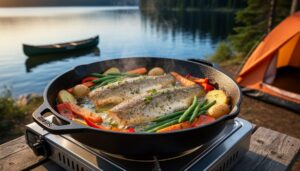
For direct cooking, a good set of long-handled utensils is essential – think wooden spoons, metal tongs, and a heavy-duty spatula. These keep your hands safely away from the heat while giving you perfect control over your food. A well-seasoned cast iron skillet is another must-have, ideal for everything from morning pancakes to evening fish fries.
Traditional fire-starting tools like flint and steel add an authentic touch, though keeping waterproof matches as backup is always wise. A collection of natural materials like birch bark (nature’s perfect fire starter!) and dry kindling helps get things going. For food prep, a sharp knife and a portable cutting board are indispensable, while traditional wooden bowls add both functionality and rustic charm to your outdoor kitchen setup.
Heritage Cooking Methods
Indigenous Cooking Traditions
Ontario’s rich Indigenous heritage comes alive through traditional cooking methods that have been passed down through generations. These Indigenous food experiences offer a profound connection to the land and its bounty. From earth ovens lined with hot stones to smoke houses crafted from bark and branches, these time-honored techniques bring out incredible flavors while respecting the environment.
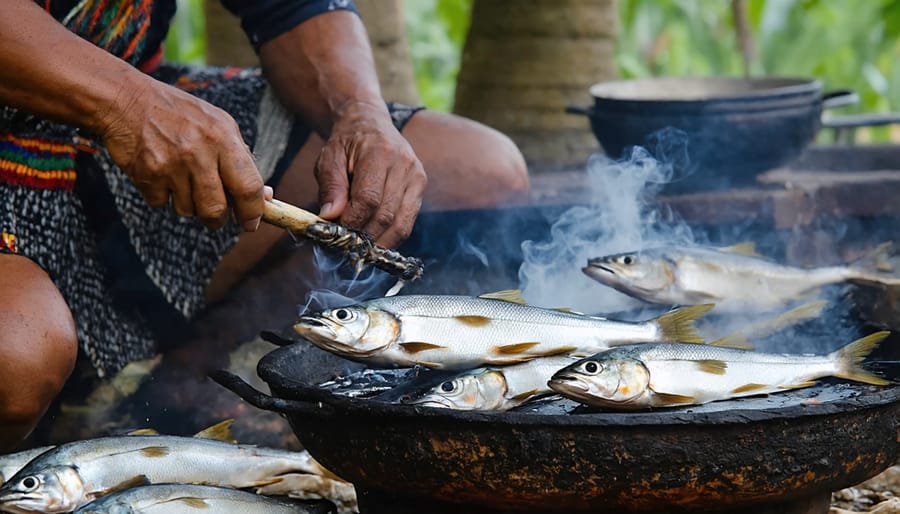
One of the most fascinating methods is pit cooking, where food is wrapped in maple or cedar leaves before being placed in an earthen pit with heated stones. This slow-cooking process creates tender, flavorful dishes while infusing them with subtle earthy notes. Another essential technique is smoking, traditionally used to preserve fish and game meat using local hardwoods like maple and hickory.
The three sisters method – growing corn, beans, and squash together – isn’t just about cultivation; it’s also about cooking these companions in harmony. Traditional clay pots are often used to simmer these vegetables together, creating nutritious stews that sustained communities for millennia.
These cooking practices aren’t just about food preparation; they’re about understanding the delicate balance between taking from and giving back to the land. Many Indigenous communities still practice these methods today, sharing their knowledge to ensure these valuable traditions continue for future generations.
Early Settler Techniques
When early European settlers arrived in Ontario, they brought with them a rich tapestry of cooking techniques that blended with local Indigenous methods to create unique historic Ontario flavors. One of the most essential techniques was open-hearth cooking, where families would prepare meals using cast iron pots suspended over crackling fires. These hearths weren’t just for cooking – they were the heart of the home, providing warmth and light during long winter months.
Root cellars played a crucial role in food preservation, allowing settlers to store vegetables, fruits, and preserved meats throughout the year. Many families mastered the art of smoking meats in simple smokehouses, using local hardwoods like maple and hickory to add distinct flavors while extending shelf life.
Baking was done in outdoor brick ovens or cast iron Dutch ovens buried in hot coals. These methods required careful timing and temperature control, skills that were passed down through generations. Settlers would often gather wild berries and maple syrup to sweeten their baked goods, adapting European recipes to incorporate local ingredients.
The practice of making preserves and pickles became essential for survival, with families working together during harvest season to prepare for winter. Many of these preservation techniques are still used today by those seeking to connect with their heritage and create sustainable food practices.
Seasonal Workshop Experiences
Summer Outdoor Kitchen
When summer arrives in Ontario, the outdoors becomes our favorite kitchen, offering unique opportunities to explore traditional cooking methods under the open sky. Join our expert guides for immersive outdoor cooking adventures that will transform the way you think about meal preparation.
From June through September, we host weekly workshops where participants learn to prepare seasonal dishes using time-honored techniques. Practice building the perfect cooking fire, discover how to use cast iron cookware effectively, and master the art of Dutch oven cooking. You’ll learn to bake bread in earthen ovens, smoke fish using traditional Indigenous methods, and create hearty stews that capture the essence of outdoor cooking.
Our most popular summer experiences include the “Sunset Campfire Cooking” series, where families gather to prepare multi-course meals using only traditional tools and techniques. We’ve also introduced “Forest to Table” workshops, teaching participants to identify edible plants and incorporate them into their outdoor cooking repertoire.
Pro tip: Book these sessions early as they fill up quickly, especially during holiday weekends. Don’t forget to bring a reusable water bottle and eco-friendly containers to take home your culinary creations!
Winter Traditional Cooking
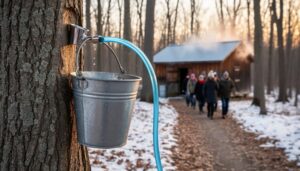
Winter brings unique challenges and opportunities for traditional cooking, especially in Ontario’s crisp climate. As temperatures drop, age-old techniques like smoking and preserving become particularly valuable. Root cellars, a time-tested method for food storage, keep vegetables fresh throughout the cold months without modern refrigeration.
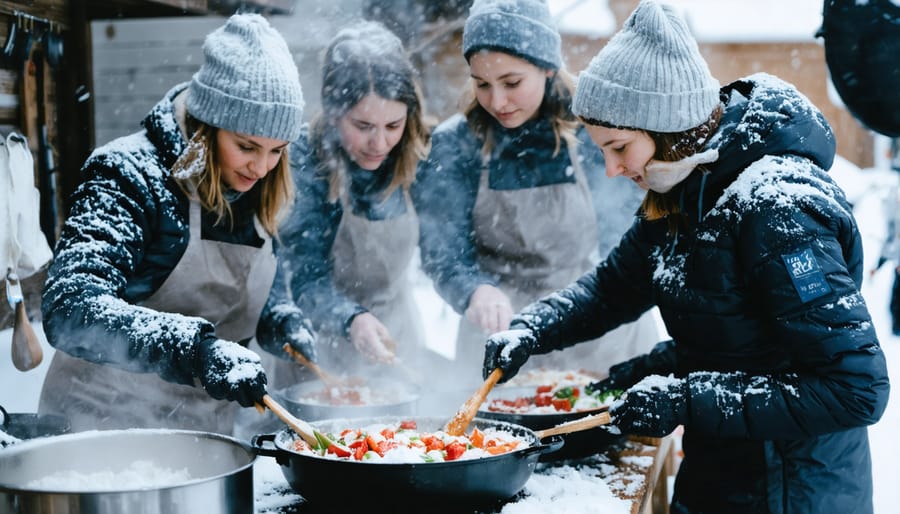
During winter workshops, participants learn how to maintain proper cooking temperatures in challenging conditions. One essential skill is fire management – keeping flames steady in windy or snowy weather requires special techniques, like building windbreaks and selecting the right type of wood that burns longer in cold conditions.
Winter’s chill actually offers some advantages for traditional cooking. Snow can be melted for clean water, and the cold air naturally preserves food longer. Many traditional recipes, like hearty stews and roasts, were specifically developed for winter sustenance. These dishes often incorporate preserved ingredients from fall harvests, such as dried herbs, smoked meats, and fermented vegetables.
For an authentic experience, try cooking in a snow pit – a traditional method where food is slowly cooked in a ground cavity insulated by snow. Just remember to dress in layers and bring extra dry firewood, as winter cooking requires more fuel than summer methods.
Pro tip: Keep metal cooking tools wrapped in cloth when not in use to prevent the cold metal from sticking to bare hands!
Eco-Friendly Cooking Practices
When cooking outdoors, embracing eco-friendly practices not only helps preserve our beautiful Ontario parks but also enhances the authenticity of traditional cooking experiences. Start by gathering only fallen, dry wood for your cooking fire – this helps maintain the forest’s natural cycle and ensures better burning. Remember to collect small twigs and branches rather than cutting live trees or large logs.
For those passionate about traditional cooking, consider investing in reusable cast iron cookware instead of disposable aluminum pans. These durable pieces not only last generations but also add that authentic touch to your outdoor cooking adventures. Keep a water bucket nearby to safely extinguish your fire and prevent the ashes from spreading.
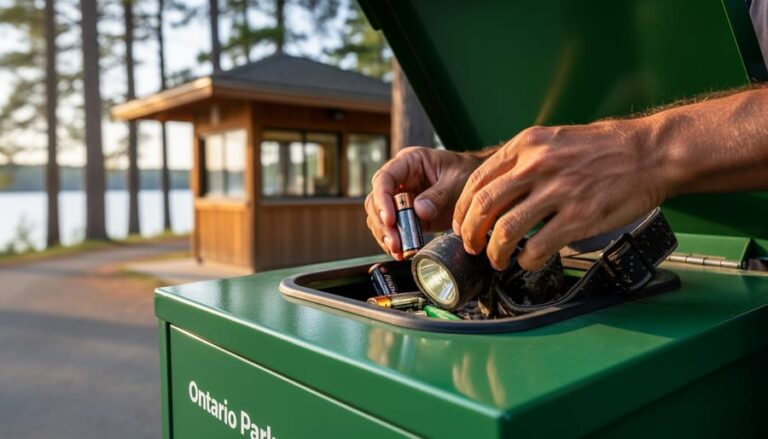
Bring reusable containers and cloth bags for ingredients and leftovers, avoiding single-use plastics that could harm wildlife. When collecting wild edibles (with proper permits), take only what you need and leave plenty for others and local wildlife to enjoy. Consider using biodegradable soap for cleaning, and always strain your dishwater through a fine mesh to catch food particles before disposing of it properly.
Before leaving your cooking site, ensure all embers are completely cold and scatter the ashes widely. Pack out everything you packed in, leaving no trace of your culinary adventure. These small actions help preserve our natural spaces for future generations of outdoor cooking enthusiasts.
Learning traditional cooking techniques connects us with our heritage while equipping us with valuable skills that stand the test of time. Whether you’re mastering the art of open-fire cooking, discovering the secrets of natural preservation methods, or learning how to forage and prepare wild edibles, these time-honored practices offer both practical knowledge and a deeper appreciation for our relationship with food and nature.
By participating in traditional cooking workshops at Ontario Parks, you’ll not only gain hands-on experience but also become part of a community that values sustainable living and cultural preservation. The skills you learn here will enhance your outdoor adventures and bring a new dimension to your home cooking. Don’t wait to start your journey into traditional cooking – join one of our upcoming workshops and become part of this rewarding culinary tradition. Your taste buds (and your ancestors) will thank you!









+ There are no comments
Add yours