
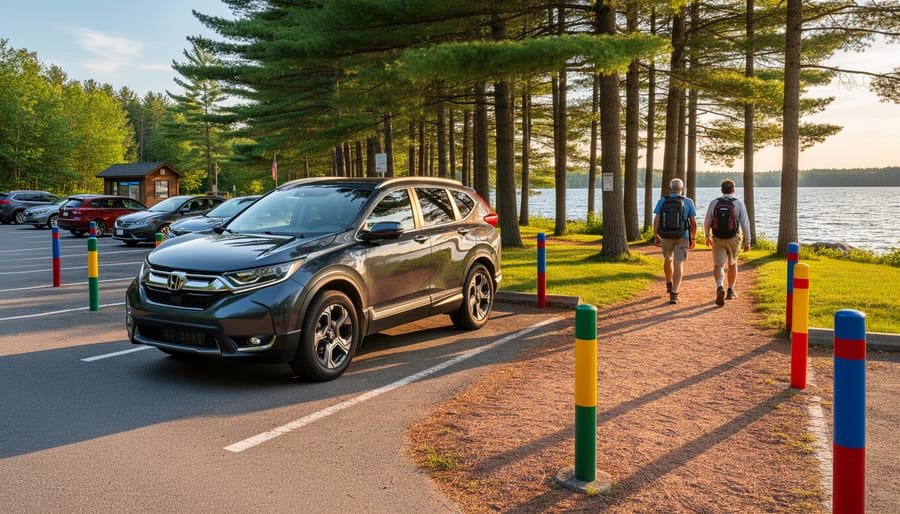
Picture this: you arrive at your dream Ontario park destination, only to find the parking lot full and day-use passes sold out. This frustrating scenario is exactly what zone parking permits help you avoid when exploring Ontario’s wilderness. These permits grant you reserved parking access in designated zones at specific provincial parks and conservation areas, ensuring your outdoor adventure starts smoothly rather than with a parking scramble.
Zone parking permits work like a golden ticket for nature lovers. Instead of competing for limited day-use spots during peak seasons, permit holders enjoy guaranteed parking in their reserved zone, typically for extended periods ranging from seasonal passes to annual access. Think of them as your VIP pass to Ontario’s natural treasures, especially valuable at popular destinations that experience high visitor volumes on summer weekends and holidays.
Whether you’re a weekend warrior hitting the trails regularly or planning that perfect camping trip, understanding how zone parking permits function can transform your park experience from stressful to seamless.
What Exactly Is a Zone Parking Permit?
Think of a zone parking permit as your golden ticket to explore some of Ontario’s most spectacular natural areas. Unlike a regular day-use permit that gets you into one specific park for a single visit, a zone parking permit is like having a season pass to multiple parks within a designated region.
Here’s how it works in practice: imagine you’re planning a summer of weekend adventures. Instead of purchasing individual permits every time you visit Algonquin Park, Arrowhead Provincial Park, or any other park within your chosen zone, you display your zone parking permit on your dashboard and you’re good to go. It’s that simple.
The main difference between these permits and regular day-use passes comes down to flexibility and value. A day-use permit covers one vehicle for one park on one day. A zone parking permit, on the other hand, gives you unlimited access to all parks within your selected zone for an entire season, typically running from early spring through late fall.
Let me share an insider tip: if you’re planning to visit any Ontario park more than three or four times during the season, a zone parking permit usually pays for itself. I’ve met countless families who initially hesitated at the upfront cost, only to realize they saved hundreds of dollars by mid-summer.
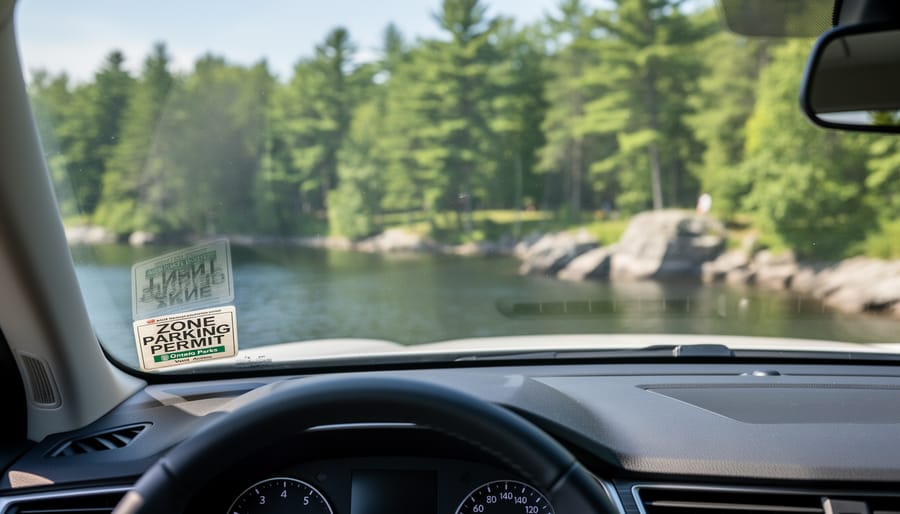
These permits are vehicle-specific, meaning they’re tied to your license plate number. You’ll receive either a physical hang tag for your rearview mirror or a digital confirmation, depending on how you purchase it. Park staff can quickly verify your permit when you arrive at any entry point within your zone.
Why Ontario Parks Uses Zone-Based Parking
You might wonder why Ontario Parks bothers with zone parking permits instead of the traditional first-come, first-served approach. The answer lies in creating a better experience for everyone while protecting the natural spaces we all love.
Think of it this way: some of Ontario’s most stunning parks were getting so popular that parking lots filled by 8 a.m. on summer weekends, leaving disappointed families turned away at the gates after long drives. Zone parking permits solve this frustration by guaranteeing your spot when you arrive. You’ve planned your weekend getaway, packed the cooler, and got the kids excited – now you’ll actually get to enjoy it.
Beyond convenience, this system is a game-changer for conservation. By managing visitor flow, Ontario Parks can prevent overcrowding in sensitive ecosystems. When too many people concentrate in popular areas, trails erode faster, wildlife gets disturbed, and the very beauty we’re seeking gets diminished. Zone permits spread visitors more evenly across different park areas and throughout the day, giving nature breathing room.
Here’s an insider tip: parks using zone permits often see cleaner facilities and better-maintained trails because staff can anticipate exactly how many visitors to prepare for. It’s a win-win situation.
The environmental benefits extend further too. Instead of circling endlessly for parking spots (we’ve all been there), you drive straight to your reserved zone, reducing emissions and fuel waste. Some visitors have shared that knowing their parking is secured actually makes the whole trip more relaxing – you can focus on spotting that elusive blue heron instead of stressing about finding a spot.
Understanding Regional Access Points and Your Permit
How Access Points Connect to Parking Zones
I’ll never forget my first visit to Algonquin Park’s East Gate on a busy summer weekend. I showed up confident with my zone parking permit, only to realize I’d purchased access for the West Gate zones. Talk about a learning curve! That experience taught me something crucial: understanding how access points connect to parking zones can save you from disappointment and wasted time.
Here’s how it works in Ontario parks. Each major park typically has several designated entry points or access gates. Think of these as doorways into different sections of the park. When you purchase a zone parking permit, you’re not just buying general park access – you’re securing a spot within specific zones linked to particular entry points.
For example, at popular destinations like Killarney Provincial Park, permits for the George Lake access point won’t work for the Bell Lake trailhead zones. They’re separate systems designed to manage capacity and protect sensitive ecological areas. This zoning approach ensures trails don’t become overcrowded and wildlife habitats stay protected.
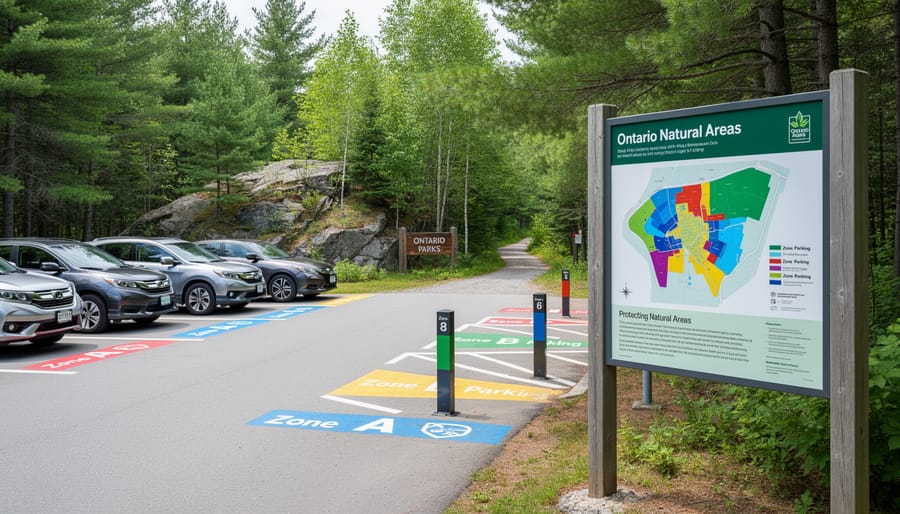
The good news? Most park websites now feature interactive maps showing which zones correspond to each access point. Before purchasing your permit online, zoom in on these maps and identify which trailheads or facilities you actually want to visit. Match your permit to that specific zone.
Here’s an insider tip: gateway communities near park entrances often have visitor centers where friendly staff can explain the zone system face-to-face. They’ll help ensure you’re purchasing the right permit for your planned activities, turning potential confusion into confidence.
Which Parks Use Zone Parking Systems
Several stunning Ontario parks have embraced zone parking systems to manage visitor flow and protect sensitive ecosystems. Frontenac Provincial Park leads the way with its comprehensive zone system, dividing access points across Big Salmon Lake, Kingsford Lake, and Slide Lake. Here’s an insider tip: arrive at Big Salmon Lake early on summer weekends, as it fills quickly with canoeists heading to backcountry sites.
Kawartha Highlands Provincial Park uses zone parking at multiple trailheads, with permits required at Anstruther Lake and Bottle Lake access points. The beauty here is that each zone connects to different trail networks, so choosing your parking zone actually determines your adventure route.
Algonquin Park implements zone parking at popular destinations like Lake of Two Rivers and Canoe Lake. Pro tip: the west side access points typically see less congestion than Highway 60 corridor zones, offering a more peaceful entry to your wilderness experience.
Charleston Lake Provincial Park divides parking between day-use beaches and hiking trailheads. Local regulars know that the Blue Mountain Trail parking zone offers the best combination of accessibility and solitude.
Each park’s zone system reflects its unique geography and visitor patterns. Before heading out, check which zones align with your planned activities, whether that’s paddling, hiking, or simply enjoying a lakeside picnic. Understanding these zone setups helps you choose the perfect starting point for your outdoor adventure.
Reading Your Permit: What the Zone Information Means
Your permit is like a treasure map – but only if you can read it! Take a moment to examine those details closely. The zone designation (like “Zone A” or “West Beach Zone”) tells you exactly where you’re allowed to park. Here’s an insider tip: snap a photo of your permit with your phone as backup, especially on busy summer weekends.
Pay attention to the time restrictions printed on your permit. Some zones allow all-day parking, while others limit you to specific hours. I learned this the hard way when I returned to find a ticket despite having a valid permit – I’d overstayed the 4-hour window!
Common mistakes? Confusing similar zone names (North Point vs. North Shore) or assuming your permit works park-wide when it’s zone-specific. Also, check the valid dates carefully. Weekend permits won’t cover you on weekdays, and seasonal passes have exact start and end dates. When in doubt, ask the park attendant – they’re incredibly helpful and would rather clarify than see you ticketed. Remember, displaying your permit clearly on your dashboard prevents unnecessary headaches.
Getting Your Zone Parking Permit: The Easy Way
Getting your zone parking permit is simpler than you might think, and I’m here to walk you through it like a friend sharing their favorite park secrets. Whether you’re the plan-everything-months-ahead type or more of a spontaneous adventurer, there’s a permit option that works for you.
The advance booking route is perfect for peak season visits, especially if you’re eyeing popular spots during summer weekends or fall color season. Jump online to the Ontario Parks reservation system up to five months before your visit. The process takes about ten minutes – you’ll select your park, choose your entry date, and pick your zone. Pro tip: Wednesday mornings around 7 AM are golden for snagging permits that just became available after cancellations. I’ve scored last-minute weekend permits this way more times than I can count.
For the flexible folks, day-of permits work beautifully during shoulder seasons or weekdays. Simply arrive at the park gatehouse when it opens. During my early spring visits, I’ve never had trouble getting same-day permits, and you get the bonus of chatting with park staff who often share trail condition updates you won’t find online.
Here’s an insider gem: if you’re reaching Ontario’s parks during busy times, have a backup zone in mind. Parks like Frontenac offer multiple zones with different character and beauty – being flexible means you’re rarely shut out completely.
Download your permit confirmation to your phone and keep a printed copy in your glove box. Cell service can be spotty in park areas, and you’ll want easy access when checking in. Most permits include vehicle details, so double-check your license plate information before finalizing.
The eco-friendly angle? Digital permits mean less paper waste, and advanced planning helps parks manage visitor numbers sustainably, protecting the natural spaces we all love exploring.
Smart Strategies for Peak Season Parking
Let me share a lesson I learned the hard way during Victoria Day weekend at Algonquin Park. I arrived at 10 a.m., confident my zone parking permit would guarantee me a spot – only to discover my preferred Zone 3 lot was completely packed. After circling twice, I had to implement Plan B on the fly, and honestly, it taught me more about smart parking strategies than a dozen smooth visits ever could.
Peak season parking requires thinking like a chess player, always staying two moves ahead. The golden rule? Arrive before 8 a.m. on summer weekends and holidays, or wait until after 3 p.m. when early birds start heading home. I’ve chatted with countless visitors who swear by the “sunrise arrival” strategy – you’ll beat the crowds, snag primo parking, and experience the trails at their most magical and peaceful.
Always have backup zones identified before you leave home. Study your park map and note alternative parking areas within reasonable distance of your planned activities. When my original lot filled up, I quickly pivoted to Zone 5, added only fifteen minutes to my hike, and actually discovered a quieter trailhead I now prefer.
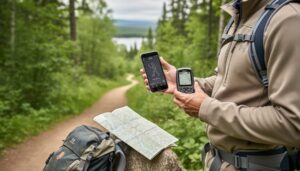
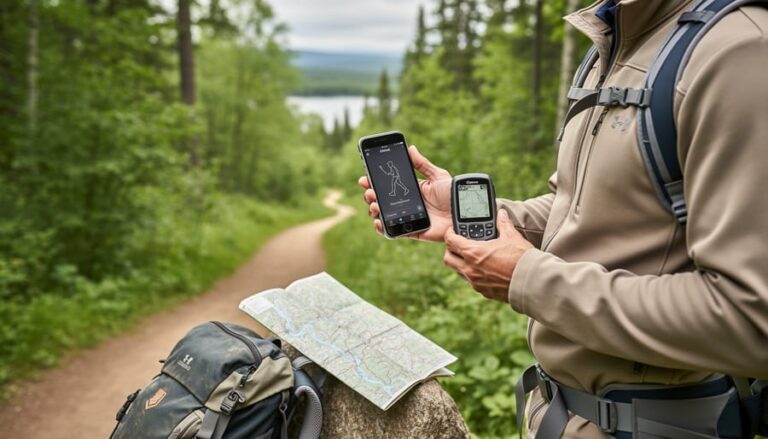
Here’s an insider tip that changed everything for me: download offline maps to your phone the night before. Cell service can be spotty in parks, and you don’t want to waste precious time figuring out alternative routes while idling in a parking lot.
Consider carpooling during peak times – you’ll reduce your environmental footprint and improve everyone’s chances of finding available spaces. I’ve met some wonderful hiking buddies through park carpool groups on social media. Plus, sharing gas costs means more money for post-hike ice cream, which is always the right call.
Making the Most of Your Zone Parking Permit
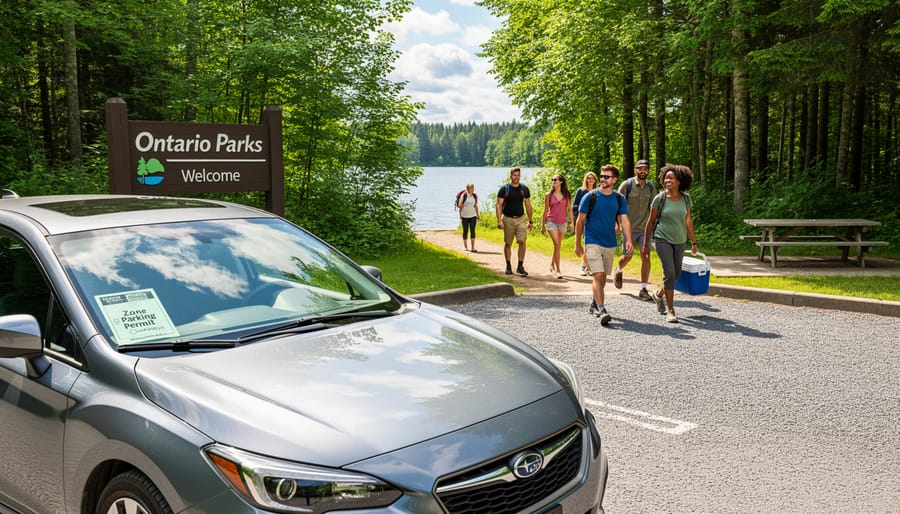
Getting the most from your zone parking permit starts with a bit of smart planning. I’ve learned over the years that arriving early not only guarantees you a spot in popular zones, but also gives you the best lighting for morning hikes and wildlife viewing. Check your permit details the night before to confirm which zones you can access – trust me, there’s nothing worse than showing up excited only to realize you’re in the wrong area!
Consider the accessibility features of your chosen parking zone, especially if you’re visiting with family members who have mobility considerations. Many Ontario parks offer designated accessible parking spots within their zone systems, and these can make your entire experience more comfortable and enjoyable.
Here’s an insider tip that makes a real difference: carpool whenever possible. Not only does it reduce your environmental footprint, but sharing the permit cost with friends makes it more affordable for everyone. Plus, road trips are always better with company and shared snacks!
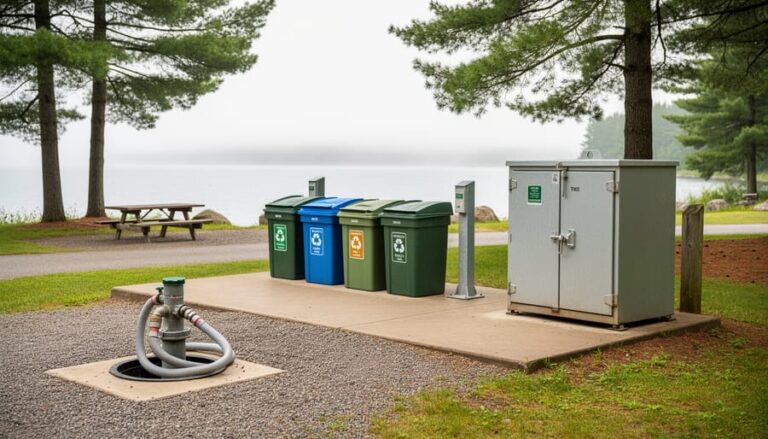
To minimize your impact on these beautiful natural spaces, plan to pack out everything you pack in. Keep a reusable bag in your vehicle specifically for trash collection. I also recommend bringing a refillable water bottle rather than single-use plastics – most parks have water stations near parking areas.
Finally, download the park map to your phone before you arrive. Cell service can be spotty in remote zones, and having offline access ensures you’ll navigate confidently throughout your visit.
Getting your zone parking permit is simpler than you might think, and it opens up a world of adventure across Ontario’s incredible provincial parks. Rather than viewing it as another step to check off, think of it as your ticket to stress-free exploration. Once you’ve secured your permit, you can pull up to your chosen trailhead or access point knowing everything’s sorted, letting you focus on what really matters: breathing in that fresh pine air, spotting wildlife, and creating memories with loved ones.
Here’s an insider tip: download your permit confirmation to your phone before you head out, just in case reception is spotty at your destination. Many seasoned park-goers also keep a printed copy in their glove compartment as backup.
The beauty of zone parking permits is they’re designed to protect the very landscapes we all cherish while ensuring everyone gets fair access. By planning ahead and securing your spot, you’re contributing to sustainable park management and helping preserve these spaces for future generations.
So grab your permit, pack your sense of adventure, and get ready to discover Ontario’s natural beauty with complete confidence. Your next great outdoor story is waiting.





+ There are no comments
Add yours