
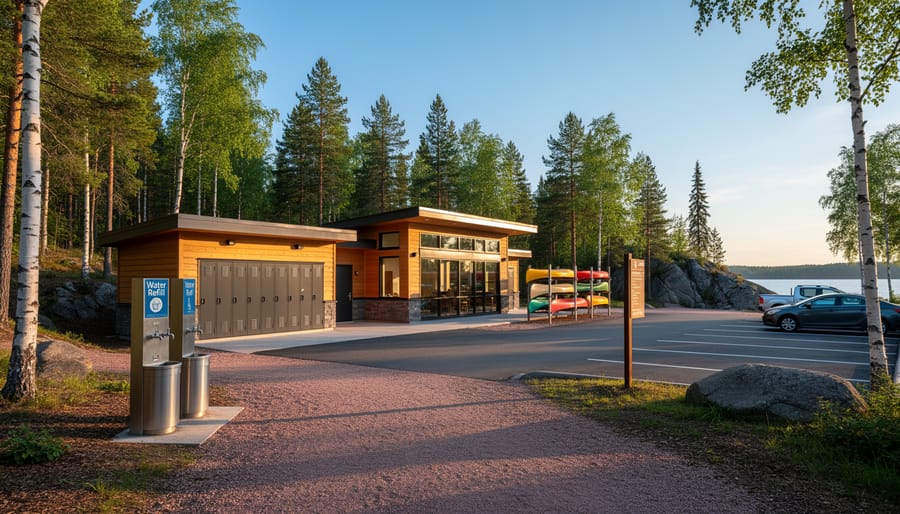
Gateway regional parks serve as your launchpad for multi-day wilderness adventures across Ontario, offering far more than scenic picnic spots. These strategically positioned parks function as fully-equipped staging areas where you can resupply, reorganize gear, and transition between backcountry segments without backtracking to urban centers.
Think of gateway parks as your wilderness base camp. They bridge the gap between civilization and remote trails, providing essential services like potable water, parking for extended trips, and waste disposal facilities that let you pack lighter on the trail. Located at key access points to provincial parks and conservation areas, these hubs eliminate the logistical headaches that often derail ambitious outdoor plans.
What makes gateway parks truly valuable is their dual nature. You’re not sacrificing comfort for convenience. Most feature modern amenities like shower facilities, equipment repair stations, and storage lockers alongside traditional park infrastructure. This means you can stage a five-day canoe expedition, store your vehicle safely, and return to hot showers and a proper meal before heading home.
Whether you’re leading a scouting group through Algonquin’s backcountry, planning a section hike along the Bruce Trail, or organizing a multi-lake paddling circuit, understanding how to leverage gateway parks transforms your trip from complicated to streamlined. These parks aren’t just stopping points—they’re strategic tools that extend your range and enhance your wilderness experience while keeping your environmental footprint minimal.
What Makes a Gateway Regional Park Special
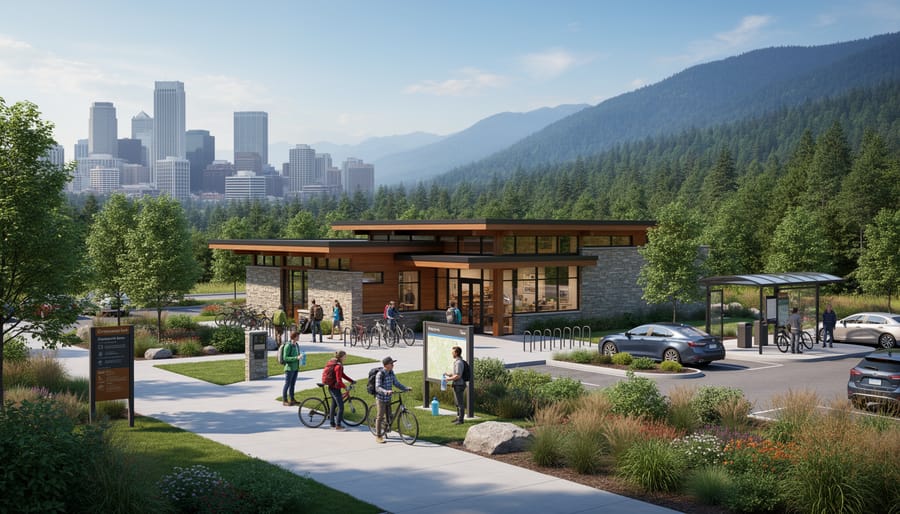
More Than Just a Park: The Regional Hub Concept
Think of gateway regional parks as your wilderness concierge service. Unlike typical parks where you simply arrive and explore, these strategic locations function as full-service basecamp operations designed specifically for adventurers heading into remote backcountry areas.
During my first multi-day canoe trip in Algonquin, I learned this lesson the hard way. I’d driven straight to an interior access point only to realize I’d forgotten fuel canisters and had questions about recent trail conditions. A seasoned paddler there mentioned I should have stopped at the gateway park first, where staff could have sorted me out completely.
These hubs typically offer visitor centers staffed with knowledgeable rangers who provide current trail conditions, weather updates, and wildlife activity reports. You’ll find gear rental services, last-minute supply purchases, and detailed regional maps. Many feature orientation sessions explaining Leave No Trace principles and wilderness safety protocols.
Here’s an insider tip: arrive early morning at gateway parks during peak season. Staff are freshest and can spend quality time helping you plan your route. Plus, you’ll beat the crowds competing for permits and prime campsites. Some parks even offer equipment checks where rangers review your gear list, potentially saving you from discovering missing essentials miles from civilization.
These community service centers transform potentially stressful trip preparation into smooth, confident wilderness departures.
Strategic Location Advantages
Gateway regional parks earn their name through smart positioning—they’re strategically located near major highways and transportation corridors, making them perfect bookends for your wilderness adventures. Think of them as nature’s welcome centers, positioned where accessibility meets wilderness.
Most gateway parks sit within an hour’s drive of urban centers, yet feel worlds away from city life. This sweet spot means you can leave work Friday afternoon and be setting up camp before sunset. When reaching Ontario’s parks, these locations serve as natural staging grounds where you can test your gear, grab forgotten supplies from nearby towns, or ease into backcountry mode gradually.
Here’s an insider tip: use gateway parks to acclimate. If you’re heading deep into Algonquin or Killarney for a week-long canoe trip, spend your first night at a gateway park. You’ll shake out any packing mistakes, adjust to sleeping outdoors, and start your main adventure refreshed rather than rushed.
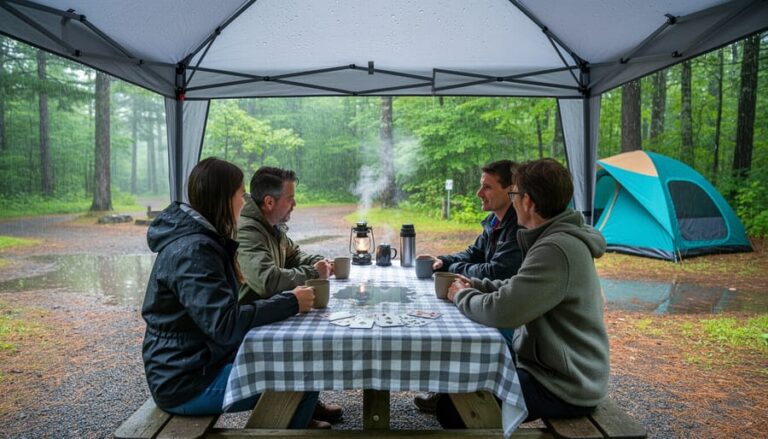
Their proximity to regional attractions also means flexibility. Rain forecast? You’re close enough to pivot to nearby museums, craft breweries, or scenic drives. On your return journey, these parks offer the perfect decompression zone—a final night under stars before rejoining the everyday world.
Essential Services That Keep Your Adventure on Track
Trip Planning and Visitor Information Centers
Before you set off into the wilderness, stop by the visitor information center near the main parking area—it’s an absolute goldmine for trip planning. The friendly staff here are outdoor enthusiasts themselves and love sharing their favorite routes and hidden spots. You’ll find detailed topographic maps, current trail condition reports (updated weekly during peak season), and weather forecasts specific to the backcountry areas you’re heading into.
Insider tip: ask about recent wildlife sightings and water source conditions, especially if you’re planning a multi-day canoe trip. The staff maintains a logbook of visitor reports that can help you avoid problem portages or find the best campsites.
The center also stocks everything from basic supplies you might have forgotten to eco-friendly bug spray and biodegradable soap. Grab a free wilderness guide that includes Leave No Trace principles and local flora and fauna identification charts—they’re genuinely helpful for first-timers and families.
Planning a longer expedition? The bulletin board features shuttle services, equipment rental contacts, and connections with local outfitters who can customize your adventure. I’ve personally found some of my best camping partners through the ride-share postings here.
Camping and Overnight Facilities
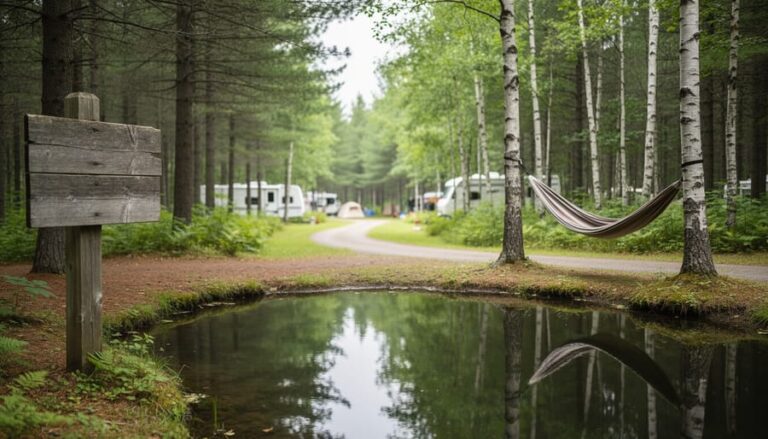
Gateway parks truly shine when it comes to overnight accommodations, offering everything adventure-seekers need to rest up before tackling Ontario’s backcountry. Whether you’re rolling in with an RV or pitching a tent under the stars, you’ll find well-maintained sites that balance rustic charm with modern convenience.
The campgrounds typically feature both serviced and unserviced sites, giving you flexibility based on your setup and comfort preferences. RV enthusiasts appreciate the electrical hookups and spacious pull-through spots, while tent campers love the grassy areas tucked among trees for natural privacy. Here’s an insider tip: book mid-week if possible, as weekend spots fill quickly during peak season.
What really sets these facilities apart are the amenities designed for extended stays. Clean comfort stations with hot showers feel absolutely glorious after a long day on the trail, and the coin-operated laundry facilities mean you can refresh your gear between adventures. Many gateway parks also include potable water stations, dish-washing areas, and even Wi-Fi access points near the main buildings.
For an eco-friendly approach, look for sites near the comfort stations to reduce water waste from long hose runs, and consider the shared fire pit areas where you can connect with fellow travelers while minimizing individual wood consumption. These thoughtful touches make gateway parks the perfect basecamp for your wilderness explorations.
Supplies and Last-Minute Essentials
Before venturing into Gateway Regional Park’s more secluded areas, smart adventurers stock up on essentials. The nearest full-service grocery store sits about 15 kilometers from the main entrance in the town of Sharbot Lake, making it your last chance for comprehensive supplies. You’ll find a small convenience store at the park’s entrance station, but selection is limited and prices run higher than town.
Here’s what visitors commonly forget: insect repellent (trust me, the blackflies don’t forget you), waterproof matches, and extra garbage bags for Leave No Trace practices. During my last visit, I watched a family turn back after realizing they’d forgotten their water purification tablets, so double-check your list.
If you’re considering vehicle rental considerations, fill up on gas before leaving town. The park has no fuel stations, and the nearest pump is 20 kilometers away.
Pro insider tip: The local hardware store sells firewood permits and camping fuel at better prices than you’ll find closer to the park. Grab biodegradable soap and a comprehensive first-aid kit while you’re there. Planning ahead means more time enjoying nature and less time backtracking for forgotten supplies.
Trip Staging: How to Use Gateway Parks Like a Pro
The Night-Before Strategy
Here’s a traveler’s secret that seasoned wilderness enthusiasts swear by: arrive at your gateway park the evening before your big adventure begins. I learned this lesson the hard way after rushing to Frontenac Park one summer morning, only to spend precious daylight hours sorting gear and studying maps when I should have been on the trail.
Rolling into a gateway park around dinner time transforms your experience completely. You’ll find a quiet campsite, enjoy a relaxed meal, and have ample time for those final preparations without the morning rush. Spread out your maps, double-check your permits, and review your route while your mind is fresh. This approach also takes the stress out of transportation planning, since you won’t be fighting traffic or worrying about arrival times.
The real magic happens at sunrise. While other visitors are just pulling into the parking lot, you’re already packed and ready to hit the water or trail. That early start means cooler temperatures, calmer lakes, and often, wildlife sightings that late-starters miss entirely. Plus, you’ll tackle the most physically demanding parts of your journey during peak energy hours.
Think of gateway parks as nature’s staging area, where that extra evening investment pays dividends throughout your entire trip.
Gear Check and Final Preparations
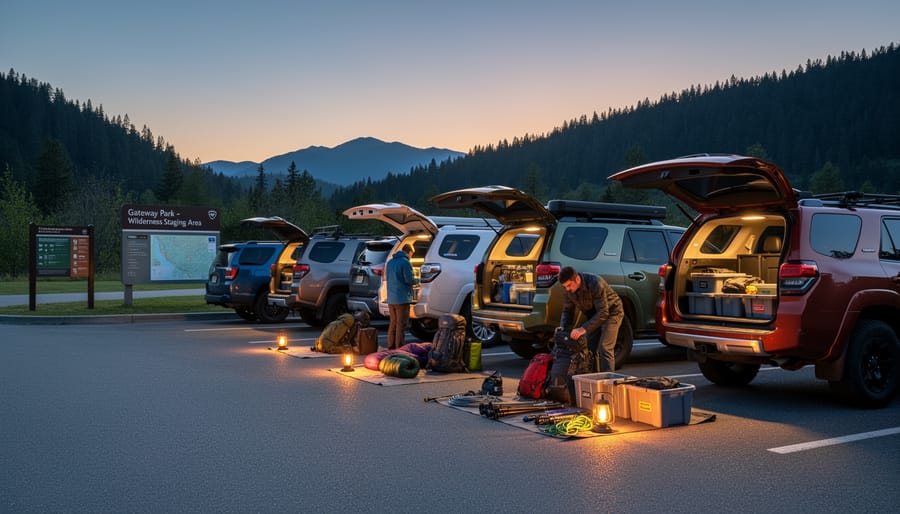
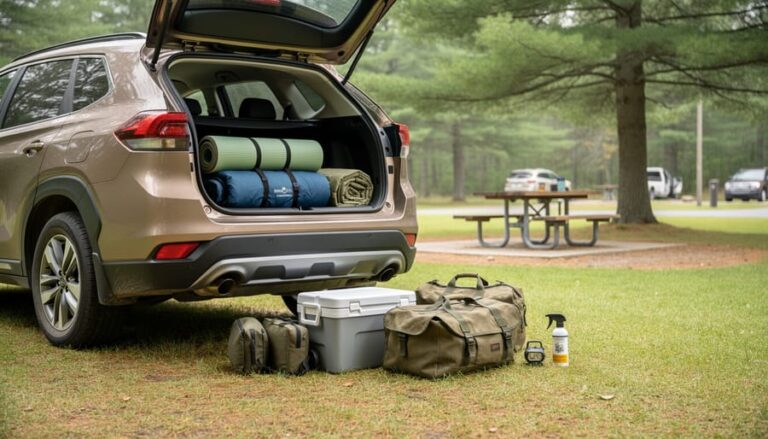
Before you hit the trailhead, Gateway Regional Park offers the perfect opportunity to double-check everything one last time. I always spread my gear out on one of the picnic tables near the parking area—it’s like my pre-adventure ritual. You’d be surprised how often I’ve caught a missing headlamp battery or forgotten water filter at this stage!
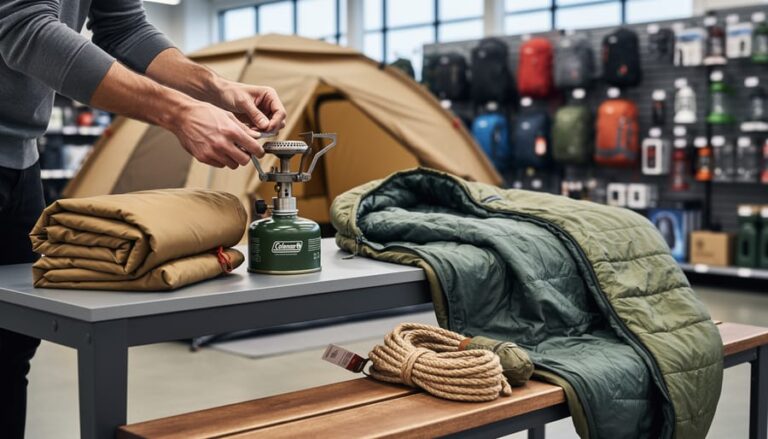
Start by testing your camp stove right there in the park. Fire it up, boil some water, and make sure everything’s functioning properly. It’s way better to discover a faulty connector here than three hours into the backcountry. The park’s sheltered areas also provide ideal spots for adjusting backpack straps and redistributing weight. Walk around the trails for ten minutes with your full pack—your shoulders will thank you later.
Use the washroom facilities to top off water bottles and containers. Insider tip: fill one extra bottle and stash it in your vehicle as an emergency backup. If you’re camping overnight, prep any meals that require cutting or marinating using the park’s tables. This saves precious time at your wilderness campsite and keeps food waste contained in designated bins.
Check your map and compass one final time, and snap a quick photo of your route on your phone. Gateway’s accessible facilities mean you’re making these final preparations in comfort, not scrambling in a muddy parking lot somewhere remote.
The Recovery Stop: Why Gateway Parks Work on the Way Home
Here’s something experienced backcountry adventurers know: the transition from wilderness to civilization can feel jarring. After a week of backcountry camping, jumping straight back into traffic and crowds isn’t exactly ideal. That’s where gateway parks shine as perfect decompression zones.
I’ve learned to build in an extra night at gateway parks on my return trip. There’s something magical about easing back into regular life with a hot shower, a flush toilet, and one last campfire under the stars. Many gateway locations offer comfort camping amenities that feel luxurious after days in the bush—powered sites for recharging devices, laundry facilities for washing trail-worn gear, and picnic shelters where you can properly sort and clean equipment before heading home.
This recovery stop serves practical purposes too. You can assess gear for damage, reorganize your vehicle without rushing, and share stories with fellow adventurers who understand that post-trip glow. Kids especially benefit from this gentler re-entry, as they process their wilderness experience before returning to screens and schedules.
Insider tip: Book your return-trip campsite before you leave for the backcountry. Nothing beats knowing a comfortable spot awaits you, and popular gateway parks fill quickly during peak season. That guaranteed shower after a long paddle? Absolutely worth the advance planning.
Real Adventures Start Here: Personal Stories from the Gateway
The Dawson family from Mississauga still talks about their first backcountry camping trip like it was yesterday. “We’d never done anything beyond car camping,” Sarah Dawson recalls, “so we used Achray as our gateway. We arrived early, let the kids explore the day-use area while we triple-checked our packs, and chatted with park staff about what to expect. Having that buffer between city life and wilderness made all the difference.”
For Scout Leader Marcus Chen, gateway parks have become essential planning tools. “I bring groups of 12-year-olds up to Quetico every summer. We always spend our first afternoon at a gateway location, practicing fire-building and bear-hang techniques in a controlled environment. The kids get their jitters out, realize they forgot toothpaste, and we can still fix those mistakes before heading into the backcountry.” His insider tip? Use that first evening to test everyone’s water filtration systems and headlamps—not when you’re five kilometers from the nearest road.
Solo paddler Jennifer Wong discovered gateway parks by accident. “I was driving to a remote Ontario park destinations when weather turned nasty. I pulled into what I later learned was a gateway area and met three other paddlers waiting out the storm. We shared route maps, weather apps, and camping stories. One couple had been coming to that same gateway for fifteen years—they knew which trails flooded first and where cell service randomly appeared.”
These stories highlight something maps can’t show: gateway parks create communities. They’re where nervous first-timers get encouragement, where experienced adventurers share beta, and where anyone can pause between worlds. The picnic table conversations, the gear spread across parking lots, the friendly debates about portage distances—this is where planning becomes real, where hesitation transforms into confidence, and where your adventure truly begins.
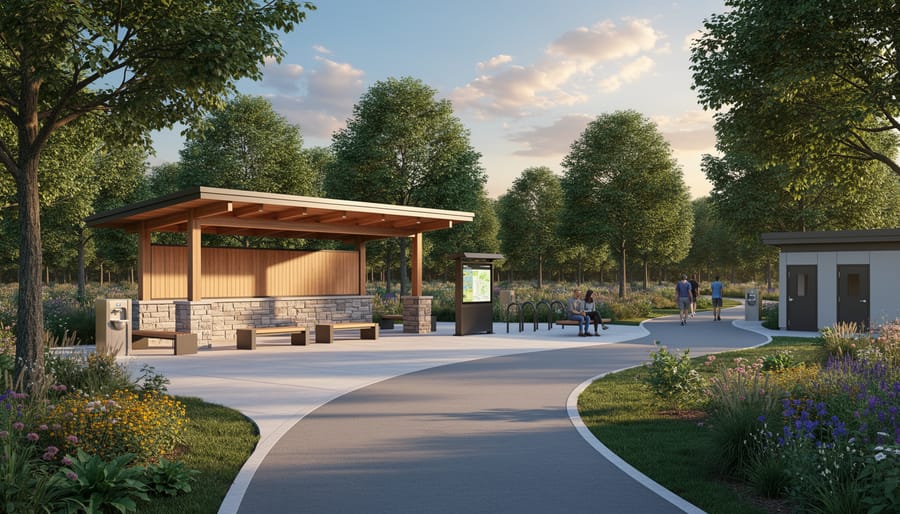
Making Your Gateway Park Visit Eco-Friendly
Gateway parks are your launchpad for wilderness adventures, and keeping them pristine ensures they’ll be there for future explorers. Here’s how to make your visit gentle on the environment while you’re gearing up for backcountry trips.
Start with smart packing choices. Use reusable containers instead of single-use plastics when organizing your gear and food supplies. I’ve found that silicone bags and metal tins work beautifully for trail snacks and keep things organized in your vehicle too. When you’re doing that final equipment check in the parking area, keep a dedicated bag for any packaging waste so nothing blows away.
If you’re camping overnight at the gateway park, practice leave-no-trace principles from the start. Use existing fire rings, keep fires small, and burn only wood provided or purchased locally to prevent spreading invasive species. Pack out everything you pack in, including food scraps that might attract wildlife to developed areas.
Consider carpooling with your adventure group to reduce vehicle traffic and emissions. Not only is this eco-friendly, but it also means fewer parking headaches during busy summer weekends.
Before heading into the wilderness, top off water bottles using the park’s facilities rather than buying bottled water at your destination. Many gateway parks now have water refill stations specifically for this purpose.
Remember, the condition you leave the gateway park in sets the tone for your entire wilderness experience. Treating these staging areas with respect protects the natural beauty that draws us to Ontario’s outdoors in the first place.
Insider Tips for Gateway Park Success
Want to make the most of your gateway park experience? Here’s what seasoned adventurers and park staff won’t always tell you upfront, but wish everyone knew.
Timing is everything when it comes to gateway parks. Visit on weekday mornings, especially Tuesday through Thursday, and you’ll find staff have more time to share their wealth of local knowledge. They know which backcountry routes are currently in prime condition, where wildlife sightings have been most frequent, and which lakes still have the best fishing. These conversations are gold for trip planning, but they’re rushed on busy Saturday mornings when everyone’s scrambling for last-minute permits.
For reservations, think like a chess player and plan two moves ahead. Book your backcountry permits the moment they become available, typically 5-6 months in advance for popular summer dates. However, if you’ve missed that window, don’t despair. Check back 2-3 weeks before your desired dates when cancellations often pop up as people’s plans change.
Getting to the park during shoulder seasons, particularly mid-May or late September, offers tremendous advantages. You’ll enjoy quieter trails, easier parking, and staff who can provide more personalized service. Plus, the bugs are less fierce and autumn colours or spring wildflowers create stunning backdrops.
Pack a small cooler even for day trips. Gateway park offices typically have ice available, and keeping perishables cold while you finalize route details prevents food waste. Also, download offline maps before arriving since cell service can be spotty. The park’s WiFi, when available, is perfect for this final digital preparation before heading into the wilderness.
Gateway regional parks truly are the unsung heroes of Ontario’s outdoor adventure network. Think of them as your experienced trail buddy who knows exactly what you need before your big wilderness journey begins. Whether you’re heading out for a weekend camping trip or embarking on a week-long canoe expedition, these strategically positioned parks offer that essential pause button where you can regroup, resupply, and recalibrate your plans based on real-time conditions.
The beauty of incorporating gateway parks into your trip planning is the confidence they provide. You’re never truly flying blind when you know there’s a well-equipped checkpoint along your route. That reassuring knowledge transforms anxiety into excitement, especially for those newer to backcountry adventures. Plus, by taking advantage of these facilities, you’re supporting the local communities that keep Ontario’s outdoor infrastructure thriving.
As you map out your next adventure, give gateway regional parks the attention they deserve in your itinerary. Your future self, standing at a trailhead feeling prepared and energized rather than scrambled and stressed, will thank you. These parks aren’t just conveniences—they’re your partners in creating unforgettable Ontario wilderness experiences.




+ There are no comments
Add yours