
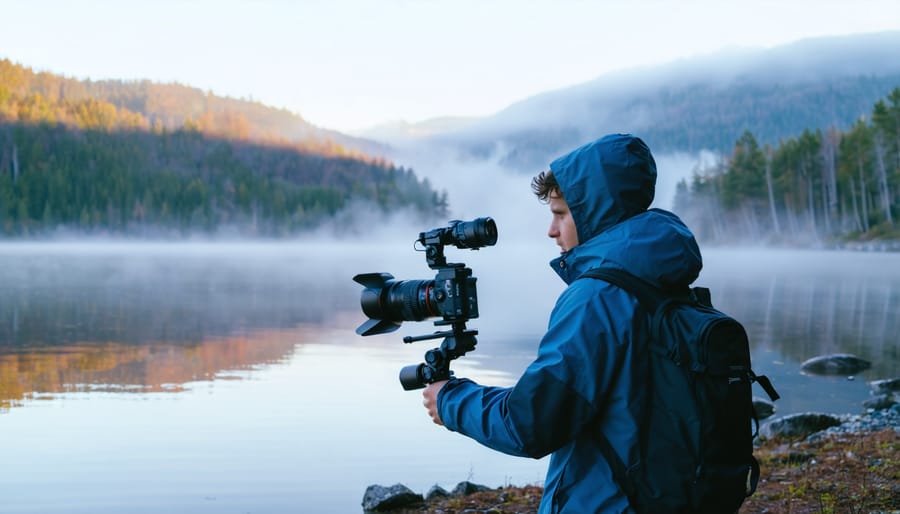
Point your lens at cascading waterfalls, morning mist rising over tranquil lakes, and wildlife moving through ancient forests—then learn to capture it all in stunning motion. Photography workshops in Ontario parks now offer specialized video training that transforms ordinary park visitors into confident videographers, all while surrounded by some of the province’s most breathtaking natural settings.
Combine camera technique with compelling storytelling by mastering frame composition against real backdrops of granite cliffs and pine-lined shores. You’ll practice following focus on moving subjects like deer emerging from treelines, adjust exposure as clouds shift overhead, and discover how natural soundscapes elevate your footage from simple clips to cinematic experiences.
Choose workshops based on your current equipment and comfort level—some focus on smartphone videography perfect for beginners, while advanced sessions explore DSLR settings, gimbal stabilization, and editing techniques specific to nature content. Most programs run from sunrise golden hour through blue hour twilight, maximizing those magical lighting conditions that make outdoor video truly spectacular.
Pack extra batteries since cold Ontario mornings drain power faster than expected, and bring weatherproof gear bags because the best footage often happens when conditions turn dramatic. Instructors typically include working photographers who know exactly which park trails offer the most dynamic compositions and when seasonal changes create unique filming opportunities you won’t find anywhere else.
Why Ontario Parks Are Perfect Classrooms for Video Photography
Nature’s Ever-Changing Studio
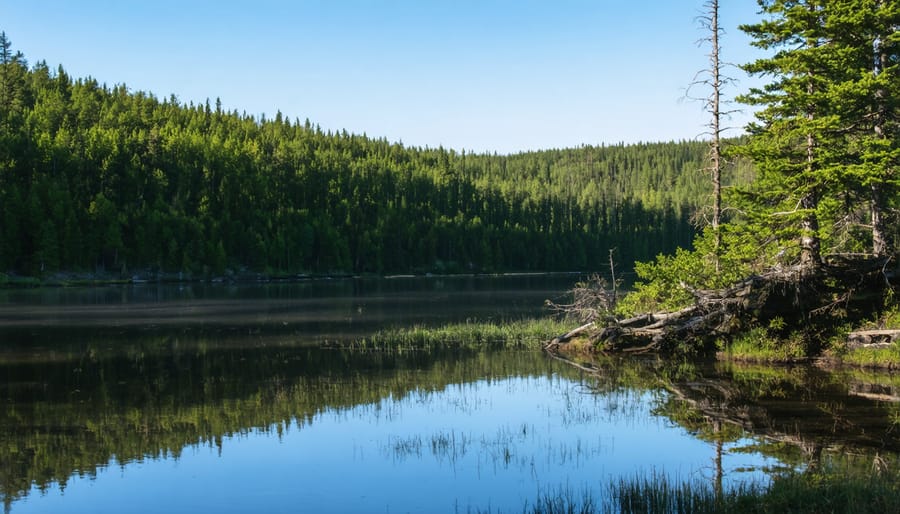
Ontario’s parks transform into living classrooms where every season writes a new curriculum. Imagine capturing the thunderous cascade of waterfalls in spring when snowmelt swells the flow, or filming the mirror-like reflections of autumn foliage dancing across calm lake surfaces. These natural settings provide constantly shifting subjects that keep your creative muscles flexed and your technical skills sharp.
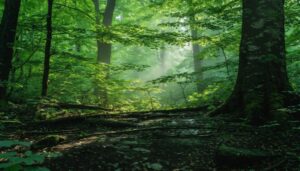
The golden hour magic happens differently here than in urban settings. Watch as amber light filters through forest canopy, creating natural backlighting that commercial studios can only dream of replicating. Winter brings its own drama with frost-covered landscapes and dramatic cloud formations rolling across frozen lakes.
Here’s an insider tip: dawn and dusk offer the most spectacular lighting, but midday isn’t wasted time. Use those hours to film wildlife filming opportunities under tree cover, where diffused light creates professional-looking footage without harsh shadows.
Each park visit presents fresh challenges. That unpredictable weather you might curse? It’s actually teaching you adaptability and problem-solving skills that separate hobby videographers from confident creators. Fog rolling in becomes atmospheric B-roll. Sudden rain creates dynamic water droplet closeups. Nature doesn’t reschedule, so you learn to work with what you’re given.
Away from the Noise (Literally and Figuratively)
There’s something magical about learning when you’re surrounded by rustling leaves instead of honking traffic. When you step into Ontario’s parks for a video photography workshop, you’re trading fluorescent lights and coffee-stained desks for golden-hour sunlight filtering through pine branches. This isn’t just a pleasant backdrop – it’s a game-changer for your creative process.
I’ve noticed something remarkable during park-based workshops: participants stop checking their phones obsessively within the first hour. Without the constant buzz of notifications and urban distractions, your mind actually has space to absorb new techniques. You’re fully present when learning about frame composition or camera settings, and that focus translates into faster skill development.
The natural environment itself becomes your teacher. Listen to the wind, and you’ll understand why audio quality matters in videography. Watch how light dances across a lake at dawn, and suddenly you grasp the importance of timing your shots. Many past participants tell me their best creative breakthroughs happened while sitting quietly by a waterfall or hiking between shooting locations.
This immersive experience means you’re not just attending a class – you’re living and breathing photography in an environment that naturally inspires storytelling.
What You’ll Actually Learn in These Workshops
Mastering Your Gear in the Field
Learning to handle your equipment outdoors is where video photography truly comes alive. During field sessions, instructors help you master essential camera settings like ISO, shutter speed, and aperture while you’re actually capturing Ontario’s stunning landscapes. You’ll discover why a slower shutter speed creates that dreamy waterfall effect at places like Webster’s Falls, or how adjusting your white balance brings out the golden hour magic over Lake Ontario.
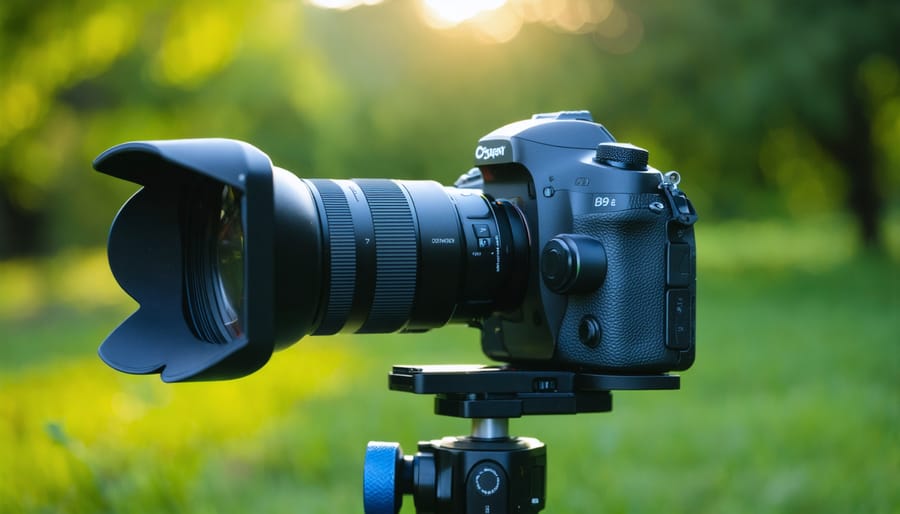
Stabilization becomes second nature as you practice with gimbals, tripods, and monopods on uneven terrain. One insider tip: always pack a lightweight tripod with spiked feet for muddy trails. Lens selection makes or breaks outdoor shots. Wide-angle lenses capture sweeping forest vistas, while telephoto options help you film wildlife from respectful distances.
Weather protection is crucial year-round. Experienced instructors share practical techniques like using rain sleeves fashioned from shower caps (an eco-friendly alternative to disposable covers) and keeping lens cloths in waterproof pouches. You’ll learn to spot when morning dew might fog your lens and how to safely transition equipment between Ontario’s chilly mornings and warm afternoons. These hands-on lessons build confidence, ensuring you’re ready to capture incredible footage regardless of conditions.
Composition and Storytelling in Natural Settings
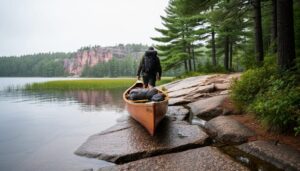
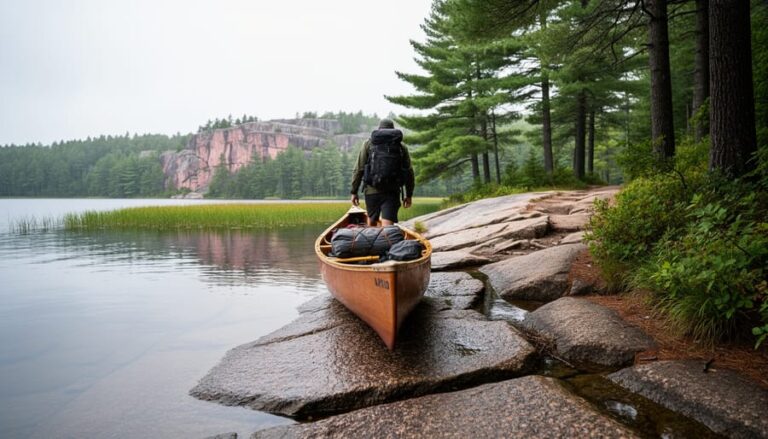
Ontario’s natural landscapes offer incredible opportunities to develop your compositional eye. In video photography classes, you’ll master the rule of thirds by positioning horizon lines and focal points along gridlines – imagine framing a canoe gliding across Algonquin’s calm waters with the treeline positioned perfectly in the upper third. Your instructors will show you how different framing techniques create mood: wide shots establish the vastness of Bruce Peninsula’s cliffs, while tight shots capture intimate details like morning dew on wildflowers.
Capturing wildlife movement requires patience and anticipation. You’ll learn to track a heron’s flight path or predict when a deer might emerge from the forest edge. Here’s an insider tip: arrive at dawn when animals are most active and lighting conditions are magical.
Creating compelling narratives happens through strategic b-roll collection and thoughtful sequencing. During workshops, you’ll practice shooting establishing shots of park entrances, transition footage of hiking trails, and detail shots that reveal the story. Think of your video as chapters – the sunrise opening, the adventure middle, and the reflective sunset closing. This approach transforms random clips into cohesive stories that transport viewers into Ontario’s wilderness.
Working with Natural Light and Sound
Ontario’s parks offer incredible opportunities to master natural light and sound—two elements that can make or break your video footage. Your instructor will likely start with golden hour magic, those dreamy first and last hours of sunlight when everything glows warmly. I’ve found this soft, directional light transforms ordinary park scenes into cinematic masterpieces.
You’ll learn backlighting techniques that create gorgeous rim lighting around your subjects, plus practical solutions for harsh midday sun—think using tree canopy as natural diffusion or positioning subjects in open shade. These skills complement other specialized approaches like nocturnal photography techniques for complete lighting mastery.
Sound quality often gets overlooked, but it’s equally crucial. Workshops teach you how to capture authentic forest ambience—babbling brooks, rustling leaves, bird calls—that immerse viewers in Ontario’s natural soundscapes. You’ll also tackle the notorious challenge of wind noise using simple positioning tricks and affordable windscreens.
Insider tip: bring a small notebook to log lighting conditions and times during your park shoots. This reference becomes invaluable for planning future outdoor video projects throughout Ontario’s changing seasons.
Top Ontario Parks Offering Video Photography Workshops
Algonquin Park: The Videographer’s Dream
Algonquin Park transforms into a videographer’s paradise throughout the seasons, and specialized workshops here take full advantage of this 7,600-square-kilometer wilderness classroom. Picture yourself setting up at dawn on Costello Creek, camera steady as a bull moose emerges from the mist—these are the moments instructors help you capture with professional techniques.
Fall workshops are particularly popular, running mid-September through October when the hardwood forests explode in crimson and gold. You’ll learn advanced camera movement techniques while filming those iconic maple-lined trails, plus master exposure settings for high-contrast autumn scenes. Insider tip: book accommodations at least six months ahead for fall sessions—they fill quickly.
Spring and summer workshops focus on wildlife cinematography, with instructors guiding you to prime loon nesting sites and beaver lodges. You’ll practice patience, ethical wildlife filming distances, and techniques for capturing those haunting loon calls on audio. Most courses include canoe-based filming sessions, so basic paddling ability helps. Eco-conscious videographers appreciate that groups stay small—typically eight participants maximum—minimizing environmental impact while maximizing hands-on instruction time.
Killarney Provincial Park: Dramatic Landscapes on Camera
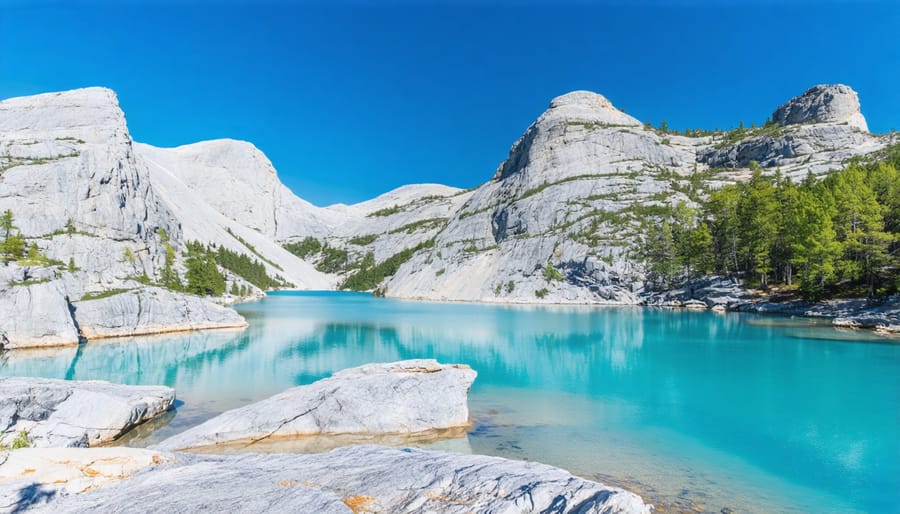
Killarney’s landscape feels otherworldly, and your camera will thank you for bringing it here. Those iconic white quartzite ridges rising against cobalt skies create contrast that’s every videographer’s dream, while the brilliant turquoise waters of George Lake and O.S.A. Lake provide stunning foreground elements that’ll make your footage pop.
I’ve found the La Cloche Silhouette Trail offers incredible vantage points for establishing shots, though you don’t need to tackle the full 100-kilometer loop to capture magic. Even the shorter hiking routes near the campground provide plenty of dramatic scenery to practice panning techniques and time-lapse sequences as clouds roll over the ridges.
Here’s an insider tip: arrive during golden hour when that low sun hits the white rock faces, creating a warm glow that contrasts beautifully with the cool lake tones. The rugged terrain challenges you to stabilize shots on uneven ground, perfect for mastering handheld techniques. Don’t forget your polarizing filter to cut through water reflections and really bring out those incredible turquoise depths. The park’s backcountry campsites also offer opportunities for multi-day filming adventures if you’re ready to go deeper.
Other Hidden Gems for Video Classes
Beyond the well-known locations, Ontario hides some incredible spots where you can sharpen your video skills while surrounded by jaw-dropping scenery. Frontenac Provincial Park occasionally offers specialized workshops where you’ll practice filming wildlife along its remote backcountry trails—perfect for those wanting to combine paddling adventures with videography.
Bon Echo Provincial Park provides a striking backdrop with its massive cliff faces rising 100 meters above Mazinaw Lake. The dramatic rock formations and Indigenous pictographs create compelling visual elements for documentary-style filming. Workshop instructors here love teaching participants how to capture scale and depth in landscape videography.
Up north, Sleeping Giant Provincial Park delivers that rugged Lake Superior coastline magic. The park’s distinctive silhouette and moody weather patterns give videographers fantastic opportunities to practice shooting in changing light conditions. My insider tip: dawn shoots at the Thunder Bay Lookout are absolutely worth the early wake-up call.
These lesser-visited parks typically host smaller, more intimate classes where you’ll get personalized feedback and can experiment with creative filming techniques without crowds in your shots.
What to Expect During Your Workshop Experience
Your workshop day typically begins just after sunrise—that magical hour when Ontario’s parks come alive with golden light filtering through the trees. You’ll meet your instructor and fellow participants at a designated spot, often with steaming coffee in hand, ready to capture the morning mist rising off a tranquil lake or the first rays illuminating a forest trail.
The morning session focuses on hands-on field shooting. Your instructor will guide you through camera settings, composition techniques, and movement fundamentals while you’re actually filming. There’s nothing quite like learning to use a gimbal stabilizer while walking along a rocky shoreline or mastering focus pulls as a deer appears in the distance. You’ll spend about three hours in the field, with your instructor offering real-time feedback and answering questions as situations arise naturally.
After a lunch break, you’ll head indoors or to a sheltered area for the editing portion. This is where your morning footage transforms into compelling stories. Most workshops provide computers with professional editing software, though some instructors encourage bringing your own laptop. You’ll learn workflow basics, color grading techniques that enhance those natural park settings, and how to choose the strongest clips from your morning shoot.
Here’s an insider tip: bring a portable battery pack and extra memory cards. You’ll be shooting more than you expect, and there’s nothing worse than missing that perfect sunset shot because your gear died.
Late afternoon often includes another shorter field session to practice what you learned during editing. As the day winds down, workshops typically feature group critiques where everyone shares their work. These sessions are incredibly valuable—you’ll discover different perspectives and creative approaches from fellow participants while receiving constructive feedback in a supportive environment.
Evening usually wraps with time for questions, networking with other photography enthusiasts, and planning the next day’s locations. Many participants find these informal conversations just as educational as the structured sessions, swapping eco-friendly shooting practices and favorite hidden spots within the parks.
Choosing the Right Class for Your Skill Level
Finding the perfect video photography class starts with honest self-assessment. I remember chatting with a workshop instructor at Algonquin Park who told me that one of the biggest mistakes people make is jumping into advanced classes before mastering the basics. You’ll get so much more value when the content matches your current abilities.
If you’re just starting out and primarily shoot video on your smartphone, look for beginner-friendly workshops that focus on composition, natural lighting, and storytelling fundamentals. These classes typically take place in easily accessible park locations and don’t require expensive equipment. I’ve seen newcomers create stunning wildlife videos at provincial parks using nothing but their phones and the techniques learned in a single afternoon session.
DSLR users ready to level up should seek intermediate classes covering manual settings, stabilization techniques, and audio recording in outdoor environments. These workshops often involve hiking to scenic overlooks or waterfront locations, so a moderate fitness level helps. You’ll learn how to capture those silky waterfall shots and crisp bird footage that elevate your content.
Serious content creators and aspiring professionals benefit most from advanced sessions focusing on cinematic techniques, color grading, and multi-day storytelling projects. These intensive workshops might span weekend camping trips where you’ll film sunrise sequences and night sky timelapses.
Before booking any class, ask these essential questions: What’s the instructor-to-student ratio? Will there be hands-on practice time? Are equipment rentals available? What’s the refund policy for weather cancellations? Does the class include post-production basics? Understanding these details ensures you invest in the right learning experience while exploring Ontario’s spectacular natural settings.
Insider Tips for Getting the Most from Your Workshop
Getting the most from your video photography workshop starts long before you arrive at the park gates. I learned this the hard way during my first workshop when I showed up with every lens I owned, only to realize I’d be exhausted lugging it all around. Here’s what seasoned workshop participants wish they’d known from day one.
Pack smart, not heavy. Your camera body, one versatile zoom lens (24-70mm is perfect), extra batteries, and memory cards are essentials. Add a lightweight tripod and maybe a small gimbal stabilizer if you’re focusing on motion work. Leave the heavy telephoto lenses behind unless wildlife filming is specifically on the agenda. A comfortable, weather-resistant camera bag with good shoulder support is worth its weight in gold when you’re hiking to filming spots.
Scout your locations beforehand if possible. Many Ontario parks have trail maps and photos online. Knowing where you’ll be filming helps you visualize shots and plan your day efficiently. Arrive early to catch that magical golden hour light, especially near water features where reflections create stunning footage.
Don’t underestimate the physical demands. Some of the most spectacular filming locations require moderate hikes over uneven terrain. Wear proper hiking boots, bring plenty of water, and pack energy-boosting snacks. Being physically prepared means you’ll have the stamina to nail that perfect sunset shot instead of heading back early.
Practice eco-friendly filming by sticking to marked trails and maintaining a respectful distance from wildlife. Never disturb natural features for a better angle. Embrace Leave No Trace principles by packing out everything you bring in, including battery packaging and lens wipes. Your instructor will likely emphasize this, but taking ownership of responsible filming practices ensures these beautiful locations remain pristine for future workshops and wildlife.
Finally, charge all your devices the night before and download any editing apps your instructor recommends in advance. Cell service can be spotty in parks, so come prepared.
Beyond the Basics: How These Skills Translate to Real Projects
The skills you pick up in video photography classes extend far beyond the workshop itself. Many participants discover they’re suddenly capturing family moments in cinematic ways they never thought possible. Take Sarah from Mississauga, who started with a weekend workshop at Algonquin and now runs a successful side business filming wedding proposal videos against Ontario’s stunning lake backdrops. She tells me the techniques she learned about natural lighting and composition during golden hour completely transformed her approach.
Travel vlogging becomes infinitely more engaging when you understand pacing and storytelling structure. Those family camping trips you’ve been documenting? Imagine turning them into compelling mini-documentaries that relatives actually want to watch all the way through. One father from Ottawa shared how his kids now help plan shot lists for their provincial park adventures, turning vacation time into creative family bonding.
The rise of nature content on social media has created genuine opportunities too. Local hiking influencers are building communities by sharing trail guides and wildlife encounters filmed with techniques learned in these outdoor workshops. The authenticity of shooting on location rather than in studios resonates deeply with audiences craving real wilderness experiences.
Here’s an insider tip: many workshop instructors stay connected with their students, offering feedback on projects and sometimes collaborating on eco-tourism content. This ongoing mentorship often proves more valuable than the initial class itself, opening doors to freelance opportunities with conservation organizations and outdoor brands looking for authentic Ontario nature footage.
Here’s the truth about mastering video photography: your skills will only truly flourish when you get out there and start shooting. Reading tutorials and watching online videos can only take you so far. The real magic happens when you’re standing by a misty lake at sunrise, figuring out how to capture that perfect golden-hour footage, or tracking a deer through the forest with your camera rolling.
Ontario’s parks offer you the perfect training ground, right in your backyard. These aren’t distant, expensive destinations requiring complicated travel arrangements. They’re accessible outdoor classrooms where dramatic scenery meets expert instruction, giving you the ideal environment to practice, experiment, and grow as a videographer.
Whether you’re picking up a camera for the first time or looking to refine advanced techniques, creative workshops in Ontario parks provide hands-on learning that simply can’t be replicated indoors. You’ll leave with not just new skills, but footage you’re genuinely proud of and memories of an incredible outdoor adventure.
Ready to transform your video photography abilities? Browse the available workshop options, find one that matches your interests and schedule, and book your spot today. Your outdoor learning adventure awaits.


+ There are no comments
Add yours