
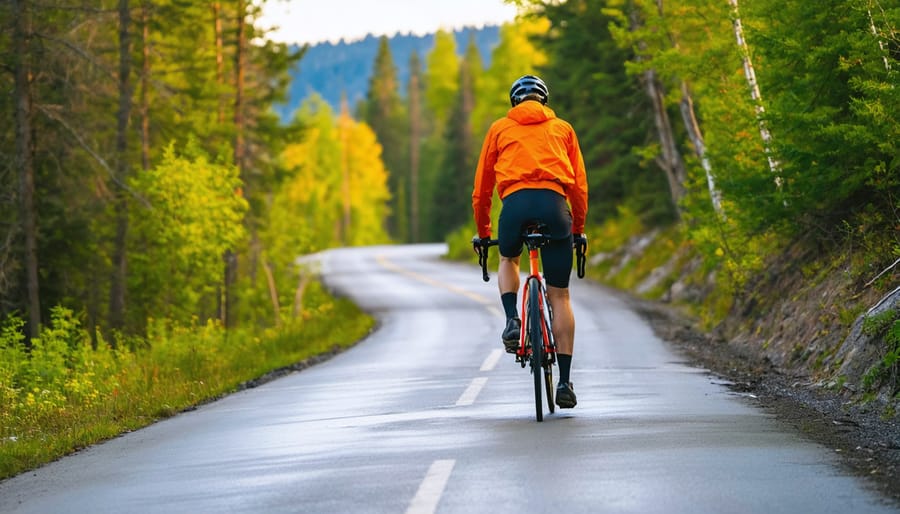
Check your local Ontario Park’s regulations before heading out—most parks welcome mountain bikes on paved roads and designated pathways, though trail access varies by location. Road riding offers a legitimate alternative when trails are muddy, closed for maintenance, or simply when you want a longer, uninterrupted ride through stunning park landscapes.
**Ride responsibly by staying right, signaling turns, and wearing bright colors.** Park roads often lack shoulders, so visibility is crucial. Early morning rides offer the best experience—fewer vehicles, cooler temperatures, and increased chances of spotting wildlife from your saddle. Your wider tires provide excellent stability on rough pavement, though consider inflating them to the higher end of your range for better rolling efficiency.
**Choose parks strategically for the best road-riding experience.** Algonquin Park’s Highway 60 corridor provides 56 kilometers of scenic riding with minimal traffic during weekdays, while Killarney’s park roads wind through breathtaking white quartzite ridges. Smaller parks like Frontenac often feature quiet internal road networks perfect for family rides.
**Embrace road riding as a training tool and exploration method.** It builds endurance without the technical demands of singletrack, lets you cover more ground to scout trailheads, and provides access to picnic areas and viewpoints that trails might miss. Plus, when summer heat makes trails dusty and challenging, paved roads offer a smoother, more comfortable ride while keeping you immersed in nature’s beauty.
When Road Riding Your Mountain Bike Actually Makes Sense
Let me be honest—there’s absolutely nothing wrong with pedaling your mountain bike down a park road, and sometimes it’s actually the smartest choice you can make. Here’s when those paved and gravel routes become your best friend.
**Getting from Point A to Point B** is probably the most practical reason. Many of Ontario’s best park trails aren’t conveniently located at the main entrance. At Algonquin Park, for instance, riders often cruise along Highway 60 to access different trail networks. It’s simply part of the adventure, and honestly, those scenic stretches between trailheads can be unexpectedly beautiful.
**Trail conditions matter too**. After heavy rain or during spring thaw, responsible mountain bikers stay off muddy trails to prevent erosion damage. A road ride keeps you moving without tearing up sensitive trail surfaces—Mother Nature will thank you. Plus, park staff really appreciate riders who respect seasonal closures and choose alternative routes.
**Active recovery days** are another game-changer. Not every ride needs to be an adrenaline-pumping technical challenge. Sometimes your legs are screaming from yesterday’s epic descent, and a gentle spin on smooth pavement is exactly what the doctor ordered. You’re still getting quality saddle time while giving those tired muscles a break.
**Group rides with mixed abilities** work beautifully on park roads. Maybe you’re introducing someone to mountain biking, or your friend’s still building confidence. Roads provide a safe, predictable surface where everyone can ride together, chat, and enjoy the scenery without worrying about root gardens or rock drops.
**Insider tip**: Early morning road rides in parks offer incredible wildlife viewing opportunities. I’ve spotted more moose, deer, and birds during dawn patrols on park roads than I ever have thrashing through the forest. Pack your camera and keep it accessible—you’ll want those shots for the ‘gram!
The Rules You Need to Know
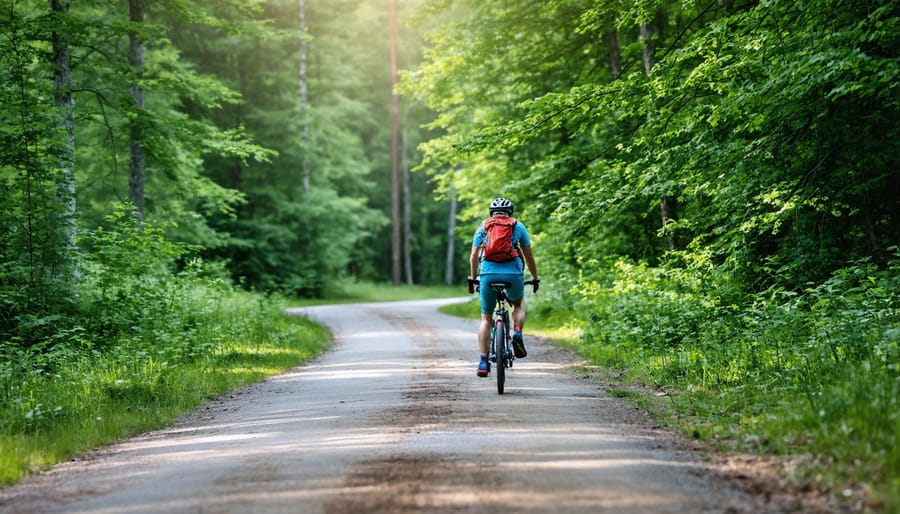
Before you clip into your pedals and hit the pavement, let’s talk about the ground rules for mountain biking on park roads in Ontario. The good news? It’s generally allowed, but each park operates a bit differently, so doing your homework pays off.
Most Ontario Parks permit cycling on paved roads and designated routes within park boundaries. Think of the main access roads, campground loops, and connector routes between facilities. These roads typically have posted speed limits between 20-40 km/h for vehicles, which creates a relatively safe environment for cyclists. However, you’ll want to familiarize yourself with the park’s day use regulations before your visit, as some parks have specific restrictions during peak seasons or on certain roadways.
Here’s an insider tip: always ride single file on the right side of the road, especially around blind corners. While you have the right to use the road, extending courtesy to motorists goes a long way—and frankly, they’re bigger than you! Many parks also require helmets for all cyclists, regardless of age, and it’s non-negotiable.
Before you head out, check the specific park’s website or call ahead to confirm their cycling policies. Some parks offer detailed maps showing which roads are bike-friendly and which might be off-limits. You’ll also discover whether you need a day-use permit or if your vehicle permit covers cycling activities.
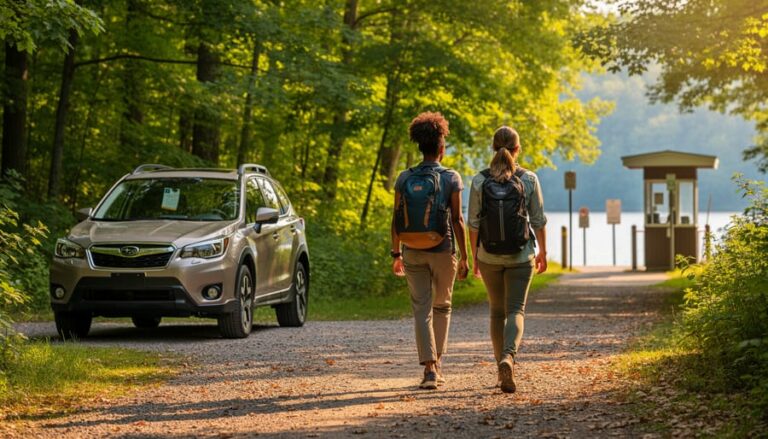
Pro tip: Visit during shoulder seasons (spring and fall) when vehicle traffic is lighter, giving you more room to enjoy those scenic road rides. Park staff are incredibly helpful too—don’t hesitate to stop by the gatehouse and ask questions about the best routes for your skill level.
Best Ontario Parks for Mountain Bike Road Riding
Frontenac Provincial Park
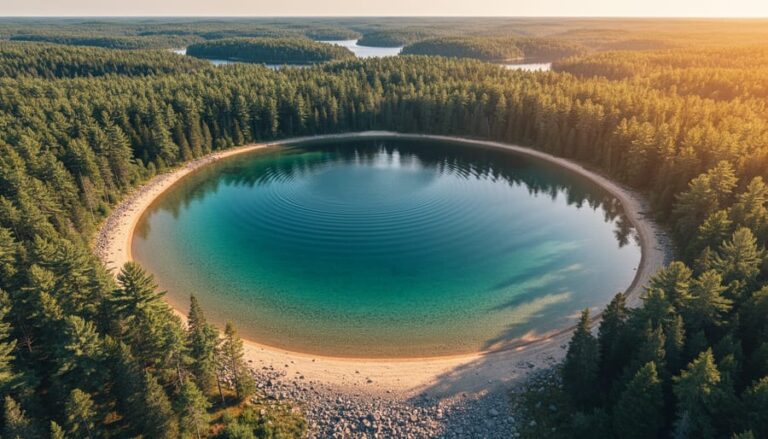
Nestled in the rugged Canadian Shield landscape, Frontenac Provincial Park offers a perfect playground for cyclists who love variety. The park’s gravel access roads weave through 5,355 hectares of wilderness, connecting various trailheads and creating excellent opportunities for mixed riding adventures.
The main park road stretches about 8 kilometers from the entrance to Big Salmon Lake, providing a gentle warm-up before you tackle the technical trail systems. What makes this route special is the stunning elevation changes—you’ll climb through mixed forests with glimpses of sparkling lakes below. Early mornings here are magical, with mist rising off the water and wildlife sightings common.
Here’s an insider tip: use the roads to create custom loop rides by linking different trail sections. This strategy lets you recover between challenging singletrack segments while still covering impressive distances. The roads are also your bailout option if trails become too muddy or if energy runs low.
For an eco-friendly approach, consider camping at one of the interior sites and spending multiple days exploring. This reduces your driving impact while giving you time to discover hidden gems. Pack extra water, as services are limited once you’re inside the park, and always carry a repair kit—help can be far away in this wilderness setting.
Algonquin Provincial Park
Algonquin Park’s Highway 60 corridor opens up a world of surprisingly scenic road biking adventures! While most visitors flock here for backcountry paddling, the paved highway and access roads offer mountain bikers a fantastic way to explore the park’s beauty without venturing deep into the wilderness.
The main Highway 60 stretches 56 kilometers through the park, with multiple access roads leading to trailheads, picnic areas, and lakes. These side roads—like the routes to Opeongo Lake, Mew Lake Campground, and the Visitor Centre—provide quieter riding with stunning forest views and frequent wildlife sightings. I’ve spotted moose, beavers, and even black bears from my bike on these roads!
**Insider tip:** Time your ride for early morning (before 9 AM) or weekday evenings when traffic is lightest. Mid-May through early June and September offer the best combination of minimal vehicles and comfortable temperatures. Sunday mornings are particularly peaceful as most weekend campers head home.
Access roads are generally well-maintained gravel or pavement, perfect for hybrid or mountain bikes with road tires. Always wear bright colors and use lights—logging trucks and RVs share these routes. Pack bear spray and make noise around blind corners. The eco-friendly bonus? You’ll reduce your carbon footprint while experiencing the park’s majesty at the perfect pace for spotting wildlife!
Other Notable Parks
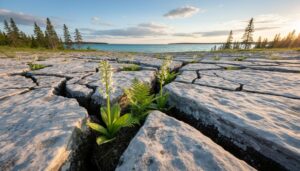
Beyond the major destinations, several Ontario parks offer rewarding road cycling experiences that deserve your attention. **Killarney Provincial Park** features stunning lakeside roads where you’ll pedal past white quartzite ridges and crystal-clear waters—just watch for wildlife around dawn and dusk! The park’s main access road provides a moderately challenging ride with spectacular photo opportunities at every turn.
**Charleston Lake Provincial Park** near Gananoque offers a more relaxed pace with gently rolling roads perfect for families. The park’s internal road system connects to quiet county roads, allowing you to extend your ride through charming rural landscapes dotted with heritage farmhouses.
For those seeking paved comfort, **Presqu’ile Provincial Park** boasts smooth, well-maintained roads that wind through diverse ecosystems—from beaches to wetlands. The flat terrain makes it ideal for beginners or anyone wanting a leisurely spin.
**Insider tip**: Visit these smaller parks on weekday mornings when traffic is lightest, and you’ll practically have the roads to yourself. Many offer excellent bird-watching opportunities from your saddle, so bring binoculars in your pack! These hidden gems provide authentic Ontario experiences without the crowds.
Making Your Mountain Bike Road-Ready
Getting your mountain bike ready for road riding doesn’t require a complete overhaul, but a few smart adjustments can make your journey significantly more comfortable and efficient. Think of it as giving your trusty trail companion a temporary makeover for smoother adventures on Ontario’s park roads.
**Start with tire pressure**—this is the easiest change that makes the biggest difference. Pump your tires to the higher end of their recommended PSI range (check the sidewall). I learned this the hard way on my first long road ride through Algonquin; those knobby tires felt like I was pedaling through molasses until a fellow cyclist suggested I add 10 PSI. The difference was remarkable! Higher pressure reduces rolling resistance and makes every pedal stroke count.
**Consider a tire swap** if you’re planning frequent road excursions. Switching to slick or semi-slick tires transforms your mountain bike’s road performance. You’ll maintain enough tread for occasional trail detours while enjoying dramatically smoother pavement riding. Many Ontario cyclists keep a second set of wheels for easy switching between adventures.
**Visibility is crucial** for safety, especially on park roads shared with vehicles. Add front and rear lights (even for daytime riding), reflectors, and consider a bright safety vest. Ontario park roads can have limited sightlines around curves, and you want drivers spotting you well in advance.
**Adjust your gear selection** before heading out. Shift to higher gears on flat sections to maximize your speed and efficiency. Your mountain bike’s lower gears are perfect for those occasional hills, but you’ll want to ride in the bigger chainring most of the time.
Finally, an eco-friendly insider tip: lower tire pressure slightly when riding on gravel park roads to improve traction while still maintaining efficiency—it’s gentler on the surface too!
Safety Tips That Could Save Your Ride
Riding your mountain bike on park roads is liberating, but sharing the asphalt with vehicles requires smart safety practices. Here’s what I’ve learned from years of pedaling through Ontario’s parks.
**Be seen, be safe.** Bright clothing is non-negotiable – think neon yellows and oranges. I always wear a reflective vest, even on sunny days, because tree shadows create surprising dark patches on winding roads. Add front and rear lights (flashing mode during daylight), and you’ll catch drivers’ attention well before they reach you.
**RVs and campers need extra space.** These behemoths can’t stop quickly or maneuver around you easily. When you hear one approaching from behind, move as far right as safely possible – even onto the shoulder if it’s clear. A friendly wave acknowledges their patience and keeps everyone smiling.
**Blind corners are nerve-wracking,** but manageable. Slow down significantly and stay tight to your side. Listen for engine sounds and assume a vehicle is coming until you know otherwise. Those hairpin turns near lakeshores? Take them wide enough to see what’s ahead.
**Wildlife encounters happen frequently** on park roads. I’ve nearly collided with deer, turkeys, and once, a porcupine. Stay alert during dawn and dusk when animals are most active, and give them plenty of space to retreat.
**Practice golden-rule etiquette:** yield to hikers, give audible warnings when passing (“On your left!”), and pack out everything you bring. Rangers and fellow visitors appreciate considerate cyclists, which keeps road-riding privileges intact for everyone.
Planning Your Perfect Park Road Ride
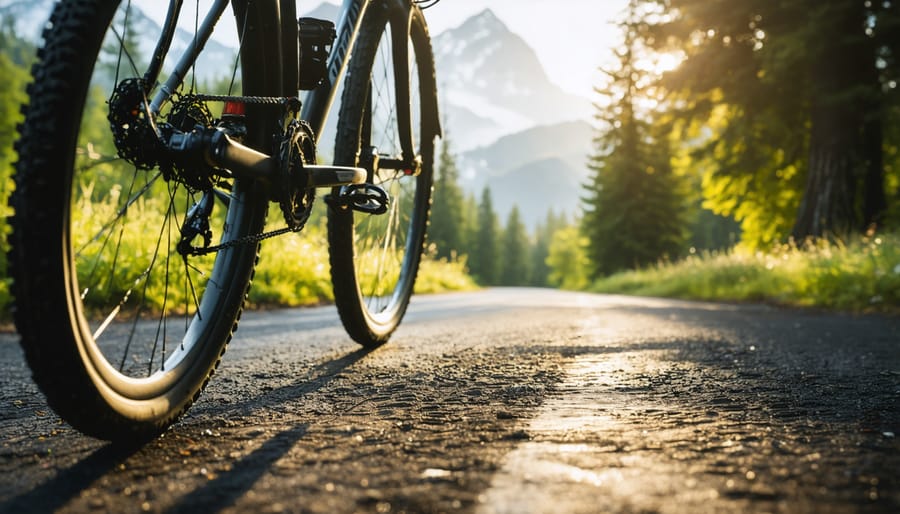
Timing is everything! Early mornings offer cooler temperatures and minimal traffic—I’ve had entire park roads to myself at 7 AM, with only the sound of tires humming and birds singing. Spring and fall provide ideal conditions, though always check seasonal park conditions before heading out, as some roads close during mud season or winter.
When mapping your route, study park websites for road networks that connect to trailheads—this creates perfect loop opportunities. Apps like Ride with GPS let you preview elevation profiles, crucial for gauging difficulty. Unlike trail rides, pack extra water since shaded stops are less frequent, and bring basic repair tools plus a spare tube. Road closures happen, so call ahead or check park alerts the morning of your ride.
**Insider tip:** Pack a small trail map even for road rides. If weather turns or you’re feeling adventurous, you’ll know which trails intersect your route. This flexibility transforms good rides into memorable Ontario Parks day adventures.
Your mountain bike is more versatile than you might think, and Ontario’s park roads offer the perfect opportunity to prove it. While singletrack trails rightfully grab most of the glory in mountain biking circles, the scenic roads winding through our provincial parks deserve a spot in your riding repertoire too. Whether you’re warming up for trail riding, giving your body a break from technical terrain, exploring new corners of a favorite park, or simply enjoying a different pace, road riding adds another dimension to your mountain biking adventures.
The beauty of park road riding is its accessibility—you don’t need to be an expert to enjoy it, and you can tailor the experience to match your energy level and goals. It’s a fantastic way to introduce friends or family members to cycling in natural settings without the intimidation factor of trails. Plus, you’re contributing to a more sustainable park experience by choosing human-powered transportation to explore these incredible spaces.
So next time you’re planning a park visit, consider leaving the car behind for a ride. Pack your hydration system, throw on some comfortable cycling clothes, and point your knobby tires toward the pavement. Whether you choose Algonquin’s legendary Highway 60 corridor, Killarney’s dramatic lakeside routes, or any of the wonderful parks scattered across Ontario, you’ll discover that road riding opens up fresh perspectives on familiar landscapes.
Ready to experience it yourself? Start planning your next adventure and embrace everything your mountain bike can do.





+ There are no comments
Add yours